
For millions of households worldwide, a Costco membership isn’t just a shopping pass; it’s a strategic financial decision. The allure of bulk discounts, competitive pricing on everyday essentials, and exclusive services promises significant savings. However, to truly unlock the economic benefits of a Costco membership, one must first understand its core structure: specifically, how many people can legally and practically leverage a single membership. This isn’t merely a matter of policy; it’s a crucial aspect of personal finance, influencing budgeting, shared expenses, and the overall return on investment (ROI) for your annual membership fee.
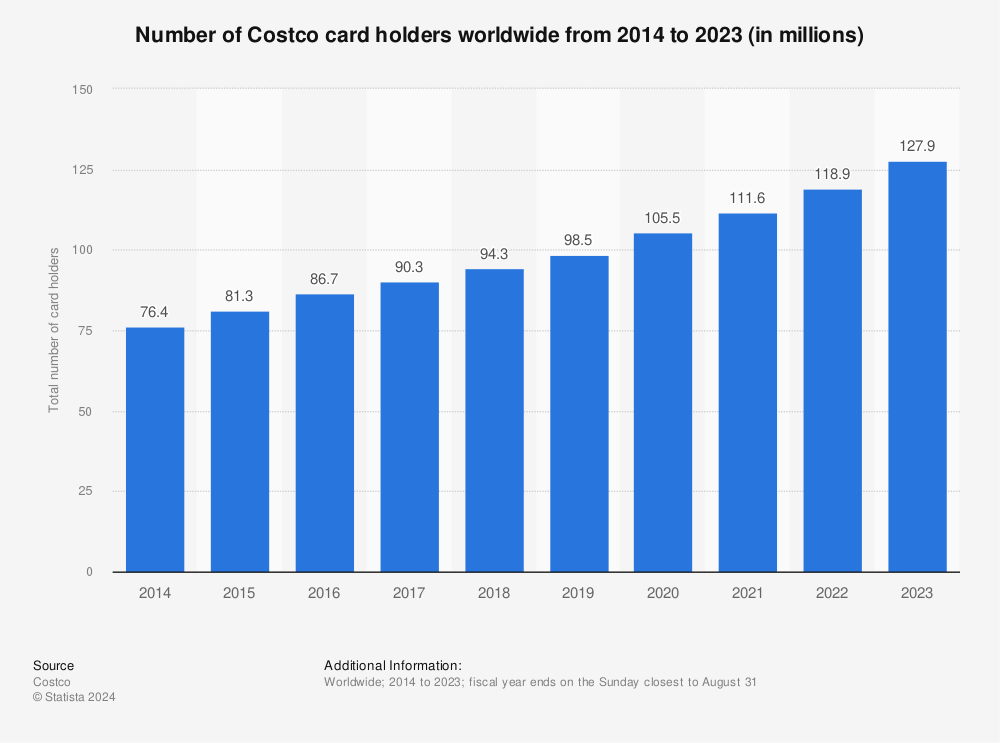
Navigating the specifics of Costco’s membership rules is paramount for optimizing your household’s financial outlay. The answer to “how many people can be on a Costco membership?” is not a simple numerical response, but rather a nuanced exploration of membership types, eligibility criteria, and strategic utilization that directly impacts your personal savings and spending habits. This article delves into the financial intricacies of Costco memberships, guiding you to make the most cost-effective choices for your situation.
Unlocking Value: The Core Costco Membership Structure
At its heart, a Costco membership is designed for individual households or businesses, and the number of active cardholders directly impacts how effectively a single membership can serve multiple people. Understanding the foundational structure is the first step in maximizing its financial utility.
Gold Star and Business: Who’s Included?
Costco primarily offers two types of individual-level memberships: the Gold Star Membership and the Business Membership. Both generally follow a similar framework regarding the number of people they accommodate.
The standard rule is straightforward: each paid membership, whether Gold Star or Business, includes one primary cardholder and one complimentary household card. This means, at a minimum, two individuals can legally hold active membership cards under a single paid membership fee.
- Primary Cardholder: This individual is the main account holder, responsible for the annual membership fee and any associated renewals. They are typically the one who initially signs up and provides their details.
- Complimentary Household Cardholder: This is where the second person comes in. Costco permits the primary cardholder to designate one other individual living at the same address to receive a free household card. This person must be at least 18 years old and physically reside at the same address as the primary cardholder.
From a financial perspective, this dual-cardholder system is a significant advantage. It effectively halves the “per person” cost of the membership fee if both individuals actively utilize it. For couples, roommates, or adult children living at home, this allows shared access to bulk savings without requiring two separate membership fees, directly impacting household budgeting and reducing individual consumer costs.
Understanding the “Household Card”: Definition and Financial Implications
The concept of the “household card” is critical for personal finance planning. It’s not just a gesture of goodwill; it’s a fundamental aspect of how Costco structures access to its savings.
Costco’s definition of a “household member” typically requires that the individual be 18 years or older and live at the same physical address as the primary cardholder. This isn’t a loose interpretation; employees are trained to verify this, often requesting proof of residency if there’s any doubt during sign-up or renewal.
Financial Implications:
- Shared Expenses: For families or domestic partnerships, the household card allows both principal earners or shoppers to contribute to and benefit from the savings. One person might buy groceries while the other handles household goods or gas, effectively pooling their spending power to meet the requirements for bulk savings.
- Budget Optimization: By having two legitimate cardholders, a household can optimize its shopping trips, preventing duplicate purchases and ensuring that the most cost-effective decisions are made by whoever is doing the shopping. It also ensures that the membership fee is not wasted if only one person frequently shops.
- Cost Efficiency: If two individuals from the same household were to purchase separate Gold Star memberships, they would pay double the annual fee for essentially the same access. The household card makes the membership significantly more cost-efficient for shared living arrangements.
Beyond Two: When Additional Cards or Memberships Make Financial Sense
While the standard is two cards per membership, there are scenarios where more than two individuals might be associated with Costco access, though this often involves different membership types or strategies.
- Business Membership Add-ons: Business Memberships offer a unique financial flexibility. While the primary business member also receives a complimentary household card, they have the option to purchase additional “add-on” cards for associates or employees for an extra fee per card (typically around $60 each). These add-on cards are linked to the primary business membership and are intended for individuals who help run the business. This is a crucial distinction for small business owners looking to empower their staff with purchasing capabilities while keeping track of expenses under a single business account. For entrepreneurs, this facilitates business operations and streamlines procurement.
- Separate Households, Separate Memberships: If adult family members or friends live at different addresses, they each require their own paid membership (primary cardholder + optional household card for their respective address). Attempting to share a membership across different households via the “household card” rule is a violation of policy and can lead to loss of membership. While seemingly a higher cost, it ensures legitimate access and often reflects the reality of separate financial management.
- Guest Policy: It’s important to differentiate between cardholders and guests. A non-member can accompany a member into the warehouse and even shop alongside them, but only the primary or household cardholder can pay for the purchases. This “guest privilege” does not confer membership status or card-holding rights, and therefore does not count towards “people on a membership” in a financial sense.
Maximizing ROI: Financial Strategies for Your Costco Membership
Understanding the mechanics of membership is just the beginning. The true financial benefit comes from strategically utilizing the membership, especially when multiple people are involved.
Executive vs. Gold Star: A Cost-Benefit Deep Dive
Costco offers two tiers for its Gold Star (and Business) memberships: standard and Executive. The decision between these two is purely a financial one, heavily influenced by your projected spending and the number of people who will be shopping.
- Gold Star Membership: The basic tier, offering access to all Costco warehouses and services.
- Executive Membership: A higher annual fee, but comes with a crucial benefit: a 2% annual reward on most qualified Costco purchases (up to $1,000 per year).
Cost-Benefit Analysis for Multiple Shoppers:
When two people share an Executive Membership, their combined spending contributes to the 2% reward. This significantly lowers the threshold for making the Executive upgrade worthwhile.
- Break-Even Point: Generally, the break-even point for an Executive Membership (compared to Gold Star) is around $3,000 in annual qualified purchases. If your household spends more than this, the 2% reward will offset the higher Executive fee and start providing net savings.
- Combined Spending Power: With two active shoppers, reaching that $3,000 threshold becomes much easier. For instance, if one person spends $1,500 and the other spends $1,500, the household collectively hits the mark. This makes the Executive Membership a highly attractive financial tool for families or cohabiting individuals who jointly manage household expenses and grocery shopping.
- Enhanced Savings: The 2% reward acts as a rebate, effectively reducing the net cost of all purchases. For a household consistently spending heavily at Costco, this can translate into hundreds of dollars in savings annually, directly impacting the personal finance bottom line.
The Art of Smart Bulk Buying: Saving Money, Not Wasting It
Costco is synonymous with bulk purchases, and for multiple people sharing a membership, this can be a double-edged sword financially. While bulk often means a lower unit price, it also means a larger upfront cost and the risk of waste.
- Unit Cost Focus: With multiple shoppers, it’s easier to justify larger quantities of non-perishable goods or items with a long shelf life, like paper products, cleaning supplies, or pantry staples. Encourage all cardholders to focus on the unit price (e.g., price per sheet, price per ounce) rather than just the sticker price to identify true savings.
- Perishables Strategy: For items like fresh produce, dairy, or baked goods, a household with multiple people needs a clear strategy. Can the quantity be consumed before expiration? Is there sufficient storage? Joint meal planning can minimize waste and ensure cost-effectiveness. Sharing larger produce packs between the two cardholders (if they live together) can also be a viable option.
- Preventing Overspending: The sheer volume of goods can tempt overspending. A shared membership means both cardholders must adhere to a pre-set budget for Costco trips. Impulse buys, even if they seem like a good deal, can quickly erode the savings gained from bulk purchasing. Financial discipline from all parties is key.
Leveraging Costco’s Ancillary Services for Further Savings
The financial value of a Costco membership extends far beyond just bulk groceries and merchandise. Many of its ancillary services offer significant savings that become even more valuable when shared or utilized by multiple people.

- Costco Gas: Often among the lowest prices in the area, filling up two cars regularly at Costco can lead to substantial annual savings on fuel costs for a household.
- Costco Optical: Eye exams and prescription eyewear at competitive prices. If both cardholders need glasses or contacts, the savings can be considerable.
- Costco Pharmacy: Prescription medications often at lower cash prices than other pharmacies, particularly beneficial for individuals without comprehensive insurance or for specific generic drugs.
- Costco Travel: Discounts on vacation packages, cruises, and rental cars. For shared travel planning, this can offer significant savings for household leisure budgets.
- Tire Center: Competitive pricing on tires, installation, and maintenance.
- Business Centers (for Business Members): Specialized products and services tailored for businesses, potentially offering cost savings on supplies, food service, and more.
By consciously utilizing these services, both cardholders can amplify the financial benefits derived from their single membership fee, turning it into a comprehensive savings tool for various aspects of personal and household finance.
Navigating Membership Policies: Ensuring Your Savings are Compliant
To avoid issues and ensure uninterrupted access to savings, it’s vital to adhere to Costco’s specific membership policies. Misunderstandings can lead to revoked memberships and wasted fees.
Who Qualifies as a “Household Member”?
As established, the complimentary household card is strictly for an individual aged 18 or older who resides at the same physical address as the primary member.
- Proof of Residency: Be prepared to provide proof of shared residency if requested. This might include a driver’s license with the matching address, utility bills, or other official documents.
- No “Extended Family” Sharing (Across Addresses): This policy means you cannot give a household card to a parent, sibling, or friend who lives at a different address, no matter how close your relationship or how often you shop together. Attempting to do so is a breach of the terms and conditions.
- Age Restrictions: Only adults (18+) are eligible for a membership card. While younger family members can accompany a cardholder, they cannot hold their own card under that membership.
Adhering to these rules protects your investment in the membership and prevents any awkward situations or potential loss of privileges.
The Guest Policy: A Temporary Solution, Not a Shared Membership
Costco’s guest policy is a common point of confusion regarding how many people can access the warehouse. Non-members are always welcome to enter and browse with a member. However, this is a crucial distinction:
- Only Cardholders Can Pay: When it comes time to check out, only the primary or household cardholder can make the purchase. This means a guest cannot use their own payment method or account for purchases at Costco unless they are also a legitimate cardholder.
- No Membership Benefits for Guests: Guests do not receive any membership benefits, such as the 2% Executive Reward, gas discounts, or access to member-only services like optical or pharmacy.
- Not a Substitute for a Household Card: Bringing a guest regularly is not the same as having a second cardholder. For sustained savings and independent shopping capability for two individuals from the same household, the household card is indispensable.
Understanding this ensures that you use the guest policy appropriately and don’t mistake it for a way to circumvent membership rules for consistent access.
Business Membership Add-ons: Expanding Access for Your Enterprise
For small business owners, the business membership provides a specific avenue for extending membership access beyond the primary and household card.
- Legitimate Employees/Associates: Business add-on cards are intended for legitimate employees or associates of the business. Each add-on card carries an additional annual fee.
- Financial Tracking: This system allows the business owner to provide purchasing power to their staff while consolidating all purchases under one business account. This simplifies expense tracking, inventory management, and overall business finance.
- Not for Personal Use: While these cardholders gain access to the warehouse, their purchases are generally expected to be for business purposes. Misuse for personal shopping by employees, while difficult to police completely, goes against the spirit of the add-on scheme.
For businesses where multiple individuals need to make purchases, the add-on card system is a financially sound way to scale access without needing multiple full business memberships.
Strategic Planning: Integrating Costco into Your Household Budget
Effectively integrating your Costco membership into your overall personal and household budget is where the rubber meets the road. It transforms the membership from a simple shopping pass into a powerful financial tool.
Estimating Your Annual Savings: A Personalized Approach
Don’t just assume you’re saving money; track it. Both primary and household cardholders should be aware of spending and potential savings.
- Compare Prices: Regularly compare unit prices at Costco with those at your local grocery stores or other retailers. Focus on frequently purchased items.
- Track Your Executive Rewards: If you have an Executive Membership, monitor your 2% reward accumulation. This tangible benefit provides clear evidence of your savings.
- Value the Services: Quantify the savings from using Costco’s gas, optical, pharmacy, or travel services compared to market rates. This adds to the overall financial justification of the membership.
- A “Costco Budget” Line Item: For households, consider creating a specific line item in your monthly budget for “Costco purchases.” This helps manage the larger ticket sizes associated with bulk buying.
By actively estimating and tracking your savings, you can gain a clearer picture of your ROI on the annual membership fee and make informed financial decisions.
Avoiding the “Costco Trap”: Mindful Spending and Budget Adherence
The very nature of Costco – large quantities, enticing samples, and diverse product offerings – can lead to the “Costco Trap,” where intended savings are nullified by overspending.
- Shopping List Discipline: Stick to a meticulously planned shopping list. This is especially crucial for households with two shoppers, as impulse buys from either person can quickly add up.
- Know Your Needs: Don’t buy something simply because it’s a good deal in bulk if your household won’t consume it before it expires or if you lack storage space. Waste is anti-savings.
- Budget Alignment: Ensure all Costco purchases align with your established household budget. Review statements periodically to identify spending patterns and areas for improvement.
- The “One In, One Out” Rule: For some items, particularly non-perishables, consider adopting a “one in, one out” policy to manage inventory and prevent excessive stockpiling, which ties up capital.
Mindful shopping is paramount. A membership shared by multiple people requires even greater communication and discipline to ensure that the financial benefits are realized rather than undermined by unbudgeted spending.

Renewal Decisions: Is Your Membership Still Worth It?
The ultimate financial assessment comes annually: is the Costco membership still providing a net positive return on investment for your household?
- Annual Review: Before renewal, sit down and review your spending, your Executive rewards (if applicable), and your utilization of ancillary services.
- Compare Against Alternatives: Are there other retailers offering similar value without a membership fee, or where your household’s spending patterns might now be better suited?
- Evolving Needs: Has your household size changed? Do you still require bulk quantities? Have your shopping habits shifted? These factors influence the membership’s financial viability.
- Executive Membership Reassessment: If you have an Executive Membership, specifically calculate if your 2% reward surpassed the difference in fees between Executive and Gold Star. If not, consider downgrading for the next year to avoid paying for benefits you’re not fully utilizing.
Treat your Costco membership as an investment. Like any investment, it requires periodic review to ensure it continues to serve your personal finance goals effectively.
In conclusion, a Costco membership typically accommodates two people – a primary cardholder and one complimentary household cardholder residing at the same address. For businesses, additional employee cards can be purchased. Understanding and strategically leveraging this structure, combined with diligent budgeting, smart shopping habits, and utilizing the array of services, transforms a simple membership into a powerful financial tool that can significantly reduce household expenses and boost personal savings. By adhering to policies and continuously evaluating your membership’s value, you ensure that your Costco investment pays dividends year after year.
aViewFromTheCave is a participant in the Amazon Services LLC Associates Program, an affiliate advertising program designed to provide a means for sites to earn advertising fees by advertising and linking to Amazon.com. Amazon, the Amazon logo, AmazonSupply, and the AmazonSupply logo are trademarks of Amazon.com, Inc. or its affiliates. As an Amazon Associate we earn affiliate commissions from qualifying purchases.