
In the dynamic world of digital finance, Venmo has become a household name, fundamentally altering how millions manage and transfer money. More than just a payment app, it serves as a crucial financial tool, simplifying everything from splitting costs to receiving paychecks. This widespread adoption reflects a significant shift towards more agile, accessible, and social approaches to personal and small business finance. This article explores the multifaceted financial applications of Venmo, examining its utility as a core component of modern money management, a facilitator of online commerce, and a platform for nascent investment, while underscoring responsible financial practices.
The Core Utility: Simplifying Peer-to-Peer Payments
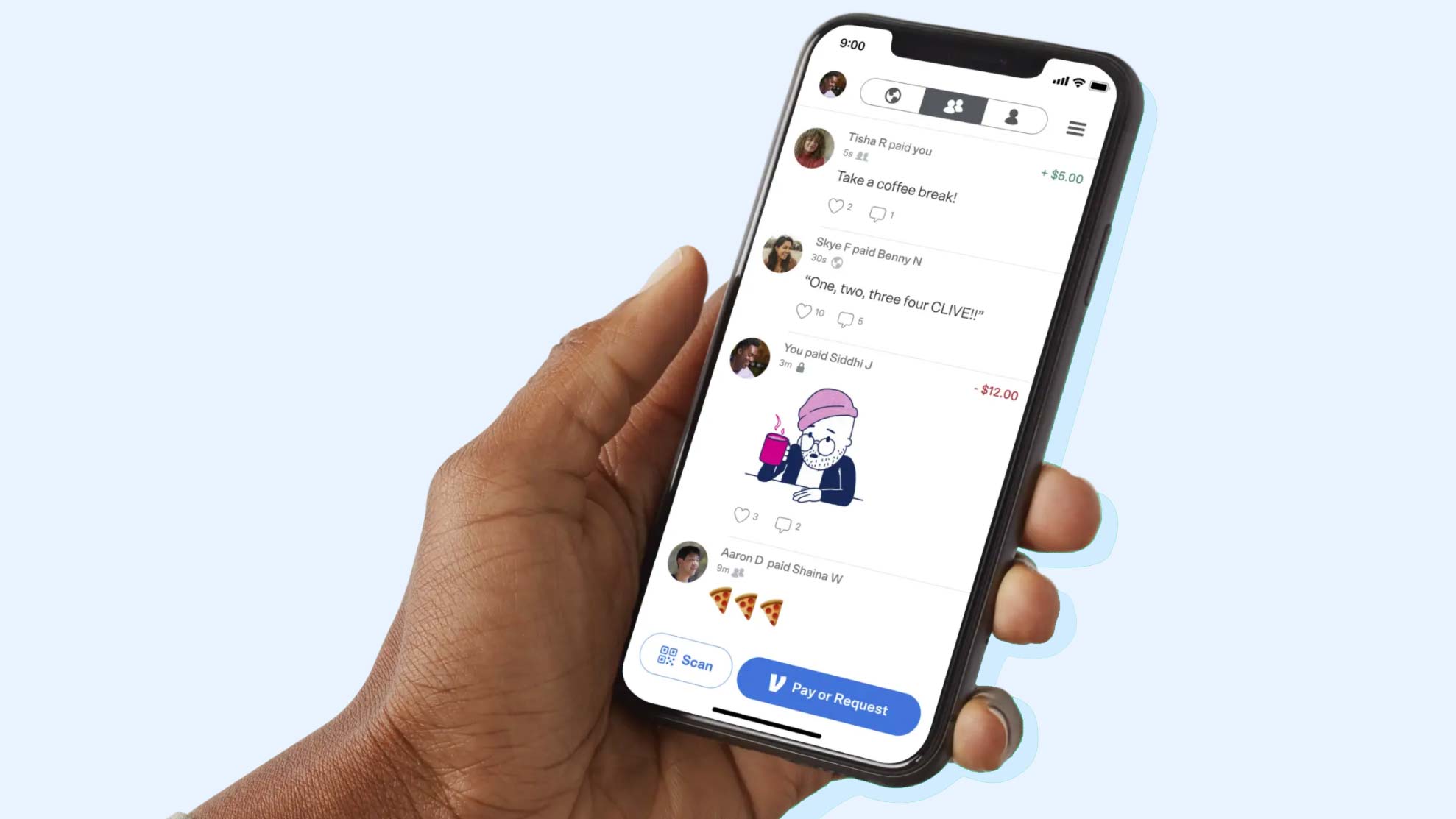
Venmo initially gained prominence by revolutionizing peer-to-peer (P2P) payments, making money exchange between individuals remarkably simple and efficient. It eliminated the historical friction of splitting costs, such as awkward calculations or IOUs, and replaced it with instant digital transfers that are both convenient and transparent.
Seamlessly Splitting Costs and Group Expenses
One of Venmo’s primary uses is effortlessly managing shared expenses. For group vacations, shared meals, or communal household bills, Venmo streamlines collecting money from multiple parties. Users can send specific payment requests, ensuring transparency and ease for everyone to contribute their share. This function saves time and fosters clearer financial communication, making group activities financially smoother and eliminating the awkwardness often associated with settling group debts.
Paying Friends and Family with Ease
Beyond structured group expenses, Venmo is the preferred platform for casual financial exchanges between friends and family. Sending money for coffee, a gift, or a quick loan is achieved in a few taps. Its instantaneity and convenience have largely replaced cash or checks for many personal transactions. The optional social feed adds a unique layer to these exchanges, reinforcing community around money, while also creating a digital record of payments that can be helpful for personal financial tracking.
Everyday Transactions and Casual Spending
Venmo’s utility extends to myriad daily financial interactions. Users frequently utilize it for rent payments to roommates, contributions to shared gifts, or reimbursements for event tickets. Its integration into social dynamics makes it indispensable for managing small to medium-sized personal debts and credits, fostering a fluid financial environment. The absence of fees for standard bank-funded payments further enhances its appeal for routine, casual financial exchanges, making it a cost-effective solution for everyday financial settlements.
Beyond Peer-to-Peer: Expanding Financial Horizons
While its P2P functionality was foundational, Venmo has evolved, broadening its scope to encompass a wider array of financial applications, moving beyond solely friends and family to integrate with commercial and professional contexts, thereby deepening its utility as a comprehensive financial tool.
Shopping Online and In-App with Venmo
Recognizing the demand for versatile payment options, Venmo integrated its services into various online and in-app purchasing platforms. Many merchants now accept Venmo at checkout, allowing users to leverage their Venmo balance, linked bank accounts, or debit cards for quick, secure purchases without re-entering card details. This expansion positions Venmo as a legitimate digital wallet, offering a streamlined path from digital funds to goods and services, and enhancing its role in the e-commerce ecosystem.
Accepting Payments for Small Businesses and Freelancers
Venmo has become an invaluable tool for small businesses, freelancers, and sole proprietors. It offers a low-barrier solution for accepting customer payments, bypassing the complexities and costs of traditional merchant accounts. From artisans to graphic designers, Venmo provides a straightforward way to receive funds digitally. While business transactions typically incur a small fee, Venmo’s simplicity and widespread user base make it an attractive option for managing incoming revenue, particularly for micro-enterprises and those operating on a flexible schedule.
Direct Deposit and Early Access to Funds
Venturing into comprehensive financial services, Venmo introduced direct deposit. Users can now receive paychecks, government payments, or other direct deposits directly into their Venmo account. This significantly elevates Venmo’s role to a central financial hub. A notable benefit is the potential for early access to funds, sometimes up to two days sooner than traditional banks, depending on payroll processes. This empowers users with greater control over cash flow, managing income and immediate expenses within the Venmo ecosystem.
Venmo as a Personal Finance Tool
Beyond transactional capabilities, Venmo inherently offers features that, when utilized consciously, significantly contribute to personal financial management and insights, providing a digital paper trail for various financial activities.
Tracking Spending and Transaction History
Every Venmo transaction is meticulously recorded, creating a detailed digital ledger of spending and income. Users can review their history anytime, gaining a clear overview of who they’ve paid and received money from, and for what purposes. This digital trail is a powerful tool for retrospective analysis, helping individuals understand their money flow without manual record-keeping for Venmo-specific activities, contributing to a clearer financial picture.

Budgeting Insights Through Digital Records
While Venmo lacks advanced budgeting features, its comprehensive transaction history is a valuable input. Regular review of Venmo activity helps users identify spending patterns, categorize expenses (even manually), and gain insights into financial habits, especially for social spending and discretionary purchases. This digital record simplifies expense reconciliation, aiding budget adherence or identifying savings opportunities by highlighting where money is being spent.
The Social Element in Financial Management
Venmo uniquely blends financial transactions with a social feed, subtly influencing financial behavior. Seeing friends’ transactions (public or anonymized) can foster mindfulness about one’s own spending. The ease of requesting money also reduces awkwardness, simplifying the tracking and settlement of mutual debts. This indirect social accountability can contribute to more organized personal financial habits, particularly among digitally-savvy demographics who are comfortable with transparent financial interactions.
Advanced Financial Features and Considerations
Venmo’s expansion beyond P2P introduced more advanced financial products, positioning it closer to traditional financial institutions and offering users a broader suite of money management options.
Venmo Credit Card and Debit Card for Integrated Spending
To further integrate into daily financial life, Venmo offers branded debit and credit cards. The Venmo Debit Card allows spending Venmo balances anywhere Mastercard is accepted, essentially transforming digital funds into physical and virtual card use, often with cashback rewards. The Venmo Credit Card provides competitive cashback rates (up to 3% on top categories), automatically applied to the user’s Venmo balance. These cards bridge digital funds with traditional spending, offering a more comprehensive solution for managing income and expenses, plus additional financial incentives.
Investing in Cryptocurrency Through Venmo
In a significant stride, Venmo allows users to buy, hold, and sell Bitcoin, Ethereum, Litecoin, and Bitcoin Cash directly in the app, democratizing crypto market access with investments as low as $1. While convenient, users must understand crypto’s volatility and inherent risks. Venmo facilitates transactions but offers no investment advice, emphasizing user responsibility for high-risk asset class decisions. This feature positions Venmo as a multi-faceted financial platform beyond payments, catering to evolving investment interests.
Understanding Fees and Limits for Financial Planning
While many Venmo services are free (standard P2P payments funded by bank accounts/Venmo balances), users must be aware of fees and limits. Instant transfers to banks/debit cards typically incur a small percentage fee. Business transactions or credit card-funded payments also carry fees. Weekly sending and withdrawal limits can impact large transactions. Understanding these parameters is crucial for avoiding unexpected costs and ensuring Venmo aligns with broader financial strategies. Transparently navigating these financial considerations is key to maximizing Venmo’s benefits.
Security and Responsible Financial Use
Implementing robust security measures and adhering to best practices is paramount to protecting assets and information on Venmo, as with any digital financial tool, to ensure a safe and secure financial experience.
Protecting Your Financial Information on Venmo
Venmo employs robust security, including data encryption and fraud monitoring. However, users are critical to their own security. This includes strong, unique passwords, multi-factor authentication, and vigilance against phishing. Never share login credentials, regularly review transaction history, and promptly report suspicious activity. Treat Venmo with the same caution as a physical wallet, recognizing the sensitivity of the financial data it handles.
Recognizing and Avoiding Common Scams
Venmo’s popularity makes it a target for scammers. Users must learn about common scams like overpayment, fake prize notifications, or imposter scams. A crucial financial principle is to only send money to known and trusted individuals and verify business recipients. Red flags include deals too good to be true or pressure for quick payments. Always verify information outside the app if uncertain, and be wary of requests that seem unusual or too good to be true.
Best Practices for Secure Money Management
Beyond scam avoidance, general best practices include keeping the app updated for security patches, regularly checking privacy settings, and linking reputable financial accounts. Linking a bank account or debit card for P2P payments avoids fees. For significant sums, considering alternative, traditionally more secure transfer methods might be prudent, as Venmo is primarily for convenient everyday transactions. Responsible use also means understanding that Venmo is not a bank, and FDIC insurance typically doesn’t cover Venmo balances unless linked to specific bank accounts, which is a key financial distinction.

Conclusion
Venmo has evolved beyond a simple P2P app into a dynamic, integral financial tool. From simplifying shared expenses and casual transfers to enabling online shopping, supporting small businesses, and offering cryptocurrency investment, its applications are diverse and expanding. It empowers users with greater control over immediate finances, providing a transparent digital ledger and integrated spending options. However, like any powerful financial instrument, effective and secure use depends on user awareness—understanding features, fees, limits, and diligently protecting financial information. In an increasingly digital economy, Venmo stands as a testament to fintech innovation, continually redefining money management in the 21st century and serving as a versatile platform for numerous financial needs.
aViewFromTheCave is a participant in the Amazon Services LLC Associates Program, an affiliate advertising program designed to provide a means for sites to earn advertising fees by advertising and linking to Amazon.com. Amazon, the Amazon logo, AmazonSupply, and the AmazonSupply logo are trademarks of Amazon.com, Inc. or its affiliates. As an Amazon Associate we earn affiliate commissions from qualifying purchases.