
Navigating the landscape of home financing in the current economic era feels significantly different than it did just a few years ago. For a generation of homebuyers, the ultra-low rates of the early 2020s became the benchmark, but as the global economy recalibrated, interest rates transitioned toward more historical norms. Understanding what current interest rates for mortgages are—and more importantly, why they are where they are—is essential for any savvy investor or prospective homeowner.
Mortgage rates are not just arbitrary numbers generated by banks; they are a reflection of the broader financial health of the nation, influenced by inflation, government policy, and global market sentiment. To master your personal finances, you must look beyond the daily fluctuations and understand the mechanics of the mortgage market.
The Landscape of Today’s Mortgage Market
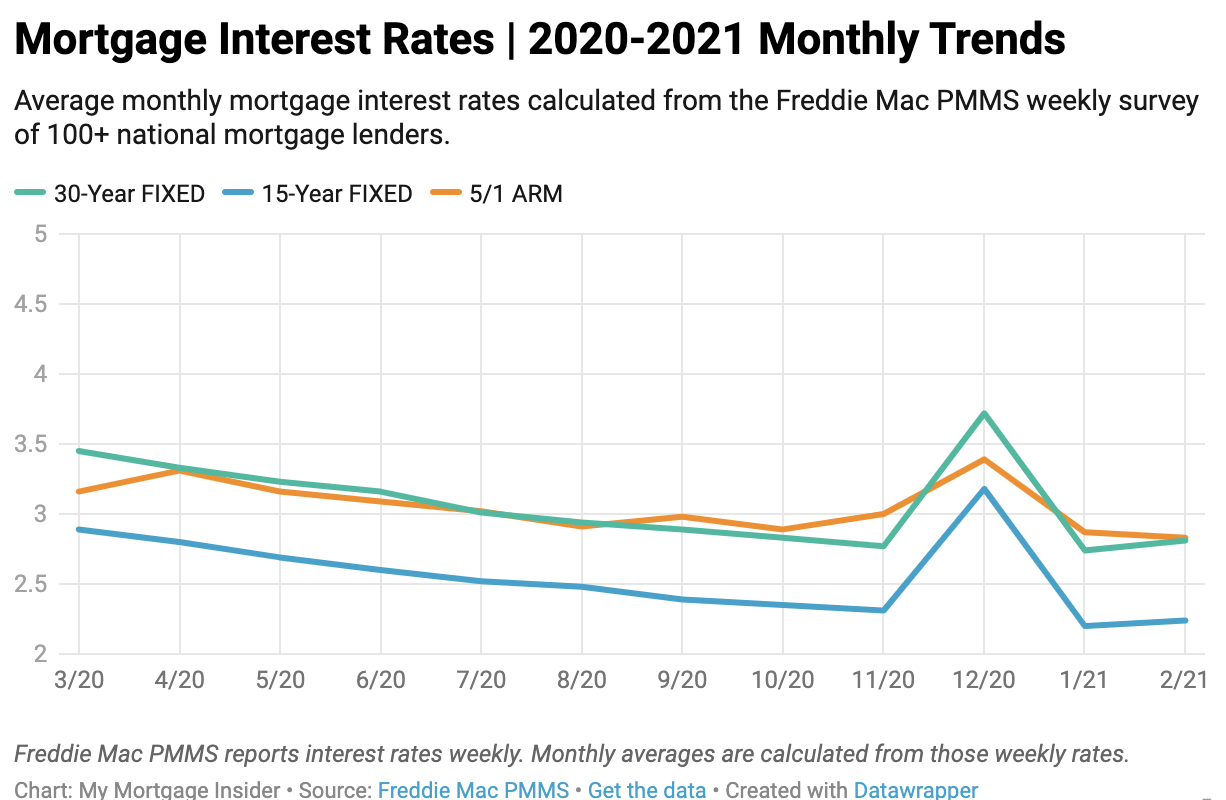
The mortgage market is currently characterized by a return to “rational” lending, where rates reflect the true cost of borrowing in an inflationary environment. While the era of 2% or 3% fixed-rate mortgages has passed, the current market offers a variety of products designed to help borrowers manage monthly payments and long-term debt.
Fixed-Rate vs. Adjustable-Rate Mortgages (ARMs)
The most common vehicle for American homeownership remains the 30-year fixed-rate mortgage. Its primary appeal is predictability; your principal and interest payments remain constant regardless of market volatility. However, in a higher-rate environment, many borrowers are turning toward 15-year fixed rates, which typically offer lower interest rates in exchange for higher monthly payments, allowing for faster equity buildup.
Adjustable-Rate Mortgages (ARMs) have also seen a resurgence. These products usually offer a lower “teaser” rate for an initial period (such as 5, 7, or 10 years) before adjusting annually based on a specific financial index. For a buyer who plans to sell or refinance before the adjustment period kicks in, an ARM can be a strategic financial tool to lower initial costs.
Government-Backed Loans: FHA, VA, and USDA Rates
Not all mortgage rates are created equal, and the type of loan for which you qualify can drastically change your interest profile. Federal Housing Administration (FHA) loans often provide slightly lower interest rates than conventional loans to accommodate those with lower credit scores, though they require mortgage insurance premiums (MIP).
VA loans, available to veterans and active-duty service members, often carry the most competitive rates in the market with no down payment requirements. Similarly, USDA loans for rural development offer subsidized rates to encourage homeownership in less populated areas. Understanding these niches is vital for optimizing your borrowing power.
Macroeconomic Drivers Influicing Interest Rates
When people ask, “What are current interest rates for mortgages?” they are essentially asking about the byproduct of complex macroeconomic forces. Mortgage lenders do not set rates in a vacuum; they respond to the cost of capital and the perceived risk in the economy.
The Federal Reserve’s Monetary Policy
A common misconception is that the Federal Reserve sets mortgage rates. In reality, the Fed sets the “Federal Funds Rate,” which is the interest rate at which banks lend to one another overnight. However, mortgage rates tend to track the expectations of Fed policy. When the Fed raises rates to combat inflation, mortgage lenders increase their rates to maintain profit margins. Conversely, when the Fed signals a “dovish” or cooling stance, mortgage rates often stabilize or begin to retreat in anticipation of cheaper capital.
Inflation and the 10-Year Treasury Yield
The 10-year Treasury bond yield is perhaps the most accurate “north star” for 30-year fixed mortgage rates. Investors view mortgages and Treasury bonds as competing long-term investments. When inflation is high, the purchasing power of future bond payments is eroded, causing investors to demand higher yields. As Treasury yields rise, mortgage rates follow suit, usually maintaining a “spread” of about 150 to 300 basis points (1.5% to 3%) above the 10-year yield. Monitoring inflation reports (CPI) and Treasury auctions is a professional way to predict where mortgage rates are headed next.
Personal Financial Factors That Determine Your Individual Rate

While the national average might be cited in the news, the “current rate” you receive is highly personalized. Lenders use a process called “risk-based pricing” to determine how much they should charge you to borrow their money.
The Impact of Credit Scores on Mortgage Pricing
Your FICO score is the single most influential factor in the interest rate a lender quotes you. A borrower with a “prime” score of 760 or higher can often secure a rate that is 0.5% to 1.5% lower than someone with a score in the mid-600s. Over the life of a 30-year loan, this small percentage difference can equate to tens of thousands of dollars in interest savings. Improving your credit hygiene—by lowering credit card utilization and ensuring on-time payments—is the most effective way to “lower” your interest rate regardless of what the Fed does.
Loan-to-Value (LTV) Ratios and Down Payment Strategies
The amount of “skin in the game” you have influences your risk profile. A lower Loan-to-Value ratio (meaning a higher down payment) suggests to the lender that you are less likely to walk away from the property in a downturn. Traditionally, a 20% down payment has been the threshold for avoiding Private Mortgage Insurance (PMI) and securing the best interest rates. However, many modern lenders offer tiered pricing where even a 10% or 15% down payment can yield competitive rates if the borrower has a strong debt-to-income (DTI) ratio.
Strategies for Navigating High-Rate Environments
In a market where rates are higher than the historical lows of the past decade, financial discipline and strategic planning become paramount. Borrowers must be proactive rather than reactive.
The Math Behind Mortgage Points (Buying Down the Rate)
One popular strategy in the current market is the use of “discount points.” A point is equal to 1% of the loan amount, paid upfront at closing in exchange for a permanently lower interest rate. For example, if you are offered a 7.0% rate, you might pay one point to lower it to 6.75%.
The decision to buy points is a math problem: you must calculate the “break-even point.” If paying $4,000 upfront saves you $100 a month, it will take 40 months to break even. If you plan to stay in the home for ten years, buying the points is a sound financial investment. If you plan to sell or refinance in two years, you are better off keeping the cash.
Refinancing Outlook: When Does it Make Sense to Pivot?
“Marry the house, date the rate” has become a common mantra in real estate circles. This philosophy suggests that if you find the right property at a fair price, you should purchase it even at a higher interest rate, with the intention of refinancing later when rates drop.
However, refinancing is not free. It involves closing costs, appraisals, and title fees. A general rule of thumb is that a refinance makes financial sense if you can lower your interest rate by at least 0.75% to 1.0% and plan to stay in the home long enough to recoup the closing costs.
Predicting the Future: Market Forecasts and Long-Term Investing
While nobody has a crystal ball, financial analysts look at specific lead indicators to forecast the direction of mortgage rates. Understanding these can help you time your entry into the market.
Economic Indicators to Watch in the Coming Quarters
Keep a close eye on the labor market and the Gross Domestic Product (GDP) growth. A “cooling” labor market (higher unemployment or slower wage growth) typically signals that the economy is slowing down, which usually leads to lower interest rates as the Fed moves to stimulate growth. Conversely, a “hot” economy with high consumer spending usually keeps upward pressure on rates to prevent the economy from overheating.
Real Estate as an Asset Class in a Fluctuating Interest Rate Environment
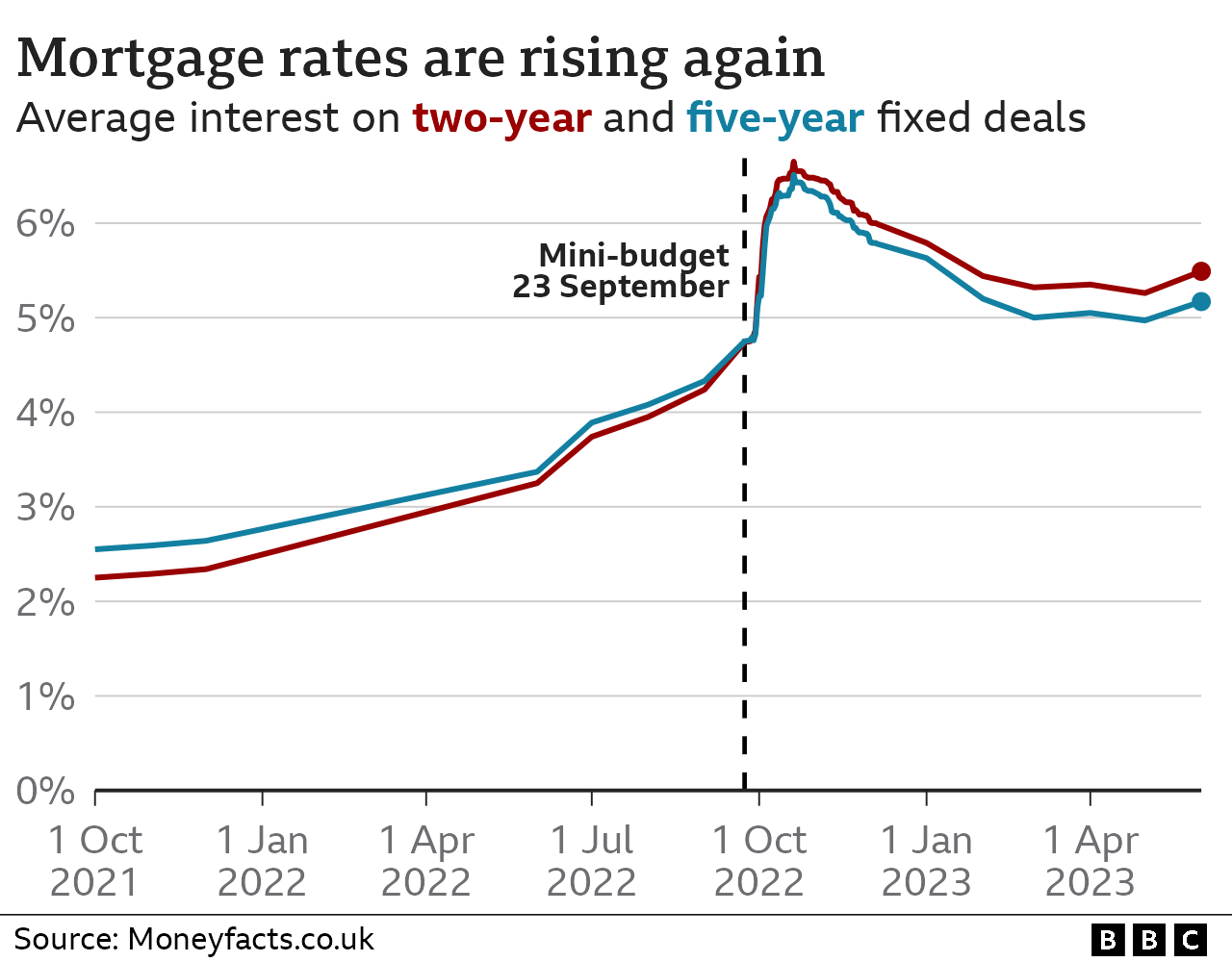
Despite the fluctuations in interest rates, real estate remains a cornerstone of personal wealth. While high rates increase the cost of borrowing, they also tend to slow down home price appreciation, potentially offering better entry prices for buyers who were previously priced out by bidding wars.
From a wealth-building perspective, the interest rate is only one part of the equation. The tax advantages of mortgage interest deductions, the potential for long-term appreciation, and the forced savings mechanism of paying down a mortgage principal often outweigh the temporary burden of a higher interest rate.
Conclusion: Taking Control of Your Financial Future
The question of “what are current interest rates for mortgages” is the start of a much deeper conversation about financial readiness. While you cannot control the Federal Reserve or global inflation, you can control your credit score, your down payment, and your choice of loan product. By staying informed on macroeconomic trends and utilizing strategic tools like discount points or ARMs, you can navigate even the most challenging rate environments with confidence. In the world of finance, knowledge is the best hedge against volatility.
aViewFromTheCave is a participant in the Amazon Services LLC Associates Program, an affiliate advertising program designed to provide a means for sites to earn advertising fees by advertising and linking to Amazon.com. Amazon, the Amazon logo, AmazonSupply, and the AmazonSupply logo are trademarks of Amazon.com, Inc. or its affiliates. As an Amazon Associate we earn affiliate commissions from qualifying purchases.