
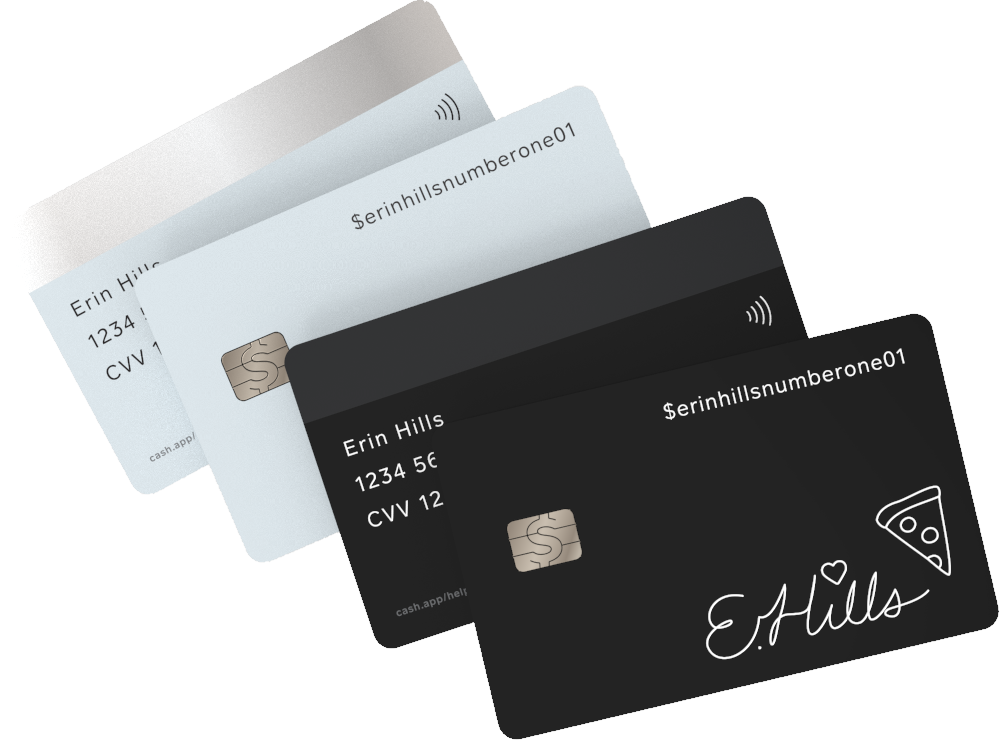
In the evolving landscape of personal finance, digital payment platforms have revolutionized how individuals manage their money. Among these, Cash App stands out for its user-friendly interface and integrated financial services, with its accompanying Cash App Card (often simply called the Cash Card) serving as a pivotal tool for accessing funds. Far more than just a means to spend, the Cash App Card is a debit card that links directly to your Cash App balance, offering a blend of convenience, security, and unique benefits designed to empower your financial decisions.
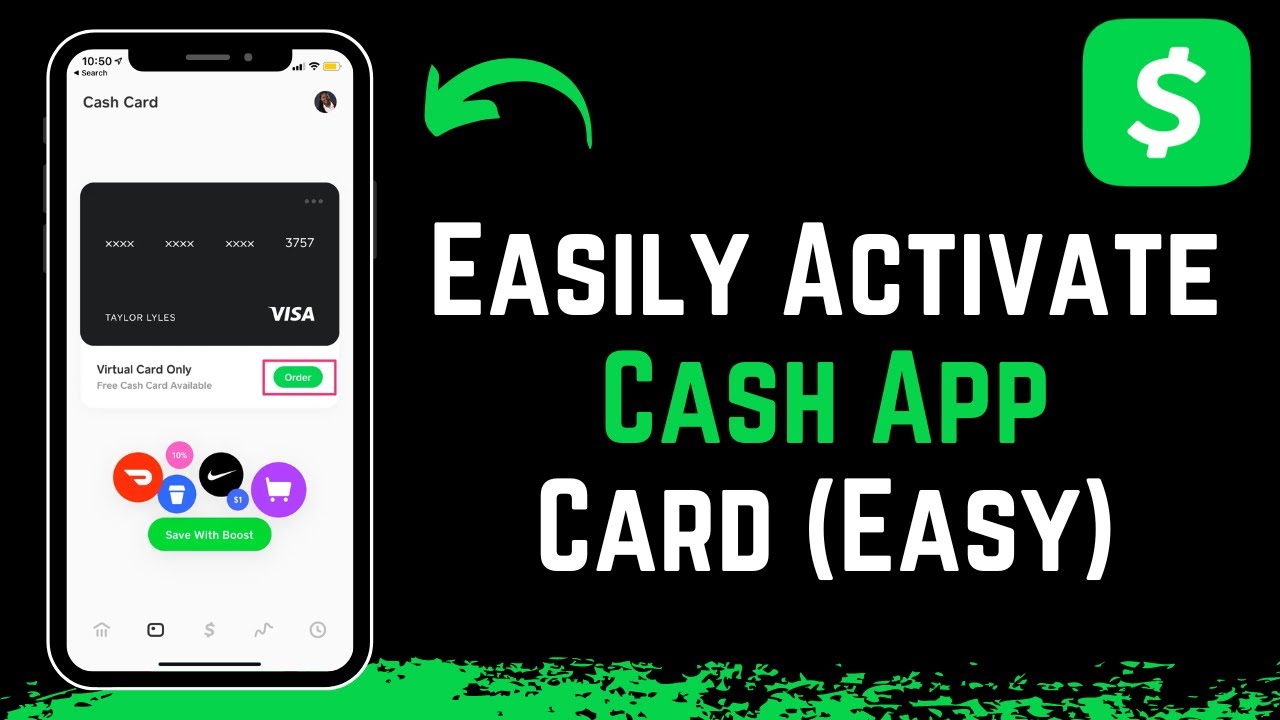
This guide will demystify the process of using your Cash App Card, transforming it from a mere piece of plastic into a robust instrument for everyday transactions, smart savings, and effective financial management. Whether you’re a new user looking to activate your card or an experienced one seeking to maximize its features, understanding the nuances of the Cash App Card can significantly enhance your financial agility and control. We’ll delve into everything from initial setup and daily spending to leveraging exclusive benefits and ensuring the security of your funds, all viewed through the lens of personal finance.
1. Getting Started: Activation, Funding, and Initial Setup
The journey with your Cash App Card begins with its proper activation and ensuring your Cash App balance is ready for spending. These initial steps are crucial for seamlessly integrating the card into your financial routine, laying the groundwork for all subsequent transactions and benefits. Understanding how to correctly set up and fund your card is the first lesson in responsible digital money management.
Activating Your Physical Cash App Card
Upon receiving your personalized Cash Card in the mail, the first critical step is activation. This process securely links the physical card to your Cash App account, ensuring that any funds available in your Cash App balance can be accessed through the card. The activation process is designed to be straightforward, typically requiring you to enter the CVV and expiration date from your card directly into the Cash App. This simple act not only verifies your receipt of the card but also initiates its readiness for use. Without activation, the card remains an inert piece of plastic, unable to facilitate any financial transactions. It’s a fundamental security measure, preventing unauthorized use should the card fall into the wrong hands before it reaches you. Always activate your card as soon as it arrives to prevent delays in accessing your funds.
Linking Your Cash App Card to Digital Wallets
In today’s digital-first world, the convenience of tap-to-pay is unparalleled. Your Cash App Card isn’t limited to physical swiping or inserting; it can be seamlessly integrated into popular digital wallets such as Apple Pay and Google Pay. This integration significantly enhances convenience and adds an extra layer of security. By adding your Cash Card to a digital wallet, you can make contactless payments at millions of merchants worldwide, often without needing to carry the physical card itself. The process usually involves opening your digital wallet app, selecting the option to add a new debit card, and either scanning your Cash Card or manually entering its details. This step is a smart financial move, reducing the risk of card information theft at point-of-sale terminals and often providing a quicker, more efficient checkout experience. For those who prioritize speed and security in their transactions, linking your card to a digital wallet is an indispensable part of modern money management.
Funding Your Cash App Balance: The Source of Your Spending Power
The utility of your Cash App Card is directly tied to the funds available in your Cash App balance. Without money in your account, the card cannot be used for transactions. Understanding how to effectively fund your Cash App is paramount to using your card efficiently. There are several convenient methods to add money to your Cash App:
- Linking a Bank Account: This is the most common method. By securely linking your external bank account (checking or savings) to your Cash App, you can easily transfer funds from your bank to your Cash App balance. This process is typically instant for smaller amounts and can take a few business days for larger transfers, offering flexibility based on your financial needs.
- Direct Deposit: For many, the Cash App offers the ability to set up direct deposit for paychecks, government benefits, or tax refunds. This feature allows your income to be deposited directly into your Cash App account, often making funds available sooner than traditional banks. This is a powerful financial tool for managing regular income and can simplify budgeting.
- Adding Cash at Retailers: Cash App has partnered with various retailers, allowing users to add physical cash to their Cash App balance. You simply generate a barcode in the app and present it to the cashier, who will scan it and accept your cash, instantly crediting your Cash App. This method is particularly useful for those who deal primarily in cash or need to quickly add funds on the go.
- Receiving Money from Others: Other Cash App users can send money directly to your account, which immediately reflects in your balance and becomes accessible via your Cash Card. This is a convenient way to receive payments from friends, family, or even clients for casual work.
Each funding method offers a different pathway to ensuring your Cash Card is always ready for use, allowing you to choose the option that best fits your financial lifestyle and immediate needs. Effective management of these funding sources is key to maintaining control over your personal finances.
2. Making Transactions: Spending and Withdrawing Funds
Once your Cash App Card is activated and funded, its primary purpose comes to the forefront: facilitating financial transactions. From daily purchases to accessing physical cash, the Cash Card behaves much like any other debit card, but with the added convenience of being integrated into the Cash App ecosystem. Mastering its use for various transactions is central to leveraging its full financial potential.
Using Your Cash App Card for Purchases (Online & In-Store)
The Cash App Card functions as a standard Visa debit card, making it widely accepted wherever Visa is. This means you can use it for a vast array of purchases, both online and at brick-and-mortar stores.
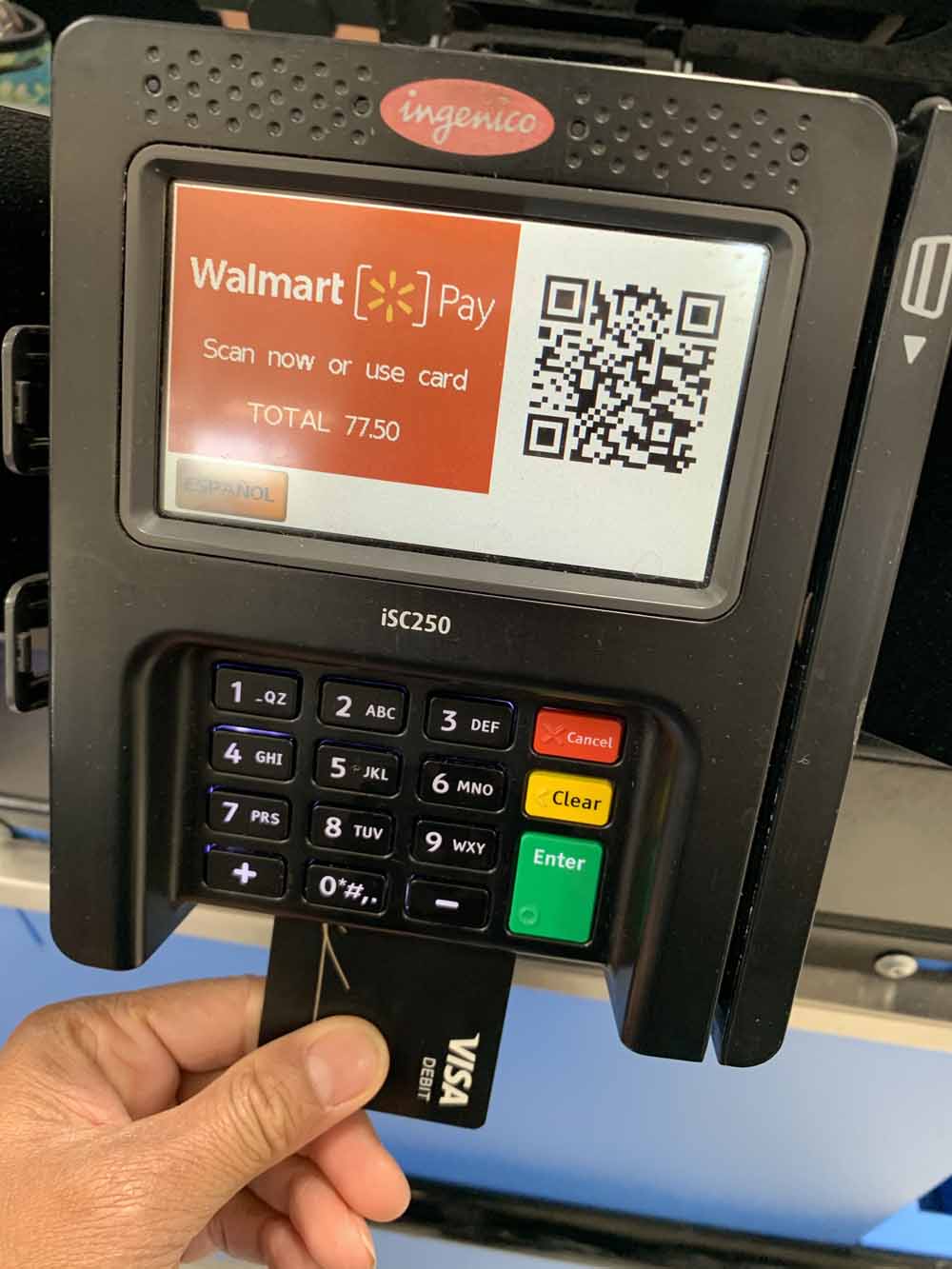
- In-Store Purchases: For physical transactions, you can swipe, insert (chip reading), or tap (contactless payment) your Cash Card at point-of-sale terminals. When prompted, you’ll either sign for the purchase or enter your PIN. Using your PIN adds an extra layer of security and is often preferred for debit transactions. When using contactless payment via a digital wallet (Apple Pay/Google Pay), simply hold your phone near the reader. This process is identical to using any traditional bank debit card, making it intuitively familiar for most users.
- Online Purchases: For online shopping, you’ll input your Cash Card number, expiration date, and CVV (the three-digit security code on the back) into the merchant’s payment portal, just as you would with any other debit or credit card. Some online retailers may also support digital wallet payments, offering an even quicker checkout process.
The seamless integration of your Cash App balance with your card means that every purchase directly debits from your available funds. This direct link makes the Cash Card an excellent tool for budgeting, as you’re spending only what you have, preventing overdrafts or accumulation of debt. Regular monitoring of your transactions through the Cash App activity feed can further reinforce healthy spending habits and provide real-time insights into your financial outflows.
ATM Withdrawals and Cash Back: Accessing Physical Cash
While digital payments are increasingly prevalent, there are still situations where physical cash is necessary. Your Cash App Card provides convenient options for accessing your funds in physical form.
- ATM Withdrawals: You can use your Cash App Card at any ATM that accepts Visa. Simply insert your card, enter your PIN, and select “withdrawal” from your checking account. It’s important to be aware of potential ATM fees. While Cash App itself doesn’t charge for ATM withdrawals, the ATM operator might. However, Cash App offers a significant financial benefit: if you have at least $300 in qualifying direct deposits each month, Cash App will reimburse fees charged by ATM operators for up to three withdrawals per month (up to $7 in fees per withdrawal). This feature can represent substantial savings for regular ATM users, making the Cash Card a more attractive option than many traditional bank debit cards for cash access.
- Cash Back at Point-of-Sale: Many retailers offer “cash back” options during debit card purchases. When making a purchase, you can ask for an additional amount of cash to be added to your transaction. This is a convenient way to get small amounts of cash without having to find an ATM, often without additional fees from the merchant. This option essentially turns everyday purchases into mini-ATM visits, providing flexibility in managing your liquid funds.
Careful consideration of ATM fees and the availability of cash back options allows you to manage your physical cash needs more cost-effectively, demonstrating how the Cash Card integrates intelligently into your broader financial strategy.
Understanding Transaction Limits and Fees
Responsible financial management with any debit card involves understanding its associated limits and potential fees. The Cash App Card is no exception.
- Transaction Limits: Cash App imposes certain daily and weekly limits on spending and ATM withdrawals. These limits are in place for security reasons and to comply with financial regulations. For instance, there might be a daily spending limit for purchases and a separate daily limit for ATM withdrawals. These limits can vary and may increase over time as your account activity and verification status grows. It’s crucial to be aware of these limits, especially for larger purchases or when planning significant cash withdrawals, to avoid unexpected transaction declines. You can typically find your specific limits within the Cash App settings or FAQ sections.
- Fees: While Cash App prides itself on being largely free, certain actions might incur fees. As mentioned, ATM operators may charge fees, though these can be reimbursed under specific conditions. Other potential fees might relate to instant transfers from your Cash App balance to an external linked debit card (as opposed to standard transfers, which are free but take 1-3 business days). Additionally, if you use your Cash Card for international transactions, foreign transaction fees might apply, though Cash App generally does not charge these. It’s always wise to review Cash App’s official terms of service for the most current and comprehensive information on all potential fees. Being informed about these financial details allows for more accurate budgeting and prevents surprises.
Understanding these operational aspects ensures you use your Cash App Card both effectively and economically, integrating it smoothly into your personal financial ecosystem.
3. Maximizing Value: Cash Card Boosts and Financial Benefits
Beyond its core function as a spending tool, the Cash App Card offers unique features designed to add tangible value to your financial life. The “Boosts” program and the benefits of direct deposit are prime examples of how the Cash Card goes beyond a standard debit card, providing opportunities for savings and enhanced financial flexibility. Leveraging these features is key to maximizing the financial benefits of using Cash App.
Leveraging Cash Card Boosts for Savings
One of the most compelling features of the Cash App Card is its “Boosts” program. Boosts are instant discounts applied directly to your purchases when you use your Cash Card at specific merchants. This isn’t a rewards program where you accumulate points; it’s immediate savings deducted from your transaction total at the point of sale.
- How Boosts Work: Within the Cash App, you can browse a rotating selection of available Boosts. These might include discounts at popular coffee shops, restaurants, online retailers, or even for specific types of purchases like groceries or travel. Before making a purchase, you simply select and activate a desired Boost in the app. The next time you use your Cash Card at that eligible merchant, the discount is automatically applied.
- Financial Impact: The financial impact of Boosts can be significant. By strategically activating Boosts for merchants you frequent, you can effectively reduce your everyday spending without changing your habits. For example, a 10% off Boost at your favorite coffee shop can translate to considerable savings over a month or a year. This makes the Cash Card a smart tool for frugal spending and budgeting, as it directly impacts your financial outflows. It encourages users to be mindful of where they spend and how they can save, adding a dynamic layer to personal financial planning. Regular checks of the available Boosts can reveal new opportunities for savings, turning routine purchases into opportunities for financial optimization.
Direct Deposit Benefits: Faster Access to Your Funds
The ability to set up direct deposit with your Cash App account offers a powerful financial advantage, transforming Cash App into a primary banking alternative for many. When you route your paycheck, government benefits, or tax refunds directly to your Cash App, you unlock several key benefits:
- Faster Access to Funds: Many users report receiving their direct deposits up to two days earlier than with traditional banks. This accelerated access to your income can significantly improve cash flow management, allowing you to pay bills sooner, avoid late fees, or simply have funds available when you need them most. For individuals living paycheck to paycheck, this can be a critical financial lifeline.
- Eligibility for Enhanced Features: Having an active direct deposit often qualifies you for higher transaction limits and exclusive features within Cash App. As previously mentioned, consistent direct deposits can lead to reimbursement of ATM fees, adding another layer of cost-saving.
- Simplified Financial Management: Consolidating your income into your Cash App account simplifies your financial overview. All your incoming funds and outgoing card transactions are visible in one place, making it easier to track spending, monitor balances, and adhere to a budget. This streamlined approach to managing your primary income source fosters greater financial control and reduces the complexity often associated with multiple banking relationships.
Embracing direct deposit with Cash App is a strategic move for anyone looking to optimize their cash flow, reduce fees, and simplify their financial management, leveraging the platform beyond just peer-to-peer payments.
Building a Spending Habit with Cash App
The Cash App Card, combined with the app’s features, can be a potent tool for cultivating disciplined spending habits. Its design inherently encourages a “spend what you have” mentality, fostering a healthier relationship with money.
- Real-time Balance Awareness: Since the Cash Card directly draws from your Cash App balance, every transaction provides real-time feedback on your available funds. This immediate visibility helps prevent overspending and reinforces the concept of living within your means. The psychological impact of seeing your balance decrease instantly can be a powerful motivator for conscious spending.
- Transaction Categorization (Manual): While Cash App doesn’t offer robust automatic categorization like some budgeting apps, reviewing your transaction history manually within the app allows you to categorize your spending in your mind or a separate budgeting tool. This regular review encourages you to understand where your money is going, identify spending patterns, and make informed adjustments to your budget.
- Budgeting with Boosts: The Boosts program can be integrated into your budgeting strategy. By deliberately choosing Boosts for essential or frequent purchases, you are actively seeking ways to reduce expenses within your budget categories. This proactive approach to saving makes budgeting an engaging and rewarding process rather than a restrictive one.
By actively engaging with the Cash App Card’s features, users can transform it into more than just a payment method; it becomes an active partner in building and maintaining responsible financial habits, ultimately contributing to better personal finance outcomes.
4. Security and Financial Management
In the realm of digital finance, security is paramount. The convenience offered by the Cash App Card must be balanced with robust measures to protect your funds and personal information. Effective financial management also involves proactive monitoring and knowing how to respond to potential issues. Cash App provides several tools and features designed to empower users in safeguarding their financial assets.
Protecting Your Cash App Card and Account
Safeguarding your Cash App Card and account is a shared responsibility between you and Cash App. While Cash App employs advanced security protocols, your active participation is crucial.
- PIN Security: Your Personal Identification Number (PIN) is your primary defense against unauthorized transactions. Never share your PIN with anyone, memorize it rather than writing it down, and avoid using easily guessable numbers (like birthdays or sequential digits). Regularly changing your PIN can also add an extra layer of security.
- Fingerprint/Face ID: Enable biometric authentication (Fingerprint or Face ID) for accessing your Cash App. This adds a powerful layer of security, ensuring that even if someone gains access to your device, they cannot open your Cash App or authorize transactions without your unique biometric identifier.
- Immediate Card Locking: One of the most critical security features is the ability to instantly lock your Cash App Card directly from the app. If you misplace your card, suspect it’s been stolen, or simply want to prevent any unauthorized use, a single tap can disable all transactions. This immediate control over your card is a game-changer, providing peace of mind and significantly reducing the risk of financial loss compared to waiting for a traditional bank to process a card freeze. Unlocking it is just as simple when you’ve recovered it.
- Beware of Scams: Be vigilant against phishing attempts, fake customer support, or requests for your login credentials or PIN. Cash App will never ask for your PIN via email or phone. Understanding common scam tactics is a vital part of protecting your digital finances.
By actively utilizing these security features and maintaining good digital hygiene, you significantly reduce the risk of fraud and keep your money safe.
Monitoring Transactions and Account Activity
Proactive monitoring of your Cash App account is a cornerstone of responsible financial management and an essential fraud prevention strategy.
- Regular Activity Review: Make it a habit to regularly check your transaction history within the Cash App. The activity tab provides a clear, chronological record of all your incoming and outgoing funds, including card purchases, ATM withdrawals, and peer-to-peer transfers.
- Promptly Identify Unauthorized Transactions: By reviewing your activity, you can quickly spot any transactions you don’t recognize. Early detection of suspicious activity is crucial. The sooner you identify an unauthorized charge, the faster you can take action to report it and potentially recover funds. This vigilance not only protects your current balance but also helps prevent further fraudulent activity.
- Budgeting Insights: Beyond security, monitoring transactions provides invaluable insights into your spending habits. It allows you to see exactly where your money is going, helping you to stick to a budget, identify areas for cost reduction, and make more informed financial decisions. This real-time financial transparency is a significant benefit of using the Cash App Card as a primary financial tool.
Reporting Lost or Stolen Cards
Despite best efforts, cards can sometimes be lost or stolen. Knowing the immediate steps to take is crucial for protecting your funds.
- Instant Lock via App: As soon as you realize your card is missing, immediately open your Cash App and use the “Lock Card” feature. This is the fastest and most effective way to prevent unauthorized transactions.
- Order a Replacement Card: Once your card is locked, you can easily order a replacement directly through the app. Your old card will be permanently deactivated, and a new one will be mailed to your verified address. Your balance remains safe in your Cash App account, accessible once the new card arrives or through other Cash App functions.
- Report Fraudulent Transactions: If you notice any unauthorized transactions before or after locking your card, report them immediately through the Cash App support channels. Prompt reporting increases the likelihood of recovering your funds and helps Cash App investigate and prevent future fraud.
Taking swift action in such situations minimizes potential financial damage and ensures the continued security of your Cash App balance.
5. Common Scenarios and Support
Even with careful use, questions or issues may arise. Knowing how to troubleshoot common scenarios and where to find reliable support is an integral part of effectively managing your finances with the Cash App Card. This knowledge empowers you to resolve problems quickly and confidently, maintaining seamless access to your funds and services.
What to Do If a Transaction Fails
Occasionally, a Cash App Card transaction might be declined. Understanding the common reasons and the steps to take can prevent frustration and resolve the issue quickly.
- Insufficient Funds: The most frequent reason for a declined transaction is an insufficient Cash App balance. Always check your available balance in the app before making a significant purchase. If funds are low, you’ll need to add money to your account using one of the funding methods discussed earlier.
- Incorrect PIN: Entering an incorrect PIN several times can lead to your card being temporarily locked for security reasons. If you suspect this is the case, try to reset your PIN within the app.
- Transaction Limits Exceeded: Remember that Cash App has daily and weekly spending and withdrawal limits. If your purchase exceeds these limits, the transaction will be declined. You might need to adjust your spending plans or wait until your limits reset.
- Merchant Issues: Sometimes, the problem lies with the merchant’s payment terminal or network. If you suspect this, try the transaction again, or inquire with the merchant.
- Security Holds: For unusual or large transactions, Cash App’s security system might place a temporary hold. If you believe this is the case, contacting support can help resolve it.
When a transaction fails, first check your Cash App balance and recent activity for clues. If the issue persists, move on to contacting support. Proactive checks can often resolve these issues before they escalate into significant inconveniences.
Understanding Refunds and Disputes
Navigating refunds and disputes is a crucial aspect of consumer financial protection. The process for your Cash App Card is generally similar to other debit cards, but with some specific considerations.
- Merchant Refunds: If you return an item purchased with your Cash App Card, the merchant will typically process a refund back to the original payment method. This means the funds will be credited back to your Cash App balance. Refunds can take several business days to appear, depending on the merchant’s processing times and banking networks. Always retain receipts for returns.
- Disputing Unauthorized or Incorrect Transactions: If you identify an unauthorized transaction (fraud) or believe a legitimate charge is incorrect (e.g., charged twice, wrong amount, goods not received), you have the right to dispute it. The first step is often to contact the merchant directly to try and resolve the issue. If that’s unsuccessful, you can initiate a dispute through Cash App.
- How to Dispute: Within the Cash App, find the transaction in your activity feed, select it, and look for an option to “Report a Problem” or “Dispute.” You’ll be asked to provide details about why you’re disputing the charge. Cash App will then investigate the claim, which may involve contacting the merchant. It’s important to provide as much evidence as possible (receipts, communication with the merchant, etc.).
- Timeline: Disputes can take time to resolve, often several weeks, as they involve communication between Cash App, the merchant’s bank, and the Visa network. During this period, funds may be temporarily credited back to you while the investigation is ongoing, but they can be reclaimed if the dispute is found in the merchant’s favor.
Understanding the refund and dispute process ensures that you are prepared to protect your financial interests when transactions don’t go as planned.
Contacting Cash App Support
For issues that cannot be resolved through self-help or routine troubleshooting, contacting Cash App support is the next logical step. Knowing how to reach them effectively is essential.
- In-App Support: The most recommended and secure way to contact Cash App support is directly through the app. Navigate to your profile icon, scroll down, and select “Support” or “Cash App Support.” This method typically guides you through common FAQs and allows you to initiate a chat or email conversation with a support agent if your issue isn’t resolved by the articles. Using in-app support ensures your identity is verified and helps prevent you from falling victim to phishing scams.
- Official Website: Cash App’s official website also offers a comprehensive support section with FAQs and contact options.
- Phone Support (Limited): While Cash App primarily relies on in-app and email support, limited phone support may be available for specific issues, often reached after initiating contact through the app. Be wary of unofficial phone numbers found online, as these are frequently scam attempts.
When contacting support, be prepared to provide relevant details about your issue, including transaction IDs, dates, and clear descriptions. Patiently following their instructions will lead to the most effective resolution of your financial concerns.
The Cash App Card, when utilized thoughtfully, transcends its basic function as a payment tool. It becomes a versatile financial instrument that offers security, convenience, and unique benefits, all within the robust ecosystem of Cash App. By understanding its features, actively managing your account, and staying vigilant, you can confidently integrate your Cash App Card into your daily financial life, optimizing your spending, saving, and overall money management.
aViewFromTheCave is a participant in the Amazon Services LLC Associates Program, an affiliate advertising program designed to provide a means for sites to earn advertising fees by advertising and linking to Amazon.com. Amazon, the Amazon logo, AmazonSupply, and the AmazonSupply logo are trademarks of Amazon.com, Inc. or its affiliates. As an Amazon Associate we earn affiliate commissions from qualifying purchases.