
In an increasingly digital world, applications like Cash App have revolutionized the way we send, receive, and manage money. From splitting dinner bills with friends to receiving direct deposits, Cash App offers unparalleled convenience. However, the ultimate utility of any financial tool lies in its ability to allow users seamless access to their funds. “Cashing out” isn’t just a technical step; it’s a critical component of personal finance, ensuring liquidity and control over your hard-earned money. This guide delves into the various methods of withdrawing money from your Cash App balance, examining the financial implications, best practices, and security considerations to help you manage your digital assets effectively and confidently.
Understanding Cash App’s Cash-Out Mechanisms
Accessing your money from Cash App primarily revolves around two main transfer types: standard and instant deposits to your linked bank account, and direct ATM withdrawals via the Cash Card. Each method offers distinct advantages and comes with its own financial considerations, making it crucial for users to understand the nuances to make informed decisions.
Instant vs. Standard Deposits: What’s the Financial Implication?
The choice between an instant and a standard deposit significantly impacts both the speed at which you access your funds and the cost associated with that convenience.
-
Standard Deposits: These transfers typically take 1-3 business days to reach your linked bank account. Critically, Cash App does not charge a fee for standard deposits. From a personal finance perspective, this is the most economical option. If your financial needs are not time-sensitive, opting for a standard transfer allows you to retain 100% of your funds, aligning with prudent financial management principles that prioritize cost savings. It requires a bit of foresight and planning, ensuring you initiate transfers well in advance of when the funds are needed. This approach avoids unnecessary expenditure on fees, effectively maximizing your accessible balance.
-
Instant Deposits: For those moments when you need immediate access to your money, Cash App offers instant deposits, which typically arrive in your linked bank account within minutes. The trade-off for this speed, however, is a fee. Cash App charges a 0.5% to 1.75% fee for instant deposits, with a minimum fee of $0.25. While this might seem negligible for small amounts, these fees can accumulate over time, impacting your overall financial liquidity and effective income. For instance, cashing out $1,000 instantly could incur a fee of up to $17.50, money that could otherwise be saved or invested. Financially, instant deposits should be reserved for genuine emergencies or situations where the immediate need for funds outweighs the cost of the fee. It’s essential to factor these fees into your budgeting, especially if you frequently rely on instant transfers.
Linking Your Bank Account: The Cornerstone of Digital-to-Cash Transfers
The foundation of successfully cashing out from Cash App lies in securely linking a bank account. This connection acts as the primary conduit for transferring your digital funds into a traditional financial institution, making them accessible through your bank’s services or physical cash withdrawals.
-
Importance of a Linked Bank Account: Without a linked bank account, your options for cashing out are severely limited. It provides a secure, regulated pathway for your money to move from a digital wallet to your personal banking infrastructure. For financial safety, Cash App requires bank account verification, often through micro-deposits or third-party secure authentication, to ensure the account belongs to you and to prevent fraudulent transfers. This step is crucial for maintaining the integrity of your personal finances within the Cash App ecosystem.
-
Process of Linking/Verifying: While a full technical tutorial is outside our scope, understand that linking typically involves providing your bank’s routing number and your account number. The verification process ensures that the financial tool (Cash App) is properly connected to your established financial system (your bank). This initial setup, though perhaps requiring a few minutes, is an investment in secure and efficient future financial transactions.
Step-by-Step Guide to Cashing Out Your Funds
Navigating the Cash App interface to withdraw your money is straightforward once you understand the core options. This section breaks down the practical steps involved in accessing your funds, focusing on the financial decision points along the way.
Initiating a Transfer to Your Bank Account
This is the most common method for cashing out your Cash App balance.
- Open Cash App and Navigate to the Banking Tab: This tab, often represented by a bank icon or your cash balance, is your gateway to managing funds.
- Select Your Cash Balance: Tap on your current balance. This will typically display options related to your funds.
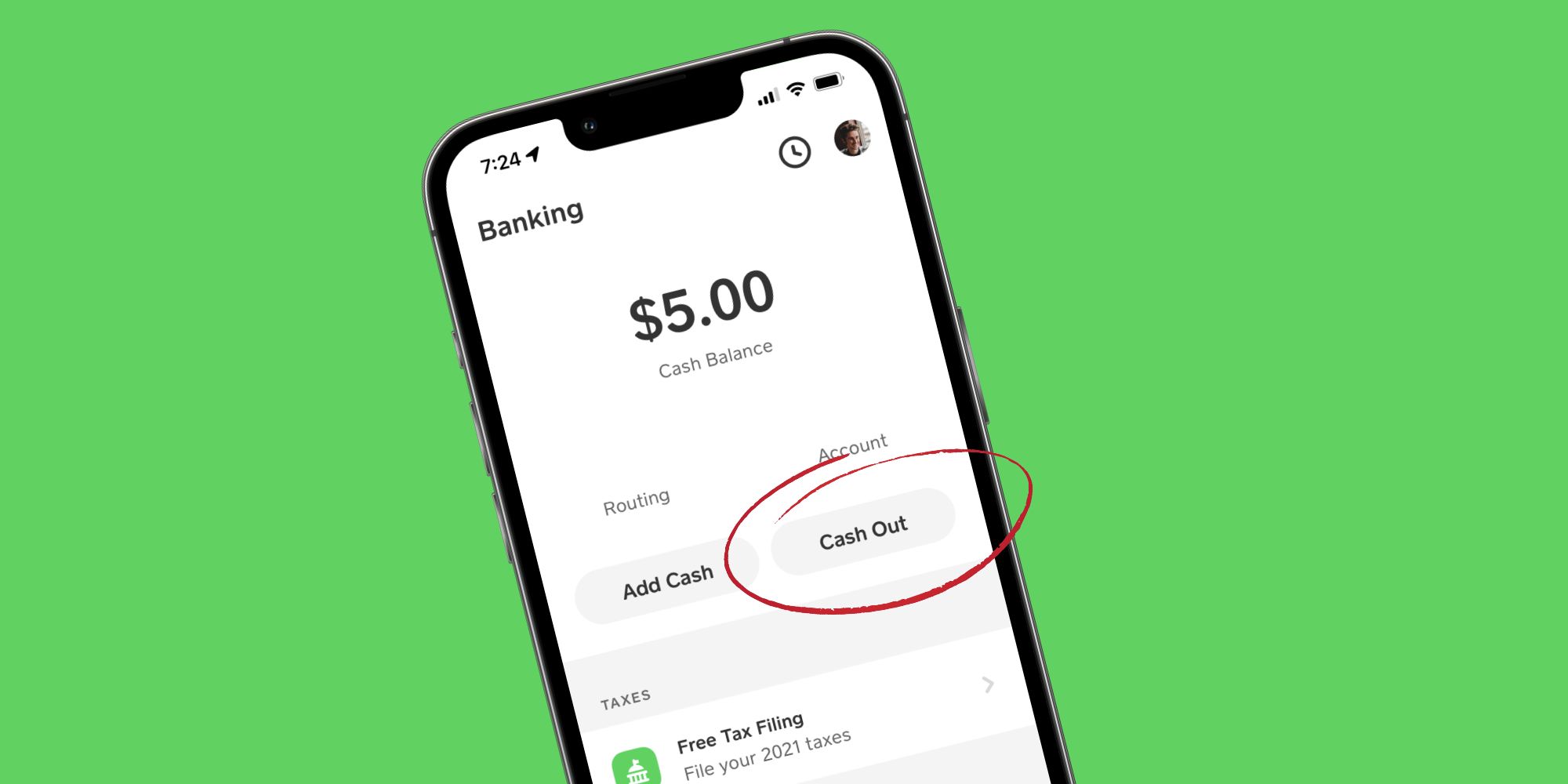
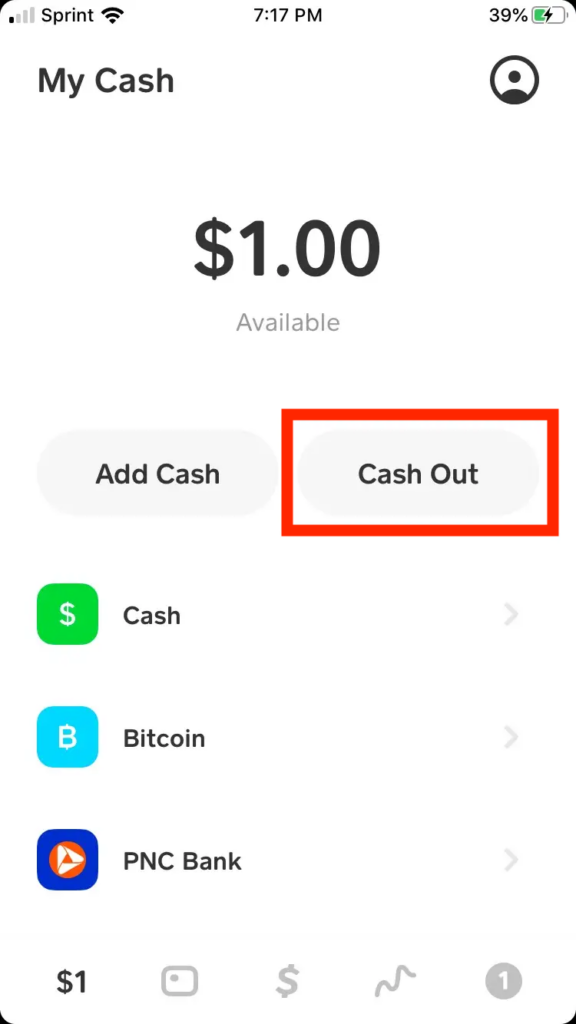
- Choose “Cash Out”: This explicit option indicates your intention to withdraw funds.
- Enter the Amount: Carefully input the exact amount you wish to transfer. This is a critical financial decision point. Ensure the amount doesn’t exceed your current balance and that it aligns with your immediate financial needs.
- Select Your Deposit Speed: Here, you’ll choose between “Standard” (free, 1-3 business days) or “Instant” (fee applies, immediate). This is where your understanding of the financial implications (cost vs. speed) comes into play. If selecting instant, note the displayed fee.
- Confirm the Transfer: Review all details – the amount, the receiving bank account, and the chosen speed/fee – before confirming. Once confirmed, the transfer is initiated. For instant transfers, the funds should appear in your bank account within minutes. For standard transfers, monitor your bank statement over the next few business days.
Utilizing the Cash Card for Direct ATM Withdrawals
The Cash Card, a free, customizable debit card linked to your Cash App balance, provides another direct pathway to your funds, especially for physical cash.
- How ATM Withdrawals Work: Once you have a Cash Card, you can use it at any ATM that accepts Visa (or Mastercard, depending on your card issuer). Simply insert your card, enter your PIN, and select “Withdrawal” from your checking account. The funds are drawn directly from your Cash App balance.
- Potential Fees: While Cash App itself doesn’t charge a fee for ATM withdrawals (if you have qualifying direct deposits), the ATM operator might impose their own fees. These “surcharge fees” are common and vary widely. From a financial management perspective, it’s wise to be aware of these potential costs. Some ATMs in networks like Allpoint offer fee-free withdrawals for Cash App users with direct deposit. Always check for fee disclosures at the ATM before proceeding.
- Daily/Weekly Limits: The Cash Card has daily withdrawal limits (e.g., $310 per transaction, $1,000 per day) and weekly limits. These are important for financial planning, especially if you need to access a large sum of physical cash. Understanding these limits prevents unexpected roadblocks when trying to access your funds.
Sending Funds to Another Cash App User (Peer-to-Peer Transfers)
While not a direct “cash out” to your own traditional bank account or physical cash, sending money to another Cash App user effectively moves funds off your balance. This is a crucial feature for managing peer-to-peer financial interactions.
- Scenarios for Use: This method is financially useful for splitting expenses with friends, sending money to family members, or paying for goods/services where the recipient also uses Cash App. It bypasses bank transfers entirely, making it instantaneous between users.
- No Direct Conversion to Physical Cash for Sender: It’s important to remember that sending money to another user means the funds remain digital for the sender. The recipient then has the option to cash out to their bank account or use their Cash Card. This distinction is vital for understanding your own liquidity.
Managing Your Funds: Financial Best Practices and Considerations
Beyond the mechanics of cashing out, effective money management with Cash App involves understanding fees, prioritizing security, and planning around limitations. These are core tenets of sound personal finance.
Understanding Fees and Their Impact on Your Net Funds
Fees, particularly those for instant deposits, directly reduce the net amount you receive. For a personal finance expert, minimizing fees is paramount.
- Detailed Breakdown: Reiterate that instant deposit fees range from 0.5% to 1.75%. For every $100 you cash out instantly, you could lose up to $1.75. Over a year, if you perform frequent instant cash-outs, this can significantly erode your savings or disposable income.
- Tips for Minimizing Fees: The primary strategy is to use standard deposits whenever possible. Planning ahead for your financial needs allows you to take advantage of the free transfer option. If you regularly receive income through Cash App, consider setting up direct deposit to qualify for fee-free ATM withdrawals, further reducing costs.
Security Measures for Protecting Your Financial Assets
The convenience of digital finance tools comes with the responsibility of safeguarding your assets. Financial security is non-negotiable.
- PINs, Face ID, Two-Factor Authentication: Always enable these security features within Cash App. A strong PIN or biometric authentication (Face ID/fingerprint) prevents unauthorized access to your funds if your phone is lost or stolen. Two-factor authentication adds an extra layer of security, typically requiring a code sent to a linked email or phone number for certain transactions.
- Awareness of Phishing and Scams: Be vigilant against phishing attempts, which are fraudulent messages designed to trick you into revealing your login credentials or personal financial information. Cash App will never ask for your PIN or full login details via email or unsolicited messages. Always verify the sender and legitimacy of any communication before clicking links or sharing information. Understanding common scam tactics (e.g., “cash flipping” schemes) is vital for protecting your money.
- Regular Transaction Monitoring: Periodically review your Cash App transaction history. Promptly report any suspicious or unauthorized activity to Cash App support. This proactive approach is a cornerstone of financial fraud prevention.
Limits and Financial Planning
Cash App, like most financial platforms, imposes limits on transactions to manage risk and comply with regulations. Understanding these limits is critical for effective financial planning.
- Withdrawal Limits: Be aware of the daily, weekly, and monthly limits for both bank transfers and ATM withdrawals. These limits might be lower for unverified accounts. For example, some users might have a $2,500 weekly limit for sending money and a $7,500 weekly limit for receiving. ATM withdrawal limits are typically around $1,000 per day.
- Impact on Larger Transactions: If you need to withdraw a sum exceeding these limits, you’ll need to plan multiple transfers over several days or explore alternative financial tools. For larger financial commitments or emergencies, knowing these constraints helps you avoid liquidity issues.
- Tips for Planning: If you anticipate needing a large sum of money from Cash App, plan to initiate standard transfers well in advance. For ATM withdrawals, consider splitting the amount over several days to stay within daily limits. For higher limits, ensure your Cash App account is fully verified by providing necessary personal information.
Troubleshooting Common Cash-Out Issues and Their Financial Resolutions
Even with careful planning, sometimes issues arise. Knowing how to troubleshoot common problems from a financial perspective can save you time and stress.
Addressing Delayed Transfers or Pending Statuses
A “pending” status can be frustrating, especially when you need funds urgently.
- Common Causes: Delays often stem from bank processing times, especially if the transfer is initiated outside of business hours or on weekends/holidays. Network congestion or temporary system issues with Cash App or your bank can also cause delays.
- What to Do: First, check your bank account statement (not just your Cash App activity) to confirm the transfer hasn’t arrived. If a standard transfer is taking longer than 3 business days (excluding weekends/holidays), or an instant transfer hasn’t arrived within an hour, contact Cash App support. Provide them with the transaction ID and any relevant details. From a financial standpoint, if these funds are critical, having a backup emergency fund or alternative access to funds is paramount.
Overcoming Account Verification Challenges
Verification is key to unlocking higher limits and enhancing security.
- Why Verification is Crucial: Unverified accounts often have lower sending and receiving limits, which directly impacts your ability to cash out larger sums. Verification helps Cash App comply with financial regulations and ensures the legitimacy of transactions.
- Steps to Resolve: If you’re encountering verification issues (e.g., identity not confirmed), double-check that all provided information (name, date of birth, last four digits of SSN) exactly matches official records. Sometimes, providing a government-issued ID is required. Follow Cash App’s specific instructions. Resolving verification issues is a financial imperative if you plan to use Cash App for significant transactions.
What to Do if Your Cash Card is Lost or Stolen
Losing your Cash Card is a financial security concern, but quick action can mitigate risks.
- Immediate Financial Protection: The very first step is to immediately lock your Cash Card through the Cash App. Go to the Cash Card tab, tap the card image, and toggle the “Enable Cash Card” off. This prevents any unauthorized transactions.
- Reporting to Cash App: Report the lost or stolen card within the app. Cash App can then cancel the card and help you order a replacement.
- Impact on Direct Access: While your digital balance remains secure within Cash App (assuming your account is protected with a PIN/Face ID), you will temporarily lose the ability to make physical purchases or ATM withdrawals until your replacement card arrives. This highlights the importance of having multiple avenues for accessing your funds (e.g., a linked bank account).
Conclusion
Cash App is an undeniably powerful financial tool that offers immense flexibility for managing digital funds. However, truly harnessing its power means mastering the art of cashing out effectively and securely. By understanding the distinction between instant and standard deposits, prudently managing fees, leveraging the convenience of the Cash Card, and prioritizing robust security measures, users can ensure seamless access to their money. Effective financial management in the digital age requires not just the ability to transact, but the wisdom to do so intelligently, securely, and with a clear understanding of all implications. With this comprehensive guide, you are now equipped to navigate the process of cashing out from Cash App with confidence and control, reinforcing your command over your personal finances.
aViewFromTheCave is a participant in the Amazon Services LLC Associates Program, an affiliate advertising program designed to provide a means for sites to earn advertising fees by advertising and linking to Amazon.com. Amazon, the Amazon logo, AmazonSupply, and the AmazonSupply logo are trademarks of Amazon.com, Inc. or its affiliates. As an Amazon Associate we earn affiliate commissions from qualifying purchases.