
The decision to purchase a used car is often a financially savvy one, offering a compelling blend of value, reduced depreciation, and access to a wider range of vehicles within a given budget. However, the path to finding the right pre-owned vehicle is paved with numerous choices, each with its own financial implications, benefits, and potential pitfalls. This guide will walk you through the essential financial considerations and avenues for purchasing a used car, ensuring you make an informed decision that aligns with your personal finance goals. From understanding your budget to finalizing the transaction, every step is crucial in securing a reliable vehicle without overextending your finances.
Understanding Your Financial Readiness Before You Shop
Before you even begin to browse listings or visit dealerships, the most critical step is a thorough assessment of your financial standing. This foundational work will dictate the type of car you can realistically afford, the purchasing avenue best suited for your situation, and ultimately, prevent buyer’s remorse caused by financial strain.
Setting a Realistic Budget: More Than Just the Sticker Price
Many first-time used car buyers make the mistake of focusing solely on the advertised price. A truly realistic budget encompasses far more. Start by determining the maximum amount you can comfortably spend on the car itself, either in cash or through monthly loan payments. Factor in your existing debt obligations, income, and other essential expenses. A common guideline suggests that your total car-related expenses (payment, insurance, fuel, maintenance) should not exceed 10-15% of your net monthly income.
Beyond the purchase price, consider:
- Sales Tax: Varies by state and can add a significant percentage to the total cost.
- Registration and Licensing Fees: Annual costs required to legally operate your vehicle.
- Documentation Fees (Doc Fees): Charged by dealerships for processing paperwork. These can sometimes be negotiable.
- Insurance Premiums: Get quotes for specific models you’re considering, as rates can vary drastically based on make, model, year, and your driving history.
- Initial Maintenance: Used cars, especially older ones, may require immediate maintenance like an oil change, tire rotation, or even more significant repairs shortly after purchase. Allocate a contingency fund for this.
By calculating these additional costs upfront, you can avoid unexpected financial burdens and set a truly sustainable budget for your used car purchase.
Assessing Financing Options: Loans, Cash, and Interest Rates
How you pay for your used car has significant financial ramifications.
- Cash Purchase: Paying cash upfront avoids interest payments entirely, making it the cheapest option in the long run. It also gives you stronger negotiating power. However, ensure that depleting your savings for a car doesn’t jeopardize your emergency fund or other critical financial goals.
- Used Car Loans: If you need financing, shop for loans before you visit a dealership. Banks, credit unions, and online lenders often offer more competitive interest rates than dealership financing. Get pre-approved for a loan so you know exactly how much you can borrow and at what rate, which strengthens your position during negotiations. Your credit score will heavily influence the interest rate you receive; a higher score generally translates to lower rates and less money spent over the life of the loan.
- Leasing vs. Buying (Used): While leasing is typically for new cars, some niche programs exist for used car leases. However, for a used vehicle, outright purchase, either with cash or a loan, is almost always the more financially sound long-term choice, as you build equity and avoid lease mileage restrictions and wear-and-tear penalties.
Understand the total cost of the loan, including the principal, interest, and any associated fees. A lower monthly payment might seem attractive, but a longer loan term can mean paying significantly more in interest over time.
The Hidden Costs: Insurance, Maintenance, and Registration
As touched upon in budgeting, these ongoing costs are paramount.
- Insurance: This isn’t a “once and done” cost; it’s a recurring expense. Premiums are influenced by the car’s make, model, age, safety features, your driving record, age, location, and the type of coverage you choose. Always get multiple quotes before committing to a purchase.
- Maintenance: Used cars generally require more frequent and potentially more expensive maintenance than new cars. Research common issues for the specific make and model you’re considering. Factor in regular oil changes, tire rotations, brake pad replacements, and potential costs for major repairs like transmission or engine work as the car ages.
- Registration and Emissions Testing: Most states require annual vehicle registration and potentially periodic emissions inspections, both of which come with fees. Neglecting these can lead to fines or inability to legally operate your vehicle.
Exploring Avenues for Used Car Purchases
With your financial plan firmly in place, it’s time to explore where you can find your next used car. Each avenue presents distinct advantages and disadvantages from a financial perspective.
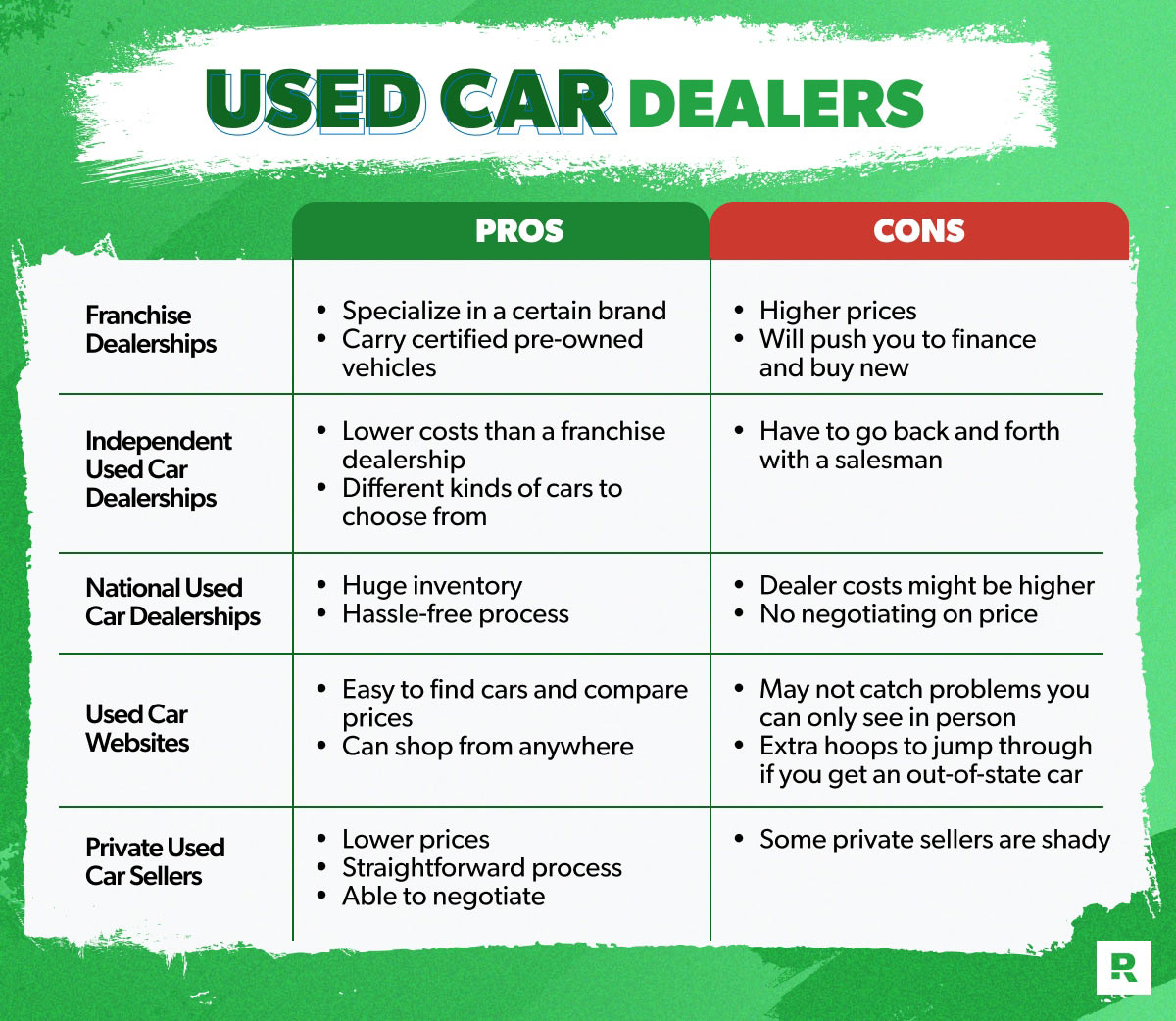
Dealerships: New Car Lots vs. Dedicated Used Car Centers
Dealerships are the most common place to buy a used car and offer varying experiences.
- New Car Dealerships (Used Car Sections): These often have a selection of trade-ins and Certified Pre-Owned (CPO) vehicles.
- Pros (Financial): CPO vehicles come with manufacturer-backed warranties, thorough inspections, and often roadside assistance, mitigating financial risks associated with unexpected repairs. Easier financing options are typically available directly through the dealership.
- Cons (Financial): Prices are generally higher than private sales due to overhead, reconditioning costs, and profit margins. Doc fees and other add-ons can inflate the price.
- Independent Used Car Dealerships: These specialize solely in used vehicles.
- Pros (Financial): Potentially lower prices than new car dealerships, more room for negotiation, and a wider variety of makes and models.
- Cons (Financial): Quality can vary significantly. Financing options might be less competitive if they primarily work with subprime lenders, potentially leading to higher interest rates. Warranties, if offered, are usually third-party and might not be as comprehensive as CPO programs.
When dealing with any dealership, be prepared to negotiate not just the car price, but also the trade-in value (if applicable) and the financing terms.
Private Sellers: Online Marketplaces and Local Listings
Buying from a private seller, often found on platforms like Craigslist, Facebook Marketplace, AutoTrader, or through local classifieds, can be financially advantageous.
- Pros (Financial): Typically the lowest prices because there’s no dealership overhead or profit margin to account for. More room for direct negotiation.
- Cons (Financial): No warranties, “as-is” sales mean you bear all future repair costs. Financing must be secured independently (e.g., a personal loan or cash). Increased risk of buying a “lemon” or a car with an undisclosed history if you don’t perform proper due diligence. The transaction process for title transfer and registration falls entirely on you.
This option demands meticulous financial due diligence, including a pre-purchase inspection and a thorough review of the vehicle history report, to mitigate financial risk.
Auctions and Specialty Sales: Unconventional but Potentially Rewarding
Public auto auctions (often selling government surplus, repossessed vehicles, or fleet cars) and specialized sales can offer deep discounts.
- Pros (Financial): Potentially significantly lower prices than any other avenue, especially if you know what you’re looking for and are comfortable with some risk.
- Cons (Financial): Very high financial risk. Vehicles are typically sold “as-is” with no opportunity for test drives or detailed inspections beforehand. You often need to pay cash upfront. Ideal for experienced mechanics or those with a high tolerance for risk and a contingency fund for immediate repairs. Not recommended for novice buyers.
Certified Pre-Owned (CPO) Programs: A Premium for Peace of Mind
CPO vehicles are a specific subset of used cars, typically found at new car dealerships. They offer a middle ground between new cars and standard used cars.
- Pros (Financial): Manufacturer-backed warranties (often extending the original factory warranty), rigorous multi-point inspections, reconditioning to factory standards, and often benefits like roadside assistance. This reduces financial risk from unexpected major repairs.
- Cons (Financial): Higher price point compared to non-CPO used cars of similar make, model, and year due to the added benefits and peace of mind.
Financial Due Diligence: Protecting Your Investment
Once you’ve identified potential vehicles and purchasing avenues, it’s crucial to perform thorough financial due diligence to protect your investment.
Vehicle History Reports: Uncovering Past Financial Burdens
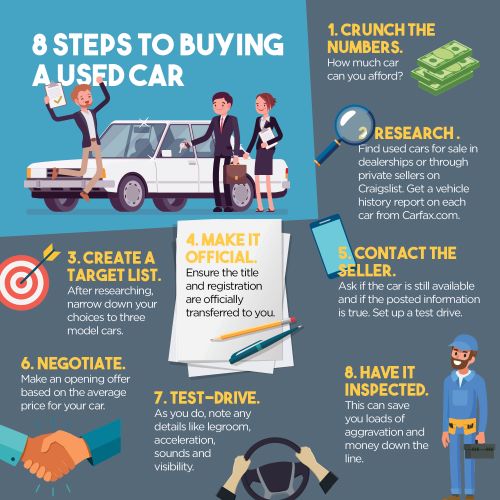
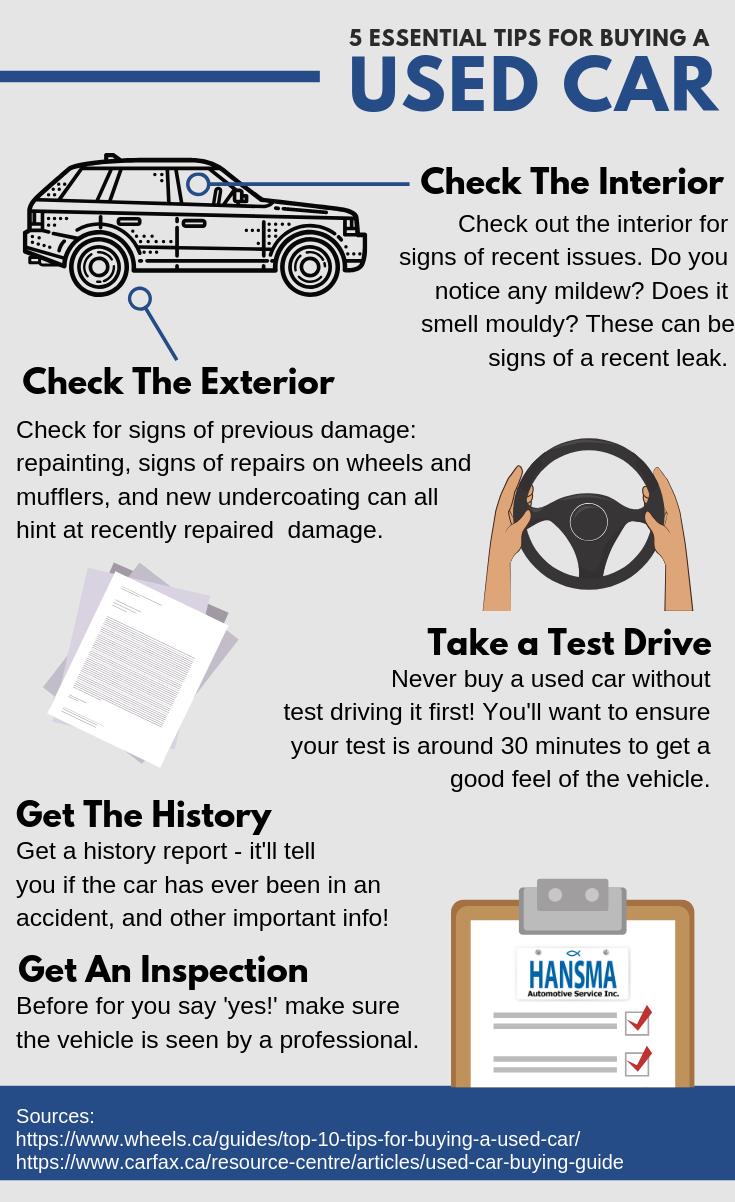
Invest in a vehicle history report (e.g., CarFax or AutoCheck) for any car you’re seriously considering. These reports can reveal:
- Accident History: Major accidents can significantly impact a car’s structural integrity and resale value, leading to future repair costs.
- Salvage or Flood Titles: These indicate severe damage and make the car difficult to insure and resell, representing a major financial red flag.
- Odometer Rollbacks: Ensures the mileage is accurate, which directly impacts value and expected lifespan.
- Service History: Can give clues about how well the previous owner maintained the vehicle, predicting future maintenance costs.
- Number of Previous Owners: More owners can sometimes indicate more wear or a car that’s been problematic.
- Lien History: Crucially, this tells you if there’s any outstanding debt on the car, ensuring you don’t inadvertently buy someone else’s financial burden.
This small investment can save you thousands in future repairs or headaches.
Pre-Purchase Inspections: A Small Cost to Avoid Large Repairs
Always, always, always get a pre-purchase inspection (PPI) from an independent, trusted mechanic before buying a used car, especially from a private seller. This is perhaps the single most important financial safeguard.
- Cost vs. Benefit: A PPI typically costs $100-$200, a minor expense compared to potential repair bills running into thousands.
- What it Reveals: A mechanic can identify existing problems (engine, transmission, brakes, suspension, rust, electrical issues) that aren’t apparent to the untrained eye, giving you leverage for negotiation or a reason to walk away from a bad deal.
- Negotiation Power: Armed with an inspection report detailing necessary repairs, you can negotiate a lower price that covers these costs.
Negotiating the Price: Strategies for Saving Money
Negotiation is a key part of buying a used car, regardless of where you buy it.
- Do Your Research: Know the market value of the specific make, model, and year you’re interested in using resources like Kelley Blue Book (KBB) or Edmunds.
- Be Prepared to Walk Away: This is your most powerful negotiating tool. Don’t fall in love with a car and feel pressured.
- Focus on the Out-the-Door Price: Dealerships might try to distract you with monthly payments. Always focus on the total price including taxes, fees, and any add-ons.
- Separate Components: If trading in a car and financing, negotiate each component separately: the purchase price of the used car, the value of your trade-in, and the financing terms.
- Don’t Disclose Your Maximum Budget Immediately: Let the seller or dealer give their price first.
Understanding Warranties and Extended Service Plans
- Manufacturer Warranties: Some used cars might still be under their original manufacturer’s warranty, offering excellent financial protection.
- Dealer Warranties: Independent dealerships might offer their own limited warranties. Read the fine print carefully, as coverage can vary widely.
- Extended Service Plans (ESPs): Often pushed by dealerships, these are essentially insurance policies against future repairs.
- Financial Considerations: While they offer peace of mind, ESPs are often expensive and may not cover all components. Calculate if the cost of the plan is genuinely worth the potential savings on repairs, or if you’re better off self-insuring by putting that money into a savings account for car repairs. Scrutinize deductibles, exclusions, and the financial stability of the company backing the plan.
The Transaction: Finalizing Your Smart Purchase
The final steps involve the transfer of ownership and ensuring all financial and legal requirements are met.
Paperwork and Title Transfer: Ensuring Legal and Financial Ownership
- Title (Pink Slip): This is proof of ownership. Ensure the seller’s name matches the name on the title, and that the title is free of any liens. If buying from a private seller, you’ll need the seller to sign the title over to you.
- Bill of Sale: A legally binding document detailing the transaction, including the buyer, seller, vehicle details, purchase price, and date. Crucial for both parties and for registration.
- Odometer Disclosure Statement: Required in many states to confirm the accuracy of the mileage.
- Lien Release: If the seller has a loan on the car, ensure they provide proof of the lien being released before or during the sale. Never pay a private seller until you are certain the lien has been cleared and they can provide a clear title.
Payment Methods: Secure and Traceable Transactions
- Cashier’s Check/Bank Check: A safe and traceable method for larger sums, typically issued by your bank.
- Wire Transfer: Also traceable, but ensure you have all documentation and confirmation before initiating.
- Personal Check: Generally not recommended for private sales due to potential fraud or bounce risk.
- Cash: Be cautious with large cash transactions for security reasons and for creating a clear paper trail for financial records.
Always ensure you receive a receipt and a clear paper trail for your payment.
Immediate Post-Purchase Financial Steps: Insurance and Registration
- Insurance: You cannot legally drive your new-to-you used car without proper insurance. Arrange coverage before you drive it off the lot or out of the seller’s driveway.
- Registration: Visit your local Department of Motor Vehicles (DMV) or equivalent agency promptly to register the car in your name and pay the necessary fees. This typically involves presenting the title, bill of sale, and proof of insurance.
Long-Term Financial Planning for Your Used Car
The financial journey with your used car doesn’t end with the purchase. Long-term planning ensures your vehicle remains a valuable asset and doesn’t become a financial drain.
Budgeting for Ongoing Maintenance and Repairs
Set aside a regular amount in a dedicated “car repair fund.” This proactive approach helps cushion the blow of unexpected repairs and allows you to address maintenance needs promptly, preventing minor issues from escalating into major, costly problems. Regular preventative maintenance, though an expense, is an investment that prolongs your car’s life and efficiency.
Planning for Future Resale Value
Even with a used car, thinking about its future resale value is a wise financial strategy.
- Maintain Records: Keep meticulous records of all maintenance, repairs, and service performed. A well-documented history can significantly boost resale value.
- Keep it Clean: Regular cleaning and minor cosmetic upkeep prevent major wear and tear and make the car more appealing when it’s time to sell.
- Address Issues Promptly: Don’t let small problems linger, as they can lead to bigger issues and detract from the car’s value.
When to Upgrade: The Financial Cycle of Car Ownership
At some point, the cost of maintaining your aging used car may outweigh its value or the benefits it provides. This is a critical financial decision. Evaluate:
- Repair Costs vs. Car Value: Is the cost of a major repair exceeding a significant percentage of the car’s current market value?
- Reliability: Is the car becoming increasingly unreliable, leading to lost time or safety concerns?
- Fuel Efficiency: Are you spending significantly more on fuel compared to newer, more efficient models?
Understanding this financial lifecycle helps you make a timely and financially sound decision about when to retire your current vehicle and begin the process of finding your next one.
In conclusion, buying a used car is a complex financial endeavor that requires careful planning, diligent research, and savvy negotiation. By thoroughly understanding your budget, exploring all purchasing avenues, performing meticulous due diligence, and preparing for long-term ownership costs, you can confidently navigate the market and secure a reliable vehicle that serves your needs without compromising your financial well-being.
aViewFromTheCave is a participant in the Amazon Services LLC Associates Program, an affiliate advertising program designed to provide a means for sites to earn advertising fees by advertising and linking to Amazon.com. Amazon, the Amazon logo, AmazonSupply, and the AmazonSupply logo are trademarks of Amazon.com, Inc. or its affiliates. As an Amazon Associate we earn affiliate commissions from qualifying purchases.