
The automotive industry, once characterized by bustling showrooms and lengthy negotiation processes, has undergone a significant digital transformation. Today, the question “where can I buy a car online?” is no longer a futuristic query but a practical pathway for millions seeking convenience, transparency, and a wider selection. This profound shift is powered by an array of sophisticated technologies, from advanced e-commerce platforms and immersive digital experiences to AI-driven personalization and secure digital transaction frameworks. Understanding these technological underpinnings is key to navigating the modern car buying journey.
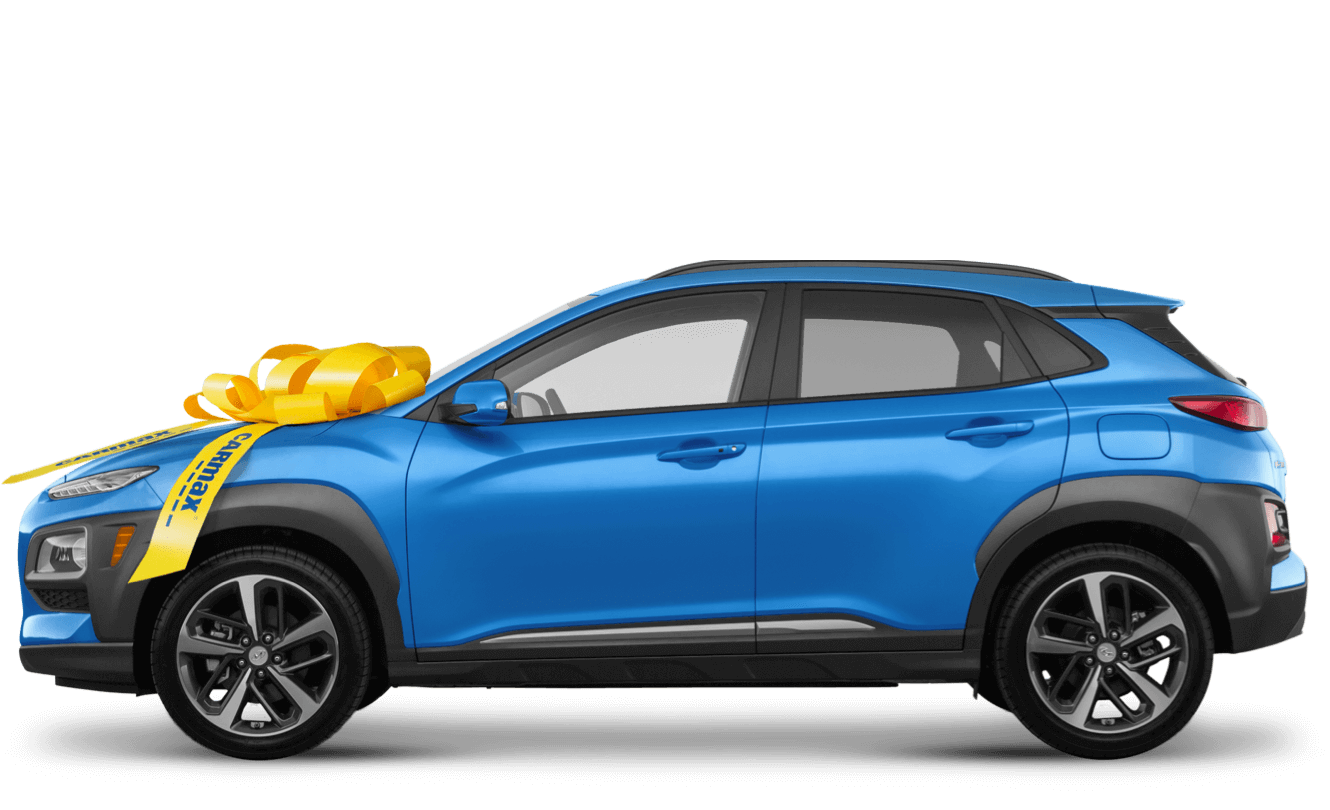
This article delves into the technological landscape that enables online car purchasing, exploring the platforms, innovations, and processes that have reshaped how we acquire vehicles. We will examine how dedicated online retailers, traditional dealerships, and even manufacturers themselves are leveraging technology to deliver a seamless and engaging car buying experience directly to your screen.
The Rise of Digital Car Marketplaces and Platforms
The internet has democratized access to information and goods, and cars are no exception. The evolution of online car buying is fundamentally a story of technological adaptation and innovation, leading to the proliferation of diverse digital platforms catering to every segment of the market. These platforms are not just websites; they are complex ecosystems built on robust e-commerce architectures, integrated logistics, and advanced data processing capabilities.
Dedicated Online Car Retailers: Pioneering the E-Commerce Model
At the forefront of the online car buying revolution are dedicated digital retailers. Companies like Carvana, Vroom, and Shift have built their entire business model around the premise of selling cars exclusively online. Their platforms are engineering marvels designed to handle high-value transactions entirely within a digital environment.
- Robust E-commerce Infrastructure: These platforms are built on highly scalable and secure e-commerce frameworks capable of managing vast inventories, processing complex financing applications, and integrating with multiple third-party services (e.g., payment gateways, shipping providers, insurance companies). The user interface is meticulously designed for intuitive navigation, akin to buying any other product online, but with the added complexities of vehicle specifications and legal documentation.
- Immersive Visual Technology: Recognizing the importance of visual inspection, these platforms heavily invest in high-resolution photography, 360-degree interior and exterior views, and detailed condition reports. Some leverage advanced photogrammetry to create highly accurate digital twins of each vehicle, allowing prospective buyers to zoom in on every scratch or imperfection, mimicking a physical inspection as closely as possible.
- Automated Logistics and Delivery Systems: A cornerstone of their tech stack is the sophisticated logistics software that manages vehicle acquisition, reconditioning, inventory management across multiple hubs, and final delivery. This includes route optimization algorithms, real-time tracking systems, and sometimes even automated “car vending machines” that exemplify the innovative use of technology to streamline the physical delivery aspect of an online purchase.
Manufacturer Direct-to-Consumer Models: Vertical Integration through Tech
Beyond third-party retailers, some automotive manufacturers have embraced a direct-to-consumer (D2C) model, cutting out traditional dealerships entirely for sales. Tesla is the quintessential example, showcasing how a manufacturer can leverage a fully integrated online platform to control the entire sales process from configuration to delivery.
- Integrated Sales and Configuration Portals: Manufacturers like Tesla and Rivian provide highly sophisticated online configurators that allow buyers to customize every aspect of their vehicle, from paint color and interior trim to battery capacity and autonomous driving features. These platforms often use advanced rendering engines to provide real-time visual updates of the customized vehicle, blurring the line between a mere website and a virtual design studio.
- Proprietary Back-End Systems: The D2C model relies on proprietary software systems that integrate sales orders directly into the manufacturing pipeline, manage inventory, track production progress, and handle payment processing and delivery scheduling. This vertical integration allows for unparalleled control over the customer experience and data, enabling highly personalized communication and efficient after-sales service.
- Virtual Showrooms and Experience Centers: While the primary transaction is online, some D2C brands supplement their digital presence with physical “experience centers” that showcase vehicles and provide opportunities for test drives. These centers often employ digital interactive displays and virtual reality experiences to augment the physical presence, reinforcing the brand’s tech-forward approach.
Traditional Dealerships Embracing E-commerce: Hybrid Models
Recognizing the shift in consumer behavior, many traditional dealerships have significantly invested in their digital presence. While they retain their physical showrooms, they now offer robust online platforms that facilitate various stages of the car buying journey.
- Enhanced Dealership Websites: Modern dealership websites are far more than just inventory listings. They feature sophisticated search filters, comparison tools, financing calculators, and online trade-in appraisal tools powered by AI and data analytics. Many offer full online purchasing capabilities, allowing customers to complete the entire transaction from their home.
- Virtual Test Drives and Consultations: To bridge the gap between online browsing and the desire for physical interaction, dealerships are leveraging video conferencing tools for virtual consultations and even augmented reality (AR) applications that allow potential buyers to “place” a car in their driveway via their smartphone. Some are exploring remote test drives, where a salesperson guides the buyer through vehicle features via video link.
- CRM and Lead Management Integration: Dealerships use advanced Customer Relationship Management (CRM) software to track online leads, manage customer inquiries, and personalize follow-up communications. This software integrates with their inventory systems, financing tools, and marketing automation platforms to ensure a cohesive online-to-offline experience.
Key Technological Innovations Driving Online Car Purchases
The ability to buy a car online isn’t just about putting a purchase button on a website. It’s about a symphony of interconnected technologies working in harmony to replicate, and in many cases improve upon, the traditional car buying experience. These innovations address everything from visual inspection to complex financial transactions.
Immersive Digital Showrooms: Beyond Flat Images
Overcoming the “touch and feel” barrier is paramount for online car sales. Technology has stepped up to create highly immersive digital showrooms that provide an unprecedented level of detail and interaction.
- 3D and 360-Degree Visualization: Advanced photography and photogrammetry techniques render vehicles in stunning 3D, allowing users to rotate, pan, and zoom into every detail. This includes interior 360-degree tours, giving a comprehensive view of the cabin.
- Augmented Reality (AR) and Virtual Reality (VR): Some platforms are experimenting with AR apps that let users project a chosen car into their real-world environment (e.g., driveway or garage) via their smartphone camera. VR experiences offer even deeper immersion, allowing users to “step inside” a car, interact with its features, and even take a virtual test drive in simulated environments. These technologies aim to bridge the gap between digital representation and physical presence.
- Interactive Customization Tools: State-of-the-art configurators allow buyers to customize paint, wheels, interior options, and accessories, with real-time visual updates. These tools leverage powerful rendering engines to instantly display changes, making the personalization process engaging and accurate.
AI and Data Analytics for Personalized Experiences
Artificial intelligence and big data analytics are the invisible engines powering much of the personalization and efficiency in online car buying. These technologies enhance everything from search results to financing approvals.
- Personalized Recommendations: AI algorithms analyze user browsing history, search patterns, and demographic data to recommend vehicles that align with their preferences and budget. This goes beyond simple filters, offering suggestions based on predicted needs and interests.
- Dynamic Pricing and Market Insights: AI tools process vast datasets of market trends, inventory levels, and historical sales data to provide dynamic pricing insights, ensuring competitive offers and transparent valuations for trade-ins.
- Streamlined Financing and Credit Assessment: AI-powered tools assist in pre-qualifying buyers for loans, analyzing credit profiles quickly, and matching them with suitable lenders. This dramatically reduces the time and paperwork traditionally associated with car financing, often providing instant approvals.
Blockchain for Transparency and Trust (Emerging Technology)
While still in its nascent stages for mainstream application in car sales, blockchain technology holds immense promise for enhancing transparency and trust in online vehicle transactions.
- Immutable Vehicle History Records: Blockchain can create a tamper-proof ledger of a vehicle’s entire lifecycle, from manufacturing to service history, accident reports, and ownership transfers. This can eliminate odometer fraud and provide buyers with verifiable, trustworthy information.
- Secure Ownership Transfer: Smart contracts on a blockchain could automate the legal transfer of vehicle titles, reducing the need for intermediaries and speeding up the process while ensuring cryptographic security.
- Supply Chain Transparency: For new cars, blockchain could track parts origins and manufacturing processes, offering consumers greater insight into the ethical and sustainable practices of automotive production.
The Online Car Buying Journey: A Tech-Enabled Process
The digital transformation of car buying has re-engineered the entire customer journey, making it more efficient, transparent, and user-centric. Every step, from initial search to final delivery, is now facilitated and enhanced by technology.
Search and Discovery Enhanced by AI
The initial phase of finding the right car is dramatically improved by intelligent search technologies.
- Advanced Filtering and Comparison Tools: Online platforms offer highly granular search filters (make, model, year, mileage, features, color, price range, fuel type, etc.), often augmented with smart suggestions. Comparison tools allow users to side-by-side evaluate multiple vehicles on various specifications.
- Comprehensive Vehicle History Reports: Services like CarFax and AutoCheck are integrated directly into online listings, providing detailed reports on a vehicle’s past (accidents, service records, ownership changes, odometer readings). The seamless access to this information builds trust and transparency.
- Personalized Search Agents: Some platforms offer AI-driven search agents that actively scour new listings based on saved preferences, notifying buyers when suitable vehicles become available, much like a digital personal shopper.
Streamlined Digital Financing and Paperwork
Perhaps one of the most significant advancements is the dematerialization of car finance and paperwork.
- Online Loan Applications and Instant Pre-approvals: Buyers can complete loan applications entirely online, often receiving pre-approval in minutes. Platforms integrate with banks and credit unions via APIs, allowing for rapid data exchange and credit assessments.
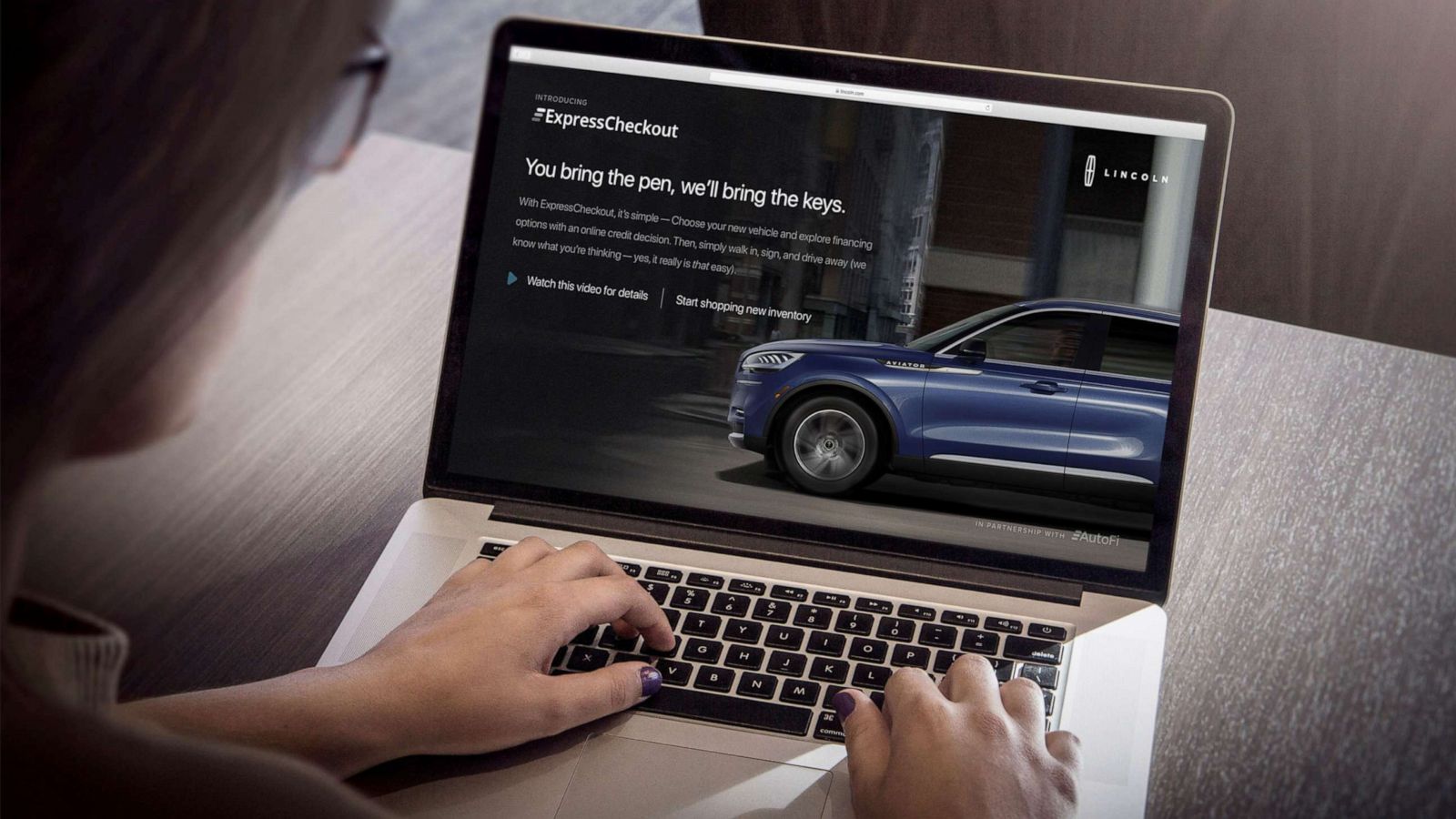
- Digital Signatures and Secure Document Exchange: The legal framework for digital signatures has matured, allowing buyers to electronically sign contracts, titles, and other necessary documents from any device. Secure portals facilitate the exchange of sensitive personal and financial information, often protected by bank-grade encryption.
- Trade-in Valuation Tools: Many platforms offer instant online trade-in valuations, using data analytics to provide a fair market price for the buyer’s current vehicle. This removes much of the uncertainty and negotiation from the trade-in process.
Logistics and Delivery Technologies
The final mile of the online car buying journey is also heavily reliant on technology, ensuring a smooth transition from digital purchase to physical possession.
- Automated Scheduling and Tracking: Once a purchase is complete, buyers receive updates and can track their vehicle’s delivery in real-time through dedicated apps or web portals. Logistics software optimizes delivery routes and schedules, considering factors like traffic, fuel efficiency, and driver availability.
- Contactless Delivery Options: Many online retailers offer contactless delivery, where the vehicle is dropped off at the buyer’s home, often with pre-signed digital paperwork, minimizing physical interaction and maximizing convenience.
- Post-Purchase Support via Digital Channels: Customer service chatbots, online FAQs, and dedicated customer portals provide support for post-delivery questions, warranty information, and scheduling future services.
Challenges and Future Outlook of Online Car Buying Technology
While online car buying offers unparalleled convenience and efficiency, it also presents unique challenges that technology is continually striving to overcome. The future promises even deeper integration and personalization.
Overcoming the “Touch and Feel” Barrier
The primary psychological hurdle for online car buying remains the inability to physically inspect and test drive a vehicle before purchase.
- Enhanced Virtual Experiences: The continuous evolution of VR, AR, and haptic feedback technologies aims to provide an even more tactile and realistic virtual inspection experience, potentially allowing users to “feel” interior materials or “hear” engine sounds digitally.
- Liberal Return Policies and Extended Test Drives: Many online retailers offer generous return policies (e.g., 7-day money-back guarantees) or allow for extended home test drives, effectively mitigating the risk associated with a blind purchase. This business model is enabled by robust logistics and reconditioning processes.
Ensuring Digital Security and Trust
Given the high value of car transactions and the personal data involved, cybersecurity is paramount.
- Advanced Encryption and Authentication: Online platforms employ state-of-the-art encryption (e.g., SSL/TLS) for all data in transit and at rest, multifactor authentication, and secure payment gateways to protect financial and personal information.
- Fraud Detection Systems: AI-powered fraud detection systems continuously monitor transactions for suspicious activity, protecting both buyers and sellers from financial scams and identity theft.
- Building Brand Trust Digitally: Online retailers invest heavily in user reviews, transparent policies, and responsive customer service through digital channels to build and maintain trust in a landscape where physical interaction is limited.

The Evolving Role of AI and Automation
The future of online car buying will undoubtedly see an even greater reliance on AI and automation.
- Predictive Maintenance Integration: Vehicles sold online could come with integrated AI systems that predict maintenance needs and automatically schedule service appointments with partner workshops, enhancing the post-purchase experience.
- Conversational AI for Customer Service: Sophisticated chatbots and virtual assistants will become even more capable of handling complex queries, guiding buyers through the entire process, and providing personalized support 24/7.
- Autonomous Vehicle Integration: As autonomous vehicles become more commonplace, online buying platforms will need to integrate new features, regulations, and insurance models specific to self-driving technology.
In conclusion, buying a car online is no longer a niche option but a mainstream reality, thanks to a relentless wave of technological innovation. From dedicated digital marketplaces to augmented reality showrooms and AI-powered financing, technology has meticulously re-engineered every facet of the car buying journey. As these technologies continue to evolve, the online car purchasing experience will only become more seamless, personalized, and efficient, firmly cementing its place as the preferred method for a growing number of consumers worldwide.
aViewFromTheCave is a participant in the Amazon Services LLC Associates Program, an affiliate advertising program designed to provide a means for sites to earn advertising fees by advertising and linking to Amazon.com. Amazon, the Amazon logo, AmazonSupply, and the AmazonSupply logo are trademarks of Amazon.com, Inc. or its affiliates. As an Amazon Associate we earn affiliate commissions from qualifying purchases.