
Purchasing a used car can be one of the most significant financial decisions many individuals make, second only to buying a home. Far from a simple transaction, it involves a complex interplay of budgeting, market research, negotiation, and due diligence, all geared towards securing reliable transportation without overextending one’s personal finances. In an era of fluctuating new car prices and supply chain inconsistencies, the used car market offers a compelling alternative for cost-conscious buyers. However, navigating this market successfully requires a strategic approach rooted firmly in financial prudence and an understanding of the underlying economic factors at play. This guide will walk you through the essential steps to buying a used car, focusing on optimizing your financial outlay and safeguarding your investment.
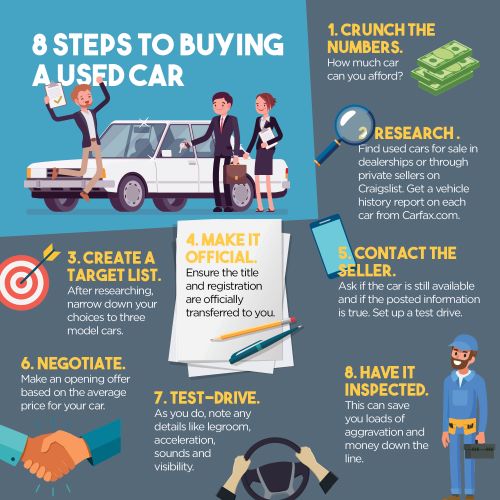
Setting Your Financial Foundation: The Prudent Buyer’s First Steps
Before you even begin browsing listings, the most crucial step in buying a used car is to establish a clear and realistic financial framework. This involves more than just looking at the sticker price; it encompasses a holistic understanding of your budget, the total cost of ownership, and your financing capabilities. Skipping this foundational stage can lead to buyer’s remorse, financial strain, or an inability to afford the ongoing costs associated with vehicle ownership.
Defining Your Budget and Affordability
Your budget is the absolute ceiling of what you can comfortably afford, not just for the purchase itself, but for all associated costs. Begin by scrutinizing your current income and expenses to determine a realistic monthly car payment, if you plan to finance, or a total cash outlay you can part with without jeopardizing other financial goals. A good rule of thumb is that your total car expenses (payment, insurance, fuel, maintenance) should not exceed 10-15% of your net monthly income. Consider your savings, emergency fund, and other financial commitments. It’s often wise to allocate a portion of your budget towards potential immediate repairs or maintenance that a used car might require shortly after purchase. A car is a depreciating asset, so every dollar spent should be a carefully considered investment in your mobility, not a drain on your future.
Understanding Total Cost of Ownership (TCO)
The sticker price is merely the tip of the iceberg when it comes to vehicle expenses. The Total Cost of Ownership (TCO) includes a multitude of recurring and unpredictable costs that accrue over the lifespan of the car. These typically include:
- Insurance: Premiums vary significantly based on the car’s make, model, age, your driving history, and location. Obtain quotes for specific models you are considering before committing.
- Fuel: Research the car’s estimated MPG (miles per gallon) and factor in your average monthly mileage.
- Maintenance and Repairs: Used cars, by their nature, are more likely to require maintenance. Older vehicles or those with high mileage will often incur greater repair costs. Budgeting for routine servicing (oil changes, tire rotations) and unexpected repairs is critical.
- Registration and Taxes: Annual registration fees and sales tax (which can be substantial, often 5-10% of the purchase price) are mandatory expenses.
- Depreciation: While you’re buying a used car to mitigate initial depreciation, it will continue to lose value over time, albeit at a slower rate than a new car.
Factoring in TCO allows you to make an economically sound decision, ensuring the vehicle remains affordable throughout your ownership, not just at the point of purchase.
Assessing Your Credit and Financing Options
Unless you’re paying cash, your credit score will play a pivotal role in the terms of your car loan. A higher credit score typically translates to lower interest rates, which can save you hundreds or even thousands of dollars over the life of the loan. Obtain a free copy of your credit report from one of the major credit bureaus to check for errors and understand your standing.
Explore various financing options:
- Bank/Credit Union Loans: Often offer more competitive interest rates than dealership financing. It’s wise to get pre-approved for a loan before visiting dealerships, giving you a clear budget and negotiation leverage.
- Dealership Financing: Convenient, but compare their rates with your pre-approval to ensure you’re getting the best deal. Dealerships sometimes offer incentives, but scrutinize the full terms.
- Personal Loan: Generally less favorable for car purchases due to higher interest rates and shorter repayment terms.
- Paying Cash: The most financially sound option, as it avoids interest payments entirely. However, ensure it doesn’t deplete your emergency savings.
Understand the loan terms: interest rate (APR), loan term (e.g., 36, 48, 60 months), and monthly payment. A longer loan term might mean lower monthly payments but results in paying more interest over time. Aim for the shortest term you can comfortably afford.
Strategic Sourcing and Market Valuation
Once your financial parameters are firmly established, the next phase involves actively searching for suitable vehicles and understanding their true market value. This requires a systematic approach to research, leveraging available tools and resources to make informed comparisons and avoid overpaying.
Leveraging Online Marketplaces and Dealerships
The digital age has revolutionized car shopping. Online platforms like AutoTrader, CarGurus, Cars.com, and local classifieds (Craigslist, Facebook Marketplace) offer vast inventories, allowing you to filter by make, model, year, price, mileage, and features. These sites often provide price analysis tools, showing if a listing is a good, fair, or bad deal compared to similar vehicles.
- Dealerships (Franchise & Independent): Offer convenience, often have certified pre-owned (CPO) options with warranties, and handle paperwork. However, prices might be higher, and there could be additional dealer fees.
- Private Sellers: Often offer lower prices because they don’t have overhead costs. This route requires more personal legwork in terms of inspection, negotiation, and paperwork, but can yield significant savings.
- Online Used Car Retailers (e.g., Carvana, Vroom): Provide a fully online buying experience, often with home delivery and a return policy. While convenient, compare their pricing and financing options carefully.
Always compare listings from various sources to gain a comprehensive view of the market. Don’t limit your search to just one platform or type of seller.
Decoding Vehicle History Reports (VHRs)
A Vehicle History Report (VHR) from services like CarFax or AutoCheck is an indispensable tool for used car buyers. For a fee, these reports provide a detailed dossier on a vehicle’s past, including:
- Accident History: Major collisions, frame damage, airbag deployment.
- Title Issues: Salvage, flood, or lemon titles, which significantly devalue a car and can indicate severe underlying problems.
- Mileage Rollback: Discrepancies in odometer readings.
- Service Records: Maintenance history, though often incomplete.
- Ownership History: Number of previous owners, length of ownership.
- Lien Information: Outstanding loans or repossessions.
While VHRs are not foolproof and might not capture every detail, they offer critical insights into a car’s past and can help you avoid financially risky purchases. Many dealerships provide these reports for free; private sellers may require you to purchase one. Always verify the VIN (Vehicle Identification Number) on the report matches the VIN on the car itself.
Valuing the Vehicle: Market Price vs. Condition
Once you have a list of potential cars, it’s crucial to assess their market value relative to their condition. Use independent valuation tools like Kelley Blue Book (KBB), Edmunds, and NADAguides to get a fair market price range for specific makes and models based on year, mileage, features, and condition. These tools provide different values: trade-in value, private party value, and retail value. As a buyer, you’ll generally aim for a price closer to the private party or retail value, depending on where you’re buying.
Remember that these are guides. The actual value is influenced by local demand, the car’s exact condition, and any unique features or flaws. Be wary of listings significantly below market value, as this can be a red flag for underlying issues or scams. Conversely, don’t overpay for a car that, despite its appearance, falls short on objective valuation metrics.
Due Diligence and Smart Negotiation Tactics
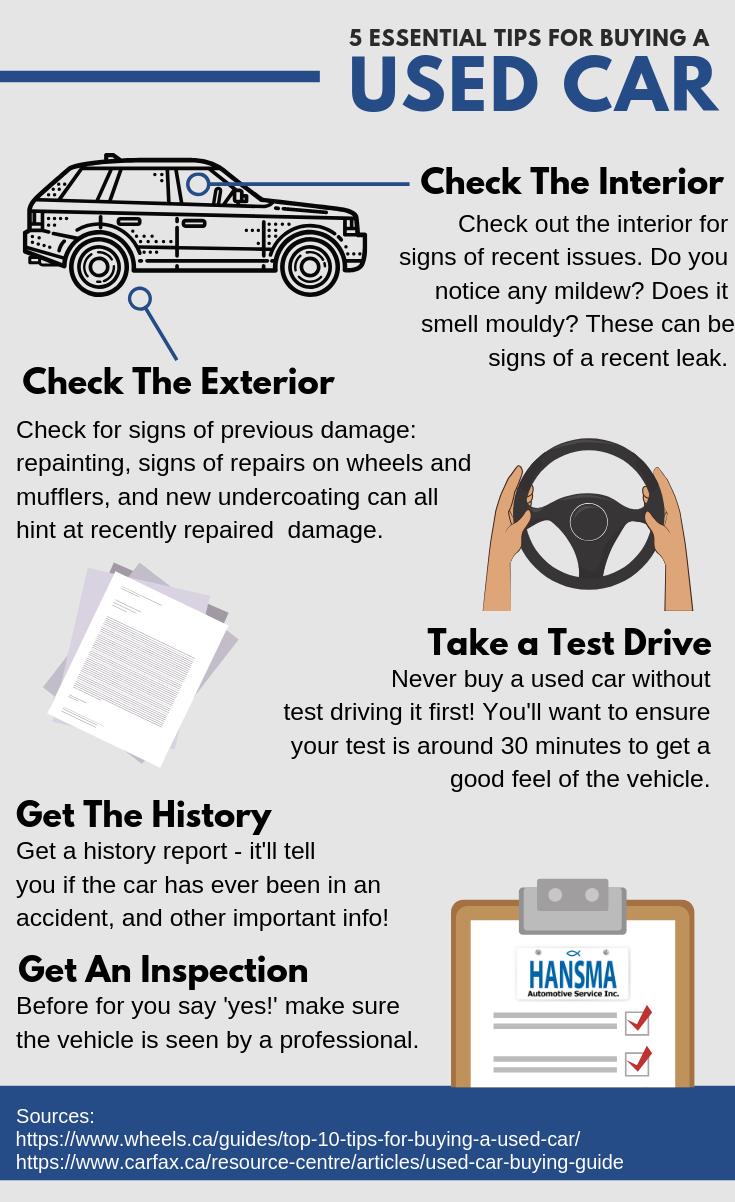
With a target vehicle in mind, the next phase demands meticulous inspection and strategic negotiation. This is where you protect your financial investment by ensuring the car is sound and you’re paying a fair price.
The Critical Pre-Purchase Inspection (PPI)
Never buy a used car without a comprehensive Pre-Purchase Inspection (PPI) by an independent, certified mechanic of your choosing. This is arguably the most important step in the entire process. A PPI will uncover mechanical issues, safety concerns, and potential future problems that are not visible during a test drive or evident from a VHR.
The mechanic will inspect:
- Engine and Transmission: Leaks, unusual noises, fluid levels and condition.
- Brakes: Pad wear, rotor condition, fluid.
- Tires: Tread depth, uneven wear (indicating alignment issues).
- Suspension and Steering: Shocks, struts, bushings, tie rods.
- Electrical System: Lights, battery, dashboard warnings.
- Body and Frame: Rust, evidence of previous repairs, structural integrity.
The cost of a PPI (typically $100-$200) is a minor investment compared to the potential cost of significant repairs after purchase. If the seller refuses a PPI, walk away. The mechanic’s report can also serve as a powerful negotiation tool, highlighting necessary repairs that can be used to justify a lower offer.
Mastering the Art of Negotiation for Best Value
Negotiation is a cornerstone of buying a used car. Approach it with confidence, armed with your research (market values, PPI report, competitor pricing).
- Start Below Asking Price: Unless the car is priced exceptionally well, always make an offer below the asking price. For private sellers, a good starting point might be 10-15% below. For dealerships, 5-10% is more common.
- Justify Your Offer: Use the PPI report findings, comparable listings with lower prices, or any cosmetic imperfections to support your lower offer.
- Be Prepared to Walk Away: This is your strongest leverage. If the seller isn’t meeting your reasonable offer, be prepared to move on. There are always other cars.
- Focus on the Out-the-Door Price: At dealerships, don’t get fixated solely on the monthly payment. Focus on the total “out-the-door” price, which includes the car’s price, sales tax, registration fees, and any dealer fees. Scrutinize all additional fees – some are negotiable, others are not.
- Avoid Emotional Decisions: Stick to your budget and research. Don’t let enthusiasm for a particular car override financial common sense.
Avoiding Common Pitfalls and Scams
The used car market, unfortunately, has its share of unscrupulous individuals and common scams:
- Curbstoning: Unlicensed dealers posing as private sellers to avoid regulations, taxes, and warranty obligations. Look for multiple listings from the same phone number or a seller unwilling to meet at their home address.
- VIN Cloning: A stolen car given the VIN of a legitimate car. Always check the VIN on the dashboard against the door jamb and title.
- Odometer Fraud: Illegally rolling back the odometer to inflate value. VHRs can help detect this.
- “As Is” Sales: Many used cars are sold “as is,” meaning you accept all responsibility for defects. While common, a PPI is even more critical in these scenarios. Understand your consumer rights in your state regarding “as is” sales.
- Pressure Tactics: High-pressure sales tactics at dealerships designed to rush you into a decision. Take your time, don’t be rushed.
By being vigilant and informed, you can significantly mitigate the risk of falling victim to these financial traps.
Finalizing the Deal: Protecting Your Investment
You’ve found the right car, negotiated a fair price, and it’s passed inspection. The final stage involves completing the transaction, ensuring all paperwork is in order, and protecting your newly acquired asset.
Navigating Paperwork and Legalities
The paperwork involved in a used car purchase is critical and must be handled meticulously to avoid legal or financial headaches down the road.
- Title Transfer: Ensure the seller signs over the car’s title (or “pink slip”) to you. Verify that the title is clear (no outstanding liens) and accurately represents the vehicle and seller. In some states, this is done at the DMV; in others, it’s a private transaction.
- Bill of Sale: A legally binding document detailing the transaction, including the purchase price, VIN, odometer reading, date, and names/signatures of buyer and seller. This protects both parties.
- Registration: You’ll need to register the vehicle in your name with your state’s Department of Motor Vehicles (DMV) or equivalent agency within a specified timeframe. This typically requires the signed title, bill of sale, proof of insurance, and payment of registration fees and sales tax.
- Lien Holder Information: If financing, your lender will hold the title until the loan is fully repaid. Ensure their name is correctly recorded on the title.
- Smog Certificates: In some states, a vehicle must pass an emissions test (smog check) before it can be legally sold or registered. Confirm who is responsible for providing this.
Do not drive the car away without ensuring you have legal temporary tags or have completed the registration process. Failure to do so can result in fines or impoundment.
Understanding Warranties and Aftermarket Products
Used cars often come with limited or no warranty, especially from private sellers. However, there are exceptions:
- Certified Pre-Owned (CPO) Programs: Offered by franchised dealerships, CPO vehicles are typically late-model, low-mileage cars that undergo a rigorous inspection and come with an extended manufacturer-backed warranty. These are generally more expensive but offer peace of mind.
- Dealer Warranties: Some independent dealerships offer short-term warranties. Read the fine print carefully, understanding what is covered and for how long.
- Extended Warranties/Service Contracts: Often offered by dealerships or third-party companies. While they can provide coverage beyond the manufacturer’s warranty, they are essentially insurance policies. Carefully evaluate the cost, deductible, coverage specifics, and the reputation of the provider. Many are not worth the investment, particularly if the car is reliable. A strong emergency fund often serves as better “self-insurance.”
Be cautious of high-pressure sales for aftermarket products like paint protection, fabric protection, or VIN etching. While some might have marginal value, they are often overpriced and add unnecessary cost to your purchase. Evaluate if these add real financial benefit before agreeing.

Securing Insurance and Registration
Before you can legally drive your new-to-you used car, you must secure proper insurance coverage. Contact your insurance provider as soon as you have the VIN of the car you intend to buy. Provide them with the necessary details to get a quote and activate coverage effective the date of purchase. Most states require minimum liability insurance, but collision and comprehensive coverage are highly recommended for protecting your financial investment.
Once insured, proceed with registration at your local DMV. This usually involves presenting the signed title, bill of sale, proof of insurance, and your identification. You will receive new license plates (if applicable) and a registration sticker. Keep your registration and insurance cards in the vehicle at all times.
Buying a used car is a journey that, when undertaken with careful financial planning and diligent research, can lead to significant savings and a reliable mode of transportation. By adhering to a structured process that prioritizes budgeting, informed decision-making, thorough inspection, and smart negotiation, you can navigate the complexities of the used car market successfully, protecting your finances and ensuring a wise investment.
aViewFromTheCave is a participant in the Amazon Services LLC Associates Program, an affiliate advertising program designed to provide a means for sites to earn advertising fees by advertising and linking to Amazon.com. Amazon, the Amazon logo, AmazonSupply, and the AmazonSupply logo are trademarks of Amazon.com, Inc. or its affiliates. As an Amazon Associate we earn affiliate commissions from qualifying purchases.