
Owning a car is, for many, an indispensable part of modern life. It offers freedom, convenience, and access to opportunities. However, the decision to purchase a vehicle is one of the most significant financial commitments many individuals will make, often second only to buying a home. The question “how much are cars” is deceptively simple, for the true cost extends far beyond the initial sticker price. To truly understand the financial implications, one must embark on a detailed exploration of acquisition costs, ongoing expenses, and strategic financial planning. This guide aims to peel back the layers of vehicle ownership, providing a professional, insightful, and engaging look into the financial realities, empowering you to make informed decisions that align with your broader financial goals.
Deconstructing the Purchase Price: Initial Outlays
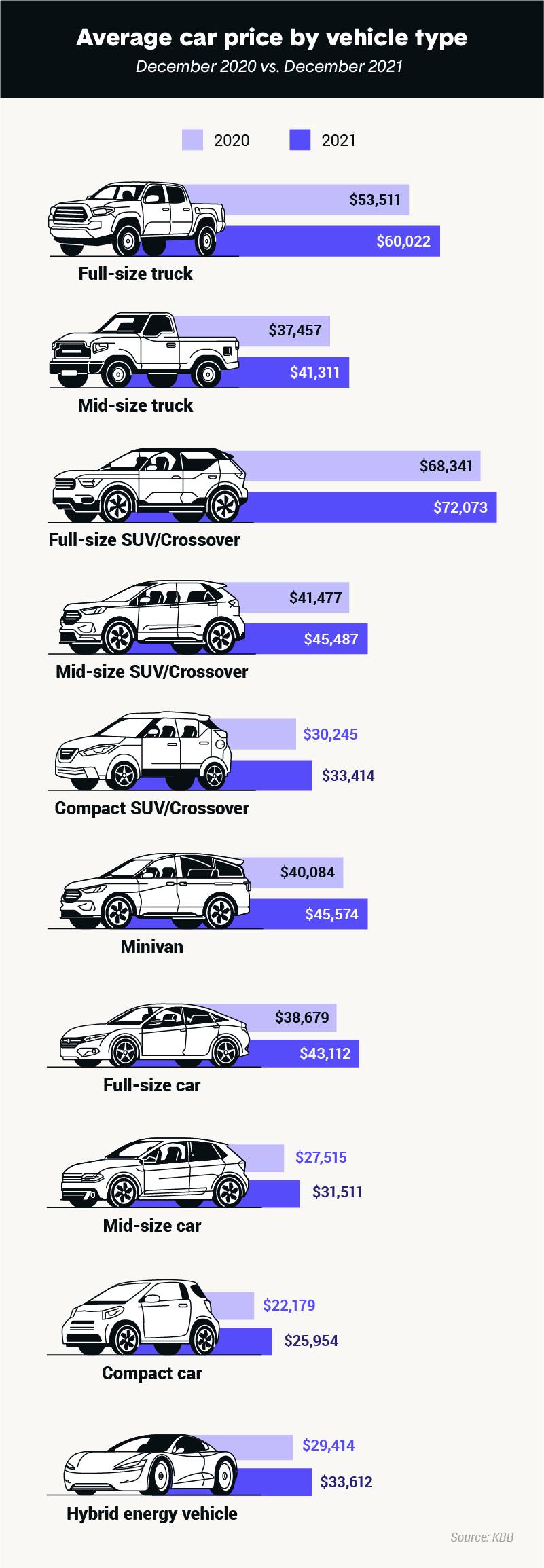
The first and most obvious answer to “how much are cars” is the purchase price itself. Yet, even this seemingly straightforward figure is fraught with nuances. Understanding the components that make up the initial outlay is crucial for effective budgeting and negotiation.
New Car Pricing: MSRP, Dealer Costs, and Negotiation
For new vehicles, the manufacturer’s suggested retail price (MSRP) is merely a starting point. This is the price the manufacturer recommends, but it’s rarely the final transaction figure. Dealers acquire vehicles at an invoice price, which is typically lower than the MSRP, leaving room for profit. Understanding this margin is key to negotiation. Factors such as demand for a particular model, current incentives (manufacturer rebates, low-interest financing), and the dealership’s sales targets can all influence the final negotiated price. A savvy buyer researches not only the MSRP but also the average transaction prices in their region and any available manufacturer promotions to enter negotiations from a position of strength. Overpaying upfront can have cascading financial effects throughout the vehicle’s life.
Used Car Valuations: Age, Condition, Mileage, and Market Dynamics
The used car market presents a different set of financial considerations. While generally less expensive than new vehicles, used car prices are highly variable. Key determinants include the vehicle’s age, its overall condition (mechanical and cosmetic), mileage, and its make and model’s historical reliability and desirability. Online valuation tools (like Kelley Blue Book, Edmunds, NADAguides) provide excellent estimates, but the local market can heavily influence actual prices. A robust demand for a particular used model in your area can drive prices up, while an oversupply might present buying opportunities. Furthermore, the provenance of a used car—whether it’s from a private seller, an independent dealership, or a certified pre-owned (CPO) program—can also impact its price and the associated financial risks. CPO vehicles, for instance, typically cost more but offer warranties and inspections, reducing the risk of immediate, unexpected repair costs.
The Hidden Costs of Acquisition: Taxes, Fees, and Documentation
Beyond the agreed-upon price of the vehicle, a multitude of additional charges inflate the initial financial outlay. Sales tax, often a percentage of the purchase price, can add thousands of dollars to the total. Dealer fees, such as documentation fees, preparation fees, and advertising fees, are common, though their legality and negotiability vary by state. Registration and licensing fees, payable to the state, are mandatory for legal operation and typically an annual expense. These “hidden” costs, while often non-negotiable or legally mandated, must be factored into your total budget before you even consider the vehicle itself. Neglecting them can lead to an unwelcome financial surprise at the point of sale.
The Long Road Ahead: Ongoing Ownership Expenses
The initial purchase price, while substantial, represents only a fraction of the total financial commitment of car ownership. The true cost becomes apparent over years, as a consistent stream of recurring expenses chips away at your financial resources.
Fuel and Energy Costs: A Variable but Significant Expense
Whether you drive a gasoline-powered car, a hybrid, or an electric vehicle, fuel or energy costs represent a significant ongoing expense. Gasoline prices are notoriously volatile, influenced by global events, supply, and demand. Your personal driving habits – daily commute distance, frequency of long trips – directly impact this cost. For electric vehicles, charging costs depend on electricity rates and whether you primarily charge at home or utilize public charging stations, which can vary widely in price. Calculating your anticipated annual mileage and researching average fuel efficiency (MPG) or electricity consumption (kWh/100 miles) for your desired vehicle is essential for an accurate long-term financial projection.
Insurance Premiums: Tailoring Coverage to Your Budget
Car insurance is a legal requirement in most places and a crucial financial safeguard. Premiums are determined by a complex algorithm encompassing factors like your driving record, age, location, the type of vehicle you drive, its safety features, and the coverage limits you choose. A high-performance car will generally cost more to insure than a family sedan. Similarly, a driver with a history of accidents will pay more than one with a clean record. Shopping around for insurance quotes and understanding the different types of coverage (liability, collision, comprehensive, uninsured motorist) is vital for balancing financial protection with affordability. Cutting corners on insurance can lead to devastating financial consequences in the event of an accident.
Maintenance, Repairs, and Wear-and-Tear
All vehicles require regular maintenance to operate safely and efficiently. This includes routine oil changes, tire rotations, brake inspections, and fluid checks. Beyond routine care, components wear out over time—tires need replacing, brakes wear down, and eventually, more significant repairs like transmission work or engine issues may arise. These costs can be highly unpredictable. Researching a specific model’s reliability ratings and common repair costs can provide insight into potential future expenses. Setting aside a dedicated emergency fund for car repairs is a sound financial strategy, preventing unexpected breakdowns from derailing your budget.
Depreciation: The Unseen but Most Substantial Cost
Perhaps the most overlooked but financially significant cost of car ownership is depreciation. This is the rate at which a vehicle loses value over time. New cars famously lose a substantial portion of their value the moment they’re driven off the lot, often 20-30% in the first year alone, and continue to depreciate by 15-25% annually for the next few years. While you don’t write a check for depreciation, it represents a real loss of capital and directly impacts the resale value of your vehicle. Vehicles with strong resale values (often those known for reliability and desirability) will have lower effective depreciation costs over time, making them a financially smarter choice in the long run.
Financing Costs: The Price of Borrowing
Unless you pay cash, financing a car introduces an additional, often substantial, cost: interest. The interest rate on your car loan is determined by your credit score, the loan term (length of the loan), the amount borrowed, and current market rates. Even a seemingly small percentage point difference in the interest rate can add thousands of dollars to the total cost of the car over a 5-7 year loan term. A longer loan term may result in lower monthly payments but typically leads to more interest paid over the life of the loan. Understanding amortization schedules and the total interest paid is crucial for comprehending the full financial commitment.
Strategic Financial Decisions: Buying & Owning Smart
Making financially astute decisions about car ownership involves more than just finding the lowest price. It requires a holistic view of your financial situation and careful consideration of various acquisition and ownership models.
New vs. Used: A Financial Trade-Off
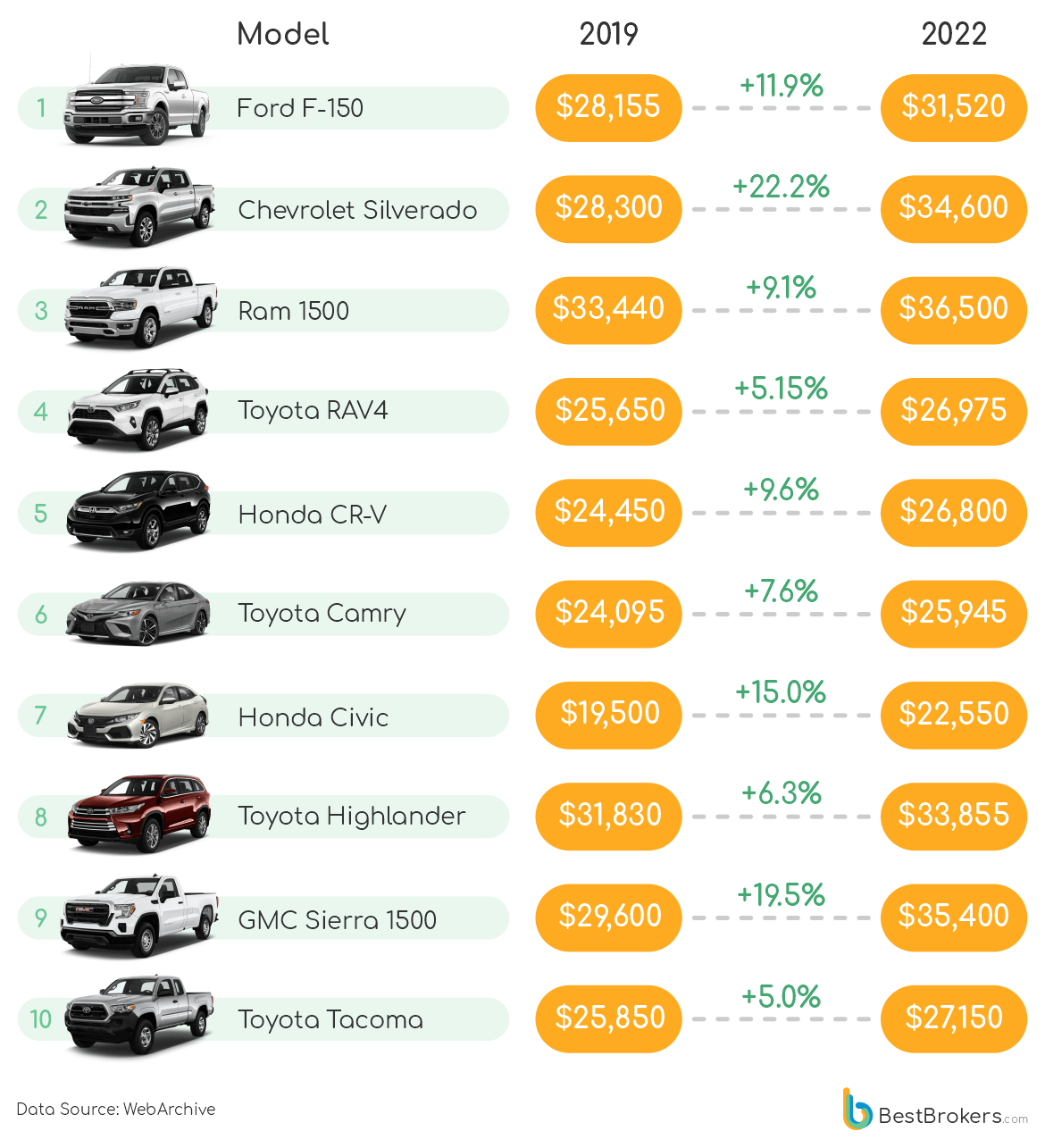
The classic dilemma: new versus used. Financially, buying a used car almost always makes more sense. By allowing the first owner to absorb the steepest depreciation, you can acquire a vehicle that is only a few years old at a significantly reduced price. The trade-off often involves a shorter warranty, potentially higher interest rates on financing, and fewer advanced features. However, for those prioritizing financial efficiency, a well-maintained used car often represents the best value. New cars offer the latest technology, full warranty coverage, and the satisfaction of being the first owner, but at a premium. The decision should align with your budget, risk tolerance, and desired features.
Leasing vs. Buying: Understanding the Financial Implications
Leasing a car is another option that appeals to many, particularly those who prefer to drive a new vehicle every few years with lower monthly payments. Financially, leasing is essentially renting a car for a fixed period. You pay for the depreciation of the vehicle during your lease term, plus interest and fees. While monthly payments are often lower than buying, you build no equity, have mileage restrictions, and face potential fees for excessive wear and tear upon return. Buying, on the other hand, builds equity over time, offers unrestricted mileage, and allows for customization. The choice depends on your financial priorities: do you prefer lower monthly payments and constant new models (leasing) or long-term ownership and equity building (buying)?
Budgeting for Your Car: A Holistic Financial Approach
A responsible approach to car ownership begins with a comprehensive budget. This involves not only calculating the monthly car payment but also factoring in all the ongoing expenses: insurance, fuel, maintenance, and an emergency repair fund. A common rule of thumb suggests that your total car expenses (payment, insurance, fuel) should not exceed 10-15% of your net monthly income. Exceeding this can strain your overall financial health, impacting your ability to save, invest, or meet other financial obligations. Utilizing financial planning tools or spreadsheets to project these costs meticulously is a cornerstone of smart car ownership.
The Power of Your Credit Score in Car Financing
Your credit score is a formidable financial tool, particularly when securing a car loan. Lenders use your credit score to assess your creditworthiness and determine the interest rate you qualify for. A higher credit score (generally above 700-740) translates to lower interest rates, which can save you thousands of dollars over the life of the loan. Conversely, a poor credit score can result in significantly higher interest rates, making the car much more expensive in the long run. Before applying for a car loan, it’s wise to check your credit report, rectify any errors, and work to improve your score if necessary.
Optimizing Your Automotive Budget: Savings Strategies
Even after acquiring a car, there are numerous strategies to minimize ongoing costs and optimize your automotive budget, ensuring that your vehicle remains a valuable asset rather than a financial drain.
Fuel Efficiency and Driving Habits
Your driving habits have a direct impact on fuel costs. Aggressive driving—rapid acceleration, hard braking, and excessive speeding—significantly reduces fuel efficiency. Conversely, smooth acceleration, anticipating traffic, maintaining a consistent speed, and avoiding unnecessary idling can noticeably lower your fuel consumption. Regularly checking tire pressure also improves efficiency. For those considering a new purchase, opting for a model known for its fuel economy or exploring hybrid and electric vehicle options can lead to substantial long-term savings.
Proactive Maintenance and DIY Potential
Sticking to the manufacturer’s recommended maintenance schedule is not just about keeping your car running well; it’s a critical financial strategy. Regular oil changes, tire rotations, and inspections can prevent minor issues from escalating into costly repairs. For mechanically inclined individuals, learning basic DIY maintenance tasks like changing air filters or windshield wiper blades can also save money on labor costs. Investing in quality parts and trusted mechanics, rather than opting for the cheapest immediate fix, often proves more economical in the long run.
Smart Shopping for Insurance and Financing Rates
The car market, along with the insurance and finance industries, is highly competitive. Don’t settle for the first insurance quote or loan offer. Periodically shop around for insurance, especially if your driving record has improved or you’ve moved. Many financial institutions offer competitive interest rates for car loans, so comparing offers from banks, credit unions, and online lenders before committing to dealer financing can yield significant savings. Even a slight reduction in your interest rate can save hundreds or thousands over the loan term.
Maximizing Resale Value and Strategic Upgrades
When the time comes to sell or trade in your vehicle, its resale value directly impacts your next financial decision. Maintaining your car’s appearance (regular cleaning, addressing minor dents/scratches), keeping up with maintenance records, and avoiding excessive modifications can help preserve its value. Strategic upgrades, like quality tires or essential functional accessories, can add value, whereas highly personalized or aftermarket modifications might detract from it. Understanding which makes and models hold their value better can also be a long-term financial advantage.
The Evolving Financial Landscape of Vehicle Ownership
The automotive industry is in a period of rapid transformation, with technological advancements and shifting consumer preferences reshaping the financial paradigms of car ownership.
Electric Vehicles: Upfront Cost vs. Long-Term Savings
Electric Vehicles (EVs) are increasingly becoming a viable alternative to traditional internal combustion engine (ICE) cars. While the upfront purchase price of many EVs remains higher than comparable ICE vehicles, they offer significant long-term financial advantages. These include lower “fuel” costs (electricity is generally cheaper than gasoline per mile), reduced maintenance expenses (fewer moving parts, no oil changes), and often eligibility for government incentives and tax credits. As battery technology improves and manufacturing scales, the financial equation for EVs is rapidly becoming more attractive, making the initial investment increasingly justifiable over the vehicle’s lifespan.

Alternative Mobility: Subscriptions, Ride-Sharing, and Their Financial Impact
For many urban dwellers or those with infrequent driving needs, traditional car ownership is being challenged by alternative mobility solutions. Car subscription services offer flexible access to vehicles without the burdens of ownership, insurance, or maintenance, presenting a potentially cost-effective solution for short-term needs. Ride-sharing services like Uber and Lyft eliminate the need for personal ownership altogether, transforming transportation into an on-demand expense. The financial decision to own a car versus relying on these alternatives hinges on a detailed analysis of personal usage patterns, parking costs, insurance, and the overall convenience factor. For individuals driving less than a certain threshold, these alternatives might represent substantial financial savings.
The question of “how much are cars” transcends a simple price tag. It encompasses a complex web of upfront costs, ongoing expenses, strategic financial decisions, and an evolving market landscape. By taking a holistic, financially astute approach to vehicle acquisition and ownership, individuals can navigate this significant investment wisely, ensuring their chosen mode of transport remains a tool for empowerment rather than a source of financial strain. Understanding these multifaceted costs is the first, most crucial step towards making a truly informed financial decision about vehicle ownership.
aViewFromTheCave is a participant in the Amazon Services LLC Associates Program, an affiliate advertising program designed to provide a means for sites to earn advertising fees by advertising and linking to Amazon.com. Amazon, the Amazon logo, AmazonSupply, and the AmazonSupply logo are trademarks of Amazon.com, Inc. or its affiliates. As an Amazon Associate we earn affiliate commissions from qualifying purchases.