
Car insurance is an unavoidable expense for vehicle owners, a critical safeguard against the financial ramifications of accidents, theft, and damage. While it provides peace of mind and fulfills legal requirements, the cost of premiums can often feel like a significant burden on personal finances. Many drivers resign themselves to paying high rates, unaware that numerous strategies and factors can significantly reduce their annual expenditure. This guide delves deep into the mechanics of car insurance pricing and offers actionable insights to help you navigate the market and secure the most affordable coverage without compromising essential protection. Understanding how insurers calculate premiums and proactively applying smart financial decisions can transform a daunting expense into a manageable one.
Understanding the Factors That Influence Your Premiums
Before diving into cost-saving strategies, it’s crucial to grasp the fundamental elements insurers consider when setting your premium. These factors are not arbitrary; they are meticulously calculated risk assessments designed to predict the likelihood and potential cost of future claims. By understanding these variables, you can better position yourself for lower rates.
Personal Driving History and Demographics
Your individual profile is a primary determinant of your insurance cost. Insurers look at a range of personal data points to assess your risk level. Your age, for instance, plays a significant role, with younger, less experienced drivers typically facing higher premiums due to statistically higher accident rates. Conversely, mature drivers with decades of clean driving records often enjoy lower rates. Your gender can also be a factor in some regions, though its impact is diminishing and often regulated. Crucially, your driving record, including past accidents, traffic violations, and claims history, is a powerful predictor of future risk. A history of multiple claims or serious infractions will inevitably lead to higher premiums. Furthermore, your credit score, where legally permissible, can significantly impact your rates. Insurers often use a credit-based insurance score as a proxy for financial responsibility, correlating higher scores with lower claim frequencies.
Vehicle Type and Usage
The car you drive and how you use it are direct inputs into your insurance premium. Generally, more expensive cars, luxury models, sports cars, and those with high repair costs or a high theft rate will command higher insurance premiums. Parts availability, specialized repairs, and the cost of replacement parts all contribute to this. Conversely, vehicles with excellent safety ratings, advanced safety features (like automatic emergency braking or lane-keeping assist), and lower horsepower might be cheaper to insure. Your annual mileage also matters; the more you drive, the higher the perceived risk of an accident. Where you garage your car, whether it’s in a secure garage in a low-crime area or on the street in a high-crime neighborhood, can also influence theft and vandalism risk, affecting your comprehensive coverage costs.
Coverage Choices and Deductibles
The specific types and amounts of coverage you choose have a direct and substantial impact on your premium. Basic liability coverage, mandated by law in most places, protects others in an accident you cause. However, adding collision (for damage to your car in an accident) and comprehensive (for non-collision events like theft, vandalism, or natural disasters) significantly increases your premium. The limits you select for each type of coverage—for instance, $50,000 vs. $100,000 in bodily injury liability—will also adjust the cost. A critical tool for managing your premium is the deductible, which is the amount you pay out-of-pocket before your insurance kicks in for collision and comprehensive claims. Opting for a higher deductible typically results in a lower premium, as you are assuming more of the initial financial risk. However, it’s vital to choose a deductible you can comfortably afford in an emergency.
Proactive Strategies to Lower Your Car Insurance Costs
Once you understand the factors at play, you can begin to implement concrete strategies designed to actively reduce your car insurance expenses. These steps require a proactive approach but can yield significant savings over time.
Shop Around and Compare Quotes Diligently
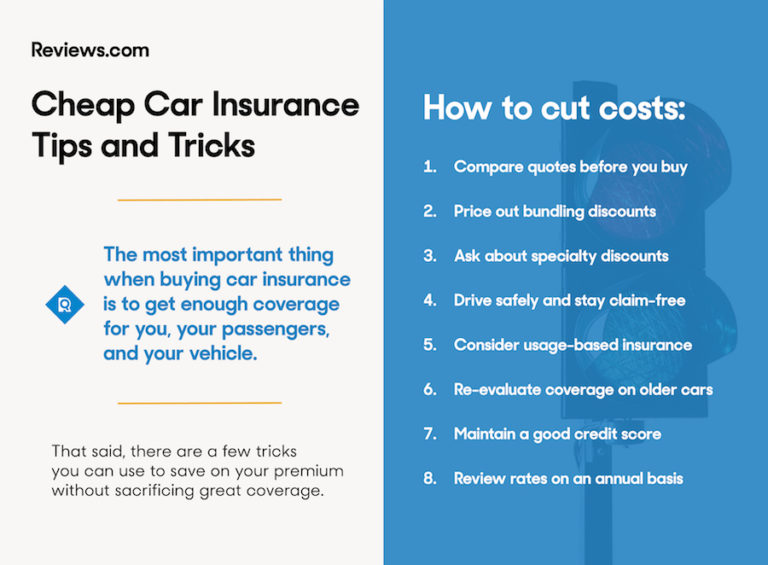
This is perhaps the single most impactful strategy for finding cheaper car insurance. Never settle for the first quote you receive or simply renew with your current insurer without exploring other options. Insurance rates vary widely between companies, even for the exact same coverage. Each insurer has its own proprietary algorithm for assessing risk, its own overheads, and its own target market. What one company considers high risk, another might view differently. Make it a habit to compare quotes from at least 3-5 different providers every year or two, or whenever a significant life event occurs (like buying a new car, getting married, or moving). Online comparison tools and independent insurance agents can greatly streamline this process, allowing you to quickly get a snapshot of the market.
Leverage Discounts You Might Not Know About
Insurance companies offer a plethora of discounts, and often, policyholders are unaware of the full range available. Don’t be shy about asking your insurer for a comprehensive list. Common discounts include:
- Bundling: Combining your car insurance with homeowners, renters, or life insurance from the same provider often results in significant multi-policy discounts.
- Good Student: High school and college students with good academic records can qualify for discounts.
- Safe Driver/Accident-Free: Rewarding drivers who maintain a clean record for a specified number of years.
- Anti-Theft Devices: Cars equipped with alarms, immobilizers, or tracking systems can earn a discount.
- Low Mileage: For those who drive less than a certain number of miles annually.
- Professional Affiliations: Certain employers, alumni associations, or professional organizations may have negotiated group rates.
- Multi-Car: Insuring multiple vehicles under the same policy.
- Payment Method: Discounts for paying your premium in full, setting up automatic payments, or opting for paperless billing.
Adjusting Your Coverage Wisely
While it’s important not to underinsure, there are times when you can strategically adjust your coverage to save money. For older vehicles, especially those worth less than ten times your collision and comprehensive deductibles, it might be financially prudent to drop these coverages altogether. In such cases, the cost of the premium might outweigh the potential payout after a deductible. Regularly review your policy to ensure your coverage still aligns with your current needs and the value of your vehicle. Additionally, as mentioned, increasing your deductible on collision and comprehensive coverage can lower your monthly premium. Just ensure you have enough in savings to cover the higher deductible should you need to file a claim.
Improve Your Driving Record and Credit Score
These are long-term strategies, but they offer the most sustainable path to lower insurance premiums. Maintaining a clean driving record—avoiding accidents and traffic violations—demonstrates responsible behavior to insurers, directly translating to lower risk and thus lower premiums. Points on your license or a history of claims can follow you for several years, impacting your rates. Similarly, working to improve and maintain a good credit score (where used for insurance scoring) can significantly impact your rates. Pay bills on time, reduce outstanding debt, and regularly check your credit report for errors. These financial habits signal responsibility, which insurers often associate with lower claim likelihood.

Harnessing Technology and Financial Tools for Savings
The digital age has introduced several innovative tools and approaches that can empower consumers to find and maintain affordable car insurance. Leveraging technology can make the process more efficient and reveal savings opportunities that might otherwise be missed.
Telematics and Usage-Based Insurance (UBI)
Telematics, often referred to as “usage-based insurance” (UBI), represents a significant shift in how premiums are calculated. This technology involves installing a small device in your car or using a smartphone app to monitor your driving habits, such as speed, braking, acceleration, time of day you drive, and mileage. Insurers then use this data to provide personalized premiums based on your actual driving behavior, rather than solely relying on demographic averages. Safe drivers who opt into UBI programs can often receive substantial discounts, sometimes up to 30% or more. While it requires consenting to data collection, for many, the potential savings outweigh privacy concerns, especially for those with low mileage or exceptionally safe driving habits.
Online Comparison Platforms and Aggregators
The internet has revolutionized the process of shopping for insurance. Online comparison platforms and aggregators allow you to input your information once and receive multiple quotes from various insurance providers simultaneously. Websites like these simplify the otherwise tedious process of contacting numerous companies individually. They enable you to quickly compare policies side-by-side, analyzing not just the price but also the coverage limits, deductibles, and included benefits. This transparency fosters competition among insurers and empowers you to make an informed decision, ensuring you don’t miss out on a better deal simply because you weren’t aware of it.
Digital Policy Management and Auto-Pay Options
Many insurance providers now offer digital policy management portals and mobile apps. While these primarily offer convenience for viewing policy details, filing claims, and making changes, they can also unlock minor savings. Many insurers offer a small discount for opting into paperless billing and communications. Furthermore, setting up automatic payments from your bank account or credit card not only ensures you never miss a payment (which can lead to policy cancellation and higher future rates) but also often qualifies you for an auto-pay discount. While these savings might seem small individually, they add up and contribute to overall cost reduction strategies.
Long-Term Habits for Sustained Affordability
Securing cheap car insurance isn’t a one-time event; it’s an ongoing process that benefits from consistent attention and responsible habits. Cultivating certain financial and driving behaviors can ensure you enjoy affordable rates for years to come.
Regular Policy Reviews
Your life circumstances are dynamic, and so should be your insurance policy. Make it a habit to review your policy at least annually, or whenever a major life event occurs. Have you gotten married? Moved to a new neighborhood? Changed jobs? Bought a new car? Your insurance needs and potential discounts can change dramatically. Don’t wait for your renewal notice to prompt a review. Proactively contact your agent or insurer to discuss any life changes, inquire about new discounts, and re-evaluate your coverage needs. This ensures your policy remains optimized for your current situation and that you’re not overpaying for outdated coverage or missing out on newly available savings.
Maintaining a Good Driving Record
As emphasized earlier, your driving record is the cornerstone of your insurance profile. Avoiding accidents, speeding tickets, and other moving violations is the most powerful long-term strategy for keeping your premiums low. Insurers heavily penalize drivers with a history of infractions, and these penalties can linger for several years. Focus on defensive driving, adhere to traffic laws, and minimize distractions behind the wheel. Not only will this keep your insurance costs down, but it will also contribute to your safety and the safety of others on the road.
Strategic Vehicle Purchases
The decision of what car to buy has a direct and often underestimated impact on your insurance costs. Before committing to a new vehicle, research its insurance costs. Factors like the car’s make and model, its safety ratings, its theft rate, and the cost of parts and repairs all play a significant role. Generally, vehicles with high safety ratings, lower horsepower, and widely available parts tend to be cheaper to insure. Conversely, luxury cars, high-performance sports cars, and models with a history of high theft rates or expensive, specialized repairs will almost certainly lead to higher premiums. Including insurance cost as a factor in your car-buying budget can prevent an unwelcome surprise down the road.
Financial Discipline and Emergency Funds
Beyond specific insurance-related actions, general financial discipline contributes to cheaper car insurance. Maintaining a good credit score, as discussed, is one aspect. Another is having an emergency fund. This allows you to choose higher deductibles, knowing you can cover the out-of-pocket expense if you need to file a claim. Paying your premiums on time, or even paying them in full annually, can also result in discounts and prevents lapses in coverage that can flag you as a higher risk to insurers. A lapsed policy can make it much harder and more expensive to get insured in the future.
Conclusion
Securing affordable car insurance is not about finding shortcuts or sacrificing essential protection; it’s about being an informed consumer and making smart financial choices. By understanding the factors that influence your premiums, diligently shopping around for the best rates, leveraging all available discounts, harnessing modern technology, and cultivating responsible driving and financial habits, you can significantly reduce your car insurance expenses. This comprehensive approach empowers you to take control of your personal finance, ensuring you get the essential coverage you need without overpaying, allowing you to allocate those hard-earned savings to other important financial goals.
aViewFromTheCave is a participant in the Amazon Services LLC Associates Program, an affiliate advertising program designed to provide a means for sites to earn advertising fees by advertising and linking to Amazon.com. Amazon, the Amazon logo, AmazonSupply, and the AmazonSupply logo are trademarks of Amazon.com, Inc. or its affiliates. As an Amazon Associate we earn affiliate commissions from qualifying purchases.