
In the world of modern finance, few assets evoke as much passion, speculation, and anxiety as Bitcoin. Since its inception in 2009, the pioneer cryptocurrency has evolved from a niche cryptographic experiment into a multi-billion-dollar asset class. However, for every astronomical bull run that sees Bitcoin hitting new all-time highs, there is an inevitable, often gut-wrenching correction. When the “digital gold” begins to lose its luster and prices plummet, investors and observers alike are left asking one central question: Why is Bitcoin crashing?
Understanding the downward pressure on Bitcoin requires moving beyond the sensationalist headlines. It involves analyzing a complex interplay of macroeconomic shifts, regulatory hurdles, market mechanics, and the fragile psychology of the retail investor. For those looking to manage their personal finance and investment portfolios effectively, dissecting these factors is not just an academic exercise—it is a necessity for financial survival.

Macroeconomic Pressures and Global Monetary Policy
For years, Bitcoin was championed as an “uncorrelated asset,” a digital hedge against the traditional financial system. However, as institutional adoption increased, Bitcoin’s behavior shifted to mirror “risk-on” assets, particularly tech stocks. Consequently, the primary driver behind many Bitcoin crashes is the broader global economic environment.
The Federal Reserve and Interest Rate Hikes
The most significant influence on Bitcoin’s price in recent years has been the monetary policy of the United States Federal Reserve. When inflation rises, the Fed typically raises interest rates to cool the economy. For investors, higher interest rates mean that “safe” investments, like U.S. Treasuries, offer better returns. In such an environment, capital flows out of high-risk assets—like Bitcoin—and back into the relative safety of the dollar and bonds. When liquidity is pulled from the market to combat inflation, Bitcoin is often the first asset to experience a sell-off.
The Correlation with Traditional Equities
As Bitcoin became a staple in institutional portfolios, its price action started to align closely with the NASDAQ and the S&P 500. Large-scale investment firms often view Bitcoin as a high-beta version of a technology stock. When concerns about a global recession or slowing corporate earnings hit the stock market, fund managers often liquidate their Bitcoin positions to cover losses elsewhere or to increase their cash reserves. This “contagion” effect means that a crash in the traditional financial markets almost guarantees a downturn in the crypto market.
Inflation vs. Purchasing Power
While Bitcoin is often marketed as a hedge against inflation due to its fixed supply of 21 million coins, the reality is more nuanced. In the short term, high inflation often leads to decreased disposable income for retail investors. When the cost of living—rent, gas, and groceries—increases, individuals are less likely to put money into speculative assets and more likely to sell their existing holdings to cover basic needs. This reduction in buy-side pressure contributes to the downward price spiral.
Regulatory Hurdles and Institutional Sentiment
The decentralized nature of Bitcoin is one of its greatest strengths, but it is also a primary source of friction with global governments. Regulatory news is perhaps the most frequent catalyst for sudden, sharp price drops.
Global Regulatory Uncertainty
The “Sword of Damocles” hanging over the cryptocurrency market is the threat of restrictive legislation. Whether it is the U.S. Securities and Exchange Commission (SEC) tightening its grip on exchanges, or nations like China banning mining and trading altogether, regulatory “FUD” (Fear, Uncertainty, and Doubt) triggers mass liquidations. Investors fear that if Bitcoin becomes too difficult to trade or if it is classified in a way that increases tax burdens, its utility—and therefore its value—will diminish.
Institutional De-leveraging and Contagion
In previous market cycles, Bitcoin crashes were often driven by retail panic. Today, they are frequently driven by institutional failure. When major crypto-focused hedge funds or lenders (such as the high-profile collapses seen in 2022) face insolvency, they are forced to sell their massive Bitcoin holdings to pay back creditors. This creates a “forced selling” scenario where the volume of Bitcoin hitting the market far outweighs the immediate demand, leading to a rapid price collapse.
The Impact of Spot ETFs and Market Maturity
The introduction of Bitcoin Spot ETFs was expected to stabilize the market. However, it also introduced a new layer of volatility. Large institutional outflows from these ETFs can signal a lack of confidence to the broader market. When institutional players “rebalance” their portfolios, the resulting trades are often large enough to move the needle, causing price drops that scare retail investors into following suit.
Market Mechanics and Technical Liquidations
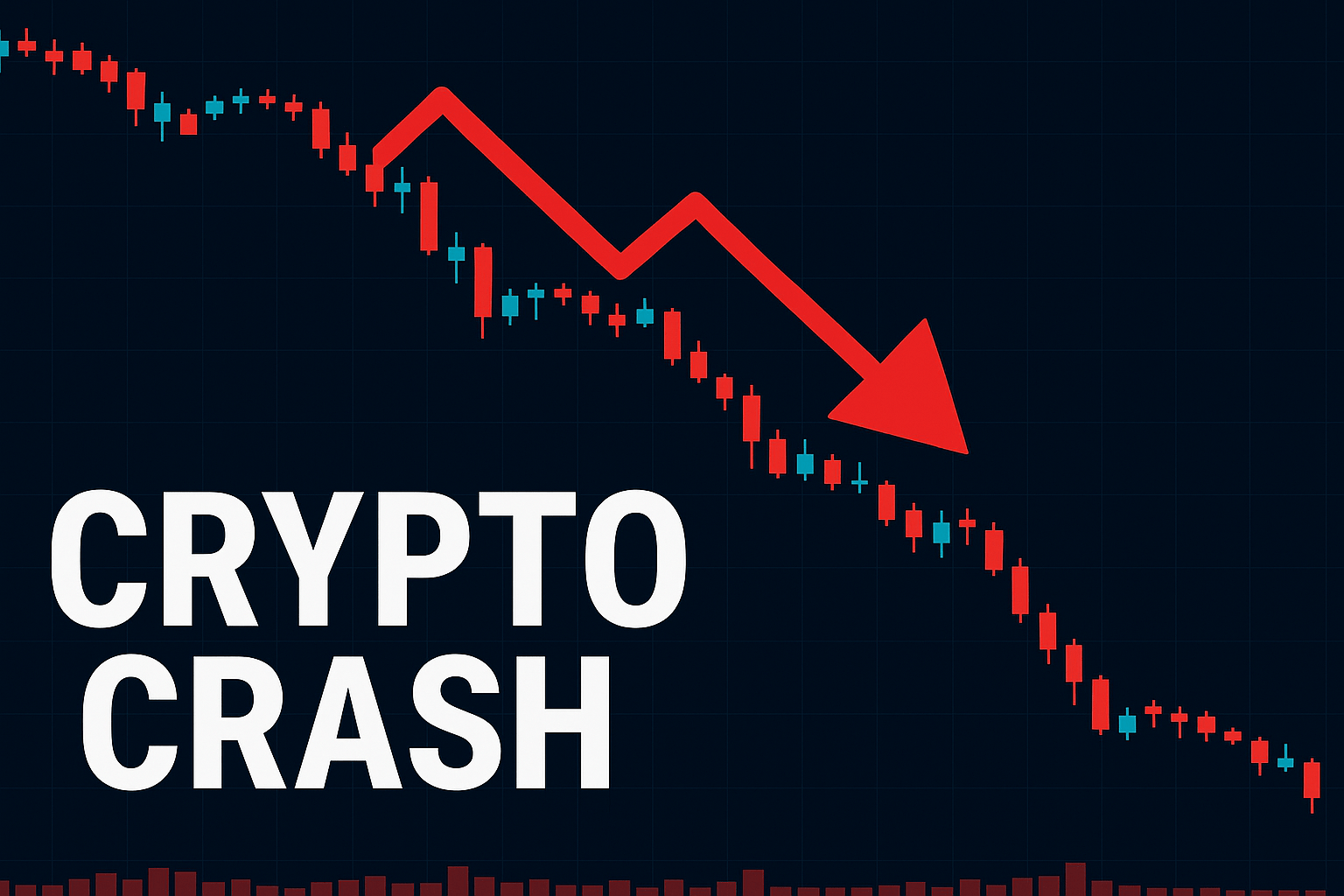
To understand why a 5% dip often turns into a 20% crash overnight, one must look at the “plumbing” of the crypto markets. The technical structure of how Bitcoin is traded often exacerbates price movements.
The Role of Leverage and Margin Calls
One of the most volatile aspects of the Bitcoin market is the use of leverage. Many traders use borrowed funds to bet on the price of Bitcoin. When the price drops even slightly, these “long” positions are at risk of being liquidated. Exchanges automatically sell the trader’s Bitcoin to cover the loan. This creates a domino effect: the initial price drop triggers liquidations, which further drops the price, which triggers more liquidations. These “long squeezes” are responsible for the most dramatic vertical drops in Bitcoin’s history.
Whales and Order Book Liquidity
The Bitcoin market is still relatively “thin” compared to the global foreign exchange or gold markets. A “whale”—an individual or entity holding a massive amount of Bitcoin—can influence the price by placing a large sell order. If there isn’t enough liquidity (buy orders) on the books to absorb that sell-off, the price will slip significantly. Smaller investors, seeing the sudden drop on their charts, often panic and sell, creating a self-fulfilling prophecy of a crash.
Mining Economics and the Hash Rate
Bitcoin’s security is maintained by miners who use powerful computers to process transactions. These miners have operational costs, primarily electricity and hardware. When the price of Bitcoin falls below a certain threshold, it may become unprofitable for some miners to continue operating. If miners are forced to sell their “treasury” (the Bitcoin they have earned) to stay afloat or pay off debts, it adds more sell pressure to an already fragile market.
The Psychology of Fear and the “Panic Cycle”
Investing is as much a psychological game as it is a financial one. In the crypto space, where price movements are amplified by 24/7 trading and social media, psychology plays a disproportionate role in market crashes.
The Fear and Greed Index
Market sentiment often swings between extreme euphoria and paralyzing fear. During a bull run, “FOMO” (Fear Of Missing Out) drives the price to unsustainable levels. When the inevitable correction begins, the sentiment flips. The “Fear and Greed Index,” a common tool used by crypto investors, often hits “Extreme Fear” during a crash. This fear isn’t just about losing money; it’s about the perceived loss of the “future of money” narrative, leading investors to exit their positions at any cost.
Information Cascades and Social Media
Bitcoin is the first truly “internet-native” asset. News—both real and fake—travels at the speed of a tweet. When a prominent figure or a popular financial news outlet suggests that “Bitcoin is dead” or highlights a potential security flaw, it creates an information cascade. Retail investors, many of whom may not fully understand the underlying technology, are quick to react to negative news, leading to a coordinated, yet decentralized, exit from the market.
Long-Term Outlook: Navigating Volatility as an Investor
While a Bitcoin crash can be devastating for those who bought at the peak, seasoned investors often view these periods as a necessary part of the asset’s lifecycle. To survive and thrive in the “Money” niche, one must develop a strategy that accounts for this inherent volatility.
Dollar-Cost Averaging (DCA)
One of the most effective ways to mitigate the pain of a Bitcoin crash is through Dollar-Cost Averaging. By investing a fixed amount of money at regular intervals, regardless of the price, an investor buys more Bitcoin when prices are low and less when prices are high. This strategy removes the emotional component of trying to “time the market” and reduces the impact of a single crash on the overall portfolio.
Risk Management and Asset Allocation
A Bitcoin crash is only a catastrophe if an investor is over-leveraged or over-exposed. Financial experts generally recommend that high-volatility assets like Bitcoin should only represent a small percentage of a diversified portfolio. By ensuring that one has an emergency fund in “fiat” currency and a diversified mix of stocks, bonds, and real estate, the psychological and financial impact of a Bitcoin downturn becomes manageable.
Focusing on the Fundamental Value
Ultimately, the question of why Bitcoin is crashing is often a short-term concern. For long-term investors, the focus remains on the fundamentals: Is the network still secure? Is the hash rate stable? Is global adoption increasing? If the underlying thesis—that Bitcoin is a decentralized, censorship-resistant store of value—remains intact, then a crash is often viewed not as a failure of the system, but as a market-driven opportunity to re-evaluate and re-enter.
In conclusion, Bitcoin crashes are the result of a “perfect storm” of high-interest rates, regulatory pressure, technical liquidations, and human psychology. While the volatility can be jarring, it is the price of admission for an asset class that is still in its nascent stages of global price discovery. By understanding these dynamics, investors can move away from panic and toward a more disciplined, professional approach to their financial future.
aViewFromTheCave is a participant in the Amazon Services LLC Associates Program, an affiliate advertising program designed to provide a means for sites to earn advertising fees by advertising and linking to Amazon.com. Amazon, the Amazon logo, AmazonSupply, and the AmazonSupply logo are trademarks of Amazon.com, Inc. or its affiliates. As an Amazon Associate we earn affiliate commissions from qualifying purchases.