
In the rapidly evolving landscape of digital entertainment, Amazon Prime Video Channels represent a significant evolution, offering a sophisticated solution to content fragmentation. Far from being just another streaming service, Prime Video Channels functions as an integrated aggregator, allowing Amazon Prime members to subscribe to a myriad of third-party streaming services directly within their existing Prime Video interface. This innovative approach aims to simplify the often-complex world of multiple subscriptions, disparate apps, and scattered billing, consolidating the user experience into a single, seamless ecosystem.
At its core, Prime Video Channels is a feature designed to enhance the value proposition of an Amazon Prime membership. While a Prime membership already grants access to a vast library of movies, TV shows, and original content, the Channels extend this offering dramatically. It transforms Prime Video into a central hub where users can discover, subscribe to, and manage a diverse array of premium and niche streaming services, all without ever leaving the Amazon platform. This includes everything from mainstream entertainment powerhouses like Max (in some regions) and Paramount+ to specialized interests such as AMC+, Starz, Shudder, and many more, each available as an individual add-on subscription.
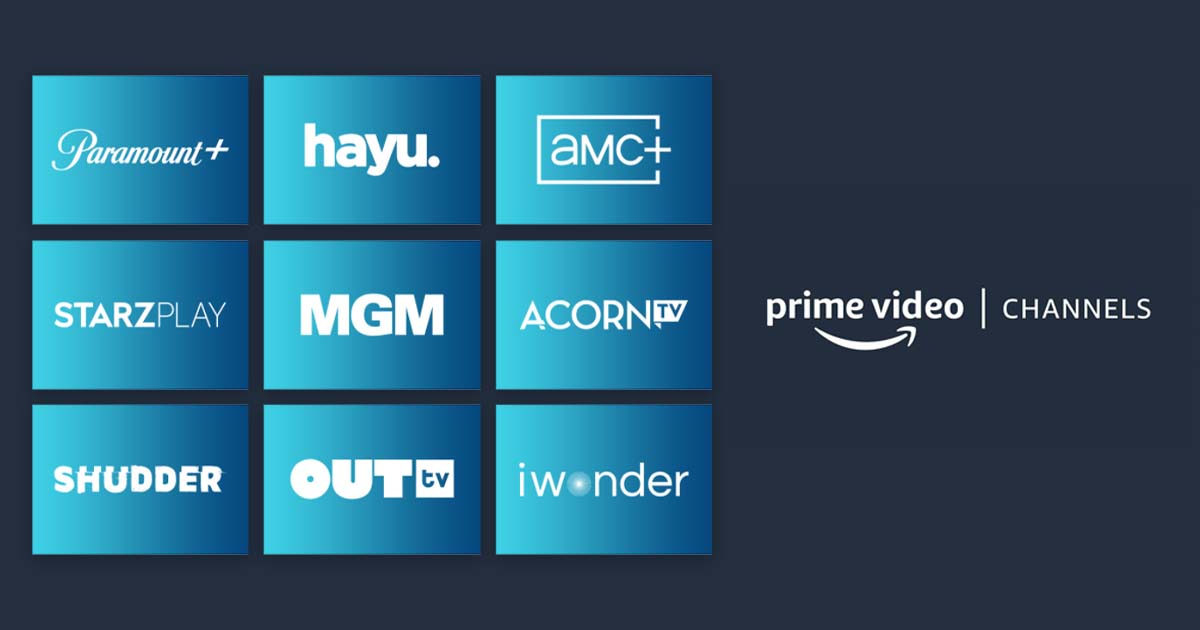
The appeal of this model is multi-faceted, particularly from a technological and user experience perspective. It addresses the growing “subscription fatigue” by providing a unified interface for content discovery and playback. Instead of navigating between several different applications, each with its own UI and authentication process, users benefit from a consistent streaming environment. This consolidation not only streamlines access but also offers centralized billing through an Amazon account, simplifying financial management for multiple digital subscriptions. As we delve deeper, we’ll explore the underlying technology, the user benefits, and how this service is shaping the future of digital content consumption.
The Core Concept: Expanding Your Entertainment Universe
Prime Video Channels fundamentally redefines how consumers interact with their digital content, moving beyond the traditional single-service model to an aggregated, customizable streaming universe. This shift is particularly relevant in an age where the sheer volume of streaming options can be overwhelming.
Beyond the Prime Membership: Differentiating Prime Video’s Included Content from Channels
It’s crucial to understand the distinction between content included with an Amazon Prime membership and content accessed through Prime Video Channels. An Amazon Prime membership, which comes with an annual or monthly fee, provides access to Amazon’s core Prime Video library. This library features thousands of movies and TV shows, including Amazon Originals like “The Boys,” “The Marvelous Mrs. Maisel,” and “Lord of the Rings: The Rings of Power,” all at no additional per-title cost beyond the Prime subscription itself. This is Amazon’s foundational offering, a direct competitor to services like Netflix and Disney+.
Prime Video Channels, however, operate as additional, opt-in subscriptions. Each channel represents a separate streaming service from a third-party provider, and subscribing to one incurs an extra monthly fee on top of the Prime membership. For example, subscribing to AMC+ through Prime Video Channels means you pay your regular Prime fee plus the AMC+ monthly fee. The key benefit here is that while you’re paying for another service, you’re accessing it through the Prime Video platform, leveraging its robust interface, search capabilities, and playback features. This distinction is vital for consumers to manage their entertainment budget and expectations, clearly separating the “included” from the “add-on” services.
The All-in-One Hub Advantage: How It Simplifies Content Management and Discovery
The primary technological and user experience advantage of Prime Video Channels is its ability to create an “all-in-one hub.” In the traditional streaming model, users subscribe to multiple services, each requiring its own app download, login, and interface. This leads to a fragmented experience: to watch a show on HBO, you open the Max app; to watch something on Showtime, you open the Showtime app, and so on. This constant switching can be cumbersome and detract from the viewing experience.
Prime Video Channels addresses this head-on by integrating all subscribed channels directly into the Prime Video application. This means a single app, a single login, and a unified search function across all your subscribed content. If you’re looking for a specific movie or show, the Prime Video search will scan across Amazon’s own library and all your subscribed channels, presenting results from every accessible source. This vastly improves content discovery and reduces the friction associated with managing multiple services. Furthermore, features like watchlists, viewing history, and parental controls are consolidated, offering a coherent management system for your entire entertainment portfolio. This technological integration simplifies the user journey, making digital entertainment more accessible and less of a chore to navigate.
A La Carte vs. Bundles: The Flexibility of Choice
Prime Video Channels offers a compelling model for “a la carte” content consumption, directly contrasting with the traditional cable TV bundle. Cable television historically forced consumers to pay for dozens or hundreds of channels they never watched, simply to get access to a few desired ones. The streaming revolution promised to break this model, allowing users to subscribe only to the services they genuinely wanted. However, as the number of streaming services proliferated, a new form of “mini-bundling” or “subscription fatigue” began to emerge, where managing numerous individual subscriptions became its own challenge.
Prime Video Channels strikes a balance. While it’s not a single “bundle” in the traditional sense, it provides a curated selection of individual channels that users can pick and choose from, offering true flexibility. Users are not locked into pre-defined packages; instead, they can subscribe to Max one month, then cancel it and subscribe to Starz the next, all within the same Prime Video environment. This granular control over subscriptions empowers consumers, allowing them to tailor their entertainment lineup precisely to their interests and budget at any given time. This model leverages the digital flexibility that modern technology affords, allowing for dynamic content access that adapts to the viewer’s preferences, rather than a rigid, pre-packaged offering.
How Prime Video Channels Work: Seamless Integration and Access
The operational elegance of Prime Video Channels lies in its seamless integration, providing a unified user experience across a diverse technological ecosystem. This section explores the practical aspects of how users interact with and manage their channel subscriptions.
The User Experience: Navigating and Subscribing
The technological design of Prime Video Channels prioritizes user-friendliness and intuitive navigation. From a user interface/user experience (UI/UX) perspective, integrating channels into Prime Video means that the familiar layout, menus, and search functionalities are leveraged across all content. When a user opens the Prime Video app, they’ll see content from their subscribed channels seamlessly mixed with Amazon’s own library, often highlighted in dedicated rows or through personalized recommendations. There are also specific sections for “Channels” where users can browse all available add-ons or manage their existing subscriptions.
Subscribing to a new channel is a straightforward process, designed to minimize friction. Users can typically browse channels, view their content libraries (often with free trial options), and subscribe with a single click or tap, leveraging their existing Amazon payment methods. This immediate access, without needing to create new accounts or enter payment details multiple times, is a key convenience factor. The system handles the behind-the-scenes authentication and content access permissions, presenting a unified storefront and playback experience to the user. This level of integration simplifies the journey from discovery to consumption, making it easier for users to expand their content horizons.
Device Compatibility: Watching Across Ecosystems
One of the significant advantages of Prime Video Channels, from a technology standpoint, is its broad device compatibility. Amazon’s Prime Video app is available on almost every major internet-connected device, ensuring that content subscribed through Channels is equally accessible. This extensive reach includes:
- Smart TVs: Directly integrated into most modern smart televisions (Samsung, LG, Sony, Vizio, etc.).
- Streaming Devices: Amazon’s own Fire TV sticks and cubes, Roku devices, Apple TV, Google Chromecast.
- Gaming Consoles: PlayStation (PS4, PS5), Xbox (One, Series X|S).
- Mobile Devices: iOS (iPhone, iPad) and Android smartphones and tablets.
- Web Browsers: Accessible via web browsers on computers and laptops.
This ubiquitous availability means that once a channel is subscribed to via Prime Video, the content can be watched on virtually any device where the Prime Video app is installed and logged in. Users do not need to download separate apps for each channel or worry about specific device support for individual services. This cross-platform consistency is a major technological achievement, providing users with unparalleled flexibility in how and where they consume their content, without the typical headaches of device compatibility.
Management and Billing: Digital Subscription Lifecycle
The management and billing system for Prime Video Channels is another area where Amazon leverages its robust e-commerce infrastructure to simplify the digital subscription lifecycle for consumers. All channel subscriptions are billed directly through the user’s Amazon account, using the payment method on file. This consolidation means:
- Single Bill: Instead of receiving separate bills from multiple streaming providers, all Prime Video Channels charges appear on a single Amazon statement, along with any other Amazon purchases.
- Centralized Management: Users can manage all their channel subscriptions from a dedicated section within their Amazon account settings or directly within the Prime Video app. This includes viewing active subscriptions, checking billing dates, and making changes.
- Easy Cancellation: The process for canceling a channel subscription is just as straightforward as subscribing. With a few clicks, users can opt out of a service, avoiding the often-frustrating cancellation procedures found on some individual streaming platforms. This empowers users with greater control over their monthly entertainment spending.
From a technology perspective, this streamlined billing and management system relies on Amazon’s sophisticated backend architecture, securely linking third-party service entitlements to a user’s Amazon account and managing recurring payments. This not only benefits the user through convenience but also provides a reliable and scalable framework for the channel partners, handling the complexities of subscription management and revenue sharing.
The Technological Underpinnings: Delivering Premium Content
Behind the seamless user experience of Prime Video Channels lies a complex and robust technological infrastructure. Delivering high-quality, diverse content from numerous partners to a global audience requires sophisticated systems for streaming, security, personalization, and multi-platform development.

Streaming Infrastructure: How Amazon Delivers Diverse Channels Efficiently
Amazon’s ability to deliver diverse channels efficiently stems from its massive, globally distributed infrastructure, primarily powered by Amazon Web Services (AWS). When a user streams content from a Prime Video Channel, they are tapping into a sophisticated network designed for high performance and reliability. Key components include:
- Content Delivery Networks (CDNs): Amazon utilizes its own CDN (Amazon CloudFront) and potentially integrates with others to cache content at edge locations geographically closer to the end-users. This reduces latency, minimizes buffering, and ensures a smooth streaming experience, even during peak demand.
- Adaptive Bitrate Streaming: Content is encoded in various resolutions and bitrates (e.g., 480p, 720p, 1080p, 4K UHD). The Prime Video player dynamically adjusts the streaming quality based on the user’s internet bandwidth and device capabilities. This ensures optimal playback, preventing interruptions when network conditions fluctuate.
- Scalability and Redundancy: AWS provides the backbone for Prime Video, offering unparalleled scalability to handle millions of concurrent streams and robust redundancy measures to ensure high availability. This is crucial for maintaining service uptime and quality across all channels.
- Integration with Partner Infrastructures: Amazon’s system must securely ingest and integrate content feeds from various channel partners, often requiring standardized APIs and content delivery protocols to ensure compatibility and consistent updates.
This complex interplay of infrastructure ensures that whether a user is watching a movie on Starz or a horror series on Shudder, the underlying delivery mechanism is optimized for a premium, uninterrupted viewing experience.
Content Protection and DRM: Ensuring Secure Delivery of Copyrighted Material
Content protection and Digital Rights Management (DRM) are paramount in the digital streaming industry, especially when aggregating content from numerous copyright holders. Prime Video Channels employs industry-standard and proprietary DRM technologies to safeguard copyrighted material.
- Multi-DRM Support: Amazon likely supports multiple DRM systems, such as Widevine (Google), PlayReady (Microsoft), and FairPlay (Apple), ensuring content can be securely played across a wide range of devices and browsers. This is essential for interoperability with different hardware and software ecosystems.
- Encryption: All streamed content is encrypted during transit and often at rest. This prevents unauthorized access and piracy.
- License Management: When a user requests to watch content, the DRM system verifies their subscription status and issues a temporary license key. This key allows the content to be decrypted and played back only on authorized devices and for the duration specified by the content owner’s rights.
- Forensic Watermarking: In some cases, content may be forensically watermarked, embedding unique identifiers into the video stream that can trace pirated copies back to their source.
The robust DRM framework not only protects the intellectual property of the channel partners but also ensures that Amazon remains a trusted platform for premium content distribution, a critical factor for attracting and retaining high-value streaming services.
Personalization Algorithms: Enhancing Discovery and Recommendations
A core strength of any modern streaming platform, and a significant technological component of Prime Video, is its personalization engine. This applies equally to content from Prime Video Channels, enhancing discovery and user engagement.
- Machine Learning (ML) and Artificial Intelligence (AI): Amazon leverages sophisticated ML algorithms to analyze vast amounts of user data, including viewing history, search queries, ratings, and even the time of day content is watched.
- Recommendation Engine: Based on this data, the AI generates highly personalized recommendations, suggesting movies and shows from both Amazon’s library and all subscribed Prime Video Channels. This helps users discover new content they are likely to enjoy, increasing their engagement with the platform and its diverse offerings.
- Behavioral Targeting: The algorithms also identify viewing patterns and preferences to surface relevant content. For instance, if a user frequently watches horror films on Shudder, the system might recommend other horror content available through AMC+ or within the core Prime Video library.
- Dynamic UI Adjustments: The Prime Video interface itself can dynamically adjust to highlight content from channels a user frequently interacts with, making that content more prominent.
This advanced personalization is crucial for combating content overload, ensuring that despite the immense volume of available content, users can efficiently find what resonates with them, thereby maximizing the value of their subscriptions.
Multi-Platform Development: Ensuring Consistent Experience Across Devices
Developing and maintaining a consistent user experience across the multitude of devices supported by Prime Video is a significant engineering challenge. This requires a multi-platform development strategy that balances universal design principles with device-specific optimizations.
- Cross-Platform Frameworks: While core components might be shared, specific native development for iOS, Android, various Smart TV operating systems (e.g., WebOS, Tizen, Android TV), and gaming consoles is often necessary to leverage unique hardware capabilities and adhere to platform-specific guidelines.
- API-Driven Architecture: A robust API (Application Programming Interface) backend serves as the central communication hub, providing content metadata, user profiles, subscription statuses, and playback URLs to all client applications. This ensures consistency in data and functionality regardless of the device.
- UI/UX Adaptability: The user interface must adapt gracefully to different screen sizes, input methods (remote control, touchscreen, gamepad), and processing power. This involves responsive design principles and careful consideration of interaction models unique to each device category.
- Continuous Integration/Continuous Deployment (CI/CD): Amazon likely employs extensive CI/CD pipelines to ensure rapid iteration, testing, and deployment of updates across all supported platforms. This allows for quick bug fixes, feature rollouts, and performance improvements, maintaining a high-quality experience for users.
This intricate approach to multi-platform development is what allows Prime Video Channels to offer a remarkably consistent and reliable experience, whether you’re watching on a high-end 4K TV, a smartphone, or a gaming console, reinforcing its position as a truly ubiquitous entertainment hub.
Evaluating Prime Video Channels: Pros, Cons, and the Future of Streaming
Understanding Prime Video Channels requires a holistic view, considering its advantages, potential drawbacks, and its broader implications for the future direction of digital entertainment and technology.
Advantages for the Tech-Savvy User: Convenience, Consolidated Billing, Integrated Search
For the tech-savvy user, Prime Video Channels offers several compelling advantages that streamline the digital entertainment experience:
- Unparalleled Convenience: The primary draw is the ability to manage and access multiple streaming services from a single app and a single login. This eliminates the need to remember numerous passwords, navigate different interfaces, and switch between applications, significantly reducing digital friction.
- Consolidated Billing: Having all add-on subscriptions billed through a single Amazon account simplifies financial management. Users receive one statement, making it easier to track and budget for their entertainment expenses, rather than dealing with multiple recurring charges from various providers.
- Integrated Search and Discovery: The unified search functionality is a game-changer. It allows users to search for content across Prime Video’s core library and all their subscribed channels simultaneously. This powerful tool significantly enhances content discovery, helping users quickly find what they want to watch without knowing which specific service hosts it.
- Centralized Watchlist and Recommendations: Features like watchlists and personalized recommendations also benefit from this integration, providing a more comprehensive view of available content and suggesting relevant titles from across all subscribed services.
- Free Trials: Many channels offer free trials through Prime Video, making it easy and low-risk for users to sample new content before committing to a paid subscription.
These technological benefits combine to create a highly efficient and user-friendly ecosystem, particularly appealing to those who value simplicity and integration in their digital lives.
Potential Drawbacks: Subscription Fatigue, Content Overlap, Internet Reliance
While the advantages are clear, Prime Video Channels also presents some potential drawbacks from a user and technological perspective:
- Continued Subscription Fatigue (with a Twist): Although it consolidates access, Prime Video Channels doesn’t eliminate the cost of multiple subscriptions. Users might still experience “subscription fatigue” in terms of their overall spending, even if the management is simplified. The psychological burden of seeing multiple line items on a single Amazon bill might still be present.
- Content Overlap and Redundancy: Some content might be available on multiple services or through different channels, leading to potential redundancy and paying for the same content twice if not carefully managed. While the integrated search helps, it doesn’t prevent this overlap from occurring.
- Reliance on a Single Platform: Tying all entertainment to Amazon’s platform means users are highly dependent on Prime Video’s app functionality and Amazon’s servers. If Prime Video experiences outages or technical issues, all subscribed channels are affected, which wouldn’t be the case if users subscribed to services directly through their native apps.
- No Price Advantage (Typically): Subscribing to a channel through Prime Video typically costs the same as subscribing directly from the channel’s own website/app. There are rarely significant price reductions, meaning the benefit is primarily convenience rather than cost savings.
- Internet Dependence: Like all streaming services, Prime Video Channels requires a stable and reasonably fast internet connection. Users in areas with limited bandwidth or data caps might find streaming high-definition content from multiple sources challenging or costly.
These considerations highlight the trade-offs inherent in any aggregated service, balancing convenience with potential dependencies and financial implications.
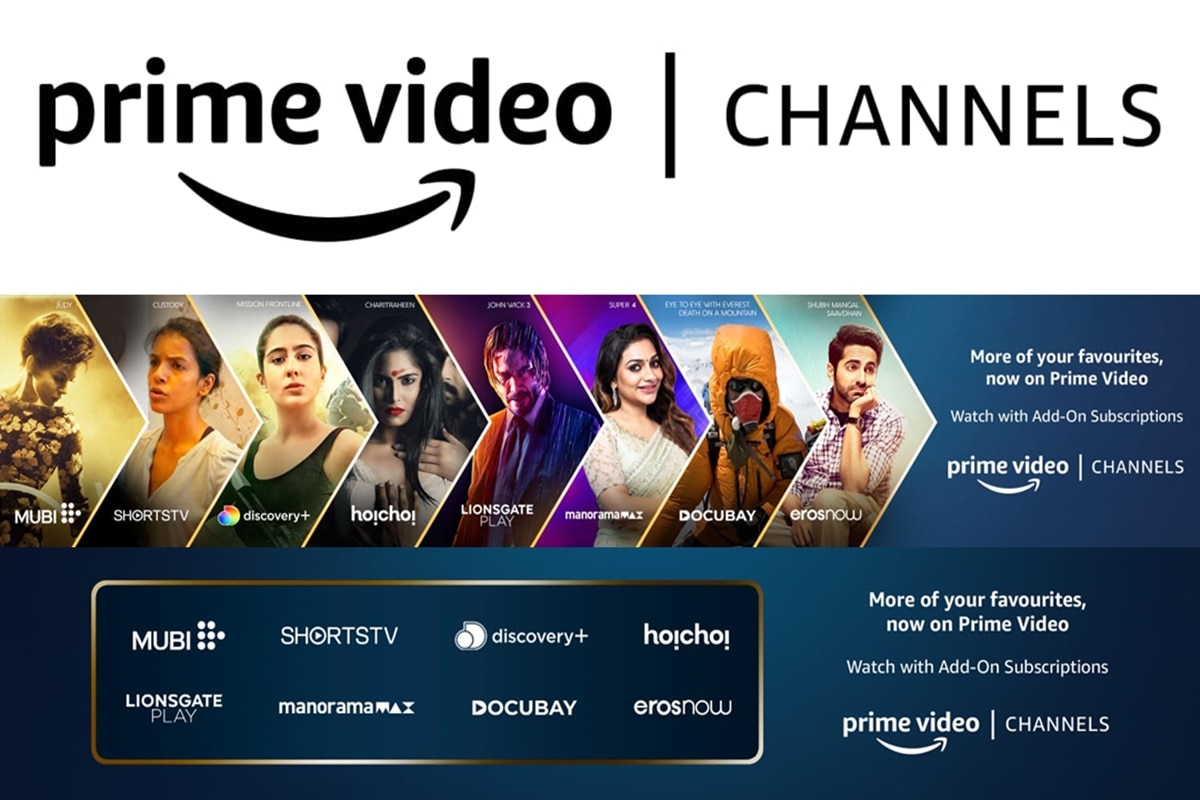
The Future Landscape: How Channel Aggregators Like Prime Video Channels Are Shaping Streaming
Prime Video Channels is more than just a feature; it’s a significant indicator of the future direction of the streaming industry, reflecting evolving consumer demands and technological capabilities.
- Shift Towards Aggregation: The proliferation of streaming services led to fragmentation. Platforms like Prime Video Channels (and similar models from Apple TV Channels, Roku Channel Premium Subscriptions) signify a strong industry trend towards aggregation. Consumers are increasingly seeking unified interfaces that simplify access and management of their diverse content libraries, rather than downloading dozens of individual apps.
- Competition with Traditional Cable: These aggregators are directly challenging the traditional cable TV model. By allowing users to pick and choose “channels” à la carte through a single digital hub, they offer a more flexible, personalized, and often more cost-effective alternative to pre-packaged bundles. This is the “cable cutting” vision fully realized through technology.
- Data-Driven Personalization: The technological ability of platforms like Prime Video to collect and analyze extensive user data across multiple channels positions them to offer ever more sophisticated and effective personalization. This data-driven approach will continue to shape content recommendations and potentially influence future content acquisition strategies.
- Ecosystem Lock-in and Value Proposition: For Amazon, Prime Video Channels strengthens the value proposition of its Prime membership, encouraging deeper engagement within the Amazon ecosystem. This strategy aims to create a “sticky” platform where users are less likely to leave due to the convenience and integration offered.
- The Role of Super-Apps: In a broader technological context, Prime Video Channels can be seen as an example of a “super-app” strategy in the entertainment sector, where a single application attempts to meet a wide range of user needs, consolidating various services into one powerful interface. This trend is likely to continue as digital ecosystems mature.
In conclusion, Prime Video Channels represents a forward-thinking technological solution to the modern challenge of content overload and fragmentation. By leveraging robust infrastructure, intelligent algorithms, and a focus on user experience, it has successfully created a central hub for digital entertainment, shaping consumer expectations and setting a new standard for how we discover, access, and manage our streaming content in the digital age.
aViewFromTheCave is a participant in the Amazon Services LLC Associates Program, an affiliate advertising program designed to provide a means for sites to earn advertising fees by advertising and linking to Amazon.com. Amazon, the Amazon logo, AmazonSupply, and the AmazonSupply logo are trademarks of Amazon.com, Inc. or its affiliates. As an Amazon Associate we earn affiliate commissions from qualifying purchases.