
In an era defined by data and digital solutions, understanding and managing our personal health has become more accessible and precise than ever before. Calculating your calorie intake, once a tedious exercise involving manual logbooks and rough estimates, has been revolutionized by technology. Far from being just a number, calories represent the energy our bodies need to function, grow, and repair. Accurately tracking them is fundamental for achieving a myriad of health goals, whether it’s weight management, muscle gain, or simply maintaining a healthy lifestyle. This article delves into how modern technology—from sophisticated apps to wearable devices and AI-driven platforms—empowers individuals to calculate and manage their calorie intake with unprecedented accuracy and convenience, turning complex nutritional science into actionable daily insights.
Understanding the Fundamentals: Beyond Manual Calculations with Tech Precursors
Before diving into the digital tools, it’s crucial to grasp the foundational concepts of calorie calculation. Technology doesn’t replace these principles but rather automates and enhances their application. Historically, these calculations required formulas and careful tracking, but today’s tools streamline this, making it understandable for everyone.
The Basal Metabolic Rate (BMR) and Total Daily Energy Expenditure (TDEE): Core Concepts
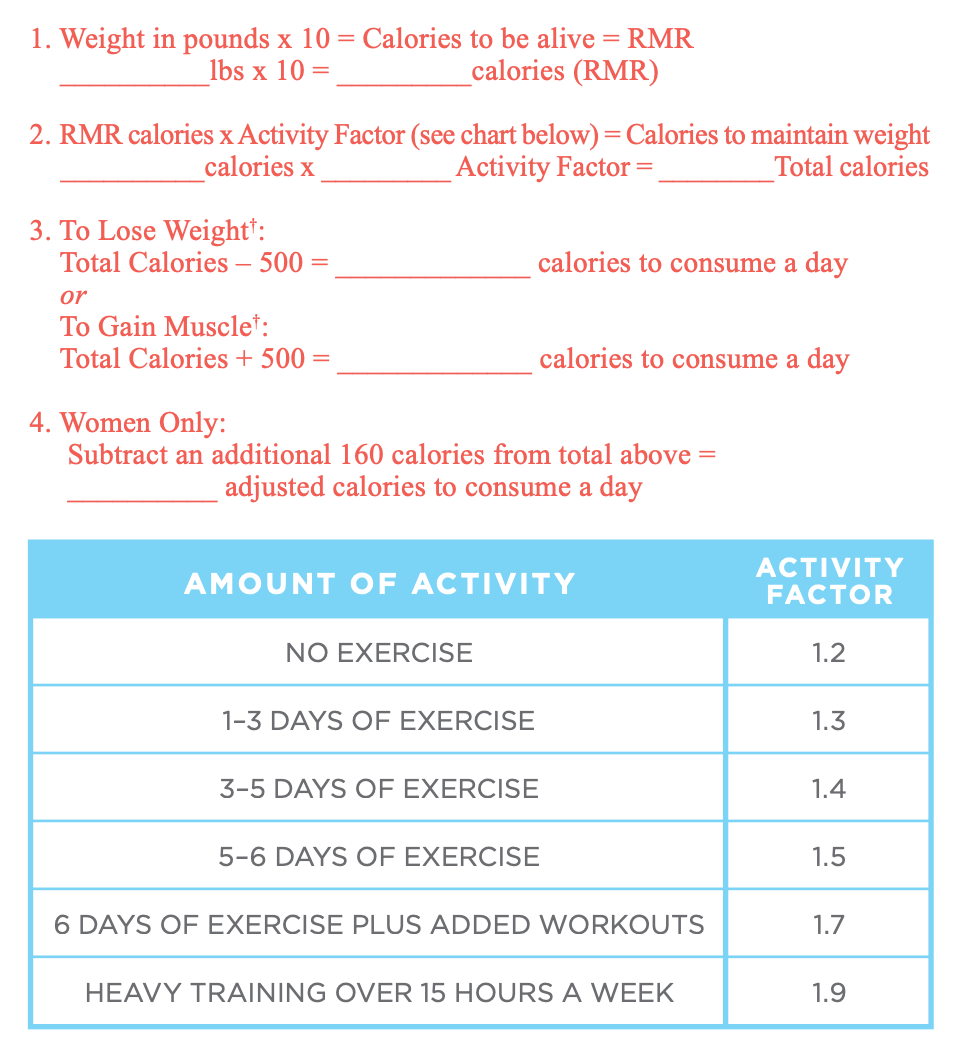
At the heart of calorie calculation lie two critical metrics: Basal Metabolic Rate (BMR) and Total Daily Energy Expenditure (TDEE). Your BMR is the number of calories your body burns at rest to maintain basic life-sustaining functions—breathing, circulation, cell production, and nutrient processing. It’s the minimum energy required to simply exist. Traditionally, BMR was estimated using formulas like the Mifflin-St Jeor equation or the Harris-Benedict equation, which consider factors such as age, gender, weight, and height.
Your TDEE, on the other hand, is your BMR plus the calories burned through all other activities throughout the day, including digestion (thermic effect of food), exercise, and non-exercise activity thermogenesis (NEAT, like walking, fidgeting, etc.). Calculating TDEE manually involved multiplying your BMR by an activity factor, a subjective estimate of your daily activity level. This is where technology first began to offer a significant advantage, providing more objective data.
Macronutrients and Energy Balance: The Digital Tracking Imperative
Calories are derived from macronutrients: carbohydrates, proteins, and fats. Carbohydrates and proteins each provide approximately 4 calories per gram, while fats provide about 9 calories per gram. Alcohol also contributes calories at around 7 calories per gram. Maintaining energy balance—consuming roughly the same number of calories as your TDEE—is key for weight maintenance. A caloric surplus leads to weight gain, while a deficit leads to weight loss.
Manually tracking macronutrients and their corresponding caloric values for every meal and snack is a monumental task. It requires detailed knowledge of food composition and constant arithmetic. This inherent complexity made consistent, accurate tracking impractical for most people before the advent of digital nutrition logging. The “digital tracking imperative” emerged from the sheer need to simplify this process, making precise macronutrient and calorie monitoring accessible to the average person without requiring them to be a nutritionist or a mathematician. Technology bridges this gap, transforming a complex, time-consuming chore into an integrated, often automated, part of daily life.
Leveraging Digital Tools for Precision and Convenience
The real game-changer in calorie intake calculation and management has been the proliferation of digital tools. These technologies move beyond mere calculation, offering comprehensive platforms for tracking, analysis, and goal setting.
The Power of Calorie Tracking Apps: Features and Functionality
Calorie tracking apps have become indispensable for millions looking to manage their diet. Applications like MyFitnessPal, Cronometer, LoseIt!, and Fooducate offer extensive databases of foods, allowing users to log meals with remarkable ease. Key features include:
- Vast Food Databases: These apps boast databases containing millions of food items, including branded products, restaurant meals, and generic ingredients, often with verified nutritional data.
- Barcode Scanners: A revolutionary feature, barcode scanning allows users to instantly log packaged foods by simply scanning their UPC code, pulling up all relevant nutritional information. This eliminates manual entry and significantly improves accuracy.
- Meal Logging and Custom Recipes: Users can log individual ingredients, save custom meals, and even input their own recipes, with the app automatically calculating the total calories and macronutrients per serving.
- Goal Setting and Progress Tracking: Beyond logging, these apps enable users to set specific caloric and macronutrient goals based on their BMR, TDEE, and desired outcomes (e.g., weight loss, muscle gain). They provide visual dashboards to track progress over time, offering motivation and insights.
- Community Support: Many apps integrate social features, allowing users to connect with friends, share progress, and find support, fostering accountability and engagement.
The convenience and depth of data provided by these apps make consistent calorie tracking viable for almost anyone. They transform an arduous task into an engaging, user-friendly experience, providing immediate feedback on dietary choices.
Wearable Technology and Smart Devices: Automated Data Collection
While apps excel at food logging, wearable technology and smart devices automate the collection of activity data, which is crucial for refining TDEE estimates.
- Fitness Trackers and Smartwatches: Devices from brands like Fitbit, Apple Watch, Garmin, and Whoop continuously monitor heart rate, steps taken, distance covered, and estimated calories burned during exercise and throughout the day. By accurately tracking physical activity, these wearables provide a more precise component for calculating TDEE than manual activity factor estimations.
- Smart Scales: Modern smart scales not only track weight but can also estimate body composition (body fat percentage, muscle mass, water percentage) through bioelectrical impedance analysis (BIA). Many can sync this data directly with calorie tracking apps, providing a holistic view of progress and helping users adjust their calorie goals based on changes in body composition rather than just weight.
- Integration with Calorie Apps: The true power of these devices lies in their seamless integration with calorie tracking apps. Activity data from a smartwatch can automatically adjust your daily calorie expenditure in MyFitnessPal, for example, giving you real-time insights into your energy balance. This reduces the need for manual input and ensures that calorie targets are dynamically updated based on actual activity levels.

This ecosystem of interconnected devices paints a comprehensive picture of energy input and output, moving calorie calculation from a static estimate to a dynamic, personalized model.
Online Calculators and AI-Enhanced Insights: Simplifying the Equation
Beyond apps and wearables, the internet offers a wealth of tools for initial calorie calculations, and advanced AI is beginning to provide even deeper, more personalized insights.
Web-Based BMR/TDEE Calculators: Quick Estimates and Customization
Numerous free online calculators provide quick and easy estimates of BMR and TDEE. By inputting basic demographic information (age, gender, height, weight) and selecting an activity level, these tools instantly provide a baseline calorie target.
- Accessibility and Simplicity: These calculators are a great starting point for anyone new to calorie tracking. They demystify the initial calculation process and provide an immediate, actionable number.
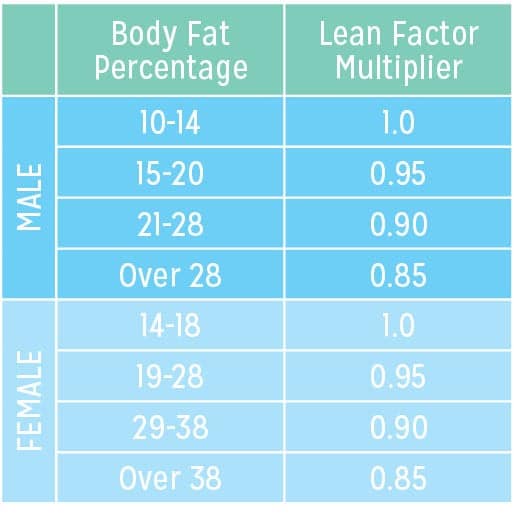
- Customization Options: Many advanced online calculators allow for more granular input, such as body fat percentage, to provide a slightly more accurate BMR estimate. They also often offer recommendations for caloric deficits or surpluses based on specific weight goals.
- Limitations: While useful for initial estimates, these web-based tools rely on generalized formulas and user-reported activity levels, which can sometimes be inaccurate. They lack the dynamic adjustment capabilities of integrated apps and wearables but serve as an excellent first step.
These calculators often serve as the first touchpoint for individuals exploring calorie management, offering a low-barrier entry to understanding personal energy needs.
AI and Machine Learning in Nutritional Guidance: Predictive Analytics and Personalization
The next frontier in calorie management involves artificial intelligence and machine learning. AI moves beyond simple calculation, offering predictive analytics and highly personalized guidance.
- Pattern Recognition and Predictive Adjustments: AI algorithms can analyze vast amounts of user data—food logs, activity levels, weight fluctuations, and even sleep patterns—to identify trends and predict how dietary changes might impact outcomes. For example, if an AI notices a user consistently underestimating portion sizes, it can flag this and offer corrective suggestions.
- Personalized Meal Recommendations: Advanced AI can generate meal plans tailored to individual preferences, dietary restrictions, calorie goals, and even micronutrient needs, learning from past food choices and health responses. Some AI-powered apps use natural language processing to understand complex food requests and suggest recipes.
- Dynamic Goal Adjustment: AI can dynamically adjust calorie targets based on real-time data and observed progress. If weight loss stalls despite adherence to a calorie deficit, AI can suggest slight adjustments to maintain progress, learning from the individual’s unique metabolic response.
- Behavioral Insights: Beyond just numbers, AI can provide insights into eating behaviors, identifying patterns of emotional eating, late-night snacking, or skipped meals, offering personalized strategies to overcome these challenges.
AI-driven nutrition platforms represent a significant leap from simple calorie counting to intelligent, adaptive, and highly personalized dietary coaching, turning raw data into truly actionable insights.
Best Practices for Tech-Assisted Calorie Management
While technology offers incredible advantages, its effectiveness hinges on how it’s used. Adopting best practices ensures that your digital tools truly serve your health goals.
Data Accuracy and Consistency: Maximizing Digital Tool Effectiveness
The golden rule of tech-assisted calorie tracking is “garbage in, garbage out.” The accuracy of your insights is directly proportional to the accuracy of your data input.
- Weigh Your Food: Eyeballing portion sizes is a common source of error. Using a digital food scale, especially for dense foods and ingredients, provides the most accurate caloric and macronutrient data.
- Be Diligent with Logging: Log everything you eat and drink, preferably immediately after consumption or as part of a meal prep routine. Forgotten items can significantly skew your daily totals.
- Cross-Reference Food Data: While app databases are extensive, occasionally check nutritional information against reliable sources, especially for homemade meals or lesser-known products.
- Consistent Use: The power of data comes from consistency. Regular logging, activity tracking, and syncing of devices build a comprehensive historical record that enables better analysis and more accurate adjustments over time.
- Review and Adjust: Regularly review your logged data. If your progress isn’t aligning with your calorie targets, reassess your input methods and consider minor adjustments to your intake or activity estimates.
Integrating Technology into a Holistic Health Strategy: Beyond Just Calories
Calorie intake is a vital component of health, but it’s not the only one. Technology offers the unique ability to integrate calorie data with other crucial aspects of wellness, fostering a holistic approach.
- Sleep Tracking: Many wearables track sleep patterns and quality. Poor sleep can impact hormone regulation (like ghrelin and leptin, which influence hunger and satiety) and metabolism, affecting calorie needs and adherence to diet. Integrated platforms can show how sleep correlates with hunger or food choices.
- Stress Management: Some smartwatches offer stress tracking or guided breathing exercises. Chronic stress can also influence eating habits and metabolic function.
- Hydration Monitoring: Several apps and smart bottles help track water intake, which is essential for overall health and can sometimes be confused with hunger.
- Mindfulness and Eating Behaviors: While less common, some apps incorporate elements of mindful eating, encouraging users to pay attention to hunger and satiety cues, complementing the quantitative data.
By linking these various data streams, technology helps individuals see the bigger picture: how diet, activity, sleep, and stress interact to influence overall health and well-being. This integrated perspective allows for more nuanced interventions and a sustainable approach to health management that goes far beyond simply counting calories.
Conclusion
The journey to calculate and manage your calorie intake has been utterly transformed by technology. From basic online calculators providing initial estimates to sophisticated apps offering extensive food databases and barcode scanning, and further still to wearable devices automating activity tracking, the tools at our disposal are more powerful than ever. The emerging capabilities of AI and machine learning promise even greater personalization, predictive insights, and dynamic guidance, turning a complex nutritional science into an accessible, actionable, and engaging daily practice. By embracing these technological advancements and applying best practices for data accuracy and holistic integration, individuals can gain unprecedented control over their nutritional well-being, paving the way for more informed choices and sustainable health outcomes. In the digital age, managing your calorie intake isn’t just about counting numbers; it’s about leveraging smart tools to unlock a healthier, more precise you.
aViewFromTheCave is a participant in the Amazon Services LLC Associates Program, an affiliate advertising program designed to provide a means for sites to earn advertising fees by advertising and linking to Amazon.com. Amazon, the Amazon logo, AmazonSupply, and the AmazonSupply logo are trademarks of Amazon.com, Inc. or its affiliates. As an Amazon Associate we earn affiliate commissions from qualifying purchases.