
Private health cover is more than just a medical safety net; it’s a significant financial decision that impacts personal budgets and long-term financial planning. For many, navigating the complexities of health insurance costs, benefits, and trade-offs can feel overwhelming. This article will demystify the financial investment required for private health cover, breaking down the factors that influence its price and offering strategies to manage these costs effectively within a “Money” framework. Understanding “how much” isn’t just about the premium; it’s about the total financial commitment and the value derived from this critical investment in your health and peace of mind.
The Core Components Influencing Private Health Cover Costs
The price of private health cover is rarely a fixed figure. Instead, it’s a dynamic sum influenced by a multitude of variables that an insurer assesses to determine your individual or family premium. Grasping these foundational elements is the first step in understanding your financial outlay.
Age and Health Status: A Primary Determinant
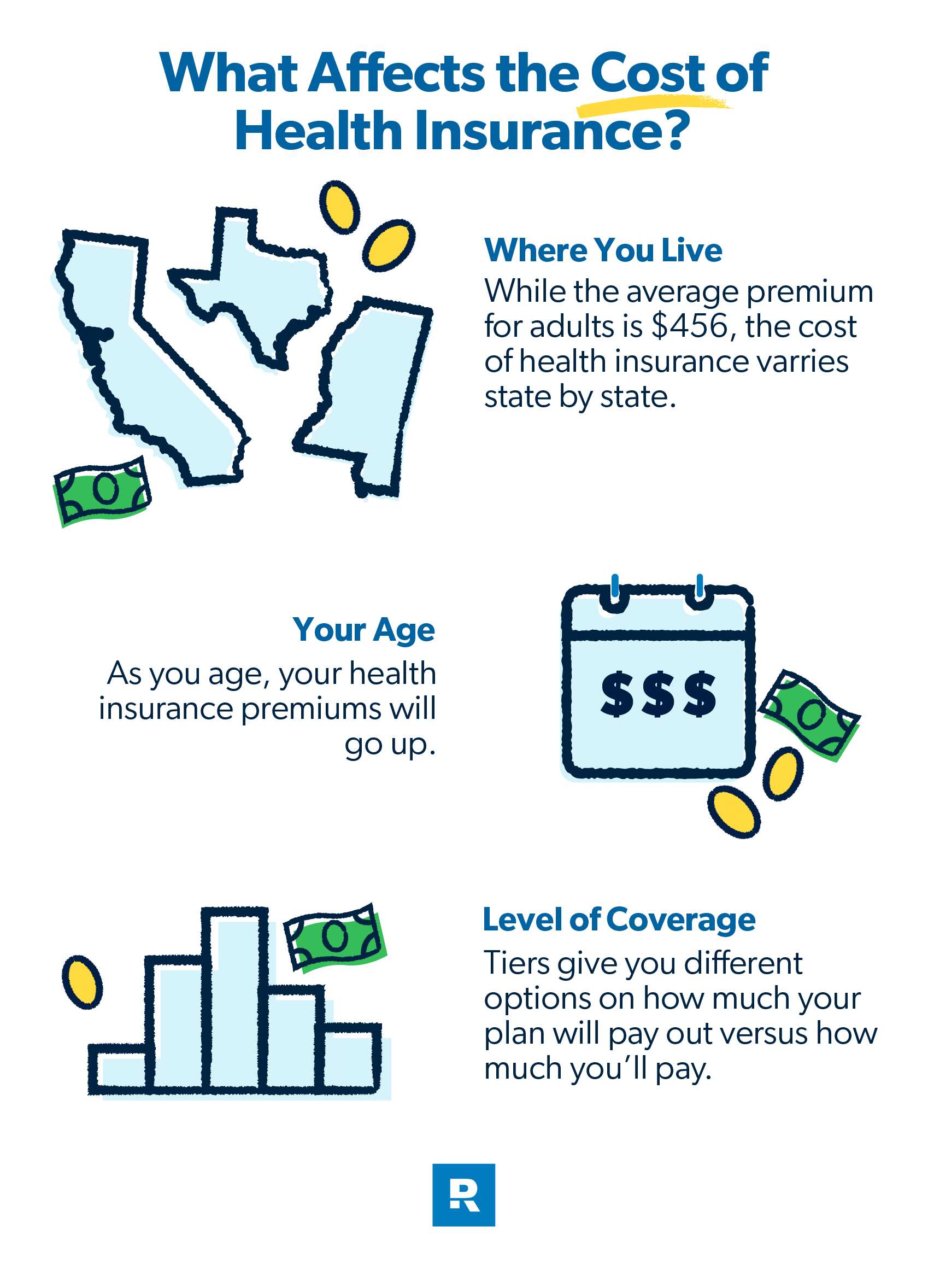
One of the most significant factors influencing private health cover premiums is the age of the applicant. Generally, younger individuals, who are statistically less likely to require extensive medical care, face lower premiums. As people age, the risk of developing health conditions increases, leading to higher insurance costs. In some markets, particularly those with risk-rated systems, pre-existing conditions can directly impact premiums or the availability of certain coverages. Even in community-rated systems, where everyone pays the same for basic cover regardless of health, age-related surcharges or lifetime health cover loading can apply if you delay purchasing insurance. Lifestyle factors such as smoking status or Body Mass Index (BMI) might also be considered by some insurers in markets that allow for such underwriting, directly affecting your financial commitment.
Level of Coverage: From Basic to Comprehensive
The breadth and depth of your chosen policy are paramount in determining its cost. Basic hospital-only plans, which typically cover essential inpatient services and treatments, will naturally carry a lower premium. In contrast, comprehensive plans offer extensive coverage, often including private hospital stays, a wider choice of doctors and specialists, and additional benefits like “extras” cover for services such as dental, optical, physiotherapy, and chiropractic care. Many systems also categorize hospital cover into tiers (e.g., Bronze, Silver, Gold), with each tier offering an increasing range of covered procedures and conditions, directly correlating with a higher premium. The more extensive the services you wish to have covered, the higher your financial contribution will be.
Geographic Location and Local Healthcare Costs
Where you live can surprisingly affect your private health cover costs. Healthcare expenses, including hospital fees, specialist charges, and the cost of medical procedures, vary significantly by region, city, and even specific zip code. In areas with a higher cost of living or a more competitive healthcare market, insurance premiums tend to be higher to reflect the underlying costs of providing care. Factors like the density of private hospitals, the average wages for medical professionals, and the overall demand for healthcare services in a particular region all contribute to the geographical variation in insurance pricing. This means two identical policies could have different financial implications depending on your address.
Insurer and Plan Specifics: A Competitive Landscape
The private health insurance market is often competitive, with numerous providers offering a diverse range of plans. Each insurer develops its own pricing models, benefit structures, and network of preferred providers. This means that two different insurers might offer what appears to be a similar level of coverage at vastly different premium costs. Variations in factors like the insurer’s administrative overheads, their risk assessment models, the size of their member base, and their profit margins all play a role. Furthermore, specific plan features, such as access to exclusive hospitals or wellness programs, can also influence the premium. Diligent comparison shopping is crucial to finding a plan that aligns with both your health needs and your financial capacity.
Dissecting the Financial Mechanics: Premiums, Deductibles, and Out-of-Pocket Expenses
Understanding the upfront cost of your premium is only part of the financial picture. Private health cover involves several other financial components that contribute to your overall expenditure. These mechanics dictate not just your regular payments, but also your financial responsibilities when you actually use your insurance.
Understanding Premiums: Your Regular Payment
The premium is the most straightforward financial aspect of private health cover – it’s the regular payment you make to the insurance company, typically monthly or annually, to maintain your coverage. This payment is your entry ticket to the policy’s benefits. Premiums are calculated based on the factors discussed previously (age, level of cover, location, insurer). In some countries, premiums might be subject to community rating, meaning everyone pays the same for a standard policy regardless of their individual health status. In other systems, premiums might be risk-rated, directly reflecting your personal health profile. Understanding how your premium is calculated gives you insight into its financial drivers and helps you budget accordingly.
Deductibles, Co-pays, and Excesses: Your Share of the Cost
Beyond the premium, you’ll likely encounter deductibles, co-pays, or excesses – these are the amounts you must pay out-of-pocket when you receive medical services before your insurance benefits kick in or as your share of the cost.
- Deductible: This is a fixed amount you must pay for covered healthcare services before your health insurance starts to pay. For example, if you have a $1,000 deductible, you’ll pay the first $1,000 of your medical bills yourself each year.
- Co-payment (Co-pay): A fixed amount you pay for a covered healthcare service after you’ve paid your deductible. For instance, a $20 co-pay for a doctor’s visit.
- Excess (or Co-insurance): A percentage of the cost of a covered healthcare service you pay after you’ve paid your deductible. For example, if your plan pays 80% for a service, you’ll pay the remaining 20%.
There’s often a trade-off: policies with lower monthly premiums typically have higher deductibles or excesses, meaning you pay more out-of-pocket when you need care. This is a crucial financial decision balancing lower regular payments against higher potential costs during illness.
Out-of-Pocket Maxima: Capping Your Financial Risk
An out-of-pocket maximum (or out-of-pocket limit) is a critically important financial safety net within your health insurance policy. This is the absolute maximum amount you will have to pay for covered medical expenses in a given year. Once you reach this limit through your deductibles, co-pays, and co-insurance, your insurance company will then pay 100% of the costs for covered benefits for the remainder of that policy year. Understanding your out-of-pocket maximum is vital for financial planning, as it defines the upper limit of your financial exposure to medical costs, protecting you from potentially catastrophic bills in the event of a severe illness or accident.
Waiting Periods: A Financial Reality
Most private health insurance policies, especially for higher-level benefits like major dental work, optical, or hospital admissions for pre-existing conditions, impose waiting periods. These are specified lengths of time you must hold the cover before you can claim benefits for certain services. For example, you might have a 2-month waiting period for general dental or a 12-month waiting period for a pre-existing condition requiring hospitalisation. From a financial perspective, this means you are paying premiums during these waiting periods without being able to access all the benefits for which you are paying. It’s essential to factor these periods into your financial timeline, especially if you anticipate needing specific treatments soon after purchasing cover.
Beyond the Premium: Uncovering the True Value and Hidden Costs

Evaluating private health cover goes beyond just comparing premium prices. A holistic financial assessment must also consider less obvious costs and potential savings, which can significantly alter the perceived “value” of a policy. Understanding these additional financial dimensions ensures a more accurate picture of your total investment.
Tax Incentives and Government Rebates
In many countries, governments provide incentives to encourage citizens to take up private health cover, effectively reducing the net financial burden. These can come in various forms, such as tax offsets, rebates, or subsidies. For instance, some nations offer a percentage rebate on private health insurance premiums, directly lowering your out-of-pocket premium cost. Others might provide tax benefits for individuals who purchase specific types of plans, or penalize those who don’t purchase cover by a certain age. These incentives are designed to make private insurance more financially accessible and must be factored into any cost analysis, as they can significantly reduce the true “how much” you’re paying.
The Cost of Not Having Private Health Cover
While not a direct premium cost, the financial implications of not having private health cover can be substantial and, for some, prohibitive. Relying solely on a public healthcare system might mean facing lengthy waiting lists for elective surgeries or specialist consultations, which can impact your quality of life, ability to work, or lead to a worsening condition. In some systems, even emergency care or specific treatments can incur significant out-of-pocket expenses without private cover. The financial risk of unexpected medical emergencies or serious illnesses, potentially leading to substantial medical bills, loss of income due to extended recovery, or even asset depletion, is the “hidden cost” of foregoing private insurance. For many, private cover is a financial hedge against these potentially devastating expenses.
Network Restrictions and Provider Choice
Many private health insurance plans operate within specific networks of doctors, hospitals, and specialists. Plans like Health Maintenance Organizations (HMOs) or Preferred Provider Organizations (PPOs) can significantly influence your financial outlay. While HMOs often have lower premiums, they restrict your choice to providers within their network, and seeking care outside this network usually means paying the full cost yourself. PPOs offer more flexibility but often come with higher premiums and higher out-of-pocket costs (e.g., higher co-pays or deductibles) for out-of-network services. Understanding these network restrictions is crucial, as going out-of-network unexpectedly can lead to significant unanticipated financial charges, negating any perceived premium savings.
Inflation and Premium Increases
Health insurance premiums are not static; they tend to increase annually due to rising healthcare costs, medical advancements, and general inflation. These annual premium hikes, often exceeding the general inflation rate, are a persistent financial challenge. When budgeting for private health cover, it’s essential to consider that next year’s premium will likely be higher than this year’s. This continuous upward trend means that the long-term financial commitment to private health cover needs to be factored into your ongoing financial planning, potentially requiring adjustments to other budget categories over time.
Strategies for Managing and Reducing Private Health Cover Costs
Effectively managing the financial investment in private health cover requires proactive strategies. While premiums are an ongoing expense, there are several ways to optimize your policy and potentially reduce your overall financial outlay without compromising essential coverage.
Comparing Policies and Insurers Diligently
One of the most effective ways to manage costs is to regularly compare policies from different insurers. The market is dynamic, and what was the best value last year may not be today. Utilize comparison websites, engage with independent brokers, and meticulously review the policy details. Focus not just on the premium, but on the benefits, exclusions, waiting periods, and out-of-pocket costs associated with each plan. A slightly higher premium might offer better value if it significantly reduces potential out-of-pocket expenses for services you regularly use.
Optimizing Your Deductible and Coverage Level
Reviewing your deductible and level of coverage annually is a smart financial move. If you are generally healthy and have sufficient emergency savings, opting for a higher deductible can substantially lower your monthly premiums. This strategy shifts some financial risk to you for minor healthcare needs but maintains protection against major, unexpected costs. Conversely, if your health needs have changed or you anticipate higher medical expenses, adjusting to a lower deductible or more comprehensive plan might be more financially prudent, even if it means a higher premium. Balance your risk tolerance with your financial capacity.
Leveraging Employer-Sponsored Plans
If your employer offers private health insurance as part of an employee benefits package, it’s almost always the most cost-effective option. Employer-sponsored plans typically benefit from group purchasing power, which means lower premiums and often more comprehensive benefits compared to individual plans you might purchase independently. Employers frequently subsidize a portion of the premiums, further reducing your financial burden. Always explore employer-provided options thoroughly before seeking individual coverage.
Exploring Health Savings Accounts (HSAs) and Flexible Spending Accounts (FSAs)
For those in countries where they are available, Health Savings Accounts (HSAs) and Flexible Spending Accounts (FSAs) are powerful financial tools to help manage healthcare costs. HSAs, typically paired with high-deductible health plans, offer a triple tax advantage: tax-deductible contributions, tax-free growth, and tax-free withdrawals for qualified medical expenses. FSAs allow you to set aside pre-tax money for healthcare costs, reducing your taxable income. These accounts provide a tax-efficient way to save and pay for deductibles, co-pays, and other out-of-pocket medical expenses, effectively lowering your net financial outlay for healthcare.
Maintaining Good Health
While it might not directly lower your premiums in every system (especially community-rated ones), investing in your health through a balanced diet, regular exercise, and preventative care can indirectly save you money. Good health reduces the likelihood of needing costly medical interventions, hospitalizations, or specialized treatments. This, in turn, minimizes your out-of-pocket expenses related to deductibles, co-pays, and co-insurance. Preventative care, often covered at 100% by many plans, can identify issues early, preventing more expensive treatments down the line.

Conclusion
Understanding “how much private health cover” truly costs extends far beyond the headline premium. It encompasses a complex interplay of personal factors, policy specifics, market dynamics, and potential out-of-pocket expenses. Private health cover represents a significant financial investment, an ongoing commitment that requires careful budgeting and regular review. By dissecting the core components influencing costs, grasping the financial mechanics of premiums and deductibles, recognizing hidden expenses and tax incentives, and implementing strategic cost-management techniques, individuals can make informed decisions. The ultimate goal is to strike a balance between adequate coverage, financial affordability, and the invaluable peace of mind that comes with knowing your health, and your finances, are protected. As with any substantial financial decision, thorough research and seeking professional financial advice are highly recommended.
aViewFromTheCave is a participant in the Amazon Services LLC Associates Program, an affiliate advertising program designed to provide a means for sites to earn advertising fees by advertising and linking to Amazon.com. Amazon, the Amazon logo, AmazonSupply, and the AmazonSupply logo are trademarks of Amazon.com, Inc. or its affiliates. As an Amazon Associate we earn affiliate commissions from qualifying purchases.