
In the complex landscape of personal finance, few questions evoke as much apprehension and confusion as “how much is health coverage?” For many, the cost of medical protection is a formidable barrier, a fluctuating figure influenced by a myriad of factors that can make apples-to-apples comparisons feel impossible. Yet, understanding this critical expense is not merely about finding the cheapest option; it’s about making an informed investment in your financial security, physical well-being, and peace of mind. This article will demystify the core components that drive health coverage costs, explore the various avenues through which coverage can be obtained, and offer actionable strategies for managing these essential expenditures within your financial plan.
The Core Components Influencing Health Coverage Costs
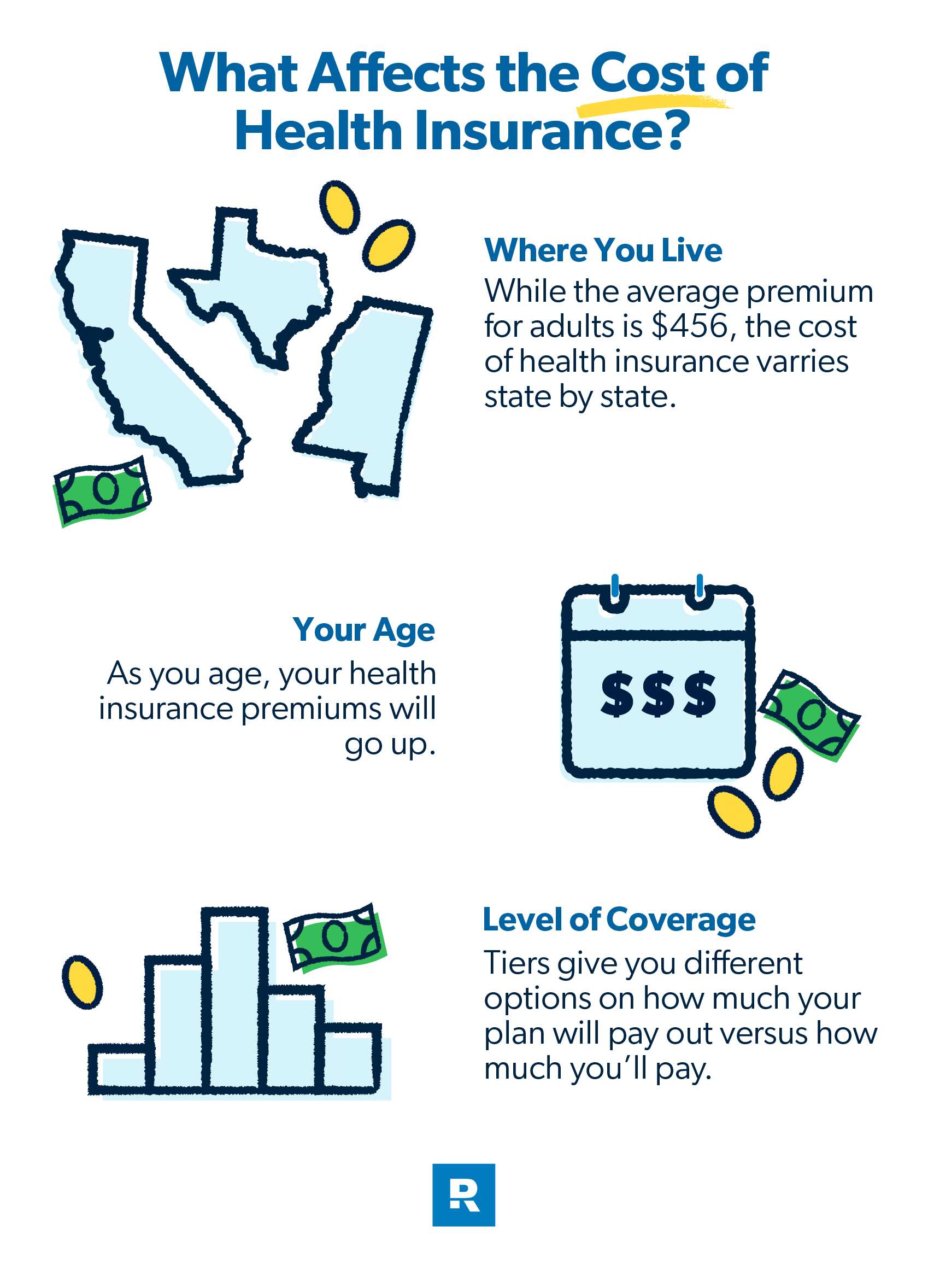
Health insurance is far from a one-size-fits-all product. Its price tag is a dynamic calculation, shaped by numerous variables that reflect the depth of coverage, the extent of risk sharing, and individual characteristics. Grasping these foundational elements is the first step toward understanding your potential costs.
Plan Type and Structure
The fundamental design of an insurance plan significantly impacts its premium. Different plan types offer varying degrees of flexibility in choosing healthcare providers, which directly correlates to their cost.
- HMO (Health Maintenance Organization): Typically the most affordable option, HMOs require you to choose a primary care physician (PCP) within their network who then refers you to specialists. Out-of-network care is generally not covered, except in emergencies.
- PPO (Preferred Provider Organization): Offering more flexibility, PPOs allow you to see any doctor or specialist without a referral, both in and out of network. However, using in-network providers results in lower costs. This flexibility usually comes with higher premiums.
- EPO (Exclusive Provider Organization): Similar to a PPO, an EPO doesn’t require a PCP referral for specialists, but it generally won’t cover out-of-network care, except in emergencies, making it a middle-ground in terms of cost and flexibility.
- POS (Point of Service): A hybrid of HMO and PPO, POS plans usually require a PCP referral for specialists but allow you to go out of network, albeit at a higher cost.
- HDHP (High-Deductible Health Plan) with HSA: HDHPs feature lower monthly premiums but much higher deductibles. They are often paired with a Health Savings Account (HSA), a tax-advantaged savings account that can be used for qualified medical expenses, making them attractive for healthy individuals or those with significant savings.
- Catastrophic Plans: Available to individuals under 30 or those with specific hardship exemptions, these plans have very low premiums but extremely high deductibles, designed primarily to protect against worst-case medical scenarios.
Deductibles, Co-pays, and Co-insurance
Beyond the monthly premium, these cost-sharing mechanisms define how much you pay for care before and after your insurance kicks in. Understanding their interplay is crucial for an accurate assessment of total potential costs.
- Deductible: This is the amount you must pay out of pocket for covered medical services before your insurance plan starts to pay. For example, if you have a $5,000 deductible, you’ll pay the first $5,000 in medical bills yourself each year before your insurer contributes. Plans with higher deductibles typically have lower monthly premiums, and vice-versa.
- Co-pay: A fixed amount you pay for a covered healthcare service after you’ve paid your deductible (though some services, like doctor visits, might require a co-pay even before the deductible is met). Common for doctor visits, prescription drugs, and urgent care.
- Co-insurance: A percentage of the cost of a covered healthcare service you pay after you’ve met your deductible. For instance, if your plan’s co-insurance is 20%, and a procedure costs $1,000 after your deductible is met, you’d pay $200, and your insurer would pay $800.
Age, Location, and Tobacco Use
Personal factors also play a significant role in premium calculation, often dictated by federal and state regulations.
- Age: Generally, older individuals face higher premiums as they are statistically more likely to require medical care. Under the Affordable Care Act (ACA), insurers can charge older adults up to three times more than younger individuals.
- Location: Healthcare costs vary significantly by region, state, and even county. Factors like local medical costs, hospital competition, and state-specific regulations all influence premiums. A plan in New York City will likely cost more than an identical plan in rural Kansas.
- Tobacco Use: Most states permit insurers to levy a tobacco surcharge, which can increase premiums by up to 50% for smokers.
Provider Network and Formulary
The specific doctors, hospitals, and pharmacies included in your plan, as well as the drugs it covers, profoundly affect both the accessibility and cost of your care.
- Provider Network: Choosing an “in-network” provider typically results in lower out-of-pocket costs because the insurer has negotiated discounted rates with these providers. Going “out-of-network” can lead to significantly higher expenses or even full responsibility for the bill, depending on your plan type.
- Formulary: This is the list of prescription drugs covered by your health insurance plan. Drugs are often categorized into tiers, with different co-pays or co-insurance levels. Generic drugs are usually the cheapest, while specialty or brand-name drugs without generic alternatives are more expensive.
Understanding the Avenues for Obtaining Health Coverage
The method by which you acquire health insurance is a primary determinant of its cost, as it dictates eligibility for subsidies, group discounts, and the breadth of available options.
Employer-Sponsored Plans
The most common pathway to health coverage for many Americans, employer-sponsored plans often represent the most cost-effective option.
- Employer Contribution: Employers typically subsidize a substantial portion of the premium, often 70-90% for individual coverage and a lesser percentage for family plans. This significantly reduces the employee’s out-of-pocket monthly cost compared to individual market plans.
- Group Rates: Because employers purchase insurance for a large group, they can often secure lower rates than individuals.
- Pre-Tax Deductions: Employee contributions to premiums are usually deducted from paychecks before taxes, further reducing the effective cost.
Health Insurance Marketplaces (ACA)
Established under the Affordable Care Act (ACA), these online marketplaces (HealthCare.gov or state-specific exchanges) allow individuals and small businesses to shop for and enroll in health plans.
- Standardized Plans: Plans are categorized into metal tiers (Bronze, Silver, Gold, Platinum) indicating the level of cost-sharing (e.g., Bronze plans have lower premiums but higher deductibles, while Platinum plans have higher premiums but lower deductibles).
- Premium Tax Credits: Individuals and families with incomes between 100% and 400% of the Federal Poverty Level (FPL) may qualify for premium tax credits (subsidies) to reduce their monthly premium. These credits are based on income, household size, and the cost of the benchmark Silver plan in your area.
- Cost-Sharing Reductions (CSRs): Individuals with incomes up to 250% FPL who enroll in a Silver plan may also qualify for CSRs, which lower deductibles, co-pays, and co-insurance, making healthcare more affordable when accessed.
Government Programs (Medicaid, Medicare, CHIP)
These vital programs provide coverage for specific populations based on age, income, or disability status.
- Medicaid: A joint federal and state program providing free or low-cost health coverage to low-income individuals and families, pregnant women, and people with disabilities. Eligibility criteria vary by state, especially for adults without children, in states that have expanded Medicaid under the ACA.
- Medicare: The federal health insurance program for people age 65 or older, certain younger people with disabilities, and people with End-Stage Renal Disease. It consists of different parts (A: Hospital Insurance, B: Medical Insurance, C: Medicare Advantage, D: Prescription Drug Coverage), each with its own premiums, deductibles, and co-pays.
- CHIP (Children’s Health Insurance Program): Provides low-cost health coverage for children in families who earn too much to qualify for Medicaid but cannot afford private insurance.
Direct from Insurers

While less common for comprehensive major medical plans post-ACA (as these plans are generally available through the Marketplace), some individuals may purchase short-term health insurance plans or specialized policies (like dental or vision) directly from private insurance companies. Short-term plans typically offer lower premiums but provide less comprehensive coverage, often exclude pre-existing conditions, and do not comply with ACA essential health benefits requirements.
The True Cost: Beyond Just the Premium
Fixating solely on the monthly premium provides an incomplete picture of health coverage costs. The real financial impact of your plan, particularly when medical needs arise, extends to various out-of-pocket expenses and the inherent value of having protection.
Out-of-Pocket Maximums
Perhaps the most crucial, yet often overlooked, cost-sharing feature is the out-of-pocket maximum (OOPM). This is the absolute most you will have to pay for covered medical services in a plan year before your health insurance plan starts to pay 100% for all covered services.
- Financial Protection: The OOPM acts as a financial safety net, protecting you from catastrophic medical bills in the event of a serious illness, injury, or complex procedure. Once you hit this limit (through deductibles, co-pays, and co-insurance), your financial liability for covered care ends for that year.
- Comparing Plans: When comparing plans, a lower OOPM can make a plan with a slightly higher premium more attractive, especially if you anticipate significant medical expenses.
Unexpected Medical Expenses
Even with comprehensive health insurance, unforeseen costs can arise, necessitating careful financial planning.
- Non-Covered Services: Some services deemed non-essential or experimental by your plan may not be covered, leaving you fully responsible for the cost.
- Out-of-Network Surprises: Despite best efforts, you might inadvertently receive care from an out-of-network provider (e.g., an anesthesiologist at an in-network hospital), leading to “surprise billing,” though federal legislation like the No Surprises Act is working to mitigate this.
- High Deductibles: While offering lower premiums, HDHPs require you to be prepared to pay a substantial amount out-of-pocket before your insurance contributes significantly.
The Cost of Not Having Coverage
Perhaps the most expensive “plan” is having no plan at all. The financial and health repercussions of being uninsured can be devastating.
- Financial Ruin: A major illness or accident can quickly lead to medical bills in the tens or hundreds of thousands of dollars, pushing individuals and families into crippling debt or bankruptcy.
- Avoidance of Preventive Care: Without coverage, many people forgo routine check-ups and preventive screenings due to cost concerns. This often leads to delayed diagnoses and more severe, expensive treatments later on.
- Lack of Peace of Mind: Beyond the tangible financial risks, the constant anxiety of potential medical emergencies without protection carries its own heavy emotional toll.
Strategies for Managing and Reducing Health Coverage Costs
Navigating the complexities of health coverage costs doesn’t have to be overwhelming. With a strategic approach, you can effectively manage these expenses and ensure you have adequate protection without overspending.
Shop Around and Compare Plans Meticulously
Do not settle for the first option presented. Utilize all available resources to compare plans comprehensively.
- Utilize Marketplaces: Health Insurance Marketplaces (HealthCare.gov or your state’s exchange) are designed for easy comparison.
- Compare More Than Just Premiums: Look at deductibles, co-pays, co-insurance, and, critically, the out-of-pocket maximum. A plan with a slightly higher premium but a much lower OOPM might save you money in the long run if you anticipate significant medical needs.
- Check Doctor and Prescription Coverage: Ensure your preferred doctors are in-network and your essential prescriptions are on the plan’s formulary with reasonable co-pays.
Maximize Tax Advantages and Savings Accounts
Several financial tools can help reduce your taxable income while saving for medical expenses.
- Health Savings Accounts (HSAs): If you have an HDHP, an HSA is an invaluable tool. Contributions are tax-deductible, funds grow tax-free, and withdrawals for qualified medical expenses are tax-free. It’s an investment vehicle for healthcare and a retirement savings tool.
- Flexible Spending Accounts (FSAs): Offered through employer-sponsored plans, FSAs allow you to set aside pre-tax money for healthcare expenses. Be aware of the “use-it-or-lose-it” rule, though some plans offer grace periods or rollovers.
- Premium Tax Credits and Subsidies: If eligible, claiming these subsidies on the ACA marketplace can significantly reduce your monthly premiums.
Utilize Preventive Care Services
Most health insurance plans cover a wide range of preventive services at 100%, without requiring you to meet your deductible first.
- Stay Ahead of Issues: Regular check-ups, screenings (e.g., mammograms, colonoscopies), and vaccinations can detect health problems early when they are easier and less expensive to treat.
- Avoid Higher Future Costs: Investing time in preventive care can prevent more serious, chronic, and costly conditions from developing.
Be Mindful of Network Rules and Referrals
Understanding your plan’s network and referral requirements can prevent unexpected bills.
- Stay In-Network: Always confirm that any provider, facility, or lab you use is in your plan’s network to avoid higher out-of-network charges.
- Get Referrals: If you have an HMO or POS plan, ensure you obtain a referral from your PCP before seeing a specialist to ensure coverage.

Negotiate Medical Bills
Even with insurance, medical bills can contain errors or be open to negotiation.
- Review Bills Carefully: Scrutinize every medical bill for accuracy. Look for duplicate charges, incorrect service codes, or services you didn’t receive.
- Don’t Be Afraid to Ask: If you receive a large bill, especially for an out-of-network service, contact the provider’s billing department. You can often negotiate for a lower price, request an itemized bill, or set up a payment plan.
The question “how much is health coverage?” has no single answer, as its cost is deeply personal and dependent on numerous factors, from your health status and geographic location to your income and chosen plan structure. However, by understanding the components of health insurance costs, exploring the various avenues for obtaining coverage, and actively employing strategies to manage expenses, you can navigate this essential financial challenge with greater confidence. Ultimately, investing in the right health coverage is not just an expense; it’s a vital component of your overall financial well-being, providing invaluable security and access to the care you need when you need it most.
aViewFromTheCave is a participant in the Amazon Services LLC Associates Program, an affiliate advertising program designed to provide a means for sites to earn advertising fees by advertising and linking to Amazon.com. Amazon, the Amazon logo, AmazonSupply, and the AmazonSupply logo are trademarks of Amazon.com, Inc. or its affiliates. As an Amazon Associate we earn affiliate commissions from qualifying purchases.