
The question “how much does medical insurance cost” is far more complex than a simple number. It’s a dynamic financial equation influenced by a myriad of personal circumstances, policy details, and market forces. For many individuals and families, understanding and budgeting for healthcare expenses is a significant component of their overall financial planning. This article will delve into the intricacies of medical insurance costs, breaking down the various components, the factors that drive prices, where to purchase coverage, and strategies to manage these critical financial outlays.
The Fundamental Cost Components of Health Insurance
To truly grasp the cost of medical insurance, it’s essential to understand the individual financial elements that contribute to your total healthcare expenditure. It’s not just about the monthly bill; it’s about a combination of upfront payments, shared costs, and ultimate financial ceilings.

Premiums: The Regular Payment
The most immediate and apparent cost of health insurance is the premium. This is the fixed amount you pay to your insurance company, typically on a monthly basis, to maintain your coverage. Think of it as a subscription fee that grants you access to the insurance network and benefits. Premiums can vary wildly depending on your plan, location, age, and a host of other factors. For many, this is the primary line item in their budget allocated to healthcare.
Deductibles: Your Initial Out-of-Pocket Responsibility
A deductible is the amount of money you must pay out of your own pocket for covered healthcare services before your insurance company begins to pay. For example, if your deductible is $2,000, you are responsible for the first $2,000 of covered medical expenses in a policy year. Once you meet this amount, your insurance starts contributing. Plans with lower monthly premiums often come with higher deductibles, and vice-versa, offering a trade-off between upfront costs and potential out-of-pocket expenses.
Copayments and Coinsurance: Sharing the Ongoing Costs
Once your deductible is met, you still might not be off the hook entirely. Copayments (or copays) are fixed amounts you pay for specific services, like a doctor’s visit ($30-$50) or a prescription refill, after your deductible has been met. Coinsurance is a percentage of the cost of a covered healthcare service that you pay after you’ve met your deductible. For instance, if your plan has an 80/20 coinsurance, it means the insurer pays 80% of the cost, and you pay the remaining 20%. Both copays and coinsurance represent shared financial responsibility for ongoing medical care.
Out-of-Pocket Maximum: The Ultimate Financial Ceiling
Crucially, most health insurance plans include an out-of-pocket maximum (or out-of-pocket limit). This is the absolute most you will have to pay for covered healthcare services in a policy year. Once you reach this maximum through a combination of deductibles, copayments, and coinsurance, your insurance company will pay 100% of all covered medical expenses for the remainder of the year. This feature is a critical financial safety net, protecting individuals from catastrophic medical bills due to severe illness or injury. Understanding this limit is vital for managing financial risk.
Key Factors Driving Your Insurance Premiums
The cost of your health insurance premium is not arbitrary; it’s the result of an intricate calculation influenced by a variety of personal characteristics and policy choices. Understanding these factors can empower you to make more informed financial decisions when selecting a plan.
Age, Location, and Tobacco Use
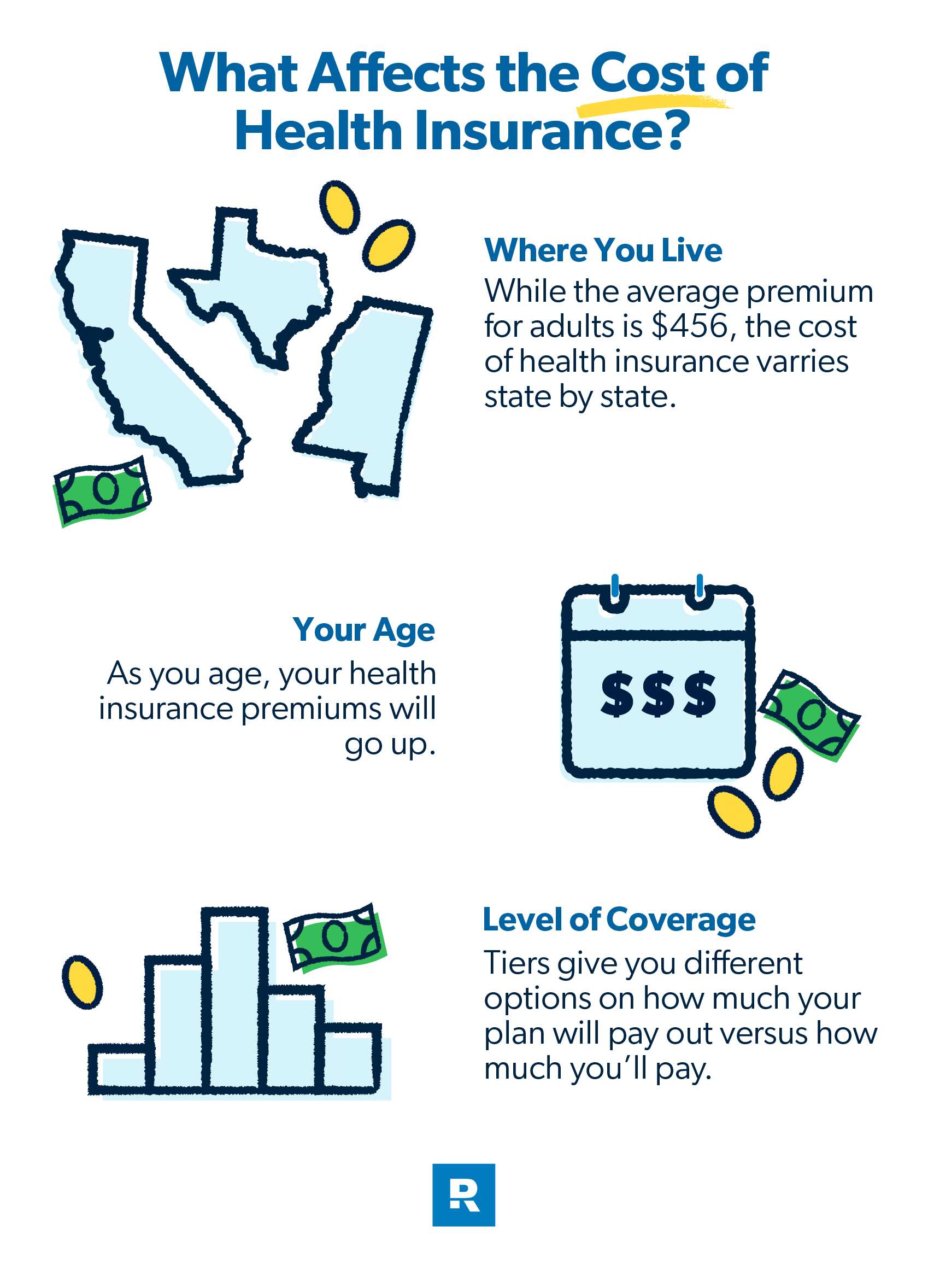
These are three fundamental demographic factors that significantly impact premiums. Generally, older individuals pay higher premiums because they tend to require more medical care. Your geographic location also plays a role, as healthcare costs, competition among providers, and state regulations vary widely across different regions and even within states. Furthermore, tobacco users typically face higher premiums due to the increased health risks associated with smoking. While the Affordable Care Act (ACA) limited the extent to which health status can affect premiums, age, location, and tobacco use remain legal rating factors.
Plan Type and Network (HMO, PPO, EPO, POS, HDHP)
The type of health insurance plan you choose profoundly affects its cost and how you access care.
- HMO (Health Maintenance Organization): Typically lower premiums, but require you to choose a primary care physician (PCP) within their network and get referrals to see specialists.
- PPO (Preferred Provider Organization): Offer more flexibility, allowing you to see out-of-network providers (though at a higher cost) without referrals. Generally come with higher premiums.
- EPO (Exclusive Provider Organization): Similar to PPOs but only cover care within their network, except for emergencies.
- POS (Point of Service): A hybrid of HMO and PPO, offering lower costs for in-network care but allowing out-of-network care at a higher price.
- HDHP (High-Deductible Health Plan): Characterized by lower premiums but significantly higher deductibles. These are often paired with Health Savings Accounts (HSAs), offering tax advantages for saving for medical expenses.
The size and breadth of the plan’s provider network also impact cost, with broader networks often corresponding to higher premiums.
Coverage Level (Bronze, Silver, Gold, Platinum)
Plans offered on the Health Insurance Marketplace are categorized into “metal levels” based on how they split costs with you:
- Bronze plans: Lowest monthly premiums, but highest deductibles and out-of-pocket costs. They cover about 60% of average healthcare costs, with you paying 40%.
- Silver plans: Moderate premiums and moderate deductibles. They cover about 70% of average healthcare costs, with you paying 30%. This is a popular choice because it’s the only metal level eligible for cost-sharing reductions.
- Gold plans: Higher monthly premiums, but lower deductibles and out-of-pocket costs. They cover about 80% of average healthcare costs, with you paying 20%.
- Platinum plans: Highest monthly premiums, but the lowest deductibles and out-of-pocket costs. They cover about 90% of average healthcare costs, with you paying 10%.
Your financial situation and expected healthcare needs should guide your choice of metal level.
Family Size and Dependents
Adding family members to your health insurance plan will, of course, increase your overall premium. The cost will escalate with each additional dependent, though usually not in a strictly linear fashion. Some plans may offer discounted rates for larger families or cap the number of children for whom you pay a premium. This factor significantly impacts the budget for families, making careful comparison crucial.
Navigating the Market: Where and How to Purchase Coverage
Understanding where to obtain health insurance is just as important as understanding its costs. Various avenues exist, each with distinct advantages, eligibility requirements, and pricing structures.
Employer-Sponsored Plans: The Common Path
For many Americans, health insurance is provided through their employer. These plans are often the most affordable option because employers typically subsidize a significant portion of the premiums, and sometimes even a portion of the deductibles or other out-of-pocket costs. Employers often offer a choice of plans (HMO, PPO, HDHP) and handle much of the administrative burden. Eligibility is usually tied to employment status, often requiring full-time work.
The Health Insurance Marketplace (ACA): Subsidies and Choices
The Health Insurance Marketplace (also known as “the exchange”) was established by the Affordable Care Act (ACA). It provides a platform for individuals and families to shop for and compare various health insurance plans. A key feature of the Marketplace is the availability of subsidies (Premium Tax Credits and Cost-Sharing Reductions) that can significantly lower premiums and out-of-pocket costs for eligible individuals and families based on their income. This makes coverage more affordable for those who don’t have access to employer-sponsored plans or for whom such plans are too expensive.
Direct from Private Insurers: Tailored Options
You can also purchase health insurance directly from private insurance companies outside of the Marketplace. These plans may offer a wider array of choices, different network options, or specialized coverage that isn’t available on the exchange. However, plans purchased directly from insurers do not qualify for premium tax credits or cost-sharing reductions available through the Marketplace, meaning you’ll pay the full premium. This option is often explored by those who earn too much to qualify for subsidies but desire specific plan features.
Government Programs: Medicare and Medicaid
For specific populations, government-funded programs provide essential healthcare coverage.
- Medicare: Primarily serves individuals aged 65 or older, as well as certain younger people with disabilities and individuals with End-Stage Renal Disease. Medicare has different parts (A, B, C, D) covering hospital, medical, and prescription drug costs, each with its own premium and cost-sharing structure.
- Medicaid: Provides low-cost or free health coverage to low-income adults, children, pregnant women, elderly adults, and people with disabilities. Eligibility requirements are based on income and family size, and they vary by state.
These programs offer vital financial relief for millions, ensuring access to care for those who might otherwise be unable to afford it.
Strategies for Managing and Reducing Your Healthcare Expenses
While health insurance costs can be substantial, there are proactive financial strategies you can employ to manage and potentially reduce your overall healthcare expenses.
Maximizing Subsidies and Tax Credits
If you are purchasing insurance through the Health Insurance Marketplace, always check your eligibility for Premium Tax Credits and Cost-Sharing Reductions. These subsidies are income-dependent and can dramatically lower your monthly premiums and reduce your out-of-pocket expenses (like deductibles and copays). Even if you think your income is too high, it’s worth checking, as income limits can be surprisingly generous, especially for larger families.
Embracing High-Deductible Health Plans (HDHPs) with Health Savings Accounts (HSAs)
For healthy individuals or families who anticipate minimal medical expenses, an HDHP paired with an HSA can be a powerful financial tool. While HDHPs have higher deductibles, their monthly premiums are typically lower. The real advantage comes with the HSA:
- Tax-deductible contributions: Money you put into an HSA is often tax-deductible.
- Tax-free growth: The money grows tax-free over time.
- Tax-free withdrawals: Withdrawals for qualified medical expenses are tax-free.
- Portability: The HSA belongs to you, even if you change jobs or health plans.
- Investment potential: After reaching a certain balance, you can often invest HSA funds, making it a powerful long-term savings vehicle for healthcare costs, even into retirement.
This “triple tax advantage” makes HSAs an excellent strategy for managing both current and future medical expenses.
Strategic Plan Comparison and Benefit Utilization
Don’t simply default to the cheapest premium. Carefully compare different plans based on your specific healthcare needs and financial situation.
- Estimate your usage: Do you visit the doctor frequently? Do you take prescription medications regularly? Factor these into your comparison of deductibles, copays, and coinsurance.
- Check drug formularies: Ensure your essential medications are covered and understand their cost.
- Understand network restrictions: Make sure your preferred doctors and hospitals are in-network to avoid higher out-of-network costs.
- Utilize preventive care: Most plans cover preventive services (like annual physicals, screenings, and immunizations) at 100% before you meet your deductible. Taking advantage of these can catch health issues early, potentially saving significant costs down the line.
The Financial Value of Preventive Care and Wellness
Investing in your health isn’t just good for your well-being; it’s a sound financial strategy. Regular preventive care, healthy lifestyle choices (diet, exercise, stress management), and adherence to medical advice can reduce your risk of developing chronic conditions and serious illnesses. Avoiding preventable health crises can save you thousands, if not tens of thousands, in medical bills, prescriptions, and lost income due to illness.
Understanding Provider Networks and In-Network Care
A critical component of managing costs is understanding your plan’s provider network. Staying within your plan’s network of doctors, hospitals, and specialists almost always results in lower costs. Out-of-network care, unless it’s an emergency, can be significantly more expensive, with the patient bearing a larger portion of the bill or even the entire cost if the service isn’t covered at all. Always confirm that your healthcare providers are in-network before receiving non-emergency services.
The Long-Term Financial Implications of Health Coverage
The cost of medical insurance extends beyond monthly premiums and annual deductibles; it’s an investment in your financial security and overall quality of life. Understanding its long-term impact is crucial for comprehensive financial planning.
Protecting Your Assets from Catastrophic Costs
Perhaps the most significant financial benefit of health insurance is its ability to protect you from catastrophic medical expenses. A serious accident, a life-threatening illness, or a prolonged hospital stay can quickly rack up bills amounting to hundreds of thousands or even millions of dollars. Without adequate insurance, such events can lead to medical debt, bankruptcy, and the liquidation of savings and assets, derailing years of careful financial planning. Health insurance, especially with a robust out-of-pocket maximum, acts as a critical shield for your financial stability.
The Opportunity Cost of Not Having Insurance
While opting out of health insurance might seem like a way to save money on premiums, it carries a significant “opportunity cost.” The money saved on premiums pales in comparison to the potential costs of an uninsured medical emergency. Beyond the direct financial hit, there’s the stress, the limited access to preventive care that could catch issues early, and the constant underlying fear of an unexpected health event. The peace of mind and access to timely, necessary medical care that insurance provides often outweighs the monthly premium cost, allowing you to invest in other areas of your life and financial future without constant worry.

Budgeting for Healthcare: A Holistic Approach
Effective financial planning requires a holistic approach to healthcare costs. This means not just budgeting for premiums but also anticipating potential out-of-pocket expenses.
- Emergency fund: Maintain an emergency fund specifically to cover your deductible and potential out-of-pocket maximum in case of a serious health event.
- Routine costs: Factor in regular copays for doctor visits, prescription drug costs, and any ongoing therapy or specialist care.
- Wellness investments: Consider allocating funds for gym memberships, healthy food, or other wellness activities that can contribute to long-term health and reduce future medical needs.
By viewing healthcare costs as an integrated part of your financial life, you can make informed decisions that safeguard both your health and your wealth.
In conclusion, the cost of medical insurance is multifaceted, but by understanding its components, the factors that influence it, and the strategies available to manage expenses, individuals and families can navigate this critical financial landscape more effectively. Investing in health insurance is not merely an expense; it is a fundamental aspect of financial security and a proactive step towards protecting your well-being and assets in the long run.
aViewFromTheCave is a participant in the Amazon Services LLC Associates Program, an affiliate advertising program designed to provide a means for sites to earn advertising fees by advertising and linking to Amazon.com. Amazon, the Amazon logo, AmazonSupply, and the AmazonSupply logo are trademarks of Amazon.com, Inc. or its affiliates. As an Amazon Associate we earn affiliate commissions from qualifying purchases.