
Understanding your monthly income is far more than just glancing at a paystub; it’s the bedrock of financial stability, the engine of your aspirations, and the compass guiding your economic future. For many, the question “how much do I make a month?” seems straightforward, yet a truly comprehensive answer delves into gross figures, net take-home, diversified income streams, and the critical role this knowledge plays in your broader financial strategy. In an increasingly complex financial landscape, a precise and ongoing assessment of your monthly earnings empowers you to make informed decisions, whether you’re budgeting, saving, investing, or planning for significant life events. This article will deconstruct what goes into that seemingly simple number, why its accurate calculation is paramount, strategies to enhance it, and how to integrate this vital insight into a robust financial plan.

Beyond the Paycheck: A Comprehensive Look at Your Monthly Income
To truly grasp your monthly income, it’s essential to look beyond the top-line salary and consider every penny flowing into your accounts. This holistic view is crucial for accurate financial planning.
The Anatomy of Your Primary Income
For most, the primary income source is a regular salary or wages from employment. However, even this seemingly straightforward figure has layers.
Net vs. Gross Income
Your gross income is the total amount of money you earn before any deductions are taken out. This is often the figure quoted in job offers or salary discussions. While important, it’s not what you actually have available to spend. Your net income, often referred to as your “take-home pay,” is the amount deposited into your bank account after all deductions. This is the figure that truly matters for daily budgeting and financial planning.
Understanding Deductions (Taxes, Benefits, Retirement)
The difference between your gross and net income is made up of various deductions, which can significantly impact your actual monthly earnings. These typically include:
- Federal, State, and Local Taxes: Mandatory withholdings based on your income level and geographic location.
- Social Security and Medicare (FICA): Contributions to federal programs that provide retirement, disability, and healthcare benefits.
- Health Insurance Premiums: Your share of the cost for health, dental, and vision insurance plans offered through your employer.
- Retirement Contributions: Deductions for 401(k), 403(b), or other employer-sponsored retirement plans. These are often pre-tax, reducing your taxable income.
- Other Deductions: This could include life insurance, disability insurance, flexible spending accounts (FSAs), health savings accounts (HSAs), union dues, or loan repayments.
A detailed review of your pay stub will break down these deductions, providing transparency into where your gross earnings are going before they reach your bank account.
Unmasking Supplemental Income Streams
In today’s dynamic economy, many individuals supplement their primary income with additional earnings. These can significantly boost your overall monthly cash flow and contribute to financial resilience.
Side Hustles and Freelance Gigs
The gig economy has made it easier than ever to turn skills and spare time into extra income. This category includes:
- Freelancing: Offering professional services (writing, graphic design, web development, consulting) to clients on a contract basis.
- Gig Work: Participating in platforms like ride-sharing, food delivery, task-based services, or online tutoring.
- Creative Ventures: Selling handmade goods, digital art, or monetizing a blog or YouTube channel.
These income sources can be variable but, when tracked diligently, add a crucial layer to your monthly earnings profile.
Investment Returns (Dividends, Interest)
For those with investments, regular returns can also contribute to monthly income.
- Dividends: Payments from companies to shareholders, often distributed quarterly but sometimes monthly, from stocks or mutual funds.
- Interest: Earnings from savings accounts, certificates of deposit (CDs), bonds, or peer-to-peer lending platforms.
While not always substantial enough to live on, consistent investment returns contribute to your overall financial health and can be reinvested or used as supplemental income.
Rental Income and Other Passive Sources
If you own property, especially income-generating real estate, rental income can be a significant monthly contributor. Other passive sources might include royalties from intellectual property, licensing agreements, or even income from a fully automated online business. The key characteristic of passive income is that it requires minimal ongoing effort once established, providing a steady stream of earnings.
Why Knowing Your True Income Matters (and How to Calculate It Accurately)
Understanding your exact monthly net income, from all sources, is not merely an accounting exercise; it’s a foundational pillar of sound financial management. Without this clarity, effective financial planning becomes a shot in the dark.
The Foundation of Effective Budgeting
At its core, a budget is a plan for your money, dictating where every dollar comes from and where it goes. This plan is entirely dependent on knowing how much money you actually have available.
Allocating Funds
Once you know your total net monthly income, you can confidently allocate funds towards various categories: necessities (housing, food, utilities), discretionary spending (entertainment, dining out), savings, and debt repayment. Without this precise income figure, any allocation is guesswork, leading to potential overspending or missed savings opportunities.
Tracking Spending Habits
An accurate income figure allows you to benchmark your spending. By comparing your expenditures against your available income, you can identify areas where you might be overspending, pinpoint financial leaks, and make necessary adjustments to stay within your means and achieve your financial goals. Tools like budgeting apps or spreadsheets can greatly simplify this tracking process.
Fueling Your Financial Goals
Every financial goal, from buying a home to retiring comfortably, is funded by your income. Knowing your monthly earnings with precision allows you to quantify your progress and set realistic targets.
Debt Repayment Acceleration
If you’re looking to pay down high-interest debt, knowing your surplus income after essential expenses enables you to strategically direct extra payments. This accelerates debt freedom, saving you significant interest over time.
Savings and Investment Growth
Achieving savings milestones, such as an emergency fund or a down payment for a car or home, requires consistent contributions. A clear picture of your monthly income allows you to set aggressive yet achievable savings targets and automate transfers, ensuring steady growth towards your objectives. Similarly, regular investment contributions, aligned with your income, build long-term wealth.
Major Purchases and Future Planning
Whether it’s planning for a wedding, a child’s education, or a sabbatical, major life events often come with significant costs. Understanding your monthly income stream helps you determine how much you can realistically save over a given period, allowing for responsible and proactive planning rather than reactive scrambling.
Empowerment Through Financial Clarity
Beyond the practical aspects, a deep understanding of your monthly income brings a sense of control and confidence.
Negotiating Salary with Confidence
When you know your market value and understand your current financial needs based on your income analysis, you are in a much stronger position to negotiate salary or raises. You can articulate precisely how a higher income would impact your financial goals, rather than just asking for more money generically.
Making Informed Career Decisions
Considering a career change, a new job with a different pay structure, or even starting your own business? A clear understanding of your current monthly income, along with a projection of potential earnings, allows you to evaluate the financial implications of these decisions with confidence and minimize risk.
Strategies to Enhance Your Monthly Earning Potential
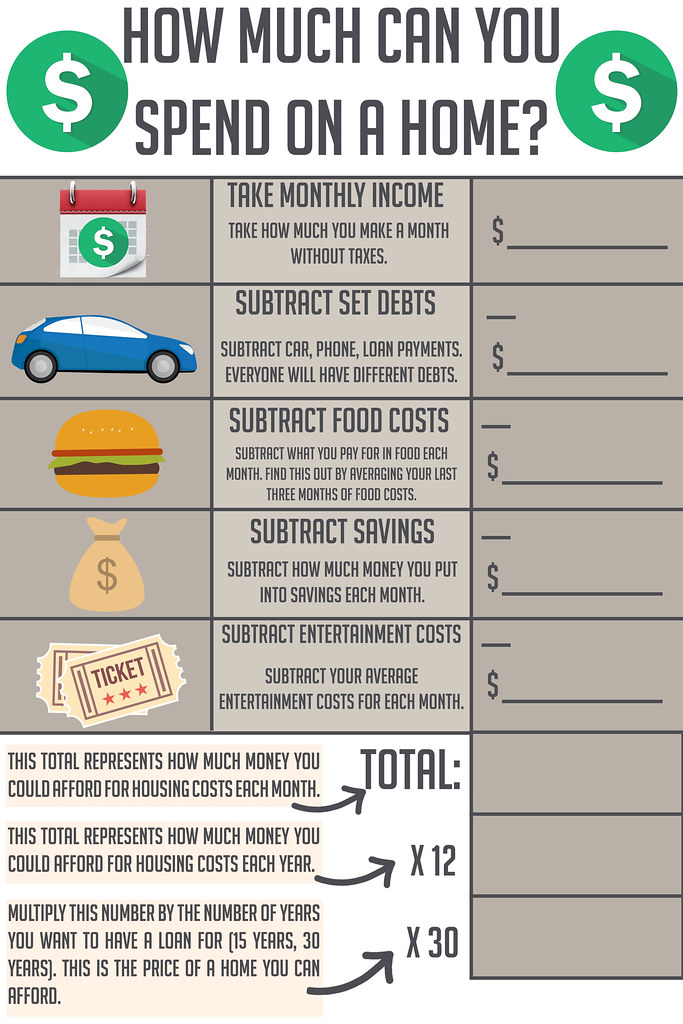
Once you have a clear picture of your current monthly income, the natural next step for many is to explore ways to increase it. Enhancing your earning potential involves a multi-pronged approach, focusing on both your primary career and supplementary opportunities.
Maximizing Your Primary Income Source
Your main job is often the most significant lever for increasing your monthly take-home pay.
Skill Development and Professional Growth
Investing in yourself is one of the most effective ways to boost your income. Acquire new skills, pursue certifications, or advance your education. These enhancements make you more valuable to your current employer or more marketable in your industry, leading to opportunities for promotions and higher salaries. Identify in-demand skills relevant to your field and actively work to master them.
Strategic Salary Negotiation
Don’t shy away from negotiating your salary, whether for a new role or a raise in your current position. Research industry benchmarks for your role, highlight your accomplishments and contributions, and confidently present your case. Regularly reviewing your performance and preparing a strong argument can significantly impact your annual earnings, translating directly into higher monthly income.
Performance-Based Bonuses and Incentives
Many roles offer performance-based bonuses, commissions, or profit-sharing. Understand the metrics tied to these incentives and actively work towards exceeding them. Align your efforts with company goals to maximize your chances of receiving these additional payouts, which can significantly boost your overall monthly or annual compensation.
Cultivating Additional Income Streams
Diversifying your income sources provides not only a boost to your monthly earnings but also a degree of financial resilience.
Leveraging Skills for Freelance Work
Think about skills you possess that could be valuable to others. Writing, editing, graphic design, web development, consulting, or even tutoring can be monetized through freelance platforms or direct client outreach. Start small, build a portfolio, and gradually increase your rates as your experience grows.
Exploring Gig Economy Opportunities
The gig economy offers flexible ways to earn extra cash. Consider driving for ride-sharing services, delivering food, performing tasks through online platforms, or offering services like pet-sitting or house-sitting. These opportunities allow you to earn income on your own schedule, fitting around your primary job and personal commitments.
Passive Income Ventures (Investments, Digital Products)
While often requiring an upfront investment of time or capital, passive income streams can provide ongoing earnings with minimal active management. This could include:
- Dividend-paying stocks or REITs (Real Estate Investment Trusts): Providing regular income from investments.
- Creating digital products: E-books, online courses, stock photos, or templates that can be sold repeatedly.
- Affiliate marketing: Earning commissions by promoting other companies’ products.
- Rental property: Generating income from real estate, though this often involves more active management.
Optimizing Existing Assets
Sometimes, increasing your monthly income doesn’t require new work, but rather making smarter use of what you already own.
Renting Out Spare Space or Items
If you have a spare room, a vacation home, or even a driveway, consider renting it out through platforms like Airbnb or local classifieds. You can also rent out underutilized items like tools, equipment, or even your car when you’re not using it.
Monetizing Hobbies
Can your hobbies generate income? If you enjoy photography, consider selling prints or offering services. If you’re skilled in crafting, open an online store. If you’re a talented musician, offer lessons or perform locally. Turning a passion into a side income can be both financially rewarding and personally fulfilling.
Integrating Income Insights into Your Broader Financial Plan
Knowing how much you make a month is a powerful piece of information, but its true value is unlocked when integrated into a comprehensive financial plan. This allows your income to serve as the engine for achieving your long-term financial aspirations.
The Income-Expense Equation: Balancing the Books
The most immediate application of understanding your income is in balancing your monthly budget.
Creating a Realistic Budget
With your precise net monthly income at hand, you can construct a realistic budget that accurately reflects your financial situation. Assign specific amounts to fixed expenses (rent/mortgage, loan payments) and variable expenses (groceries, utilities, entertainment). Use the “50/30/20 rule” (50% for needs, 30% for wants, 20% for savings/debt repayment) as a starting point, adapting it to your unique circumstances and income level.
Identifying Areas for Saving
By meticulously tracking your income and expenses, you can identify areas where you might be overspending and reallocate those funds towards savings or debt reduction. This might involve cutting back on discretionary spending, negotiating lower rates for services, or finding more cost-effective alternatives for recurring expenses. Every dollar saved is a dollar earned, contributing directly to your financial goals.
Long-Term Wealth Building with Your Monthly Income
Your monthly income isn’t just for covering current expenses; it’s the primary resource for building wealth over time.
Automating Savings and Investments
One of the most effective strategies for wealth accumulation is to “pay yourself first.” Set up automatic transfers from your checking account to your savings, emergency fund, and investment accounts immediately after your paycheck arrives. Even small, consistent contributions compound significantly over the long term. This ensures that a portion of your monthly income is always working for your future, without relying on willpower.
Emergency Fund Establishment
A crucial component of financial security is an emergency fund, typically 3-6 months’ worth of living expenses. By understanding your monthly income and expenses, you can determine how much you need to save and how quickly you can build this vital safety net. Your monthly income directly dictates your capacity to fund this essential buffer.
Retirement Planning Contributions
Your monthly income is the primary source for funding your retirement. Maximize contributions to tax-advantaged accounts like 401(k)s, IRAs, or Roth IRAs. If your employer offers a 401(k) match, contribute at least enough to get the full match – it’s free money that significantly boosts your retirement savings from your monthly earnings.
Regular Review and Adjustment
Financial planning is not a one-time event; it’s an ongoing process. Your income, expenses, and goals can change, necessitating regular reviews.
Quarterly Financial Check-ups
Schedule a quarterly review of your income and budget. Has your income increased or decreased? Have your expenses changed significantly? Are you on track with your savings and debt repayment goals? These check-ups allow you to course-correct and ensure your financial plan remains aligned with your reality.

Adapting to Life Changes
Major life events—such as marriage, having children, a job loss, a significant raise, or a large unexpected expense—will undoubtedly impact your monthly income and expenses. Be prepared to adapt your budget and financial plan accordingly. Your detailed understanding of your monthly earnings will enable you to navigate these transitions with confidence and resilience, adjusting your strategies to maintain financial stability and progress towards your goals.
In conclusion, the question “how much do I make a month?” is a gateway to profound financial insight. By meticulously calculating your net income from all sources, understanding its significance, actively seeking strategies to increase it, and integrating this knowledge into a dynamic financial plan, you lay the groundwork for true financial empowerment and a secure future.
aViewFromTheCave is a participant in the Amazon Services LLC Associates Program, an affiliate advertising program designed to provide a means for sites to earn advertising fees by advertising and linking to Amazon.com. Amazon, the Amazon logo, AmazonSupply, and the AmazonSupply logo are trademarks of Amazon.com, Inc. or its affiliates. As an Amazon Associate we earn affiliate commissions from qualifying purchases.