
For many Americans, Social Security represents a cornerstone of their retirement planning, a guaranteed income stream that supplements pensions, savings, and investments. However, the decision to continue working, even part-time, while simultaneously receiving Social Security benefits can introduce a complex interplay of rules, limits, and financial considerations. Understanding how much you can earn before your benefits are affected is crucial for optimizing your retirement income and making informed decisions about your later working years. This article delves into the intricacies of Social Security’s earnings test, outlines strategies for maximizing your income, and provides a clear roadmap for navigating this vital aspect of personal finance.
Understanding Social Security’s Earnings Limit
The Social Security Administration (SSA) imposes what’s known as an “earnings test” or “retirement earnings test” on individuals who collect benefits before reaching their full retirement age (FRA) and continue to work. This test determines how much you can earn from work before the SSA starts to temporarily withhold a portion of your benefits. It’s a mechanism designed to balance the system’s intent to provide income for those who are retired with the desire to encourage continued workforce participation.
The Rationale Behind Earnings Limits
The core philosophy behind Social Security is to replace a portion of income lost due to retirement, disability, or death. When individuals are still substantially earning income from work, the perceived need for full Social Security benefits is diminished. The earnings limit aims to differentiate between those who are truly “retired” (or at least significantly reducing their work hours) and those who are still in robust full-time employment. It’s important to remember that these are not taxes on your earnings; rather, they are a temporary reduction in your Social Security benefit payments. The withheld benefits are not lost forever; they contribute to a recalculation of your benefit amount later on, potentially increasing your monthly payout once you reach FRA.
Annual Earnings Thresholds and How They Work
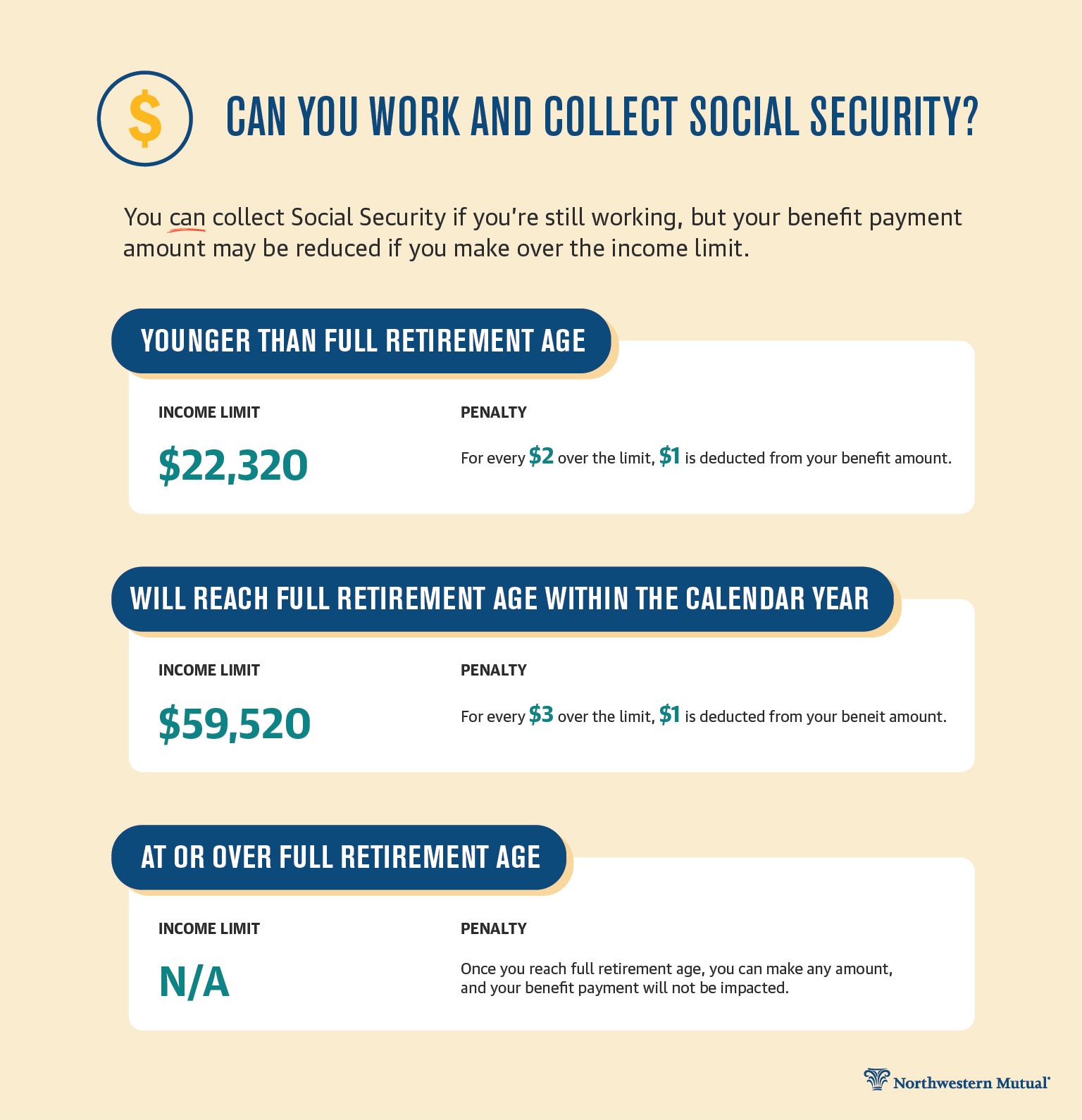
The specific earnings limits are updated annually to reflect changes in national average wages. There are two distinct earnings limits, depending on how close you are to your Full Retirement Age (FRA):
-
Before the Year You Reach FRA: If you are below your full retirement age for the entire year, a certain amount will be deducted from your benefits for every dollar you earn above the annual limit. For example, in 2024, the annual earnings limit for those below FRA is $22,320. For every $2 you earn over this limit, $1 will be deducted from your Social Security benefits. This means if you earn $24,320, which is $2,000 over the limit, $1,000 will be withheld from your benefits ($2,000 / 2 = $1,000).
-
In the Year You Reach FRA: A higher earnings limit applies in the year you reach your full retirement age, but only for the months before your birth month. Once you hit your birth month and officially reach FRA, the earnings limit disappears entirely. For example, in 2024, the earnings limit for the months leading up to your FRA is $59,520. For every $3 you earn over this limit, $1 will be deducted from your benefits. This higher threshold and different deduction rate acknowledge that you are on the cusp of full retirement.
These thresholds apply to your “earned income,” which includes wages from employment and net earnings from self-employment. Investment income, pensions, annuities, and other sources typically do not count towards these limits.
How Benefits Are Withheld
The SSA typically withholds full monthly benefit payments rather than partial amounts. For instance, if the total amount to be withheld is $3,000 and your monthly benefit is $1,500, the SSA might withhold two full months of benefits. Once the total withheld amount equals the required deduction, your benefits resume. This system can create an unpredictable cash flow if you’re not planning for it, making careful tracking of your earnings essential.
Navigating Full Retirement Age (FRA)
Your Full Retirement Age (FRA) is a pivotal concept in Social Security planning. It’s the age at which you are entitled to receive 100% of your primary insurance amount (PIA), the benefit calculated based on your lifetime earnings, without any reduction for claiming early or any earnings limits applied to your work income.
Defining Your Full Retirement Age
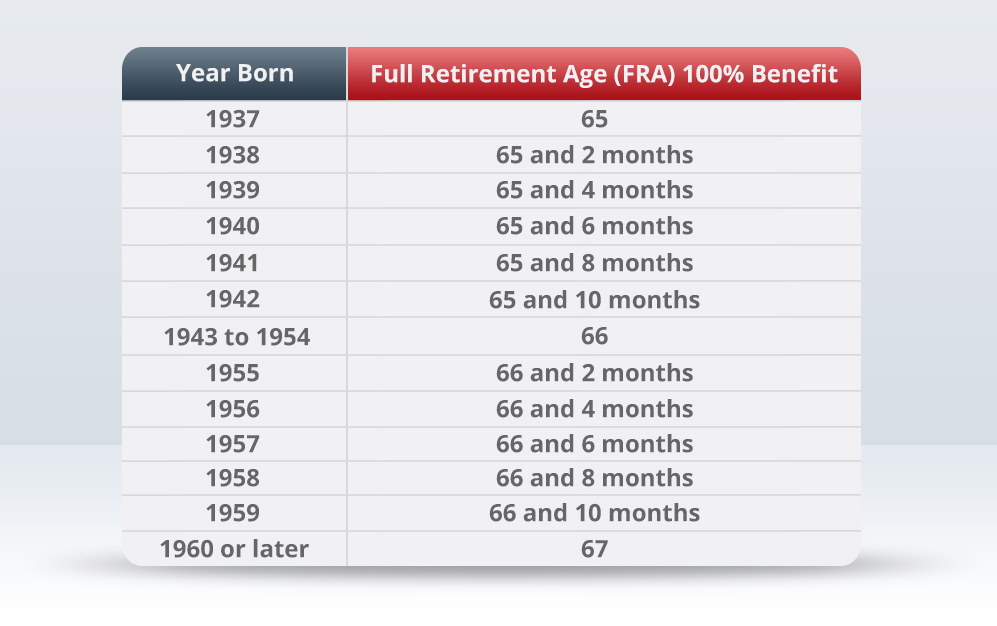
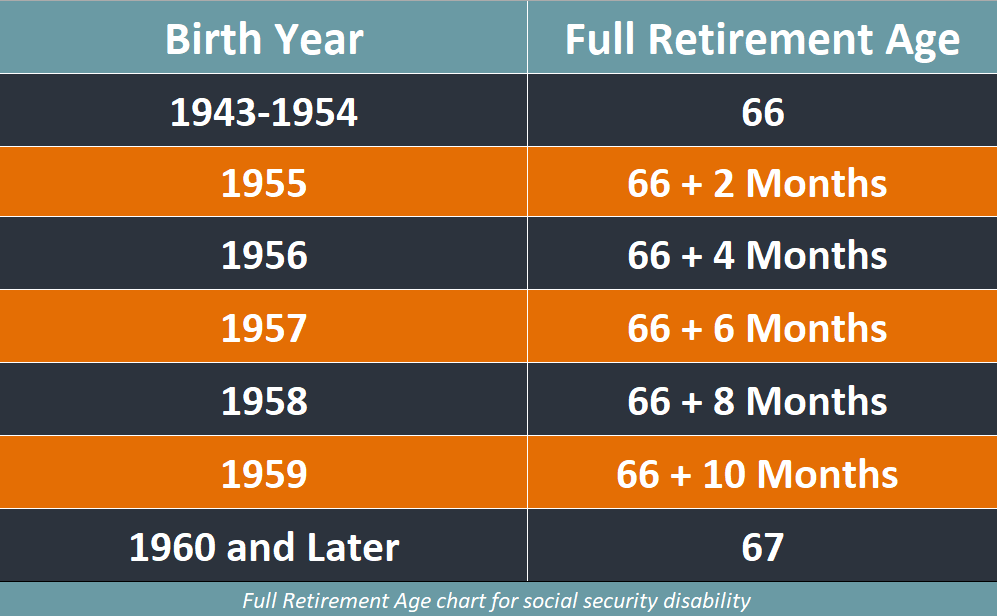
Your FRA is determined by your birth year. For those born in 1943 through 1954, FRA is 66. It gradually increases for subsequent birth years, reaching 67 for anyone born in 1960 or later. Knowing your precise FRA is the foundation for understanding how earnings limits and benefit calculations will affect you. For example, if you were born in 1960, your FRA is 67. If you were born in 1957, your FRA is 66 and 6 months.
Earnings Limits Before FRA
As discussed, if you choose to claim Social Security benefits before reaching your FRA, your earnings will be subject to the limits. This is a common scenario for individuals who opt for “early retirement” at age 62 (the earliest age to claim retirement benefits) but continue to work part-time or in a reduced capacity. The benefit of claiming early is immediate income; the drawback is a permanently reduced monthly benefit amount and the temporary impact of earnings limits. The amount your benefit is permanently reduced depends on how many months prior to your FRA you start collecting. The earlier you claim, the greater the permanent reduction.
What Happens at or After FRA
This is where the game changes significantly. Once you reach your Full Retirement Age, the Social Security earnings limit completely disappears. You can earn any amount of money from work, whether it’s $10,000 or $1,000,000 annually, and it will have no impact whatsoever on your Social Security retirement benefits. Your benefits will not be reduced, and there will be no withholding. This freedom from earnings limits is a major incentive for many to delay claiming benefits until their FRA, allowing them to work without financial penalty while simultaneously receiving their full, unreduced Social Security payments.
The Impact of Working While Receiving Benefits
Working while collecting Social Security benefits before FRA isn’t just about temporary withholding; it also has implications for your future benefit amounts and potentially for spousal or survivor benefits.
Temporary Withholding vs. Permanent Reduction
It’s critical to distinguish between the temporary withholding due to earnings limits and the permanent reduction that results from claiming benefits before your FRA.
- Temporary Withholding: This only occurs before FRA if you earn above the annual limit. The withheld benefits are not lost forever. They contribute to a recalculation of your benefit amount.
- Permanent Reduction: If you start collecting benefits before your FRA (e.g., at age 62), your monthly benefit amount will be permanently reduced, regardless of whether you work or not. This reduction factors in the greater number of months you will be receiving benefits over your lifetime.
The positive news is that the months in which Social Security benefits are withheld due to the earnings limit are not counted as months you collected early. This means that when you reach your FRA, the SSA recalculates your benefit amount, effectively “giving back” some of the early filing penalty by factoring in fewer months of early collection.
The Benefit Recalculation Advantage
One of the most commonly misunderstood aspects of the earnings limit is the “recalculation” feature. When the SSA withholds benefits because of your earnings, those months are effectively treated as if you hadn’t filed for benefits yet. Once you reach your Full Retirement Age, the SSA automatically recalculates your benefit amount to give you credit for the withheld benefits. This means your ongoing monthly payments will be slightly higher than they would have been if you hadn’t worked and had received every payment from your early filing date. Essentially, you’re recouping the value of the withheld benefits through an increased monthly payout for the rest of your life. This recalculation ensures that you’re not permanently penalized for working before FRA; rather, it’s a deferral and eventual adjustment of your benefit.
Spousal and Survivor Benefits Considerations
The earnings limit can also affect other family members who receive benefits based on your work record. If you are collecting retirement benefits and your spouse or minor children are also receiving benefits based on your earnings record, their benefits could be affected if your earnings exceed the limit. The SSA will withhold benefits from the family as a whole, starting with your benefit. If more needs to be withheld, it will then come from other beneficiaries on your record.
Similarly, if you are collecting spousal or survivor benefits, your own earnings can trigger the earnings test, leading to reductions in your benefit payments. It’s essential for families to understand these interconnected dynamics when planning their retirement income strategies.
Strategies for Maximizing Your Social Security Income
Given the complexities, strategic planning is essential to ensure you get the most out of your Social Security benefits while balancing your desire to continue working.
Delaying Benefits for Higher Monthly Payouts
The most straightforward way to maximize your Social Security monthly payout is to delay claiming benefits past your Full Retirement Age, up to age 70. For every year you delay beyond your FRA, your monthly benefit increases by a certain percentage, known as “Delayed Retirement Credits” (DRCs), which can be up to 8% per year. This increase is permanent and can significantly boost your lifetime benefits, especially if you live a long life. If you are still working and do not need the Social Security income, delaying is often a financially savvy move, as your benefits grow larger with each passing year until age 70.
Coordinating Work and Benefit Start Dates
Carefully timing when you start collecting benefits relative to your work plans can make a big difference.
- If you plan to work significant hours before FRA: Consider delaying your Social Security application until you reach FRA. This avoids the earnings test altogether and ensures you receive your full, unreduced benefit amount (or even a higher amount if you delay past FRA).
- If you plan to work part-time before FRA: Analyze your estimated earnings against the annual limits. If you expect to be close to or slightly over the limit, weigh the amount of benefit likely to be withheld against your cash flow needs. Sometimes, working a little less might make more financial sense if it avoids substantial benefit withholding.
- The “Monthly Earnings Test” exception: In your first year of claiming benefits, the SSA applies a special “monthly earnings test.” This allows you to receive full benefits for any months you are “retired” (meaning you earn below the monthly limit set by the SSA and are not performing substantial services in self-employment), even if your annual earnings for the rest of the year exceed the annual limit. This can be very useful if you retire mid-year.
Understanding Tax Implications of Social Security Benefits
It’s not just about how much you can make and collect; it’s also about how much you can keep. A portion of your Social Security benefits can become taxable if your “provisional income” exceeds certain thresholds. Provisional income is calculated as your adjusted gross income (AGI) plus non-taxable interest and one-half of your Social Security benefits.
- Single filers: Up to 50% of your benefits may be taxable if your provisional income is between $25,000 and $34,000. Up to 85% may be taxable if your provisional income is above $34,000.
- Married filing jointly: Up to 50% of your benefits may be taxable if your provisional income is between $32,000 and $44,000. Up to 85% may be taxable if your provisional income is above $44,000.
Understanding these thresholds is critical, especially if you have significant other income from investments, pensions, or continued work. It might influence decisions about Roth conversions or the timing of capital gains to manage your provisional income.
Integrating Social Security with Your Retirement Portfolio
Social Security should not be viewed in isolation but as one component of a comprehensive retirement plan. How you integrate it with your 401(k), IRA, pension, and other investments is key. For example, if you delay Social Security benefits, you might need to draw more heavily from your personal savings in the interim. This requires careful consideration of your investment drawdown strategy and tax planning. Conversely, if you claim early and continue to work, the additional income from work might allow you to let your retirement accounts continue to grow, potentially offsetting the reduced Social Security benefit. A holistic financial plan considers all these elements to create a resilient income stream throughout retirement.
Planning Your Financial Future with Social Security
The nuances of Social Security benefits and earnings limits underscore the importance of proactive and informed financial planning.
The Importance of Early Planning
Starting to plan for retirement, including understanding Social Security, well before you reach retirement age is paramount. The decisions you make in your 50s and early 60s about working, saving, and when to claim benefits can have hundreds of thousands of dollars of impact over your lifetime. Regularly checking your Social Security statement (available online at ssa.gov) provides estimated benefit amounts and gives you a clear picture of your potential entitlements. This allows you to project different scenarios for claiming benefits and integrating them into your overall financial projections.
Consulting Financial Professionals
Given the complexity, it’s often beneficial to consult with a qualified financial advisor who specializes in retirement planning. They can help you:
- Calculate your specific Full Retirement Age and estimated benefits.
- Project the impact of different claiming ages on your lifetime income.
- Analyze how working income interacts with earnings limits and taxability.
- Integrate your Social Security strategy with your broader investment, tax, and estate planning goals.
- Run “what-if” scenarios to help you visualize the financial outcomes of various decisions.
An expert can provide personalized advice tailored to your unique financial situation, risk tolerance, and retirement aspirations, helping you avoid costly mistakes and unlock the full potential of your Social Security benefits.
Adapting to Policy Changes
Social Security is a dynamic system, subject to potential legislative changes. While core principles tend to remain stable, Congress periodically discusses adjustments to funding, benefit formulas, or earnings limits. Staying informed about potential policy changes and having a flexible financial plan that can adapt to evolving regulations is a prudent approach. Diversifying your retirement income sources beyond Social Security is another critical strategy to mitigate risks associated with any future adjustments to the program.
In conclusion, understanding how much you can make and collect Social Security involves navigating a detailed set of rules designed to balance various policy objectives. By grasping the earnings limits, recognizing the significance of your Full Retirement Age, and strategically coordinating your work and benefit claiming decisions, you can optimize your retirement income. Proactive planning, informed decision-making, and professional guidance are key to ensuring that Social Security effectively serves as a powerful and reliable component of your financial future.
aViewFromTheCave is a participant in the Amazon Services LLC Associates Program, an affiliate advertising program designed to provide a means for sites to earn advertising fees by advertising and linking to Amazon.com. Amazon, the Amazon logo, AmazonSupply, and the AmazonSupply logo are trademarks of Amazon.com, Inc. or its affiliates. As an Amazon Associate we earn affiliate commissions from qualifying purchases.