
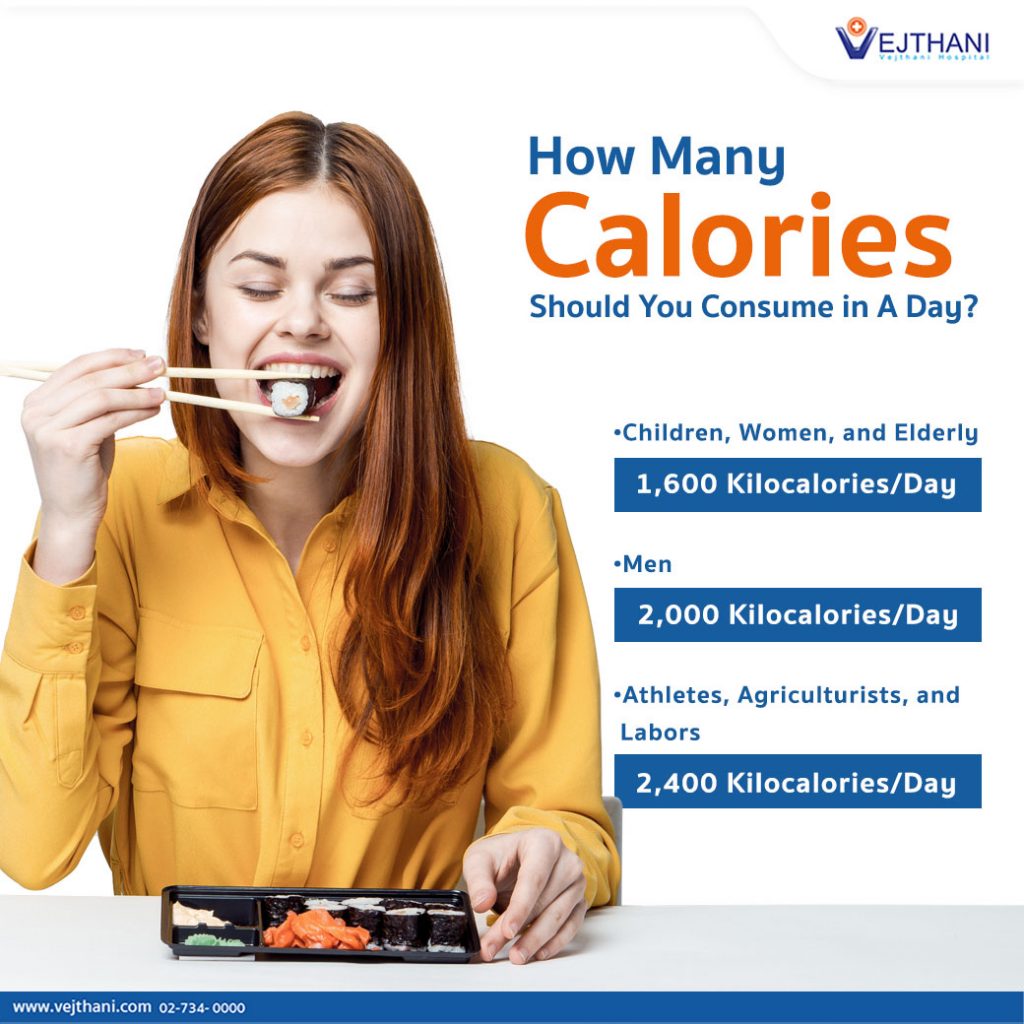
In an era defined by data and digital solutions, the ancient quest for optimal health has found a powerful new ally: technology. The seemingly straightforward question, “how many calories to eat in a day,” is no longer reliant on guesswork or generic guidelines. Instead, a burgeoning ecosystem of apps, wearables, and artificial intelligence tools offers unprecedented precision, personalization, and insight into our daily energy needs. This article delves into how technology is transforming our approach to calorie management, moving us from broad recommendations to a deeply personal and data-driven understanding of nutrition.
The Digital Revolution in Calorie Management
The journey to understanding one’s ideal calorie intake has undergone a profound transformation, moving from rudimentary manual tracking to sophisticated digital ecosystems. This evolution has democratized access to nutritional insights, empowering individuals with tools that were once the exclusive domain of nutritionists and dietitians.
From Manual Logs to Smart Apps: A Historical Perspective
Not long ago, managing calorie intake involved tedious manual logging, often with pen and paper, cross-referencing food labels with bulky nutritional guides. This process was prone to error, time-consuming, and lacked real-time analysis. The advent of the internet and, subsequently, smartphone applications marked the first major paradigm shift. Early calorie-tracking apps digitized these manual processes, offering vast food databases and simple logging functionalities. Users could quickly search for foods, log their intake, and receive a summary of their daily calorie consumption. This initial wave of technology significantly reduced the friction associated with dietary tracking, making it accessible to millions. The core functionality revolved around data entry and basic summation, laying the groundwork for more advanced capabilities.
The Core Functionality: Tracking, Logging, and Analysis
Modern calorie-tracking applications have evolved far beyond simple logging. They now offer a comprehensive suite of features designed to provide a holistic view of one’s dietary habits. Key functionalities include:
- Extensive Food Databases: Most apps boast databases with millions of food items, including branded products, restaurant meals, and generic ingredients, often with user-generated and verified entries.
- Barcode Scanning: A game-changer for speed and accuracy, allowing users to scan product barcodes to instantly add nutritional information to their logs.
- Recipe Builders: Users can input ingredients for homemade meals, and the app automatically calculates the nutritional breakdown per serving.
- Macro and Micronutrient Tracking: Beyond total calories, these apps break down intake into macronutrients (carbohydrates, protein, fats) and often key micronutrients (vitamins, minerals), enabling a more nuanced understanding of dietary quality.
- Goal Setting and Progress Tracking: Users can set specific calorie goals for weight loss, maintenance, or gain, and the app provides visual progress reports, trends, and analytics over time.
- Integration with Other Apps and Devices: A crucial feature, allowing seamless data flow between calorie trackers, fitness apps, and wearable devices for a more comprehensive health overview. This integration is where the true power of the digital ecosystem begins to shine.
AI and Machine Learning: Personalizing Your Calorie Goals
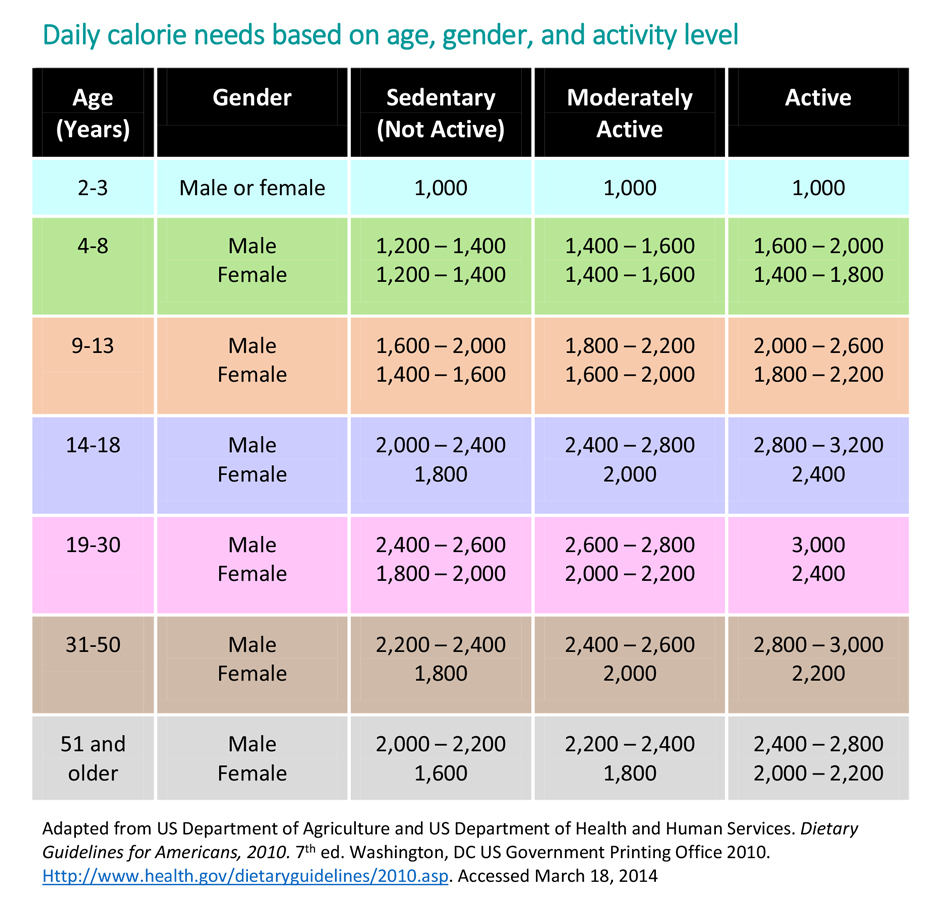
The generic “2,000 calories a day” advice is a relic of the past, increasingly replaced by personalized recommendations driven by artificial intelligence and machine learning. These advanced technologies are refining how we understand and manage our individual calorie requirements.
Predictive Analytics for Dynamic Needs
Traditional calorie calculators often rely on static formulas like the Mifflin-St Jeor or Harris-Benedict equations, which provide a baseline estimate. While useful, these don’t account for daily fluctuations in activity levels, stress, sleep quality, or metabolic adaptations over time. AI, however, excels at processing vast amounts of dynamic data. By continuously analyzing an individual’s logged food intake, exercise data from wearables, sleep patterns, and even self-reported mood or energy levels, AI algorithms can learn and predict changes in metabolic needs. This enables calorie recommendations to adapt in real-time, providing more accurate guidance for achieving specific health outcomes, whether it’s optimizing fat loss or fueling peak athletic performance. Predictive analytics can identify plateaus, suggest adjustments, and even anticipate future needs based on learned patterns.
Smart Recommendations and Meal Planning AI
Beyond tracking, AI is stepping into the role of a personal nutrition coach. Machine learning algorithms can analyze a user’s dietary preferences, allergies, health goals, and even budget constraints to generate personalized meal plans. These smart recommendations aren’t just about hitting a calorie target; they optimize for nutrient density, variety, and palatability. For instance, if a user consistently struggles to meet their protein goal, the AI might suggest high-protein breakfast options or snacks. If they show a preference for plant-based meals, the AI will prioritize those choices within their calorie framework. This proactive guidance removes much of the guesswork and effort involved in meal planning, making sustainable dietary changes far more achievable. Some advanced AI even considers local grocery availability and seasonal ingredients for an even more tailored experience.
Overcoming Data Overload with Intelligent Insights
While technology provides an abundance of data, this can sometimes lead to “analysis paralysis.” AI and machine learning play a critical role in filtering this noise, presenting users with actionable and digestible insights. Instead of just showing raw calorie numbers, AI-powered platforms can highlight trends, identify areas for improvement (e.g., “you consistently under-eat fiber on weekends”), and explain the “why” behind certain recommendations. They can spot correlations between food choices and energy levels, sleep quality, or even mood, helping users understand the broader impact of their diet. This intelligent interpretation transforms raw data into meaningful knowledge, empowering users to make informed decisions without being overwhelmed by spreadsheets of numbers.
Wearable Technology and the Integrated Ecosystem
The advent of wearable technology has significantly enhanced our ability to accurately gauge calorie expenditure, creating a powerful feedback loop when integrated with dietary tracking tools. This convergence paints a truly comprehensive picture of energy balance.
Real-time Energy Expenditure Monitoring
Wearable devices, from smartwatches to fitness trackers, have become ubiquitous, constantly monitoring various physiological metrics. While some debate the absolute precision of calorie burn estimates, they provide invaluable real-time data on activity levels, heart rate, steps taken, and sleep quality. This data is crucial because the “calories out” side of the energy balance equation is dynamic and highly individual. A traditional calorie calculator might estimate a sedentary person’s daily burn, but a wearable can adjust this in real-time based on an impromptu brisk walk, a gym session, or even increased non-exercise activity thermogenesis (NEAT). This dynamic tracking offers a much more accurate representation of an individual’s Total Daily Energy Expenditure (TDEE), allowing calorie intake goals to be adjusted accordingly for optimal results.
Syncing Data for a Holistic View
The true power of modern tech lies in the seamless integration between these disparate devices and applications. When a calorie-tracking app syncs with a fitness wearable, the system gains a holistic view of the user’s energy balance. For example, if a user logs an intense workout via their smartwatch, the calorie tracker can automatically adjust their recommended intake for the day, ensuring they’re adequately fueled or maintaining a targeted deficit. This eliminates the need for manual entry of exercise calories burned and provides a far more accurate “net calorie” figure. The integrated ecosystem can track:
- Calories Consumed: From food logging apps.
- Calories Burned: From fitness trackers/smartwatches.
- Sleep Quality: Influencing metabolism and recovery.
- Stress Levels: As indicated by heart rate variability, potentially affecting hunger and cravings.
This integrated approach means users aren’t just counting calories; they’re managing their entire energy economy within a unified digital framework.
The Future of Connected Health Devices
The trajectory for wearable technology and health integration points towards even greater sophistication. We’re seeing devices that monitor blood glucose levels continuously, patches that track hydration, and smart scales that analyze body composition. The future will involve these devices communicating seamlessly, creating a truly predictive and prescriptive health management system. Imagine a scenario where your smart kitchen appliance suggests a meal based on your current activity levels, blood sugar readings, and upcoming schedule, all within your personalized calorie budget. This interconnectedness promises to make calorie management not just accurate, but effortless and intrinsically woven into daily life.
Choosing the Right Tech Tool for Your Calorie Journey
With a plethora of apps and devices available, selecting the right technology for your calorie management journey can be daunting. Understanding what to look for, prioritizing privacy, and adopting a holistic perspective are key.
Key Features to Look For: Accuracy, Usability, and Integration
When evaluating calorie-tracking apps and complementary wearable devices, several factors stand paramount:
- Accuracy of Data: For food databases, look for apps that verify entries, use reputable sources, and allow for custom food entries with precise nutritional information. For wearables, while absolute calorie burn can vary, consistency in measurement is crucial for tracking trends.
- Usability and User Interface (UI): An intuitive, easy-to-navigate interface is critical for long-term adherence. If logging food feels like a chore, users are likely to abandon the tool. Look for features like quick add, voice input, and clear visual summaries.
- Integration Capabilities: Ensure the app can seamlessly connect with your existing fitness trackers, other health apps (e.g., Apple Health, Google Fit), and potentially smart kitchen gadgets. A fragmented ecosystem undermines the holistic view.
- Customization: The ability to set personalized goals, adjust macronutrient ratios, and account for specific dietary needs (e.g., vegan, keto, allergies) is vital.
- Community and Support: Some apps offer community forums or access to nutrition coaches, which can be invaluable for motivation and guidance.
Understanding Data Privacy and Security in Health Apps
As we entrust increasingly sensitive health data to these digital platforms, privacy and security become paramount concerns. Users should be diligent in understanding:
- Data Collection Practices: What information is being collected, and why?
- Data Storage and Encryption: How is your data protected from breaches?
- Data Sharing Policies: Is your data shared with third parties, and if so, for what purposes (e.g., advertising, research)?
- Anonymization and Aggregation: Are steps taken to anonymize your data when used for broader research or product improvement?
- Compliance: Check if the app adheres to relevant data protection regulations (e.g., GDPR, HIPAA where applicable).
Prioritizing apps from reputable developers with transparent privacy policies and robust security measures is essential to safeguard personal health information.
Beyond Calorie Counting: A Holistic Approach with Tech
While the title focuses on “how many calories to eat in a day,” the most effective use of technology extends beyond mere calorie counting. The best tech solutions encourage a holistic approach to health. They integrate calorie tracking with:
- Hydration Monitoring: Many apps prompt users to log water intake.
- Sleep Tracking: Understanding how sleep impacts hunger hormones and metabolism.
- Mindfulness and Stress Management: Some apps incorporate guided meditations or stress tracking.
- Activity and Exercise: Acknowledging the “calories out” side of the equation.
- Macronutrient and Micronutrient Balance: Emphasizing the quality of calories, not just the quantity.
By leveraging technology that offers this broader perspective, individuals can develop a more sustainable and effective strategy for managing their health, where calorie targets are one piece of a much larger, interconnected puzzle.
The Future Landscape: Hyper-Personalization and Preventative Tech
The technological revolution in calorie management is far from over. The horizon promises even more integrated, personalized, and preventative approaches, fundamentally changing how we interact with our nutrition.
Genomics and Personalized Nutrition Platforms
The next frontier in personalized nutrition lies in understanding our unique genetic makeup. Genomic sequencing can reveal individual predispositions to certain nutrient metabolisms, sensitivities, and even optimal macronutrient ratios. Future tech platforms will integrate this genetic data with lifestyle factors, activity levels, and dietary preferences to create hyper-personalized calorie recommendations and meal plans that are optimized for an individual’s biological blueprint. Imagine a system that tells you precisely how many calories to eat, factoring in not just your current activity but also your genetic propensity to process carbohydrates or fats, or your likelihood of benefiting from specific micronutrient supplementation. This level of personalization moves beyond population averages to truly individual-centric advice.
Augmented Reality for Dietary Guidance
Augmented Reality (AR) holds fascinating potential for real-time dietary guidance. Imagine using your smartphone camera to scan a plate of food, and the AR application instantly overlays nutritional information, calorie estimates, and suggestions for portion adjustment. Beyond static data, AR could offer interactive guidance in a grocery store, highlighting nutrient-dense options within your calorie budget, or even provide virtual cooking demonstrations tailored to your meal plan. This immersive and interactive approach could make calorie management more intuitive, engaging, and less reliant on manual input, seamlessly integrating nutritional awareness into our physical environment.
Proactive Health Management with Predictive AI
Ultimately, the goal of advanced tech in calorie management extends beyond reactive tracking to proactive health management. Predictive AI, fueled by continuous data streams from wearables, smart home devices, and even environmental sensors, could identify potential health risks before they manifest. For instance, if an AI detects consistent patterns of suboptimal calorie intake coupled with poor sleep and rising stress markers, it could issue early warnings, recommend specific interventions (e.g., adjust dinner time, suggest specific high-fiber foods), or even connect users with virtual dietitians for preventative coaching. This shift from “tracking what happened” to “predicting what might happen and intervening” represents the pinnacle of technology’s potential to transform how we understand and manage the critical question of “how many calories to eat in a day” for a healthier, more optimized future.
aViewFromTheCave is a participant in the Amazon Services LLC Associates Program, an affiliate advertising program designed to provide a means for sites to earn advertising fees by advertising and linking to Amazon.com. Amazon, the Amazon logo, AmazonSupply, and the AmazonSupply logo are trademarks of Amazon.com, Inc. or its affiliates. As an Amazon Associate we earn affiliate commissions from qualifying purchases.