
In an increasingly health-conscious world, the question “how many calories should I eat a day?” is a cornerstone of personal wellness journeys. While the answer might seem straightforward – a simple number – the technology that delivers this crucial insight has evolved dramatically. What once required complex manual calculations or expert consultation can now be delivered instantly, accurately, and often with profound personalization, thanks to sophisticated digital tools. This article delves into the technological underpinnings of daily calorie intake calculators, exploring their evolution, core mechanisms, advanced features, and the profound impact they have on our approach to nutrition and personal health management. We’ll uncover how software, algorithms, and data integration are transforming the way we understand and manage our dietary energy needs.
The Core Mechanism: Deconstructing the Calorie Calculator Algorithm
At its heart, any calorie calculator is an algorithm – a set of rules and mathematical formulas designed to process inputs and yield a specific output. Understanding these foundational algorithms is key to appreciating the technology that powers these essential health tools.
Input Variables: What Drives the Calculation?
The accuracy of a calorie calculator hinges on the quality and comprehensiveness of the data it receives. These aren’t just arbitrary numbers; they are critical biological and lifestyle factors that directly influence an individual’s energy expenditure.
- Age and Gender: These fundamental demographic details are crucial because metabolic rates naturally decrease with age and typically differ between sexes due to variations in body composition (e.g., muscle mass). The algorithms incorporate these factors to adjust the baseline metabolic rate accordingly.
- Weight and Height: These measurements are direct inputs for calculating Body Mass Index (BMI) and are integral to various metabolic formulas. They help the calculator estimate the overall mass that needs energy to maintain its functions.
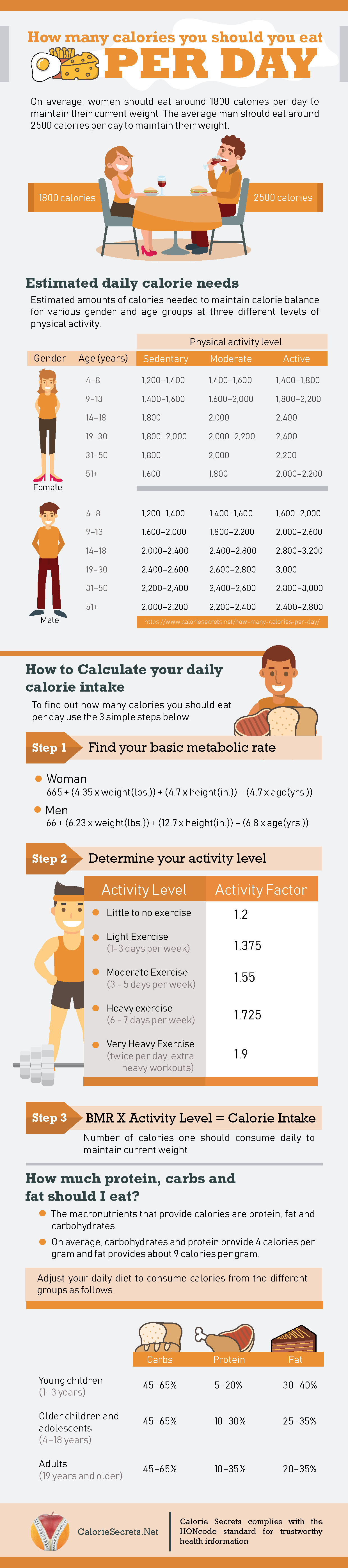
- Activity Level: This is perhaps one of the most variable and impactful inputs. Users typically select from categories like sedentary, lightly active, moderately active, very active, or extremely active. Each category corresponds to a specific “activity factor” or “physical activity level” (PAL) that multiplies the basal metabolic rate to determine total daily energy expenditure. The accuracy here relies on the user’s honest self-assessment, though increasingly, wearable technology aims to provide more objective data.
- Goal: Whether the user aims to lose weight, maintain weight, or gain weight fundamentally alters the calorie recommendation. Weight loss usually involves a calorie deficit, maintenance requires matching intake to expenditure, and weight gain necessitates a surplus. The calculator applies a specific caloric adjustment (e.g., -500 kcal for a moderate deficit) based on this declared goal.
The Underlying Formulas: Scientific Pillars of Calculation
Beneath the user-friendly interface, several scientifically validated equations form the backbone of calorie calculation. These formulas estimate Basal Metabolic Rate (BMR) and Total Daily Energy Expenditure (TDEE).
- Mifflin-St Jeor Equation: Widely regarded as one of the most accurate BMR predictors for most individuals, especially in clinical settings.
- For Men: BMR = (10 × weight in kg) + (6.25 × height in cm) – (5 × age in years) + 5
- For Women: BMR = (10 × weight in kg) + (6.25 × height in cm) – (5 × age in years) – 161
- Harris-Benedict Equation (Revised): An older but still commonly used formula, often applied to calculate BMR.
- For Men: BMR = 66.5 + (13.75 × weight in kg) + (5.003 × height in cm) – (6.755 × age in years)
- For Women: BMR = 655.1 + (9.563 × weight in kg) + (1.850 × height in cm) – (4.676 × age in years)
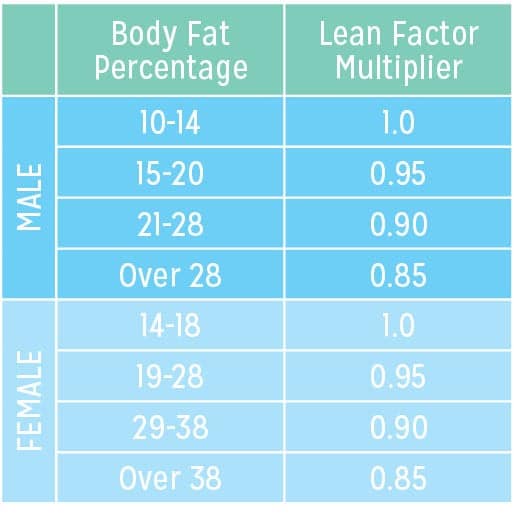
- Katch-McArdle Formula: This formula is distinct because it requires an estimate of lean body mass (LBM), making it potentially more accurate for very lean or very muscular individuals, as it accounts for the metabolically active tissue.
- BMR = 370 + (21.6 × Lean Body Mass in kg)
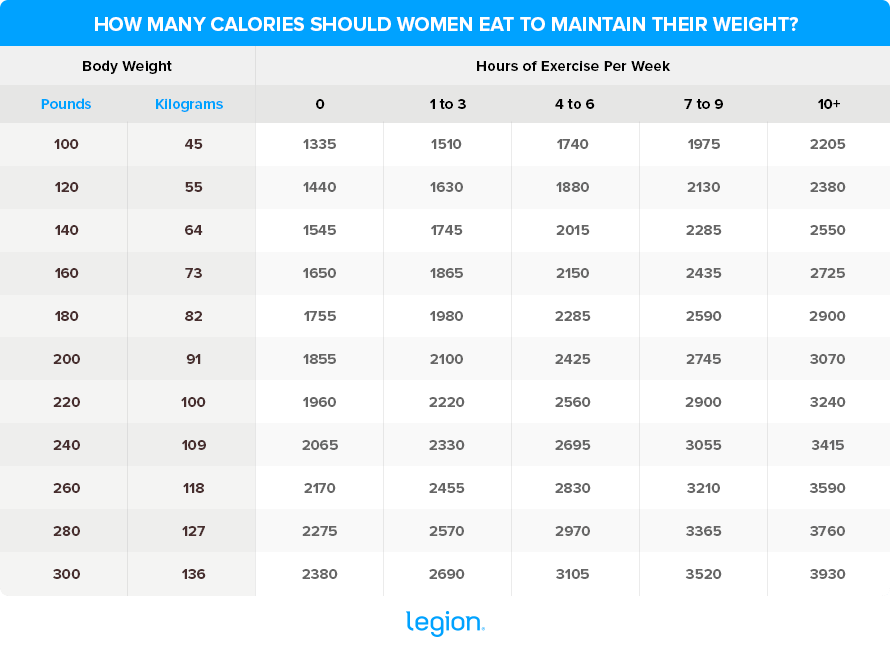
Once the BMR is calculated using one of these formulas, it is multiplied by the Activity Factor (PAL) to determine the TDEE. For instance, a moderately active individual might have a PAL of 1.55. If their BMR is 1500 kcal, their TDEE would be 1500 * 1.55 = 2325 kcal. The calculator then adjusts this TDEE based on the user’s weight goal. This entire process, from input collection to formula application and output display, is orchestrated by the software’s backend logic.
Evolution of Calorie Calculators: From Spreadsheets to AI-Powered Apps
The journey of calorie calculation tools mirrors the broader evolution of digital technology – from simple, static utilities to complex, intelligent, and interconnected systems.
Early Iterations: Static Web Forms and Basic Algorithms
The initial wave of digital calorie calculators emerged with the advent of the internet. These were typically static web pages featuring basic input fields (age, gender, height, weight, activity level) and a simple “calculate” button. The backend code would execute one of the standard BMR/TDEE formulas and display the result. They were revolutionary in their accessibility, democratizing information previously available primarily through dietitians or complex textbooks. While limited in functionality, these early calculators laid the groundwork for more sophisticated tools. They introduced the concept of instant, personalized (albeit rudimentary) nutritional guidance to the masses.
The Mobile Revolution: Apps, Wearables, and Seamless Data Integration
The proliferation of smartphones marked a pivotal shift. Calorie calculators transitioned from static web pages to dynamic, interactive mobile applications. This opened up new possibilities:
- Food Logging: Apps integrated extensive food databases, allowing users to log meals and track actual calorie intake against their recommended daily goals. This moved beyond a one-time calculation to continuous monitoring.
- Barcode Scanners: Simplifying food logging further, apps incorporated barcode scanning technology, instantly pulling nutritional data for packaged foods.
- Wearable Device Integration: The rise of fitness trackers (e.g., Fitbit, Apple Watch, Garmin) brought another layer of data. These devices could monitor activity levels, steps, heart rate, and even estimated calorie burn in real-time. Modern calorie calculators could now sync with these wearables, providing a more accurate, dynamic picture of energy expenditure and automatically adjusting recommendations based on actual physical activity. This created a powerful feedback loop, moving towards a truly personalized and responsive system.
- User Experience (UX) Design: Mobile apps prioritized intuitive interfaces, visual progress tracking, and gamification elements to keep users engaged.
Emerging Technologies: AI, Machine Learning, and Personalized Nutrition Engines
The cutting edge of calorie calculator technology is increasingly defined by artificial intelligence (AI) and machine learning (ML). These advanced algorithms move beyond static formulas to learn from user data and provide highly personalized, adaptive recommendations.
- Adaptive Algorithms: AI-powered calculators can analyze a user’s historical intake, weight fluctuations, activity patterns, and even sleep data over time. Instead of relying on a single activity factor, they can learn an individual’s unique metabolic response and energy expenditure, refining calorie recommendations dynamically.
- Predictive Analytics: ML models can identify patterns and predict how changes in diet or activity might impact future weight goals, offering proactive advice.
- Natural Language Processing (NLP): Some advanced apps are incorporating NLP to allow users to log food through voice commands or by simply describing their meals, making the input process more seamless and natural.
- Genetic and Microbiome Integration (Future): While still largely in research phases, the ultimate frontier involves integrating genetic data and microbiome analysis. This could allow for truly hyper-personalized calorie and macronutrient recommendations tailored to an individual’s unique physiological makeup, optimizing not just weight but also overall health and disease prevention.
Beyond the Number: Features and Functionality of Modern Calorie Calculators
Modern calorie calculators are far more than tools that just spit out a single number. They are comprehensive digital ecosystems designed to support an entire nutritional journey.
Macro-Nutrient Breakdown: The Next Layer of Detail
Once an overall calorie target is established, many advanced calculators break this down into recommended macronutrient ratios – protein, carbohydrates, and fats. This is crucial for individuals with specific dietary goals (e.g., high protein for muscle building, low carb for specific diets) or health conditions. The technology here involves:
- Pre-set Ratios: Offering common ratios (e.g., 40% carbs, 30% protein, 30% fat) based on general guidelines.
- Customizable Ratios: Allowing users to define their own percentage splits, with the software ensuring the total calorie count is maintained.
- Automatic Calculation: Converting calorie targets into gram targets for each macronutrient, simplifying meal planning.
Food Logging and Database Integration: Simplifying Tracking
The ability to easily log food is a cornerstone of effective calorie management. This is enabled by vast, intelligently structured food databases:
- Extensive Databases: Apps maintain massive databases of food items, including generic foods, brand-name products, and restaurant dishes, often with detailed nutritional information.
- Search Functionality: Robust search engines allow users to quickly find and log foods.
- User-Generated Content (UGC) and Verification: Many databases allow users to add new food items or recipes, often with a community-driven or algorithmic verification process to ensure accuracy.
- Recipe Builders: Users can input ingredients for homemade meals, and the software automatically calculates the total calories and macros per serving.
Goal Setting and Progress Tracking: Beyond a Single Calculation
Modern calculators integrate powerful tracking and visualization tools that transform a static number into an actionable journey:
- Weight Tracking: Users log their weight over time, allowing the app to chart progress visually.
- Calorie Adherence Charts: Graphs showing daily calorie intake versus targets, highlighting trends and consistency.
- Milestone Achievements: Celebrating small wins to maintain motivation.
- Reminders and Notifications: Prompting users to log meals or weigh themselves, leveraging app notification technology.
Wearable Device Sync: Real-time Activity and Calorie Burn Data
The integration with wearable technology is a significant leap forward in accuracy and responsiveness:
- Automatic Activity Data: Steps, active minutes, and estimated calorie burn from activities are automatically imported from wearables, removing the need for manual entry.
- Dynamic TDEE Adjustment: Instead of relying on a static activity factor, the calculator can use real-time activity data to make more precise adjustments to the daily energy expenditure estimate, providing a more accurate target.
- Holistic Health View: Combining sleep data, heart rate variability, and activity with nutritional intake provides a more complete picture of an individual’s health status. This requires robust API integrations and data synchronization protocols between different platforms and devices.
The Impact and Implications: How Technology Shapes Our Nutritional Awareness
The technological advancements in calorie calculators have profound implications, empowering individuals while also raising new considerations.
Empowering Personal Health Management
These digital tools have democratized access to personalized nutritional guidance. Individuals can take a proactive role in managing their weight, improving dietary habits, and understanding the energy balance of their bodies. The constant feedback loop provided by apps helps foster greater self-awareness and accountability, moving beyond general advice to data-driven personal insights. This empowerment is particularly significant in an era where preventative health is gaining prominence.
Data Privacy and Security in Health Tech
With the collection of sensitive personal health data – including weight, dietary habits, activity levels, and potentially even biometric information – data privacy and security become paramount concerns. Technology companies developing these calculators must adhere to strict data protection regulations (like GDPR or HIPAA in relevant regions). This involves:
- Secure Data Storage: Encrypting user data both in transit and at rest.
- Anonymization and Aggregation: Using anonymized and aggregated data for research or feature improvement, without compromising individual privacy.
- Transparent Privacy Policies: Clearly communicating how user data is collected, used, and protected.
- User Control: Giving users control over their data, including the ability to export or delete it.
The integrity of these systems is not just about functionality, but also about building and maintaining user trust.
The Future of Personalized Nutrition through Technology
Looking ahead, the convergence of AI, biotech, and ubiquitous sensing technology promises an even more personalized future for calorie and nutrition guidance. Imagine a future where a smart kitchen scale syncs with your fitness tracker, which in turn communicates with an AI that has analyzed your gut microbiome and genetic predispositions. This system could not only tell you “how many calories” but also “which type of calories” and “when” to consume them for optimal health, performance, and longevity. The calorie calculator, once a simple tool, is evolving into a sophisticated, intelligent, and indispensable personal health companion, continuously learning and adapting to our unique biological blueprints and lifestyle needs. This technological trajectory promises to fundamentally transform how we interact with our food and manage our health in the digital age.
aViewFromTheCave is a participant in the Amazon Services LLC Associates Program, an affiliate advertising program designed to provide a means for sites to earn advertising fees by advertising and linking to Amazon.com. Amazon, the Amazon logo, AmazonSupply, and the AmazonSupply logo are trademarks of Amazon.com, Inc. or its affiliates. As an Amazon Associate we earn affiliate commissions from qualifying purchases.