
Stock market crashes are among the most dramatic and devastating events in the financial world. Far from being mere corrections, these precipitous declines in market value can wipe out trillions of dollars in wealth, trigger recessions, and leave lasting psychological scars on investors. While often appearing sudden and catastrophic, a crash is rarely the result of a single isolated incident. Instead, it is typically the culmination of various interconnected economic imbalances, behavioral tendencies, and unforeseen catalysts that create a precarious environment ripe for collapse. Understanding these multifaceted causes is crucial for investors, policymakers, and anyone seeking to navigate the inherent volatility of global financial markets. From speculative bubbles fueled by irrational exuberance to the chilling effects of global pandemics and geopolitical strife, the forces behind a market crash are complex, powerful, and often deeply human.
Fundamental Economic Imbalances and Triggers
At the heart of many stock market crashes lie deeply rooted economic imbalances that, over time, create unsustainable conditions. These underlying vulnerabilities can simmer for years before a specific trigger event sets off a domino effect.
Overvaluation and Asset Bubbles
One of the most classic precursors to a market crash is widespread overvaluation, leading to the formation of an asset bubble. This occurs when the price of an asset, or a class of assets, rises significantly above its intrinsic or fundamental value. Such bubbles are often fueled by speculative fervor, herd mentality, and a belief that prices will continue to rise indefinitely, regardless of underlying economic realities. Investors, eager to profit from seemingly endless gains, pour money into these assets, driving prices even higher in a self-reinforcing cycle.
Historical examples abound: the Dutch Tulip Mania of the 17th century, the South Sea Bubble of the 18th century, the Dot-com bubble of the late 1990s, and the U.S. housing bubble of the mid-2000s. In each case, a period of irrational exuberance saw assets trade at absurd multiples, only for the bubble to eventually burst. When the collective realization dawns that prices are unsustainable, confidence evaporates, leading to a frantic sell-off as investors rush to liquidate their holdings, causing prices to plummet. The greater the bubble, the more severe the eventual crash.
Excessive Debt and Leverage
Another critical vulnerability that can precipitate a market crash is excessive debt and leverage across various sectors of the economy. This can manifest as high levels of corporate debt, where companies borrow heavily for expansion, share buybacks, or mergers; household debt, where consumers take on large mortgages, auto loans, or credit card balances; or even sovereign debt, where governments accrue massive deficits.
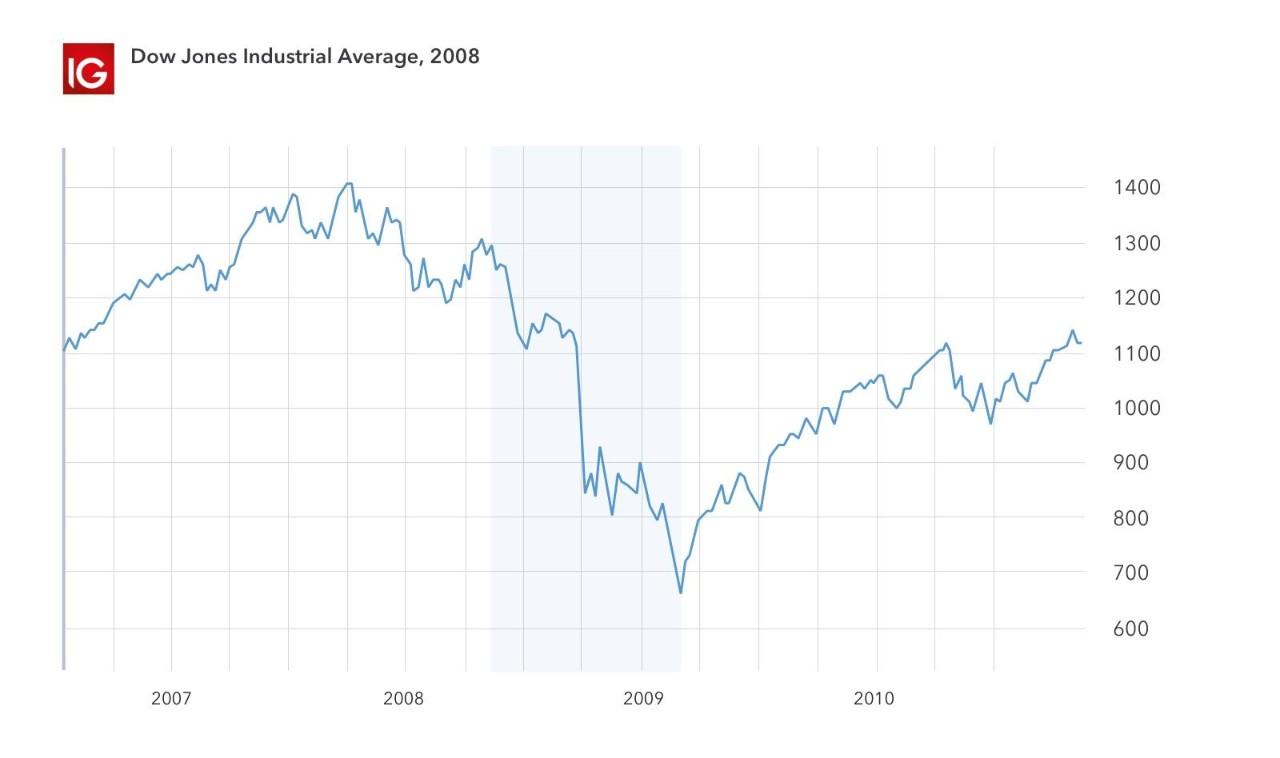
When debt levels become unsustainably high, the financial system becomes fragile. If economic growth falters, interest rates rise, or credit conditions tighten, the ability of debtors to service their obligations diminishes. A wave of defaults can then ripple through the economy, damaging banks and other financial institutions that hold these debts. High leverage, where investors or institutions use borrowed money to amplify returns, can exacerbate this risk. When asset prices fall, these leveraged positions can quickly turn negative, triggering margin calls and forced selling, which further accelerates market declines. The 2008 global financial crisis, largely driven by a collapse in the subprime mortgage market and excessive leverage within the financial system, stands as a stark reminder of debt’s destructive power.
Monetary Policy Shifts
Central banks play a pivotal role in managing economic cycles through monetary policy. Their decisions, particularly regarding interest rates and the money supply, can profoundly impact financial markets. During periods of low inflation and economic weakness, central banks often lower interest rates and implement quantitative easing (QE) to stimulate borrowing, investment, and growth. While effective in bolstering the economy, prolonged periods of ultra-low interest rates can also encourage excessive risk-taking and contribute to asset bubbles.
Conversely, when inflation becomes a concern or the economy appears to be overheating, central banks typically raise interest rates and engage in quantitative tightening (QT) to cool demand. While necessary to maintain price stability, sharp or rapid monetary policy tightening can act as a significant trigger for a market crash. Higher interest rates increase borrowing costs for businesses and consumers, dampen economic activity, and make equities less attractive compared to fixed-income investments. If the market is already fragile due to overvaluation or high debt, a shift towards tighter monetary policy can puncture investor confidence and initiate a steep correction.
Global Economic Shocks
The interconnected nature of the modern global economy means that significant economic shocks originating in one region or sector can quickly spread worldwide, leading to synchronized market downturns. These shocks can take various forms: a sudden collapse in a major global industry, a financial crisis in a large economy, or severe disruptions to international trade and supply chains.
For example, a major economic slowdown in China, the world’s second-largest economy, could send ripples across global markets due to its integral role in supply chains and demand for commodities. Similarly, an energy crisis sparked by geopolitical events or a sudden disruption in oil production could trigger widespread economic distress, affecting transportation, manufacturing, and consumer spending globally. These shocks erode corporate earnings, reduce consumer confidence, and increase uncertainty, prompting investors to pull capital out of riskier assets and seek safe havens, leading to broad market declines.
Investor Behavior and Market Psychology
While fundamental economic factors create the conditions for a crash, human psychology often acts as the accelerant, transforming a correction into a full-blown crisis. The collective behavior of millions of investors, driven by emotion rather than pure logic, can amplify market movements to extreme levels.
Fear, Panic, and Herd Mentality
During periods of sustained market growth, greed tends to dominate investor behavior, leading to a chase for higher returns and a dismissal of risks. However, once a downturn begins, fear quickly takes over. As prices fall, fear transforms into panic, prompting investors to sell their holdings indiscriminately, often regardless of the underlying value of their investments. This rush to exit positions creates a vicious cycle: selling begets more selling, driving prices down further and intensifying the panic.
This phenomenon is often compounded by herd mentality, where individuals mimic the actions of a larger group, even if those actions are irrational. When everyone else seems to be selling, there’s an overwhelming psychological pressure to do the same, lest one be left holding the bag. This collective, often unthinking, reaction can rapidly transform a modest market correction into a full-scale rout, far exceeding what fundamental economic data alone might suggest. Social media and instantaneous news cycles can amplify this herd behavior, spreading fear and panic at unprecedented speeds.
Loss Aversion and Cognitive Biases
Psychological research reveals that humans generally feel the pain of a loss more intensely than the pleasure of an equivalent gain (loss aversion). This bias significantly influences investment decisions during market downturns. When faced with declining portfolio values, investors, driven by a powerful urge to avoid further losses, may make irrational decisions, such as selling at the bottom of the market. This often means crystallizing losses that might have otherwise recovered given a longer time horizon.
Other cognitive biases also play a role. Confirmation bias, for instance, might lead investors to seek out information that confirms their existing fears during a downturn, ignoring any positive indicators. Anchoring bias can cause investors to fixate on peak prices, making it harder to accept current, lower valuations. These biases, when widespread, can collectively push the market into a downward spiral that is difficult to arrest, as rational decision-making is supplanted by emotional reactions to perceived threats.
Speculation and Liquidity Crises
Speculative trading, particularly when funded by borrowed money (margin), can significantly contribute to market fragility. When markets are rising, speculation can inflate prices, creating unsustainable bubbles. However, when prices begin to fall, speculative positions quickly unravel. Investors who bought on margin face margin calls, demanding that they deposit more money or sell off assets to cover potential losses. If they cannot meet these calls, their positions are force-liquidated by brokers, adding to selling pressure.
This rapid, forced selling can lead to a liquidity crisis, where there are more sellers than buyers, making it difficult to find buyers at any reasonable price. As liquidity dries up, bid-ask spreads widen, and prices plunge even faster. This feedback loop between falling prices, margin calls, and diminishing liquidity can transform a regular downturn into a full-blown market crash, especially in highly leveraged markets or instruments.
Systemic Risks and Regulatory Failures
Beyond economic fundamentals and investor psychology, structural vulnerabilities within the financial system itself, sometimes exacerbated by inadequate oversight, can pave the way for a crash.
Interconnectedness of Financial Markets
The modern global financial system is incredibly interconnected. Banks lend to other banks, institutions invest across borders, and derivatives link seemingly disparate assets. While this interconnectedness can promote efficiency, it also creates systemic risk: a problem in one part of the system can quickly spread to others, causing contagion.
For example, if a major bank suffers significant losses or faces insolvency, it can trigger a crisis of confidence among other financial institutions. Fearing counterparty risk, banks may become unwilling to lend to each other, leading to a credit crunch. This lack of liquidity can then starve businesses of capital, slow economic activity, and ultimately weigh heavily on stock markets. The failure of Lehman Brothers in 2008 perfectly illustrated how the interconnectedness of financial institutions could lead to a cascading global crisis.
Inadequate Regulation and Oversight
Periods leading up to market crashes often reveal instances of inadequate or lax regulation and oversight. When regulations fail to keep pace with financial innovation or are not rigorously enforced, risky practices can proliferate. This might include excessive risk-taking by banks, the widespread use of opaque financial instruments, insufficient capital reserves, or a lack of transparency in financial reporting.
Governments and regulatory bodies have a critical role in maintaining financial stability. When they fail to identify and address systemic risks, or when political pressure leads to deregulation, the stage is set for potential disaster. For instance, critics argue that deregulation in the years leading up to 2008 allowed for the proliferation of subprime mortgages and complex derivatives that ultimately destabilized the financial system. Effective regulation aims to mitigate risks without stifling innovation, a delicate balance that, when lost, can have severe consequences.
Derivatives and Complex Financial Instruments
The proliferation and complexity of derivatives and other structured financial products have been cited as a significant factor in exacerbating recent financial crises. Derivatives, such as credit default swaps (CDS), collateralized debt obligations (CDOs), and various options contracts, are financial instruments whose value is derived from an underlying asset or index. While they can be used for hedging risks, they can also be used for highly leveraged speculation.
The opaque nature and intricate interdependencies of these instruments can make it difficult to assess the true level of risk within the financial system. When the underlying assets on which these derivatives are based decline in value, the losses can be amplified and spread rapidly throughout the system, often in unexpected ways. The rapid unwinding of complex derivatives positions can create immense selling pressure and liquidity issues, making market crashes more severe and harder to predict or contain.
The Role of External Shocks and Black Swan Events
Sometimes, a market crash is not primarily the result of internal economic imbalances or behavioral excesses but rather an abrupt, unforeseen external event that acts as a powerful catalyst. These “black swan” events, by their very nature, are difficult to predict but can have profound and immediate impacts.
Geopolitical Instability
Major geopolitical events can send shockwaves through global financial markets. Wars, terrorist attacks, significant political upheavals, or sudden shifts in international relations can create immense uncertainty and disrupt global trade, supply chains, and investment flows. Such events can trigger sharp increases in commodity prices (like oil), reduce consumer and business confidence, and prompt investors to flee risky assets for safer havens like gold or government bonds.
For instance, the invasion of Ukraine in 2022 immediately led to increased volatility in energy markets and global stock exchanges as investors grappled with the implications of conflict and sanctions on global growth and inflation. Even the threat of such instability can be enough to trigger significant market corrections, as investors price in potential future disruptions.
Natural Disasters and Pandemics
Large-scale natural disasters or global health crises, such as pandemics, can have immediate and devastating economic consequences that quickly translate into market crashes. A widespread natural disaster can destroy infrastructure, disrupt supply chains, and halt economic activity in affected regions.
A global pandemic, like COVID-19 in 2020, presents an even broader threat. It can force widespread lockdowns, halt international travel, shut down businesses, and dramatically reduce consumer demand, leading to a sharp and sudden contraction in economic output. The uncertainty surrounding the duration and severity of the crisis, coupled with the direct economic impact, can cause investor confidence to evaporate, leading to a rapid and steep market decline as businesses face existential threats and earnings forecasts plummet.
Unexpected Economic Catalysts
Beyond major geopolitical or health crises, other unexpected economic catalysts can trigger a market crash. These might include a sudden and significant technological disruption that rapidly renders entire industries obsolete, leading to widespread job losses and corporate failures (though the “Money” niche focuses on the economic impact, not the tech itself). A sudden sovereign debt crisis in a major economy, a dramatic shift in global trade policies, or the collapse of a large, systematically important financial institution due to fraud or mismanagement can all act as potent triggers. While often appearing sudden, these catalysts typically ignite existing vulnerabilities within the system, accelerating a downturn that might have been brewing beneath the surface.
Navigating and Mitigating Market Crashes
While crashes are an inevitable, albeit painful, part of market cycles, investors can employ strategies to mitigate their impact and even find opportunities amidst the turmoil.
Diversification and Asset Allocation
One of the most fundamental principles of investing is diversification. Spreading investments across various asset classes (equities, bonds, real estate, commodities), different sectors, industries, and geographical regions can help reduce overall portfolio risk. When one asset class or sector performs poorly, others may hold up better or even thrive. Proper asset allocation, tailored to an individual’s risk tolerance and time horizon, ensures that a portfolio is not overly exposed to any single point of failure.
Long-Term Perspective and Dollar-Cost Averaging
Successful long-term investors understand that market volatility is normal and that crashes are temporary setbacks in the broader upward trend of the market. Panicked selling during a crash often leads to realizing losses and missing the subsequent recovery. Maintaining a long-term perspective allows investors to ride out the storm. Dollar-cost averaging, which involves investing a fixed amount regularly regardless of market fluctuations, is another powerful strategy. It means buying more shares when prices are low and fewer when prices are high, effectively averaging down the cost basis over time and allowing investors to benefit from market recoveries.
Maintaining Emergency Funds and Avoiding Leverage
Personal financial resilience is key to weathering market storms. Maintaining a robust emergency fund (typically 3-6 months of living expenses) separate from investment capital ensures that unexpected financial needs do not force premature selling of investments at depressed prices. Equally important is avoiding excessive leverage in one’s investment portfolio. Investing with borrowed money magnifies both gains and losses, and during a crash, margin calls can force devastating liquidations at the worst possible time.
Understanding Market Cycles and Economic Indicators
While precise timing of market peaks and troughs is impossible, understanding economic cycles and paying attention to key economic indicators can help investors make more informed decisions. Indicators such as inflation rates, interest rates, GDP growth, unemployment figures, and corporate earnings can provide clues about the health of the economy and potential market vulnerabilities. A nuanced understanding allows investors to temper expectations during periods of euphoria and remain rational during times of distress.
Conclusion
Stock market crashes are complex phenomena, rarely attributable to a single cause. They are typically the confluence of economic imbalances like overvaluation and excessive debt, amplified by human psychological factors such as fear and herd mentality, and often triggered by unforeseen external shocks like pandemics or geopolitical crises. Underlying these dynamics can also be systemic vulnerabilities and regulatory shortcomings within the financial architecture itself.
While the specific triggers and circumstances of each crash differ, the patterns of accumulation, exuberance, and subsequent panic bear striking resemblances throughout history. For investors, understanding these fundamental drivers is paramount. It fosters a realistic perspective on market volatility, encourages disciplined long-term strategies, and emphasizes the importance of risk management, diversification, and financial prudence. Although crashes can be devastating, they also cleanse market excesses, creating new opportunities for resilient and well-prepared investors to participate in the inevitable recovery and subsequent growth. Ultimately, navigating the turbulent waters of the stock market requires not just financial acumen, but also a deep appreciation for economic history and human nature.
aViewFromTheCave is a participant in the Amazon Services LLC Associates Program, an affiliate advertising program designed to provide a means for sites to earn advertising fees by advertising and linking to Amazon.com. Amazon, the Amazon logo, AmazonSupply, and the AmazonSupply logo are trademarks of Amazon.com, Inc. or its affiliates. As an Amazon Associate we earn affiliate commissions from qualifying purchases.