
Understanding when financial markets open and close is not merely a logistical detail; it’s a cornerstone of effective investing and trading. In an increasingly interconnected global economy, where news in one corner of the world can ripple instantly across continents, knowing the operational hours of various exchanges is paramount for managing risk, capitalizing on opportunities, and executing strategies with precision. From the bustling floors of stock exchanges to the 24/5 world of foreign exchange and the always-on realm of cryptocurrencies, market hours dictate the rhythm of global finance, influencing everything from liquidity and volatility to information dissemination and strategic decision-making.
For both seasoned professionals and nascent investors, a comprehensive grasp of these timings transcends simple scheduling. It speaks to the very nature of market dynamics, revealing periods of heightened activity, potential quietude, and critical moments when markets react to economic data, corporate earnings, or geopolitical shifts. This article delves into the intricacies of global market hours, exploring the various types of financial markets, the factors that dictate their operational schedules, and the strategic implications for participants worldwide.
The Core Concept: Regular Trading Hours Across Major Markets
While the notion of “market hours” might seem straightforward, it varies significantly across different asset classes and geographical locations. Each major financial center operates within its own time zone and regulatory framework, creating a dynamic tapestry of overlapping and distinct trading periods.
Stock Exchanges: The Heartbeat of Equity Trading
Stock exchanges are arguably the most widely recognized financial markets, where shares of publicly listed companies are bought and sold. Their operating hours are typically fixed and adhere to local business days.
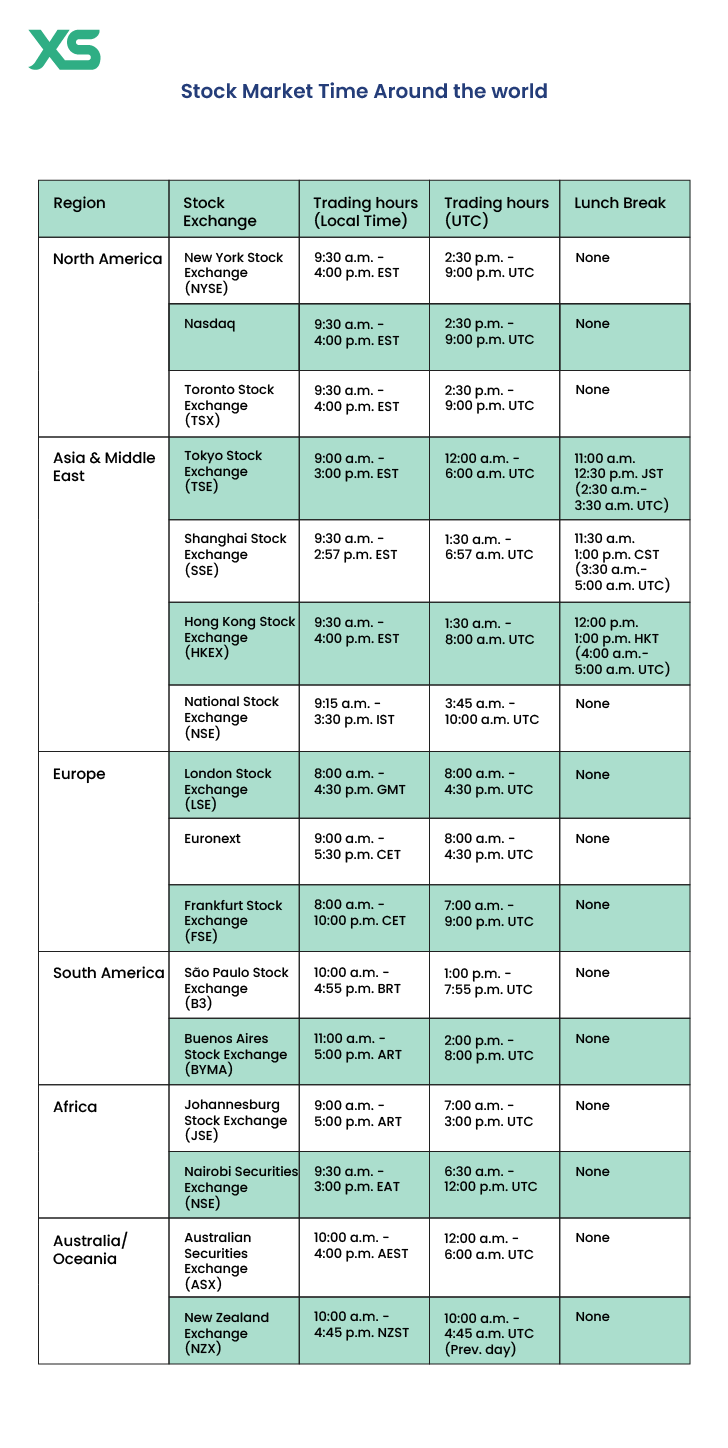
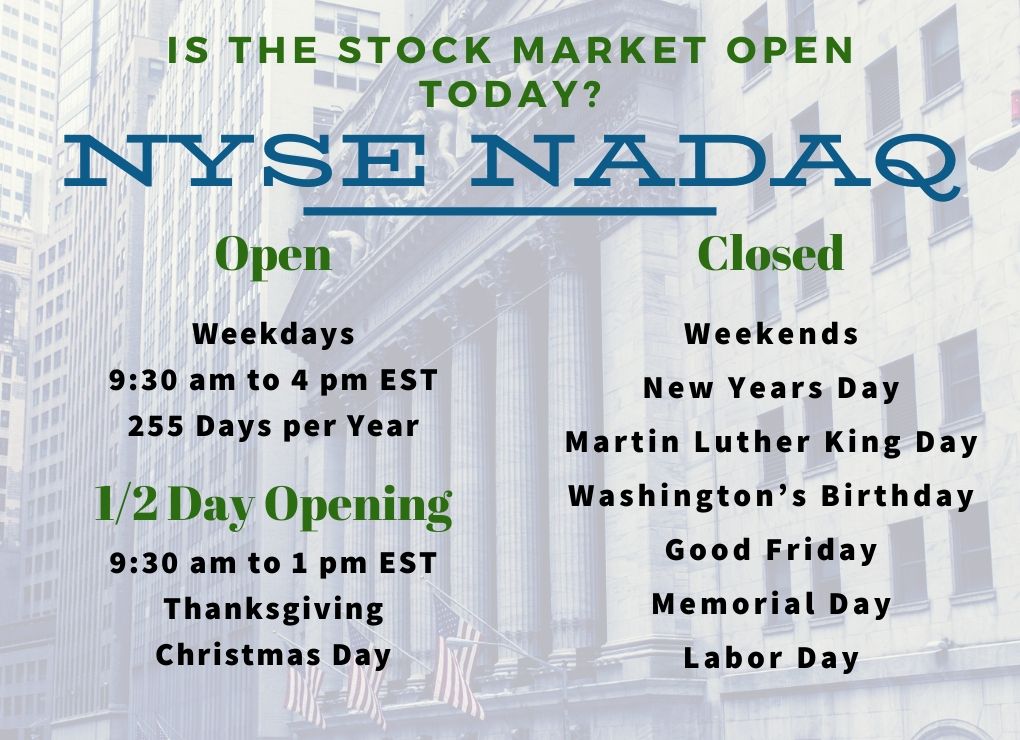
In the United States, the New York Stock Exchange (NYSE) and the NASDAQ are the primary equity markets. Both generally operate from 9:30 AM to 4:00 PM Eastern Time (ET), Monday through Friday. This seven-and-a-half-hour window is considered the regular trading session. However, the picture is more nuanced. Many institutional and retail investors engage in “pre-market” trading, which can start as early as 4:00 AM ET, and “after-hours” trading, which can extend until 8:00 PM ET. While these extended hours offer flexibility, they often come with lower liquidity and higher volatility, primarily driven by news releases that occur outside regular hours, such as earnings reports or major economic announcements.
Across the Atlantic, the London Stock Exchange (LSE) is a key European hub, with typical trading hours from 8:00 AM to 4:30 PM Greenwich Mean Time (GMT). Frankfurt’s Xetra (part of Deutsche Börse) operates from 9:00 AM to 5:30 PM Central European Time (CET). In Asia, the Tokyo Stock Exchange (TSE) generally operates from 9:00 AM to 11:30 AM Japan Standard Time (JST) for its morning session, followed by a lunch break, and then a afternoon session from 12:30 PM to 3:00 PM JST. Other major Asian exchanges like the Shanghai Stock Exchange and Hong Kong Stock Exchange also follow similar morning and afternoon sessions with midday breaks. These breaks are a unique characteristic of some Asian markets, designed to allow participants to regroup and react to news during the trading day.
Understanding these specific hours is critical for investors trading international stocks, as local news and events can significantly impact price movements.
Bond Markets: A Different Rhythm
Bond markets, encompassing government bonds, corporate bonds, and municipal bonds, often operate with slightly different rhythms compared to equity markets. While some bonds trade on exchanges, a significant portion of the bond market, particularly corporate and municipal bonds, operates “over-the-counter” (OTC) through a network of dealers. This decentralized structure means there isn’t a single “opening bell.”
However, generally, the primary trading hours for government bonds, such as U.S. Treasuries, are typically longer than equity markets. For instance, the US bond market’s electronic trading platforms are often available from 8:00 AM to 5:00 PM ET, with some activity extending beyond these hours. For institutional traders, the market effectively begins earlier and ends later as they manage large portfolios and respond to global interest rate movements. The interbank market for bonds, where major financial institutions trade amongst themselves, often mirrors the extended hours of foreign exchange, reacting to global economic data releases around the clock. The less centralized nature of bond trading can sometimes lead to greater price discrepancies and varying liquidity depending on the specific bond and the time of day.
Commodity Exchanges: Raw Materials in Motion
Commodity exchanges facilitate the trading of raw materials like crude oil, natural gas, gold, silver, agricultural products (corn, wheat, soybeans), and industrial metals. Major players include the New York Mercantile Exchange (NYMEX), the Chicago Mercantile Exchange (CME), and the Intercontinental Exchange (ICE).
Commodity trading has largely shifted to electronic platforms, allowing for extended trading hours beyond traditional floor sessions. For instance, futures contracts for crude oil (WTI) on NYMEX are often traded electronically from Sunday evening through Friday afternoon, with short daily maintenance breaks. Gold futures on COMEX (part of CME Group) also have very extensive electronic trading hours, spanning nearly 24 hours a day, five days a week.
While specific hours vary by commodity and exchange, the general trend is towards longer, more flexible electronic trading sessions. This enables market participants to react promptly to global supply and demand dynamics, geopolitical events, and weather patterns that can significantly impact commodity prices at any given moment. The global nature of commodity production and consumption necessitates these extended hours to accommodate participants from different time zones.
The 24/5 World of Forex and Cryptocurrencies
Beyond traditional stocks, bonds, and commodities, two other major asset classes operate on fundamentally different time schedules, offering continuous trading opportunities.
Foreign Exchange (Forex): A Continuous Global Symphony
The foreign exchange market, or Forex, is the largest and most liquid financial market in the world, with trillions of dollars exchanged daily. Unlike stock exchanges, Forex is a decentralized, over-the-counter (OTC) market, meaning there is no central exchange. Instead, currency trading occurs directly between participants across a global network of banks, financial institutions, and brokers.
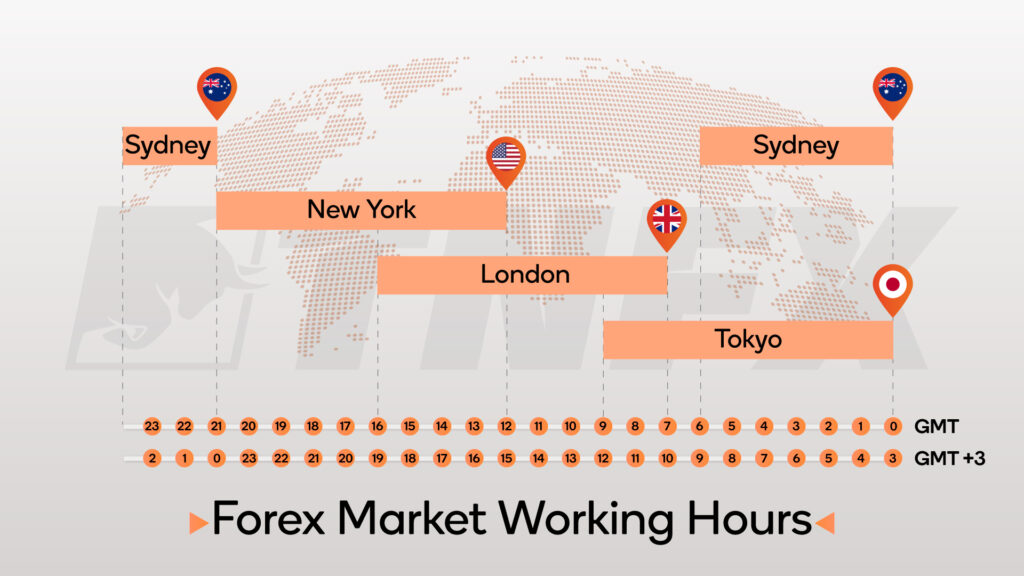
This decentralized nature, combined with the global need for currency exchange, allows the Forex market to operate nearly 24 hours a day, five days a week. The market officially opens on Sunday evening (typically 5:00 PM ET) with the Sydney trading session, followed by Tokyo, London, and finally New York, before closing on Friday evening (5:00 PM ET). These major trading sessions overlap, creating periods of exceptionally high liquidity and activity, particularly when the London and New York markets are both open.
The 24/5 nature of Forex trading is a significant advantage for many traders, allowing them to react to economic news and events from any time zone without waiting for a market to open. However, it also demands constant vigilance and can lead to “overnight risk” if positions are left open during less liquid hours or through major news events that occur while a trader is offline.
Cryptocurrencies: The Always-On Digital Frontier
The newest frontier in financial markets, cryptocurrencies like Bitcoin and Ethereum, operate on an entirely different schedule: 24 hours a day, 7 days a week, 365 days a year. This “always-on” characteristic is inherent to their decentralized, digital nature.
Unlike traditional markets, there are no central banks, governments, or regulatory bodies dictating specific opening and closing hours for cryptocurrency exchanges. Transactions are processed and verified by a global network of computers (miners or validators), making trading possible at any moment. This continuous operation offers unprecedented flexibility for investors, allowing them to buy or sell crypto assets regardless of weekends, holidays, or time zones.
However, the 24/7 nature also means that cryptocurrency markets can be highly volatile and susceptible to rapid price swings at any hour. There are no “closing bells” to pause activity and allow for reflection or the absorption of news. This constant availability means that market participants must be prepared for continuous price action and should implement robust risk management strategies tailored to an always-on environment.
Factors Influencing Market Operating Hours
Several critical factors determine and influence the operational schedules of financial markets globally, moving beyond the simple clock time.
Time Zones and Geographic Location
The most obvious factor is the geographical location of an exchange and its corresponding time zone. The global market is essentially a relay race, with activity shifting from East to West as the sun rises across the globe. This creates overlapping trading sessions, particularly for Forex, where the handover from Tokyo to London, and then London to New York, is crucial for maintaining liquidity. For equity markets, investors in one region may find themselves trading a foreign market during their local evening or early morning hours, requiring careful time zone conversions. This global interconnectedness means that significant economic data releases or political events in one region can impact markets halfway around the world, even if their local exchanges are closed.
Public Holidays and Special Closures
All financial markets observe national public holidays. For instance, U.S. markets close for holidays like New Year’s Day, Martin Luther King Jr. Day, Presidents’ Day, Good Friday, Memorial Day, Juneteenth National Independence Day, Independence Day, Labor Day, Thanksgiving Day, and Christmas Day. Similar closures occur in other countries for their respective national holidays (e.g., Golden Week in Japan, Chinese New Year, Boxing Day in the UK).
Additionally, markets may have “half-days” before certain holidays or experience exceptional closures due to unforeseen circumstances like severe weather, national mourning, or technical issues. It is imperative for investors to consult the official holiday calendars of the exchanges they trade on, as unexpected closures or modified hours can significantly impact trading plans and portfolio management. Brokerage platforms typically provide these calendars as a standard service.
Market Type and Regulatory Framework
The type of market (e.g., exchange-traded vs. over-the-counter) and its regulatory framework also play a significant role. Highly regulated exchanges (like the NYSE or LSE) have very strict and published trading hours to ensure fairness, transparency, and orderly market operations. They often have circuit breakers and mechanisms to halt trading during extreme volatility within these defined hours.
Conversely, OTC markets, like much of the bond or interbank Forex market, operate more flexibly due to their decentralized nature. While there are still widely accepted “business hours” for active trading, the infrastructure allows for transactions outside these core times. The regulatory environment also dictates pre-market and after-hours trading rules, including which instruments can be traded and by whom, reflecting a balance between fostering liquidity and protecting investors during potentially less liquid periods.
Strategic Implications of Market Hours for Investors
Understanding market hours is not just about avoiding missed trades; it’s a strategic imperative that influences everything from risk management to profit potential.
Volatility and Liquidity during Opening and Closing Bells
The opening and closing hours of traditional equity markets are typically periods of heightened volatility and liquidity. At the market open, pent-up demand and supply from overnight news, corporate announcements, or global market movements converge, often leading to rapid price swings and large trading volumes. Similarly, the closing bell sees a surge in activity as traders square positions, execute market-on-close (MOC) orders, and rebalance portfolios. These periods can present both significant opportunities for active traders and elevated risks for those not prepared for rapid price movements. Conversely, midday trading often sees reduced volatility and liquidity, though this can vary depending on market news.
Global Opportunities and Risks
The continuous nature of global financial markets means that news or economic data released in one time zone can impact asset prices worldwide. For a U.S. investor, a major economic announcement from China during their market’s evening hours could significantly affect their Asian equity holdings or even the opening of the U.S. market the next day. This presents both an opportunity to diversify portfolios and a risk of “overnight gaps,” where an asset’s price opens significantly higher or lower than its previous close due to events that occurred while the local market was closed. Active investors often need to monitor global news flow and market movements even outside their local trading hours to manage this risk effectively.
Adapting Trading Strategies
Different market hours necessitate adapted trading strategies. Day traders, who aim to open and close positions within a single trading day, are highly focused on the regular trading session’s volatility and liquidity, particularly around the opening and closing bells. Long-term investors, while less concerned with minute-by-minute fluctuations, still need to be aware of how market closures or extended hours might impact the execution of their orders or the valuation of their portfolios, especially during periods of significant news. Strategies involving pre-market or after-hours trading are often used by those reacting to specific news events like earnings reports, accepting the trade-off of potentially lower liquidity for quicker execution. Effective risk management, including the use of stop-loss orders, becomes even more critical when trading across different time windows or in continuously operating markets like Forex and crypto.
Accessing Real-Time Market Information and Tools
In the digital age, investors have a wealth of tools and resources at their fingertips to navigate the complexities of global market hours.
Financial News Outlets and Data Providers
Reputable financial news outlets like Bloomberg, Reuters, The Wall Street Journal, and The Financial Times are invaluable sources for real-time market updates, economic calendars, and news that might impact market openings or trading activity. Data providers and platforms such as TradingView, Yahoo Finance, Google Finance, and various brokerage-specific terminals offer not only live price data but also display current market status (open/closed), pre-market/after-hours quotes, and tools for tracking global indices.
Brokerage Platforms and Their Features
Modern online brokerage platforms are typically designed with global market dynamics in mind. They often clearly indicate when a specific market is open or closed, provide options for placing orders during pre-market or after-hours sessions (often with specific order types like “Good Till Cancelled” or “Fill or Kill”), and may even offer alerts for market openings or important economic announcements. Investors should familiarize themselves with their broker’s specific features related to extended-hours trading and order execution to avoid unexpected outcomes.
Calendar Tools and Mobile Applications
Beyond dedicated trading platforms, numerous standalone calendar tools and mobile applications are available that specialize in tracking global market hours and holiday schedules across various exchanges. These tools can be highly beneficial for investors managing portfolios across multiple geographies, providing a quick visual reference for which markets are currently active and which are observing holidays. Such apps often allow users to customize alerts for specific market openings or closures, ensuring they stay informed regardless of their own local time zone.
In conclusion, the question “When are the markets open?” unravels a complex yet fascinating aspect of global finance. It highlights the diverse operational rhythms of different asset classes, from the structured hours of traditional stock exchanges to the continuous activity of Forex and cryptocurrency markets. For any participant in the financial world, understanding these timings is more than just an academic exercise; it is a fundamental component of strategy, risk management, and the pursuit of informed decision-making in a world where financial activity never truly sleeps. By leveraging available information and tools, investors can better navigate the global financial landscape, aligning their actions with the dynamic pulse of the markets.
aViewFromTheCave is a participant in the Amazon Services LLC Associates Program, an affiliate advertising program designed to provide a means for sites to earn advertising fees by advertising and linking to Amazon.com. Amazon, the Amazon logo, AmazonSupply, and the AmazonSupply logo are trademarks of Amazon.com, Inc. or its affiliates. As an Amazon Associate we earn affiliate commissions from qualifying purchases.