
For anyone engaged in the intricate world of investing, understanding the precise hours of market operation is fundamental. This knowledge isn’t merely academic; it’s a critical component of risk management, strategic planning, and effective execution. While the core trading hours for major U.S. exchanges like the New York Stock Exchange (NYSE) and NASDAQ are well-established, interpreting these hours through the lens of different time zones, particularly Pacific Standard Time (PST), adds a layer of complexity that West Coast investors must master. Missing a key market event or misunderstanding a closing bell can have tangible implications for one’s portfolio. This article delves into the specifics of U.S. stock market closing times for PST investors, exploring not just the standard hours but also the nuances of extended trading sessions, holiday schedules, and the strategic advantages gained by fully grasping these temporal dynamics.
The Standard Trading Day: East Coast vs. West Coast
At the heart of global finance lies the U.S. stock market, a bustling ecosystem that drives economic activity and investment opportunities. Understanding its operational rhythm, especially the crucial opening and closing times, is non-negotiable for informed participation.
The Core Hours of U.S. Exchanges (ET)
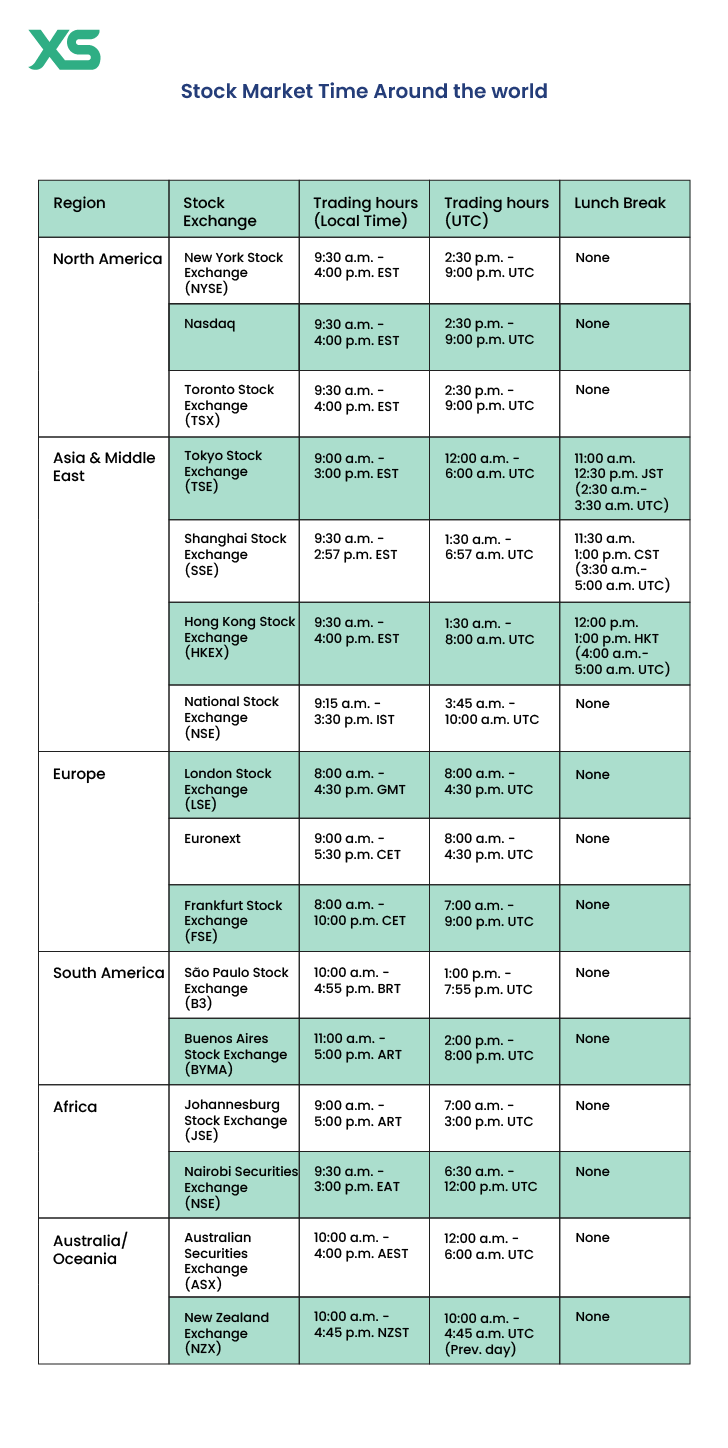
The backbone of U.S. equity trading rests with the New York Stock Exchange (NYSE) and the NASDAQ Stock Market. Both operate on a standardized schedule designed to facilitate consistent and liquid trading. Their core trading hours are from 9:30 AM Eastern Time (ET) to 4:00 PM Eastern Time (ET), Monday through Friday. This seven-and-a-half-hour window is characterized by its highest liquidity, greatest volume, and most significant price discovery. During these hours, a vast majority of individual and institutional trading occurs, making it the most efficient period for executing orders and observing market trends. Major economic data releases, corporate news announcements, and significant market-moving events are often strategically timed to coincide with, or just precede, these core hours to maximize their impact and dissemination across the widest possible audience of participants. The closing bell at 4:00 PM ET serves as the official end to this vibrant period, locking in the day’s final prices and setting the stage for the next trading session.
Translating Market Close to Pacific Standard Time (PST)
For investors residing on the West Coast, the three-hour time difference between Eastern Time and Pacific Standard Time necessitates a straightforward yet crucial conversion. When the U.S. stock market officially closes at 4:00 PM ET, it translates directly to 1:00 PM Pacific Standard Time (PST). This means that while East Coast investors are wrapping up their trading day in the late afternoon, their West Coast counterparts are typically concluding their active market engagement just after lunch. This earlier closing time for PST residents has practical implications. It requires a different rhythm for monitoring portfolios, reacting to news, and placing orders. A morning trading routine for a West Coast investor encompasses the entire core market session, from the opening bell at 6:30 AM PST to the closing bell at 1:00 PM PST. Being acutely aware of this 1:00 PM PST cutoff is paramount for managing open positions, setting stop-loss or take-profit orders, and ensuring that any immediate trading actions are completed before the day’s final prices are locked in.
Why the Closing Bell Matters
The closing bell is far more than just a symbolic end to the trading day; it’s a pivotal moment with substantial financial implications. It signifies the end of the highest liquidity period, meaning that after 1:00 PM PST, the ease with which large orders can be executed without significantly impacting price diminishes. The official closing price of a stock, determined at 4:00 PM ET (1:00 PM PST), is used for a multitude of purposes, including calculating daily performance, valuing mutual funds and exchange-traded funds (ETFs), and serving as the benchmark for various financial contracts. For investors, the closing bell marks the final opportunity to adjust positions under normal market conditions. Decisions made in the minutes leading up to the close can be critical, as market sentiment or late-breaking news can often trigger rapid price movements. Furthermore, for those who hold positions overnight, the closing price establishes the starting point for potential gains or losses when the market reopens, making it a key factor in daily profit and loss (P&L) calculations.
Beyond the Bell: Exploring Extended Trading Sessions
While the core 9:30 AM to 4:00 PM ET window defines the primary market, the financial world doesn’t simply shut down outside these hours. Extended trading sessions—pre-market and after-hours—offer additional opportunities and challenges, especially for those operating on PST.
Pre-Market Trading Dynamics (PST Perspective)
Pre-market trading typically spans from 4:00 AM ET to 9:30 AM ET, which translates to an early start of 1:00 AM PST to 6:30 AM PST for West Coast investors. This period allows market participants to react to news that breaks before the official open, such as overnight economic reports, analyst upgrades/downgrades, or corporate announcements released during non-market hours. While it offers a valuable head start, pre-market trading is characterized by significantly lower liquidity compared to regular hours. Fewer buyers and sellers mean that even relatively small orders can cause substantial price swings. The bid-ask spread, the difference between the highest price a buyer is willing to pay and the lowest price a seller is willing to accept, tends to be wider, leading to less favorable execution prices. For PST investors, engaging in pre-market trading demands extreme vigilance and a willingness to operate outside conventional working hours, leveraging advanced trading platforms and alerts to capitalize on early opportunities while managing the inherent volatility and execution risks.
After-Hours Trading Opportunities and Challenges (PST Perspective)
After-hours trading typically runs from 4:00 PM ET to 8:00 PM ET, which means from 1:00 PM PST to 5:00 PM PST for West Coast participants. This session is often driven by major corporate events, most notably earnings reports, which companies frequently release immediately after the market closes. Other late-breaking news, such as mergers and acquisitions, regulatory decisions, or significant geopolitical developments, can also trigger considerable activity. Similar to pre-market, after-hours trading is marked by reduced liquidity and increased volatility. Institutional investors and professional traders often dominate this period, leaving individual investors to navigate a less transparent and potentially riskier environment. Orders placed during after-hours sessions may experience wider spreads and poorer fills than during regular hours. Furthermore, not all order types are available, and the lack of a consolidated order book across all trading venues can make price discovery less efficient. For PST investors, this 1:00 PM to 5:00 PM PST window presents an immediate opportunity to react to news impacting their holdings, but it also necessitates a disciplined approach to avoid impulsive decisions driven by limited information or exaggerated price movements.
Strategic Considerations for Extended Hours

Participating in extended trading sessions requires a nuanced strategy, particularly for PST investors adapting to the non-traditional timings. The primary advantage is the ability to react quickly to new information, potentially capitalizing on immediate price movements before the wider market reacts during regular hours. This can be crucial for stocks heavily impacted by earnings surprises or unexpected news. However, the increased risk associated with lower liquidity and higher volatility cannot be overstated. Trades placed during these times might not execute at the desired price, or they might move against a position rapidly due to thinner order books. Investors should use limit orders exclusively during extended hours to control the price at which their trades are executed, mitigating the risk of adverse fills. Moreover, monitoring news sources diligently is paramount, as the drivers of price action are often specific announcements rather than broad market sentiment. For PST residents, integrating these early morning (1:00 AM – 6:30 AM PST) and late afternoon (1:00 PM – 5:00 PM PST) windows into their investment routine demands careful planning, disciplined execution, and a clear understanding of the heightened risks involved.
Navigating Market Closures and Exceptions for PST Investors
Beyond the standard daily schedule, the stock market observes various closures and exceptions that are critical for investors to track. For those on PST, these nuances require an adjusted perspective to ensure continuous informed decision-making.
Holiday Schedule and Early Closures
U.S. stock exchanges observe several federal holidays throughout the year, during which they remain completely closed. These typically include New Year’s Day, Martin Luther King, Jr. Day, Presidents’ Day, Good Friday, Memorial Day, Juneteenth National Independence Day, Independence Day, Labor Day, Thanksgiving Day, and Christmas Day. Beyond full-day closures, there are also instances of early closures or half-day trading sessions. For example, the market often closes early on the day before Thanksgiving (10:00 AM PST), Christmas Eve (10:00 AM PST), and sometimes other holidays that fall midweek. For a PST investor, knowing these dates well in advance is essential. A holiday closure on an East Coast calendar means a full day off from market activity starting at 1:00 PM PST on the preceding business day, or earlier if it’s a half-day session. Failing to account for these closures can lead to missed opportunities, inability to execute urgent trades, or unexpected overnight exposure. Savvy investors integrate these dates into their financial planning calendars, adjusting their trading and monitoring routines accordingly.
The “Overnight Gap” and Global Influences
When the U.S. stock market closes at 1:00 PM PST, it doesn’t mean the world of finance stops. Global markets, operating in different time zones, continue their activity. Asian markets (like Tokyo and Shanghai) are often opening or in full swing during the U.S. overnight, followed by European markets (like London and Frankfurt) as the U.S. East Coast begins its morning. The “overnight gap” refers to the period between the U.S. market close and its subsequent open. During this time, significant news can break—economic data from abroad, geopolitical events, or major corporate announcements from international companies—which can influence investor sentiment and create price movements that manifest as a “gap” in U.S. stock prices at the next open. For PST investors, this means that while their local clocks may indicate early morning, the global financial landscape has been active for hours. Understanding how major economic indicators from China or central bank decisions in Europe might impact U.S. equities is vital, as these influences often dictate the pre-market sentiment and the direction of the U.S. market open at 6:30 AM PST. Proactive monitoring of global news feeds, even when the U.S. market is closed, becomes a critical strategy.
Planning Your West Coast Trading Day
For a PST investor, a typical market day unfolds quite differently than for their East Coast counterparts. The day often begins with monitoring pre-market activity and global news at a very early hour (e.g., 5:00 AM PST), preparing for the 6:30 AM PST market open. The core trading session then runs through lunch, concluding abruptly at 1:00 PM PST. This condensed morning schedule requires efficient time management and a structured approach. Developing a routine that includes setting alarms for key news releases or market events, utilizing mobile alerts for price movements, and having a clear strategy for order placement before the 1:00 PM PST close is crucial. Many PST investors dedicate their mornings to active market participation and use their afternoons for research, analysis, or engaging in after-hours trading if necessary. This time-zone-aware planning minimizes the risk of being caught off guard by market moves and ensures that investment decisions are made deliberately, rather than reactively, within the available trading windows.
Leveraging Time-Zone Awareness for Smarter Investment Decisions
Mastering the intricacies of market hours, especially from a PST perspective, transforms a passive understanding into a powerful strategic advantage. It empowers investors to make more informed, timely, and disciplined decisions.
Optimizing Order Placement and Monitoring
For PST investors, optimizing order placement is a strategic art. Understanding that the market opens at 6:30 AM PST and closes at 1:00 PM PST allows for precision. High liquidity periods, often shortly after the open and leading up to the close, are generally considered the best times for executing larger orders to minimize slippage. However, being present for the 6:30 AM PST open means an early start. Automated alerts can be invaluable for monitoring specific stock prices or portfolio performance throughout the day, ensuring that even if one steps away, critical movements aren’t missed. Utilizing limit orders, particularly during extended trading hours or when away from the trading screen, provides control over execution prices and protects against adverse price swings. For West Coast investors, this also means knowing when to place “good till canceled” orders for overnight consideration, or when to prepare market-on-open (MOO) or market-on-close (MOC) orders that execute at the market’s opening or closing price, respectively. Proactive monitoring and precise order management, aligned with the PST schedule, can significantly enhance trading efficiency.
Informed Decision-Making Around Earnings and News Releases
Corporate earnings reports and other significant news releases are often scheduled strategically to occur either before the market opens (pre-market) or after it closes (after-hours). For PST investors, this translates to crucial information often being released at unconventional times. Pre-market releases might occur around 1:00 AM to 6:30 AM PST, demanding a very early review if one intends to react immediately at the open. After-hours releases, typically around 1:00 PM to 5:00 PM PST, require monitoring after the traditional trading day ends. Being aware of a company’s earnings calendar and anticipated news release times allows PST investors to prepare their analysis, form a strategy, and be ready to act—or choose not to act—when the information hits. This preparedness helps in distinguishing between genuine, market-moving news and speculative noise that often accompanies extended-hours trading. Rather than reacting impulsively to headline figures, a disciplined PST investor will absorb the news, evaluate its implications, and then decide on the appropriate course of action, whether during the extended session or waiting for the more liquid core hours.

Risk Management and Emotional Discipline
The unique timing of the stock market for PST residents underscores the importance of robust risk management and emotional discipline. The condensed trading window (6:30 AM – 1:00 PM PST) can sometimes create a sense of urgency, potentially leading to hasty decisions if not managed carefully. Conversely, the long overnight period when the U.S. market is closed, but global events continue, can foster anxiety about potential overnight gaps. A well-defined investment strategy that accounts for market hours is essential. This includes setting clear entry and exit points, using stop-loss orders to limit potential losses, and never investing more than one can afford to lose. For PST investors, it’s also about managing the psychological impact of operating on a different schedule. Avoiding the fear of missing out (FOMO) during early morning pre-market rallies or late afternoon after-hours surges, and instead sticking to a reasoned plan, is crucial. Disciplined adherence to one’s strategy, combined with an acute awareness of when the market is truly “open” and “closed” from a West Coast perspective, forms the bedrock of long-term investment success.
In conclusion, for those on the Pacific Standard Time, the question “what time does the stock market close PST?” opens up a broader discussion about strategic timing in investing. The core answer – 1:00 PM PST – is just the starting point. A comprehensive understanding encompasses the critical pre-market and after-hours sessions, holiday exceptions, and the overarching influence of global markets during the U.S. overnight. By internalizing these temporal dynamics, West Coast investors can move beyond mere reaction, proactively planning their trading days, optimizing order placements, and leveraging news releases for smarter, more disciplined financial decisions. This time-zone awareness is not just about convenience; it’s a powerful tool for enhancing risk management, improving execution, and ultimately, achieving a more secure and prosperous financial future.
aViewFromTheCave is a participant in the Amazon Services LLC Associates Program, an affiliate advertising program designed to provide a means for sites to earn advertising fees by advertising and linking to Amazon.com. Amazon, the Amazon logo, AmazonSupply, and the AmazonSupply logo are trademarks of Amazon.com, Inc. or its affiliates. As an Amazon Associate we earn affiliate commissions from qualifying purchases.