
The world of stock trading, often depicted as a high-stakes arena, is increasingly accessible to individuals willing to invest time and effort in mastering its intricacies. Far from a mere gamble, successful stock trading is a skill-based discipline rooted in knowledge, strategy, and psychological fortitude. For aspiring traders, the journey begins not with a large sum of money, but with a robust commitment to education. This comprehensive guide outlines the essential steps and considerations for learning stock trading, transforming curiosity into actionable expertise within the realm of personal finance and investing.
1. Understanding the Fundamentals of Stock Trading
Before placing your first trade, a solid grasp of the foundational concepts is indispensable. Stock trading involves buying and selling shares of publicly traded companies with the aim of profiting from price fluctuations. It’s a dynamic field requiring continuous learning and adaptation.
What is Stock Trading?
At its core, stock trading is the practice of attempting to capitalize on the short-term price movements of stocks. Unlike long-term investing, which focuses on holding assets for years to benefit from compounding returns and company growth, trading seeks to profit from market volatility over shorter timeframes—ranging from minutes to weeks or months. Traders buy shares hoping their price will rise, then sell them for a profit, or they may “short sell” shares, betting on a price decline. This constant movement is driven by a multitude of factors, making the market both challenging and potentially rewarding.
Key Terminology Every Trader Should Know
Navigating the stock market requires fluency in its unique language. Essential terms include:
- Bid/Ask Price: The highest price a buyer is willing to pay (bid) and the lowest price a seller is willing to accept (ask). The difference is the spread.
- Market Order: An order to buy or sell immediately at the best available current price.
- Limit Order: An order to buy or sell at a specific price or better.
- Stop-Loss Order: An order to sell a stock once it reaches a certain price, designed to limit a trader’s potential loss.
- Volume: The number of shares traded over a specific period, indicating liquidity and interest.
- Volatility: The degree of variation of a trading price series over time, reflecting risk and potential for quick gains or losses.
- Bull Market/Bear Market: A bull market signifies rising stock prices and investor optimism, while a bear market indicates declining prices and pessimism.
- Margin: Borrowing money from a broker to purchase securities, amplifying both potential gains and losses.
- Leverage: The use of borrowed capital to increase the potential return of an investment.
Understanding these terms is critical for interpreting market data, understanding order types, and managing risk effectively.
The Difference Between Investing and Trading
While both investing and trading involve the stock market, their objectives, time horizons, and methodologies differ significantly. Investing is generally a long-term strategy, focusing on capital appreciation over years or decades. Investors often analyze a company’s fundamentals (earnings, management, industry outlook) and aim to buy and hold quality assets. Trading, conversely, is a short-term approach. Traders prioritize technical analysis (chart patterns, indicators) to predict near-term price movements. They aim for frequent, smaller profits, often incurring higher transaction costs but also having the flexibility to adapt quickly to market shifts. Recognizing this distinction is crucial for aligning your learning path with your financial goals.
Understanding Market Dynamics and Forces
The stock market is a complex ecosystem influenced by a myriad of factors. Macroeconomic indicators like inflation rates, interest rates, GDP growth, and employment figures can significantly impact overall market sentiment. Geopolitical events, technological advancements, industry-specific news, and company earnings reports also drive stock prices. Understanding how these forces interact and anticipating their potential impact on specific stocks or sectors is a sophisticated skill that comes with extensive study and observation. Fundamental analysis involves evaluating a company’s intrinsic value based on financial statements and economic health, while technical analysis uses historical price and volume data to predict future price movements. Both are vital tools in a trader’s arsenal.
2. Building Your Knowledge Base: Educational Pathways
Learning to trade is an ongoing process that extends beyond theoretical understanding. It requires practical application and continuous self-improvement.
Self-Study: Books, Articles, and Online Resources
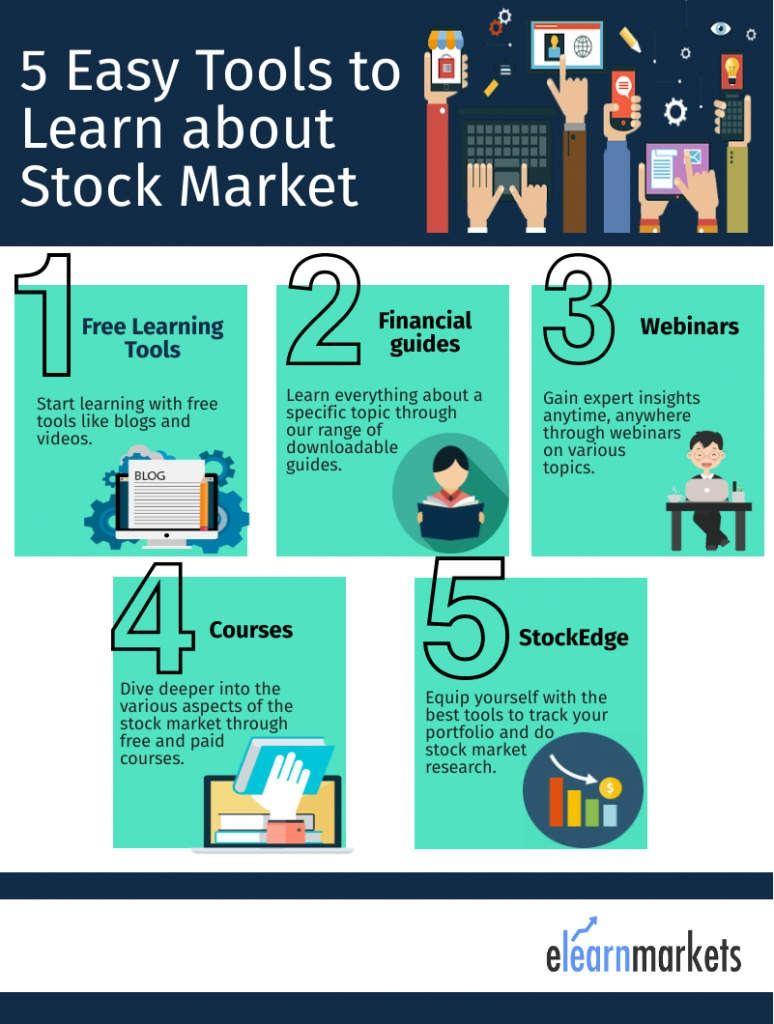
For many aspiring traders, self-study forms the bedrock of their education. An abundance of high-quality resources is available, covering every aspect of stock trading.
- Books: Classics like “Market Wizards” by Jack D. Schwager, “Technical Analysis of the Financial Markets” by John J. Murphy, and “The Intelligent Investor” by Benjamin Graham offer timeless wisdom and foundational principles.
- Financial News Outlets: Websites like Bloomberg, The Wall Street Journal, Reuters, and CNBC provide real-time market news, analysis, and expert commentary.
- Educational Websites and Blogs: Reputable platforms often publish articles, tutorials, and guides on various trading topics, from basic concepts to advanced strategies.
- YouTube Channels: Many experienced traders and financial educators share insights, strategies, and market analysis through video content.
The key to effective self-study is to be selective, critically evaluate sources, and build a structured learning plan rather than randomly consuming content.
Structured Learning: Courses and Mentorship Programs
While self-study is powerful, structured learning can provide a more organized and comprehensive approach.
- Online Trading Courses: Many reputable institutions and independent educators offer courses ranging from beginner to advanced levels. These often include video lectures, quizzes, practical exercises, and community forums. When choosing a course, look for one with a clear curriculum, experienced instructors, and positive reviews. Be wary of programs promising guaranteed riches.
- Mentorship Programs: Learning from an experienced, successful trader can accelerate your progress significantly. A mentor can offer personalized guidance, share practical insights, help you develop a trading plan, and provide accountability. Finding a mentor may involve networking within trading communities or through specialized platforms.
- Simulated Trading Environments: Many brokerage platforms offer paper trading accounts or simulators. These allow you to trade with virtual money in a real-time market environment, applying your knowledge without financial risk. This is an invaluable step for practicing strategies, testing hypotheses, and getting comfortable with the trading platform before committing real capital.
Leveraging Simulation and Paper Trading
Paper trading is perhaps the most critical practical step in the learning process. Before risking a single dollar of real money, dedicate significant time to a simulated trading environment. This allows you to:
- Test Strategies: Apply technical indicators, chart patterns, and trading rules without consequence.
- Familiarize Yourself with the Platform: Learn how to place orders, manage positions, and interpret data feeds from your chosen broker.
- Develop Discipline: Practice executing your trading plan, managing risk, and resisting emotional decisions.
- Understand Market Nuances: Observe how news events, earnings reports, and economic data impact stock prices in real time.
Treat your paper trading account as if it were real money. Document your trades, analyze your performance, and refine your approach. Only when you consistently demonstrate profitability and discipline in a simulated environment should you consider live trading.
Staying Current: News, Analysis, and Economic Indicators
The stock market is constantly evolving, making continuous learning and staying informed paramount.
- Daily Market News: Follow major financial news outlets for updates on economic data, corporate announcements, and geopolitical events.
- Earnings Reports: Pay close attention to company earnings calls and reports, as these often trigger significant price movements.
- Economic Calendars: Understand the impact of scheduled economic releases (e.g., inflation reports, interest rate decisions, employment data) on market sentiment and sector performance.
- Technical and Fundamental Analysis: Continuously study and refine your understanding of both technical (chart patterns, indicators) and fundamental (financial health, industry trends) analysis techniques. This enables you to interpret data and make informed trading decisions.
3. Developing a Trading Strategy and Mindset
Knowledge alone is insufficient; successful trading demands a well-defined strategy and a robust psychological framework.
Defining Your Trading Style (Day, Swing, Position Trading)
Different trading styles suit different personalities, time commitments, and capital levels.
- Day Trading: Involves opening and closing positions within the same trading day, avoiding overnight risk. Requires intense focus, quick decision-making, and significant time commitment.
- Swing Trading: Focuses on capturing short-to-medium term price swings, holding positions for a few days to several weeks. Requires less screen time than day trading but still demands regular monitoring.
- Position Trading: A longer-term approach, holding positions for weeks or months, relying more on fundamental analysis and broader market trends. Resembles investing but still aims for tactical entries and exits.
- Scalping: The fastest form of trading, aiming for tiny profits on very small price changes, often executing many trades within minutes. Requires lightning-fast execution and extremely tight risk management.
Choosing a style that aligns with your personality, available time, and risk tolerance is crucial for long-term sustainability.
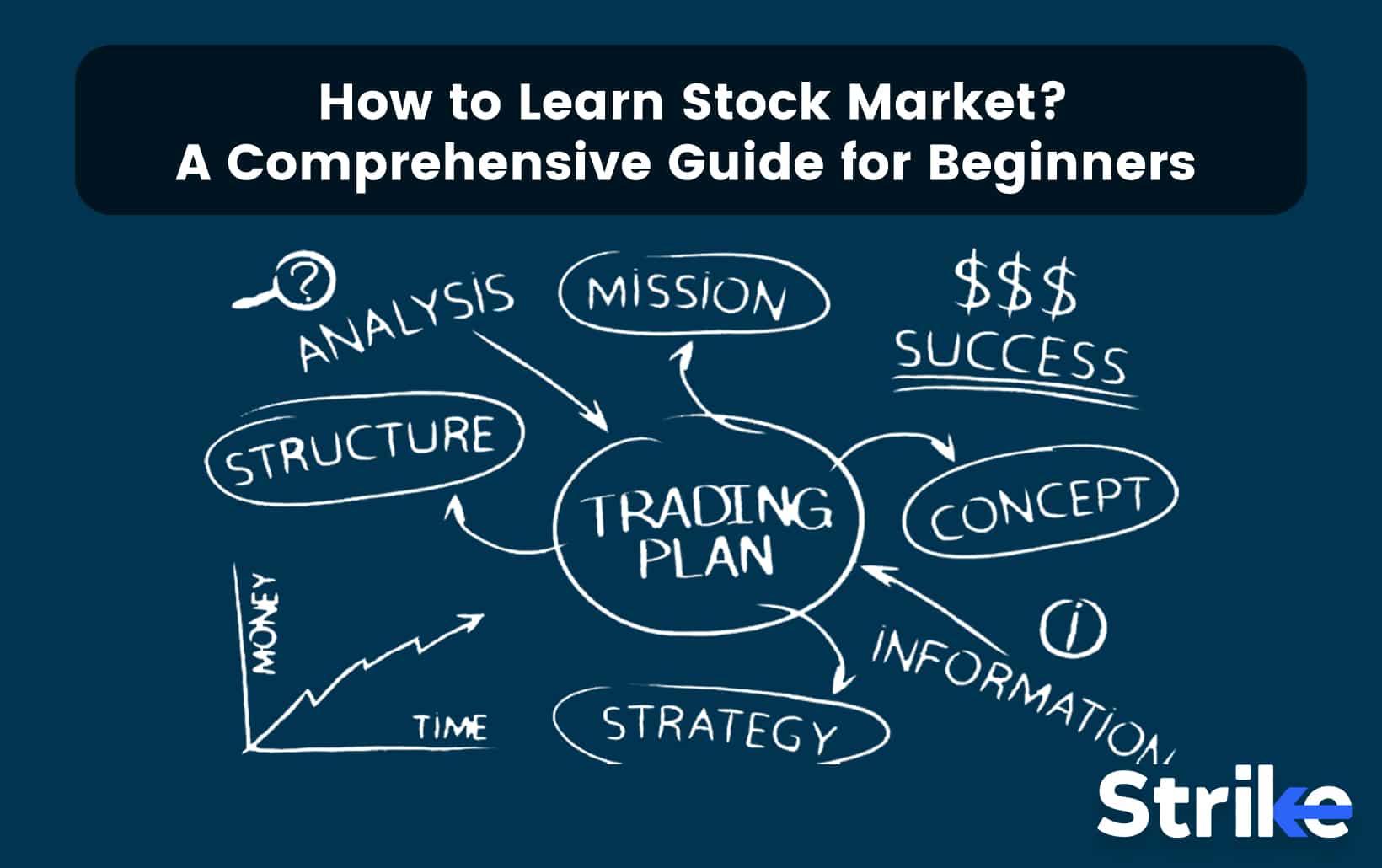
Crafting a Robust Trading Plan
A trading plan is your roadmap to consistent performance. It’s a written document outlining your approach to the market, and it should include:
- Trading Goals: What do you aim to achieve (e.g., percentage returns, consistent income)?
- Risk Tolerance: How much capital are you willing to risk per trade and overall?
- Trading Capital: The specific amount of money allocated solely for trading.
- Entry and Exit Criteria: Clear rules for when to buy (entry triggers) and when to sell (profit targets and stop-loss levels).
- Position Sizing: How many shares to buy/sell based on your risk management rules.
- Markets to Trade: Which stocks, sectors, or instruments will you focus on?
- Trading Strategy: The specific methodology you will use (e.g., trend following, counter-trend, breakout).
- Trading Journal: A commitment to record and review all trades.
A well-defined plan helps eliminate emotional decision-making, provides discipline, and allows for objective performance analysis.
Essential Risk Management Techniques
Risk management is the cornerstone of sustainable trading. Without it, even a brilliant strategy can lead to ruin.
- Position Sizing: Never risk more than a small percentage (e.g., 1-2%) of your total trading capital on any single trade. This protects your capital from large losses.
- Stop-Loss Orders: Always use stop-loss orders to automatically close a trade if it moves against you beyond a predefined point. This limits potential losses.
- Diversification (for positions held longer): While traders often concentrate on a few high-conviction trades, avoiding over-concentration in a single stock or sector reduces risk.
- Avoid Over-Leverage: While margin can amplify gains, it also magnifies losses. Use leverage judiciously, especially as a beginner.
- Know Your Capital: Only trade with capital you can afford to lose without impacting your financial well-being. This is speculative capital, distinct from your emergency fund or long-term investments.
Cultivating the Right Trading Psychology
Emotional control is arguably the most challenging aspect of trading. Fear and greed are powerful forces that can lead to irrational decisions.
- Discipline: Adhere strictly to your trading plan, even when instincts scream otherwise.
- Patience: Wait for high-probability setups; don’t force trades.
- Objectivity: Analyze market data without emotional bias.
- Resilience: Accept that losses are part of trading and learn from them without getting discouraged.
- Humility: The market is always right. Be willing to admit when you’re wrong and cut losses quickly.
Developing a strong trading psychology requires self-awareness, consistent practice, and the ability to detach emotions from financial outcomes. Meditation, mindfulness, and regular breaks can help maintain a balanced mindset.
4. Practical Steps to Get Started
Once you’ve built a solid foundation of knowledge and developed a robust strategy, it’s time to take practical steps toward live trading.
Choosing a Reliable Brokerage Platform
Your brokerage is your gateway to the market. Selecting the right one is crucial. Consider factors such as:
- Fees and Commissions: Compare trading fees, inactivity fees, and other charges.
- Platform Features: Look for a user-friendly interface, advanced charting tools, research capabilities, and mobile trading options.
- Customer Support: Assess the responsiveness and quality of their support.
- Regulation and Security: Ensure the broker is regulated by reputable financial authorities (e.g., SEC, FINRA in the US) and offers strong security measures for your funds.
- Available Products: Confirm they offer the types of securities you intend to trade (stocks, ETFs, options, etc.).
Many reputable brokers cater to different experience levels, from beginners to active traders.
Initial Capital and Budgeting for Trading
Beginners should start with a small amount of capital that they are comfortable losing. There is no magic number, but it should be enough to allow for proper position sizing according to your risk management rules. For instance, if you risk 1% of your capital per trade, and your typical stop-loss might be $0.50 per share, you need enough capital to buy a meaningful number of shares while staying within your risk limits. This initial capital should be entirely discretionary funds, separate from your savings or necessary expenses. Treat your trading capital as a business investment, budgeting for potential losses as part of the learning curve.
Starting Small and Gradual Progression
The biggest mistake beginners make is starting too big, too fast.
- Start with Small Positions: Trade with the minimum number of shares or contract sizes to minimize potential losses while you gain experience.
- Focus on One or Two Strategies: Don’t try to master everything at once. Pick one well-researched strategy and focus on perfecting its execution.
- Gradually Increase Capital/Position Size: Only increase your trading capital or position sizes after consistently demonstrating profitability and adherence to your plan over a significant period (e.g., several months).
- Review and Adjust: Regularly review your trading performance, identify strengths and weaknesses, and make necessary adjustments to your strategy or psychology.
The goal is a slow, steady, and sustainable growth of both capital and expertise.
Post-Trade Analysis and Continuous Improvement
The learning process doesn’t end after a trade is closed. Every trade, win or loss, offers valuable lessons.
- Maintain a Trading Journal: Document every trade, including entry/exit points, reasons for the trade, emotions felt, and lessons learned.
- Review Performance Metrics: Analyze your win rate, average win/loss, profit factor, and drawdowns.
- Identify Patterns: Look for recurring errors or successful setups. Are you making impulsive trades? Is your stop-loss too tight or too wide?
- Learn from Mistakes: Every loss is an opportunity to improve. Understand what went wrong and how to prevent it in the future.
- Stay Updated: The market is dynamic. Continue reading, studying, and adapting your strategies to new market conditions and technological advancements.
Learning stock trading is a journey, not a destination. It demands dedication, discipline, and an insatiable curiosity. By systematically building knowledge, developing robust strategies, mastering risk management, and cultivating a resilient mindset, aspiring traders can navigate the complexities of the stock market and work towards their financial goals.
aViewFromTheCave is a participant in the Amazon Services LLC Associates Program, an affiliate advertising program designed to provide a means for sites to earn advertising fees by advertising and linking to Amazon.com. Amazon, the Amazon logo, AmazonSupply, and the AmazonSupply logo are trademarks of Amazon.com, Inc. or its affiliates. As an Amazon Associate we earn affiliate commissions from qualifying purchases.