
For many, the world of stock market investing seems daunting, a complex realm reserved for financial gurus and seasoned professionals. However, in today’s digitally connected age, buying stocks is more accessible than ever, demystifying the process and empowering individuals from all walks of life to participate in wealth creation. This guide aims to dismantle the perceived complexities, providing a clear, step-by-step roadmap for anyone looking to make their first foray into stock market investing. Whether your goal is long-term wealth accumulation, supplementing income, or simply understanding how the market works, comprehending the fundamentals and executing your first trade is the crucial first step on an exciting financial journey.

Understanding the Fundamentals of Stock Investing
Before you even consider placing an order, a foundational understanding of what stocks are, why they matter, and the language surrounding them is essential. This knowledge acts as your compass, guiding you through the often-volatile seas of the market with greater confidence and informed decision-making.
What is a Stock?
At its core, a stock (also known as equity) represents a fractional ownership in a company. When you buy a share of stock, you become a part-owner of that corporation. This ownership entitles you to a share of the company’s assets and earnings, proportional to the number of shares you hold. Companies issue stocks to raise capital for various purposes, such as expansion, research and development, or paying down debt. As an owner, you might benefit in two primary ways: through capital appreciation (when the stock price increases and you sell it for more than you paid) and through dividends (a portion of the company’s profits distributed to shareholders).
Why Invest in Stocks?
Investing in stocks offers several compelling advantages, making it a cornerstone of many successful financial plans. Historically, stocks have provided higher returns over the long term compared to other asset classes like bonds or savings accounts, helping investors outpace inflation and grow their purchasing power. The power of compounding, where your earnings generate further earnings, can significantly accelerate wealth accumulation over decades. Furthermore, owning stocks allows you to participate directly in the growth and success of innovative companies and industries, aligning your personal finances with economic progress.
Types of Stocks and Investment Styles
The universe of stocks is vast and varied, categorized by different characteristics that appeal to diverse investment strategies. Growth stocks are typically from companies expected to grow revenues and earnings at a faster rate than the market average, often reinvesting profits back into the business rather than paying dividends. Value stocks, conversely, are often from established companies that appear to be trading below their intrinsic value, sometimes offering higher dividends. Blue-chip stocks refer to large, well-established, and financially sound companies with a long history of stable earnings. For beginners, understanding these broad categories can help in initial selection. Investment styles also vary; some prefer long-term investing (holding for years to benefit from compounding and growth), while others might explore swing trading (holding for days or weeks) or day trading (buying and selling within the same day), though the latter two carry significantly higher risk.
Key Terminology to Know
Navigating the stock market requires familiarity with specific jargon. A brokerage account is the essential gateway, an investment account you open with a financial institution to buy and sell securities. The bid price is the highest price a buyer is willing to pay for a stock, while the ask price is the lowest price a seller is willing to accept. A market order instructs your broker to buy or sell immediately at the best available current price, whereas a limit order allows you to specify a maximum price you’re willing to pay (to buy) or a minimum price you’re willing to accept (to sell). An Exchange Traded Fund (ETF) or a Mutual Fund are diversified baskets of stocks, offering instant diversification. Diversification itself is the strategy of spreading your investments across various assets to reduce risk.
Preparing for Your First Stock Purchase
Investing is not a spontaneous act; it requires thoughtful preparation and a clear understanding of your personal financial landscape. Laying the groundwork properly will ensure that your foray into the stock market is built on a stable foundation, minimizing stress and maximizing your chances of success.
Assess Your Financial Readiness
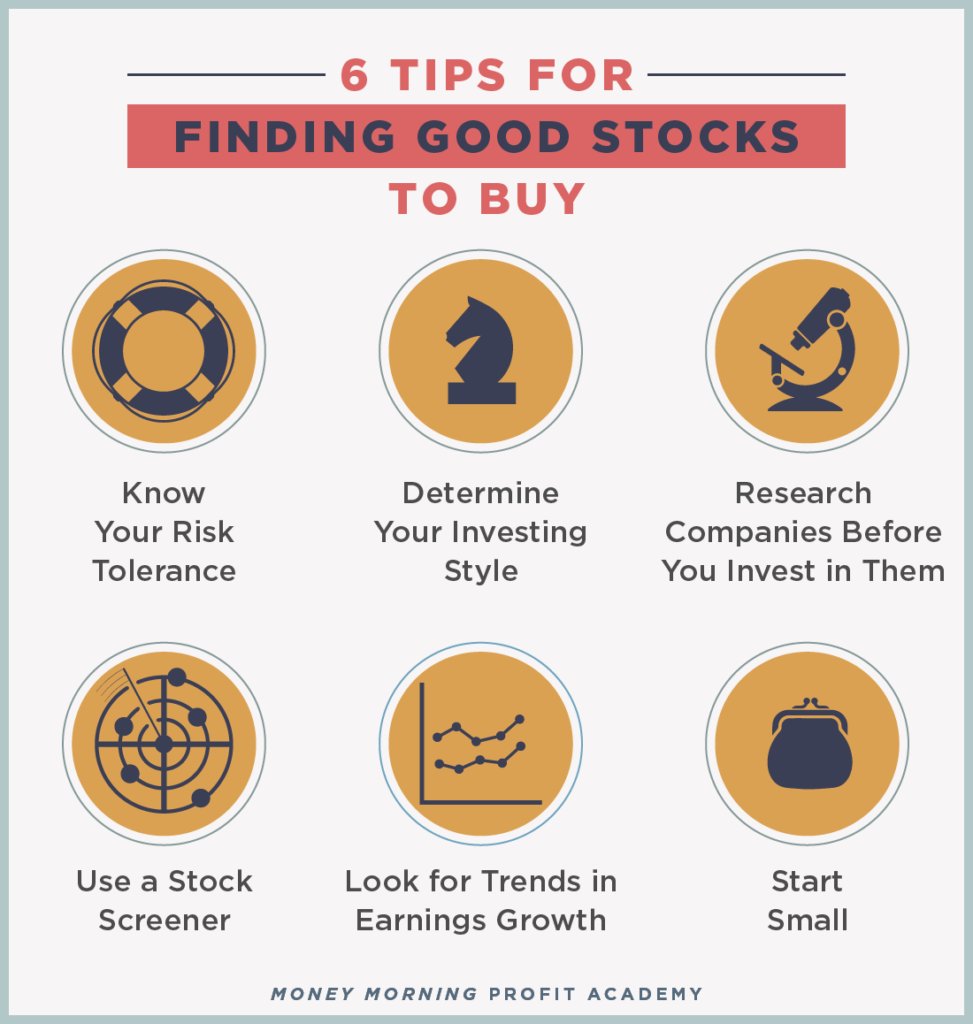
Before allocating funds to stocks, ensure your basic financial house is in order. This means having an adequate emergency fund (typically 3-6 months’ worth of living expenses) readily accessible in a separate savings account. Prioritize paying off high-interest debt, such as credit card balances, as the returns from investing may not outweigh the cost of carrying such debt. Only invest money you can afford to lose and, more importantly, money you won’t need in the short term (i.e., within the next 3-5 years). This ensures you’re not forced to sell investments at an inopportune time due to an immediate cash need.
Define Your Investment Goals and Risk Tolerance
What do you hope to achieve by investing in stocks? Are you saving for retirement decades away, a down payment on a house in five years, or simply aiming to grow your wealth over time? Clearly defined goals will dictate your investment horizon and strategy. Equally important is understanding your risk tolerance – how much volatility and potential loss you are comfortable with. Someone with a high-risk tolerance might lean towards more aggressive growth stocks, while a conservative investor might prefer stable, dividend-paying companies or diversified ETFs. Your age, income stability, and financial dependents also play a role in shaping your risk profile.
Choose the Right Brokerage Account
Your brokerage account is your portal to the stock market. Today, numerous online discount brokers offer commission-free trading, making them an excellent choice for beginners. When selecting a brokerage, consider several factors:
- Fees: Look for commission-free stock and ETF trading. Be aware of other potential fees like account maintenance, transfer fees, or inactivity fees.
- Minimums: Some brokers require a minimum initial deposit, though many popular platforms have no minimum.
- Research Tools and Educational Resources: As a beginner, access to robust research tools, analytical reports, and educational content can be invaluable.
- Customer Service: Good customer support can be crucial when you encounter issues or have questions.
- Platform Usability: A user-friendly interface for both desktop and mobile apps is vital for a smooth trading experience.
Popular choices often include platforms like Charles Schwab, Fidelity, Vanguard, Robinhood, E*TRADE, and Interactive Brokers, each with its own strengths.
Funding Your Investment Account
Once you’ve chosen a brokerage and opened an account, you’ll need to fund it. The most common methods include:
- Electronic Funds Transfer (ACH): This is typically the easiest and most common method, linking your bank account directly to your brokerage account. Funds usually clear within 1-3 business days.
- Wire Transfer: Faster but often incurs a fee from your bank. Funds usually clear within one business day.
- Check Deposit: Slower than electronic transfers but still an option.
- Rollover from a Retirement Account: If you’re transferring funds from an old 401(k) or IRA, your broker can assist with a direct rollover.

Ensure your funds have settled in your brokerage account before attempting to place any trades.
The Step-by-Step Process of Buying Stocks
With your account open and funded, you’re ready for the exciting part: researching and purchasing your first stocks. This process involves careful consideration and understanding of how to execute your trade effectively.
Researching Potential Investments
This is perhaps the most critical step. Do not invest in a company simply because you heard a tip or saw it trending online. Thorough due diligence involves:
- Understanding the Business: What does the company do? Who are its competitors? What is its competitive advantage (moat)?
- Financial Health: Examine financial statements (income statement, balance sheet, cash flow statement). Look for consistent revenue growth, profitability, manageable debt, and positive cash flow.
- Management Team: Research the leadership. Do they have a good track record?
- Industry Trends: Is the industry growing? Are there regulatory risks or technological disruptions?
- Valuation: While complex, even a basic understanding of metrics like the P/E ratio (price-to-earnings) can give you an idea if a stock is relatively expensive or cheap compared to its peers. Many brokerage platforms offer extensive research reports and analyst ratings to assist.
Placing Your First Order
Once you’ve identified a stock you wish to purchase, you’ll log into your brokerage account and navigate to the “Trade” or “Buy/Sell” section. Here, you’ll typically enter the stock’s ticker symbol (e.g., AAPL for Apple Inc.).
- Quantity: Decide how many shares you want to buy. Remember that even buying a single share gives you ownership. Many brokers also allow buying fractional shares, enabling you to invest a specific dollar amount regardless of the share price.
- Order Type:
- Market Order: As mentioned, this executes immediately at the current market price. While simple, the price might fluctuate slightly between when you click “buy” and when the order fills, especially in volatile markets.
- Limit Order: This allows you to set a specific maximum price you’re willing to pay. Your order will only execute if the stock price drops to or below your specified limit. This gives you more control over the entry price but means your order might not fill if the stock never reaches your limit. For beginners, a limit order can be a safer option to avoid unexpected price movements.
- Review and Confirm: Always review all the details of your order before confirming. Double-check the ticker symbol, order type, quantity, and total cost.
Understanding Trading Platforms
Modern trading platforms are designed to be user-friendly, offering a wealth of information at your fingertips. Familiarize yourself with features such as:
- Watchlists: Create lists of stocks you’re interested in to monitor their performance without owning them.
- Real-time Quotes: Access up-to-the-minute stock prices.
- Charts: Analyze historical price movements to identify trends.
- News Feeds: Stay updated on company-specific news and broader market developments.
- Account Summary: Keep track of your portfolio’s value, individual holdings, and cash balance. Spending time exploring your chosen platform’s capabilities will enhance your investing experience.
Diversification and Portfolio Management
One of the golden rules of investing is diversification. Do not put all your eggs in one basket. By investing in a variety of stocks across different industries, sectors, and even geographies, you reduce the impact if one particular investment performs poorly. Consider starting with diversified instruments like ETFs or mutual funds before delving into individual stocks. Once you have a portfolio, regular portfolio management is necessary. This involves occasionally reviewing your holdings to ensure they still align with your goals and risk tolerance. Rebalancing your portfolio – selling some winners and buying more of those that have lagged, or simply adjusting allocations back to your target percentages – is a key aspect of long-term success.
Common Pitfalls and Best Practices for New Investors
The journey of stock investing is rarely without its bumps. Avoiding common mistakes and adopting sound practices can significantly improve your odds of long-term success and mitigate potential losses.
Avoiding Emotional Trading
One of the biggest adversaries of investors is their own emotions. Fear (leading to panic selling during market downturns) and greed (leading to chasing speculative stocks or over-investing) can derail even the best-laid plans. Develop a disciplined, logical approach. Stick to your investment plan and avoid making impulsive decisions based on headlines, social media hype, or short-term market fluctuations. Remember that market volatility is normal; focus on the long-term fundamentals of your investments.
The Importance of Continuous Learning
The financial markets are dynamic and ever-evolving. What worked yesterday might not work tomorrow. Successful investors are perpetual students. Dedicate time to understanding economic indicators, geopolitical events, technological shifts, and how they impact different industries and companies. Read financial news from reputable sources, delve into investment books, and follow experienced, rational investors. The more you learn, the better equipped you’ll be to adapt and make informed decisions.
Long-Term Perspective Over Short-Term Gains
While the allure of quick profits is strong, especially with stories of meme stocks and rapid rallies, sustainable wealth building through stocks is predominantly a long-term endeavor. Focus on the power of compounding and allowing quality companies to grow over many years, even decades. Short-term market timing is notoriously difficult, even for professionals. A dollar-cost averaging strategy, where you invest a fixed amount of money at regular intervals regardless of stock prices, can help mitigate risk by averaging out your purchase price over time and removing the urge to time the market.
Managing Risk Effectively
Investing inherently involves risk, but smart investors manage it. Beyond diversification, consider strategies like position sizing (only allocating a small percentage of your portfolio to any single stock) to limit potential losses on any one investment. While not suitable for all investors, understanding and potentially using stop-loss orders (an order to sell a stock if it falls to a certain price) can help protect against significant downside. Regularly review your portfolio’s overall risk level and adjust your holdings as your life circumstances or market conditions change. Never invest more than you can comfortably afford to lose.
Conclusion
Embarking on your stock market investment journey is a significant step towards taking control of your financial future. While the initial learning curve may seem steep, the principles are straightforward: understand what you’re buying, prepare your finances diligently, use the right tools, and maintain a disciplined, long-term perspective. By focusing on education, managing emotions, and adhering to sound investment practices, aspiring investors can confidently navigate the market, harness the power of compounding, and work towards achieving their financial goals. Remember, investing is a marathon, not a sprint – patience, persistence, and continuous learning are your most valuable assets.
aViewFromTheCave is a participant in the Amazon Services LLC Associates Program, an affiliate advertising program designed to provide a means for sites to earn advertising fees by advertising and linking to Amazon.com. Amazon, the Amazon logo, AmazonSupply, and the AmazonSupply logo are trademarks of Amazon.com, Inc. or its affiliates. As an Amazon Associate we earn affiliate commissions from qualifying purchases.