
Investing in the stock market is often portrayed as either a high-stakes gamble or a complex mathematical puzzle reserved for Wall Street elites. However, at its core, investing in a stock is one of the most effective vehicles for long-term wealth creation available to the average individual. By purchasing a share of a company, you are becoming a partial owner of a business, entitled to a portion of its assets and earnings.
Transitioning from a saver to an investor requires a shift in mindset and a disciplined approach to risk. Whether you are looking to outpace inflation, save for retirement, or build a legacy, understanding the mechanics of the stock market is essential. This guide provides a strategic roadmap for navigating the complexities of the financial markets, from your first dollar invested to the long-term management of a diversified portfolio.
Establishing Your Financial Foundation
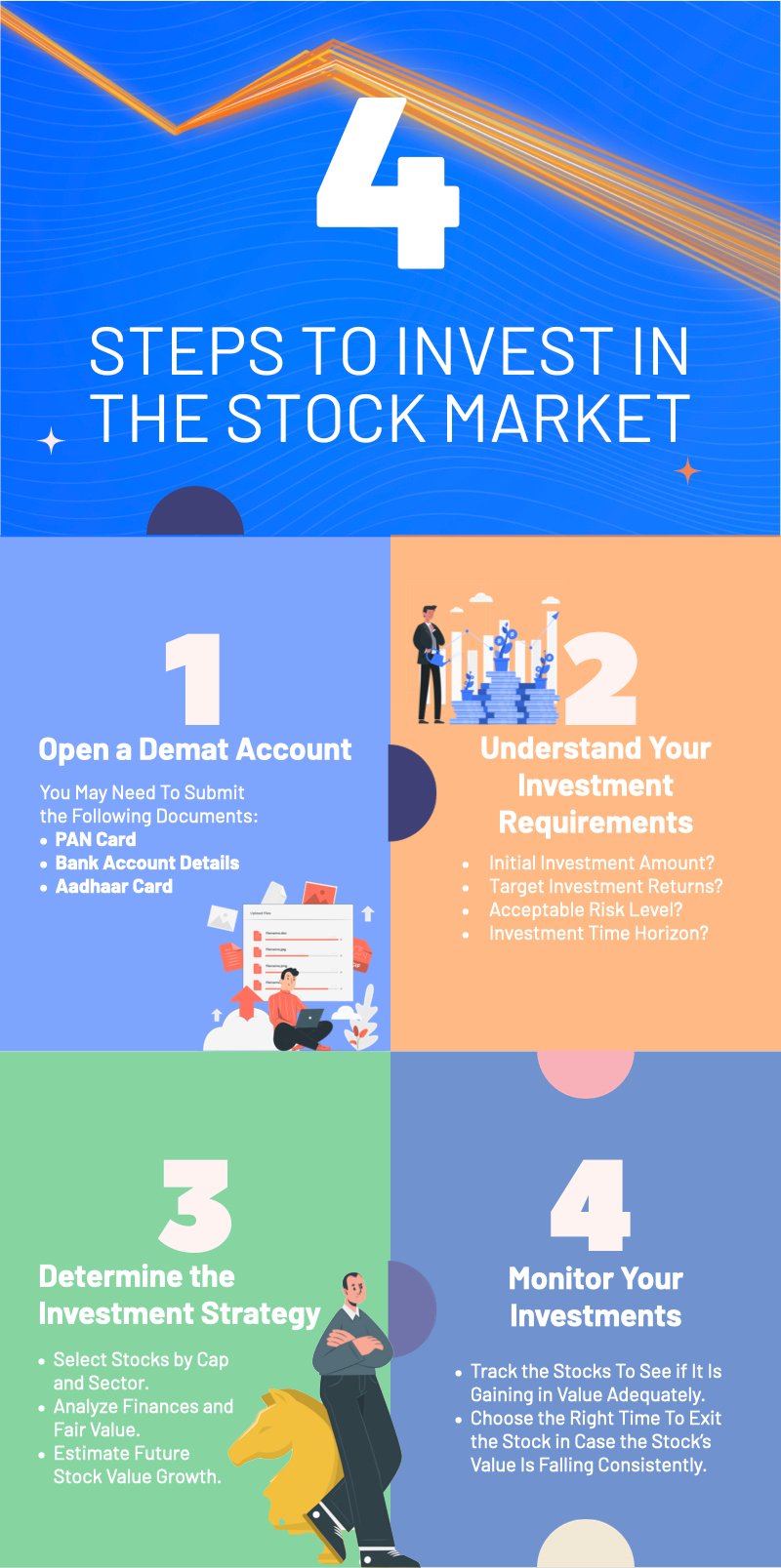
Before you purchase your first share of a blue-chip company or an emerging tech giant, you must ensure your personal finances are stable enough to withstand the inherent volatility of the market. Investing should never be done with money required for immediate needs or basic survival.
Assessing Your Risk Tolerance
Risk tolerance is a measure of your ability and willingness to lose some or all of your original investment in exchange for greater potential returns. It is influenced by your age, your financial obligations, and your psychological temperament. A 25-year-old with a stable income and decades of work ahead of them can generally afford to take more risks than a 60-year-old nearing retirement. Understanding where you sit on the spectrum—from conservative to aggressive—will dictate the types of stocks you choose to buy.
Setting Clear Investment Goals
Investing without a goal is like sailing without a compass. Are you looking for long-term capital appreciation, or are you seeking immediate passive income through dividends? Your objective determines your strategy. Long-term goals, such as retirement in thirty years, allow you to weather the “noise” of daily market fluctuations. Conversely, short-term goals may require a more cautious approach to preserve capital.
Building an Emergency Fund and Managing Debt
The stock market is not a high-interest savings account; it is a long-term commitment. Before investing, it is a professional best practice to have three to six months of living expenses tucked away in a liquid, high-yield savings account. Furthermore, if you are carrying high-interest debt, such as credit card balances, the interest you are paying likely exceeds the returns you can expect from the stock market. Paying off high-interest debt provides a “guaranteed return” that often makes more financial sense than buying stocks.
Navigating the Brokerage Landscape
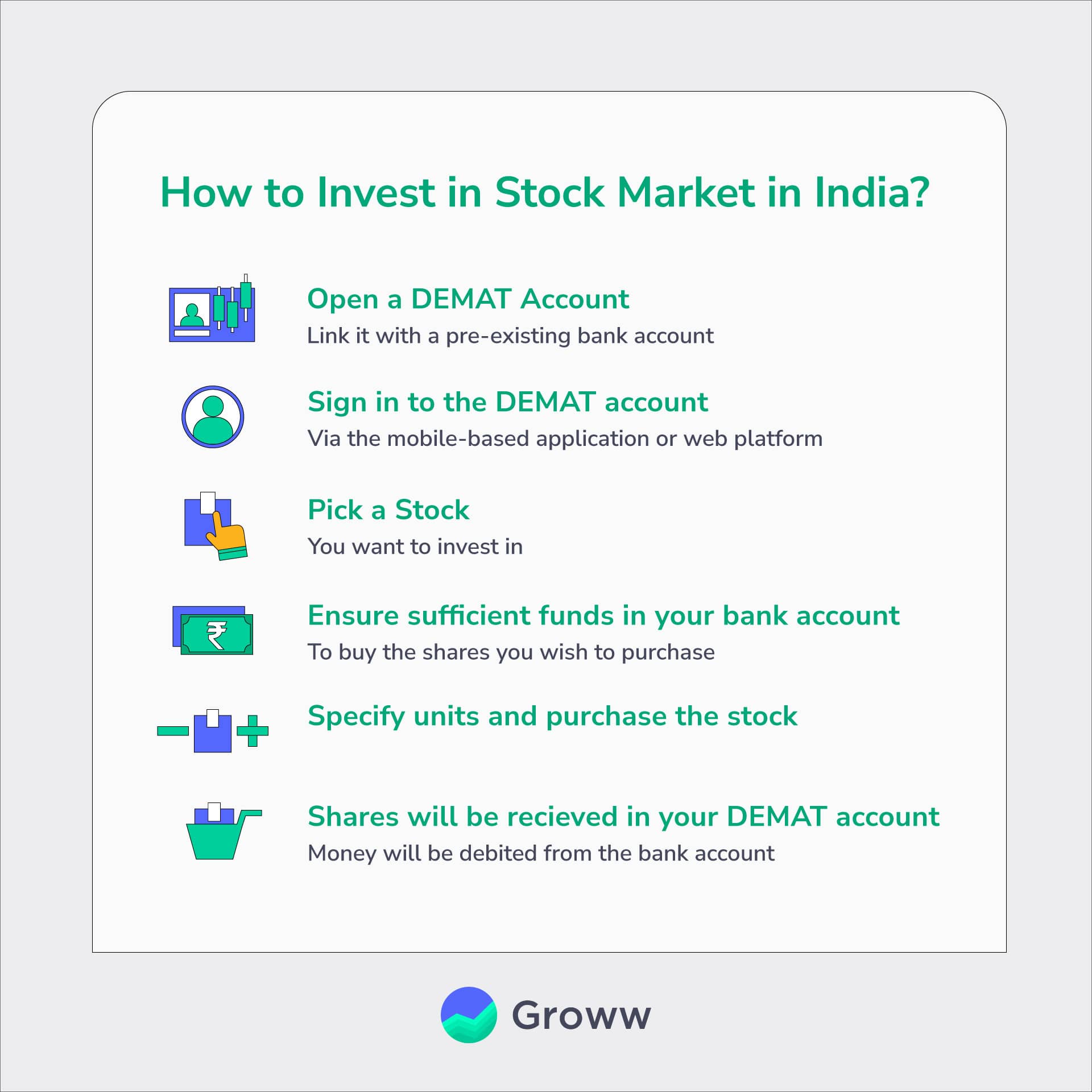
To buy a stock, you need a brokerage account. In the modern era, the barrier to entry has never been lower, but the variety of choices can be overwhelming. Selecting the right platform involves balancing features, costs, and the level of guidance you require.
Full-Service vs. Discount Brokers
Historically, investors had to call a human broker to execute trades, often paying high commissions for the privilege. Today, most individuals use discount brokers or online trading platforms.
- Discount/Online Brokers: Platforms like Fidelity, Charles Schwab, or Vanguard offer low-to-zero commission trades and robust digital tools. They are ideal for the self-directed investor.
- Full-Service Brokers: These firms provide personalized investment advice and financial planning but charge significantly higher fees or a percentage of assets under management. These are better suited for high-net-worth individuals with complex financial needs.
Understanding Account Types: Taxable vs. Retirement
Where you hold your stocks is just as important as what you buy.
- Standard Brokerage Accounts: These are taxable accounts. You can withdraw money at any time, but you will owe capital gains taxes on any profits you realize.
- Tax-Advantaged Accounts (IRAs/401ks): In the United States and similar jurisdictions, accounts like the Individual Retirement Account (IRA) offer tax benefits. Contributions might be tax-deductible, or growth might be tax-free (in the case of a Roth IRA), provided you follow rules regarding withdrawal ages.
Evaluating Fees and Commissions
While many platforms have moved to $0 commissions for stock trades, “free” isn’t always free. Look closely at the bid-ask spread, account maintenance fees, and the interest rates charged on margin accounts. Small fees can compound over decades, significantly eating into your total returns. Professional investors prioritize platforms with transparent fee structures and high-quality execution.
Conducting Rigorous Stock Research
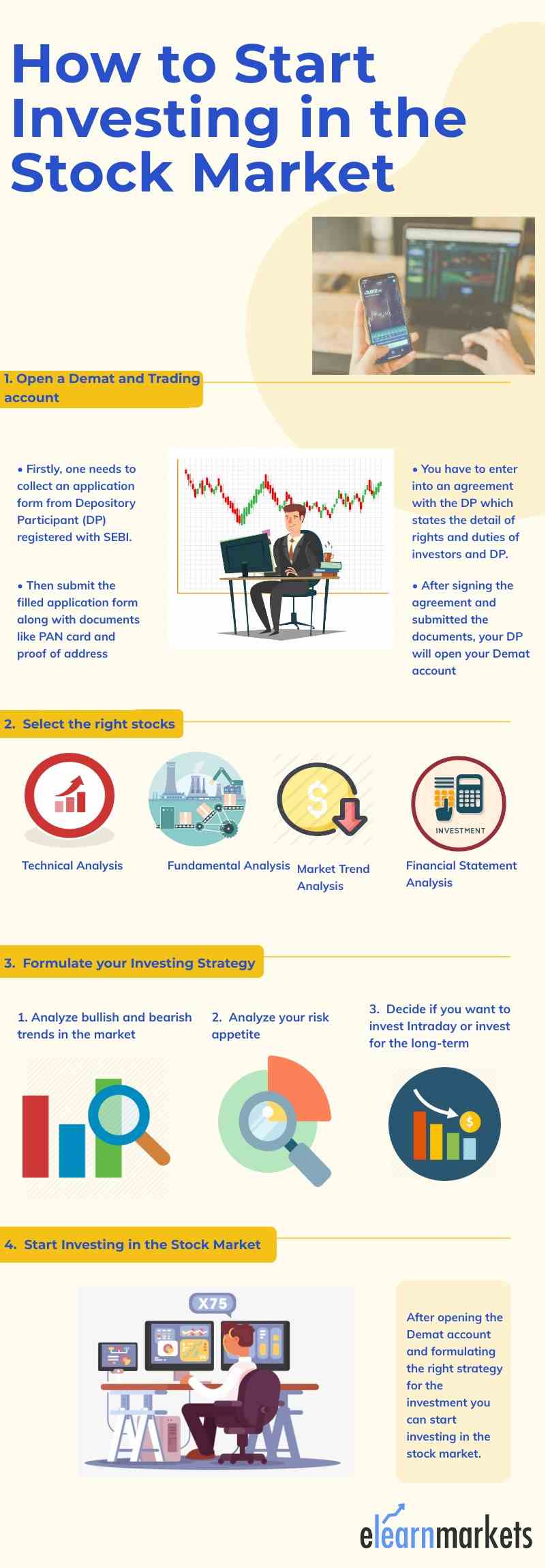
Picking a stock requires more than just liking a company’s product. It requires an analytical deep dive into the business’s health and its future prospects. There are two primary schools of thought: fundamental and technical analysis.
Fundamental Analysis: The Bedrock of Value
Fundamental analysis involves examining a company’s financial statements to determine its intrinsic value. Key metrics include:
- Earnings Per Share (EPS): The portion of a company’s profit allocated to each outstanding share.
- Price-to-Earnings (P/E) Ratio: A valuation ratio of a company’s current share price compared to its per-share earnings. It helps you determine if a stock is overvalued or undervalued relative to its peers.
- Revenue Growth: Is the company actually selling more products or services year-over-year?
- Debt-to-Equity Ratio: A measure of a company’s financial leverage, indicating how much of its growth is funded by debt.
Qualitative Factors: Management and Moats
Numbers tell only half the story. The qualitative side of research involves looking at the “unbreakables.”
- Economic Moat: A term popularized by Warren Buffett, a moat is a competitive advantage (like a powerful brand, patent, or network effect) that protects a company from competitors.
- Management Quality: Who is running the company? Look for a leadership team with a proven track record of capital allocation and ethical governance.
- Industry Trends: Is the company in a sunset industry (like coal) or a sunrise industry (like renewable energy)?
Technical Analysis and Market Sentiment
While long-term investors lean heavily on fundamentals, technical analysis looks at price patterns and trading volume to predict future price movements. While less critical for a “buy and hold” investor, understanding support and resistance levels can help you find a better entry point for your investment, ensuring you aren’t buying at a temporary peak.
Executing Your First Trade
Once you have selected a stock and funded your account, it is time to execute the trade. This is where many beginners feel the most anxiety, but the process is straightforward when you understand the mechanics of an order.
Market Orders vs. Limit Orders
There are two primary ways to buy a stock:
- Market Order: This tells the broker to buy the stock immediately at the current market price. While this guarantees the trade will happen, you might pay slightly more than you expected if the price is fluctuating rapidly.
- Limit Order: This tells the broker to buy the stock only if it hits a specific price or lower. This gives you control over the price you pay, but if the stock never hits that price, the trade won’t execute. For most investors, a limit order is the professional choice to avoid “slippage.”
The Importance of Diversification
One of the most common mistakes beginners make is “concentration risk”—putting all their money into one or two stocks. If that company faces a scandal or a market downturn, your entire portfolio suffers. Diversification involves spreading your investments across different sectors (Tech, Healthcare, Energy), different market caps (Small-cap vs. Large-cap), and even different geographies. The goal is to ensure that a failure in one area does not derail your entire financial future.
Fractional Shares and Modern Entry Points
In the past, if a single share of a company cost $3,000, you needed $3,000 to start. Today, many modern brokerages offer “fractional shares.” This allows you to invest by dollar amount rather than share count. If you have $100, you can buy $100 worth of that $3,000 stock. This democratization of the market allows for immediate diversification even with a small starting capital.
Long-term Management and Portfolio Maintenance
The work does not end once the “Buy” button is clicked. Successful investing is a continuous process of monitoring, adjusting, and, most importantly, exercising discipline.
The Power of Compound Interest
Albert Einstein reportedly called compound interest the “eighth wonder of the world.” In the context of the stock market, this means earning returns on your previous returns. By reinvesting dividends—the cash payments some companies give to shareholders—you can exponentially increase your share count over time without adding new capital. Time in the market is almost always more important than timing the market.
Rebalancing Your Portfolio
Over time, some of your stocks will perform better than others. This can lead to a “tilted” portfolio where one sector or company represents too large a percentage of your total wealth. Periodically—perhaps once or twice a year—you should rebalance. This involves selling a portion of your “winners” and buying more of your “underperformers” (provided the fundamental thesis for owning them hasn’t changed) to return to your target asset allocation.
Staying Emotionally Disciplined During Volatility
The stock market does not move in a straight line. There will be corrections (10% drops) and bear markets (20% or more drops). The hallmark of a professional investor is the ability to remain calm when others are panicking. Selling during a market crash locks in your losses. Instead, use downturns as an opportunity to buy high-quality companies at a discount. By maintaining a long-term perspective and adhering to the research you conducted, you transform market volatility from a threat into an opportunity.
Investing in a stock is a journey of education and patience. By building a solid foundation, choosing the right partners, conducting thorough research, and maintaining a disciplined strategy, you move beyond simple saving and into the realm of true wealth building.
aViewFromTheCave is a participant in the Amazon Services LLC Associates Program, an affiliate advertising program designed to provide a means for sites to earn advertising fees by advertising and linking to Amazon.com. Amazon, the Amazon logo, AmazonSupply, and the AmazonSupply logo are trademarks of Amazon.com, Inc. or its affiliates. As an Amazon Associate we earn affiliate commissions from qualifying purchases.