
Investing in the stock market can seem like an exclusive club, reserved only for seasoned financiers or the ultra-wealthy. This perception, however, couldn’t be further from the truth. In today’s interconnected world, the stock market is more accessible than ever, offering a powerful avenue for individuals to grow their wealth, achieve financial independence, and secure their future. While the idea of putting your hard-earned money into something that fluctuates daily can feel daunting, with the right knowledge, strategy, and mindset, you can navigate the market with confidence.
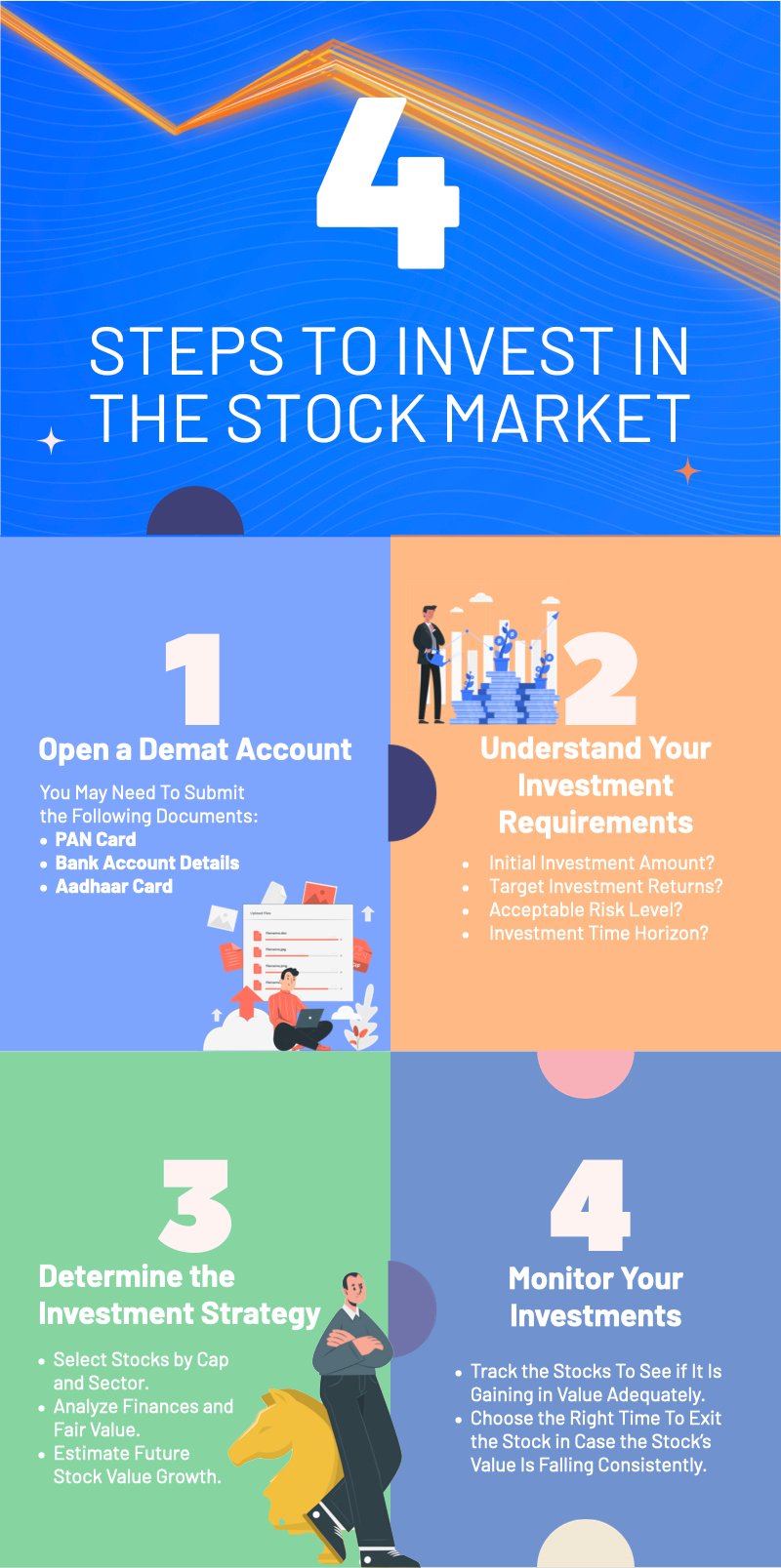
This comprehensive guide is designed to demystify stock market investing for beginners. We’ll break down the essentials, from understanding what the stock market is to choosing the right investments and developing a resilient investment strategy. Whether your goal is to save for retirement, a down payment on a house, or simply to make your money work harder for you, this article will equip you with the foundational understanding to embark on your investment journey.
Understanding the Fundamentals Before You Begin
Before you dive into buying your first stock or ETF, it’s crucial to grasp the basic concepts that underpin the stock market. A solid foundation of knowledge will not only empower your decisions but also help you manage expectations and risks.
What Exactly Is the Stock Market?
At its core, the stock market is a marketplace where shares of publicly traded companies are bought and sold. When you buy a stock, you’re purchasing a tiny piece of ownership in that company. These shares are traded on exchanges like the New York Stock Exchange (NYSE) or NASDAQ. Companies issue stocks to raise capital for expansion, research, or other business operations. Investors, in turn, buy these stocks hoping their value will appreciate over time, or to receive dividends (a portion of the company’s profits distributed to shareholders).
The “market” itself isn’t a single physical location but rather a vast network of buyers and sellers, facilitated by brokers and electronic trading systems. The price of a stock is determined by supply and demand, influenced by a multitude of factors including company performance, industry trends, economic news, and global events.
Why Invest in the Stock Market?
Investing in the stock market is one of the most effective strategies for long-term wealth creation. Here’s why:
- Potential for Long-Term Growth: Historically, the stock market has outperformed other asset classes, such as savings accounts or bonds, over extended periods. While returns are never guaranteed, the average annual return of the S&P 500 (a common benchmark for the U.S. stock market) has been around 10-12% over the long run.
- Beating Inflation: Inflation erodes the purchasing power of your money over time. Money sitting in a low-interest savings account often loses value in real terms. Stock market investments, with their higher potential returns, offer a way to not only outpace inflation but also grow your wealth.
- Compounding Returns: This is often referred to as the “eighth wonder of the world.” When your investments generate returns, and those returns themselves start generating returns, your money grows exponentially. The longer your investment horizon, the more powerful compounding becomes.
- Accessibility and Liquidity: Modern brokerage platforms make it easy to buy and sell shares with relatively low fees. Most stocks and ETFs are highly liquid, meaning you can convert your investments back into cash relatively quickly if needed.
Key Risks and Considerations
While the rewards can be significant, it’s equally important to understand the inherent risks of stock market investing:
- Market Volatility: Stock prices fluctuate daily, sometimes dramatically. Short-term declines, known as market corrections or bear markets, are a normal part of the investment cycle.
- Loss of Principal: There’s always a risk that you could lose some or all of your initial investment, especially if you invest in highly speculative assets or don’t diversify your portfolio.
- Company-Specific Risks: An individual company might perform poorly due to bad management, competition, or changing market conditions, leading to a decline in its stock price.
- Emotional Investing: Panicking during market downturns and selling at a loss, or chasing “hot” stocks based on hype, can severely damage your returns.
Understanding these risks allows you to approach investing with a realistic perspective and develop strategies to mitigate them.
Preparing for Your Investment Journey
Successful investing isn’t just about picking the right stocks; it’s about having a well-thought-out financial plan and a clear understanding of your personal circumstances.
Define Your Financial Goals and Risk Tolerance
Before you invest a single dollar, take time to define why you’re investing and how much risk you’re comfortable taking:
- Financial Goals: Are you saving for retirement (20+ years away), a down payment on a house (5-10 years), or a child’s education (10-18 years)? Your time horizon significantly influences your investment choices. Longer horizons allow for more aggressive, growth-oriented investments, as you have time to recover from market dips. Shorter horizons may warrant more conservative strategies.
- Risk Tolerance: This is your psychological comfort level with potential investment losses. Can you stomach seeing your portfolio drop by 20% or even 30% in a bear market without losing sleep? Factors like your age, income stability, and existing savings all play a role. Younger investors with stable incomes often have a higher risk tolerance, as they have more time to recover from downturns.
Build a Solid Financial Foundation
Investing should always come after establishing a strong personal finance base. Neglecting these steps can put your investments and overall financial health at risk:
- Establish an Emergency Fund: Before investing, ensure you have 3-6 months’ worth of living expenses saved in an easily accessible, liquid account (like a high-yield savings account). This fund acts as a buffer against unexpected events, preventing you from having to sell investments at an inopportune time.
- Pay Down High-Interest Debt: Credit card debt or other high-interest loans often carry interest rates far exceeding typical stock market returns. Paying off this debt is essentially a guaranteed return on your money and should be prioritized.
- Understand Your Budget: Know how much disposable income you have each month that can be allocated to investing. Even small, consistent contributions can grow substantially over time thanks to compounding.
Start Small and Learn Continuously
You don’t need a large sum of money to begin investing. Many platforms allow you to start with just a few dollars, often through fractional shares. The most important step is to simply start.
- Begin with What You Can Afford: Consistency is key. Investing $50 or $100 regularly is far more effective than waiting to have $10,000 before you begin.
- Embrace Lifelong Learning: The financial world is dynamic. Continuously educate yourself by reading books, reputable financial news, and articles. Understanding economic cycles, different investment vehicles, and market trends will enhance your decision-making.
Practical Steps to Start Investing
Once you have your financial house in order and a clear understanding of your goals, you’re ready to take the practical steps to open an investment account and make your first investment.
Choose the Right Investment Account
The type of account you open depends on your goals and how you want to manage taxes:
- Taxable Brokerage Account: This is a standard investment account where you pay taxes on capital gains and dividends in the year they are realized. It offers flexibility in terms of withdrawals and no contribution limits.
- Retirement Accounts (Tax-Advantaged):
- 401(k) or 403(b): Employer-sponsored retirement plans. Contributions are often pre-tax (reducing your taxable income now) and grow tax-deferred until retirement. Many employers offer matching contributions, which is essentially free money – always take advantage of this!
- Traditional IRA: Individual Retirement Account. Contributions may be tax-deductible, and growth is tax-deferred.
- Roth IRA: Contributions are made with after-tax money, but qualified withdrawals in retirement are tax-free. Ideal if you expect to be in a higher tax bracket in retirement.
- Self-Employed Retirement Plans (SEP IRA, Solo 401(k)): Options for those who work for themselves.
Select a Brokerage Platform
A brokerage platform is the financial institution through which you buy and sell investments. Factors to consider when choosing one include:
- Fees: Look for low or zero-commission trades for stocks and ETFs. Be aware of expense ratios for mutual funds and ETFs, and any account maintenance fees.
- User Interface and Tools: Is the platform easy to navigate? Does it offer the research tools, educational resources, and charting capabilities you need?
- Investment Options: Does it offer a wide range of stocks, ETFs, mutual funds, and other assets you might want to invest in?
- Customer Service: Is reliable customer support available when you need it?
- Robo-Advisors: For a hands-off approach, robo-advisors (e.g., Betterment, Wealthfront) use algorithms to build and manage a diversified portfolio based on your risk tolerance, typically for a low annual fee. They are excellent for beginners who prefer automated investing.
- Traditional Brokers: For more control and direct investment choices, traditional brokers like Fidelity, Charles Schwab, Vanguard, E*TRADE, and TD Ameritrade (now Schwab) offer robust platforms.
Fund Your Account and Make Your First Investment
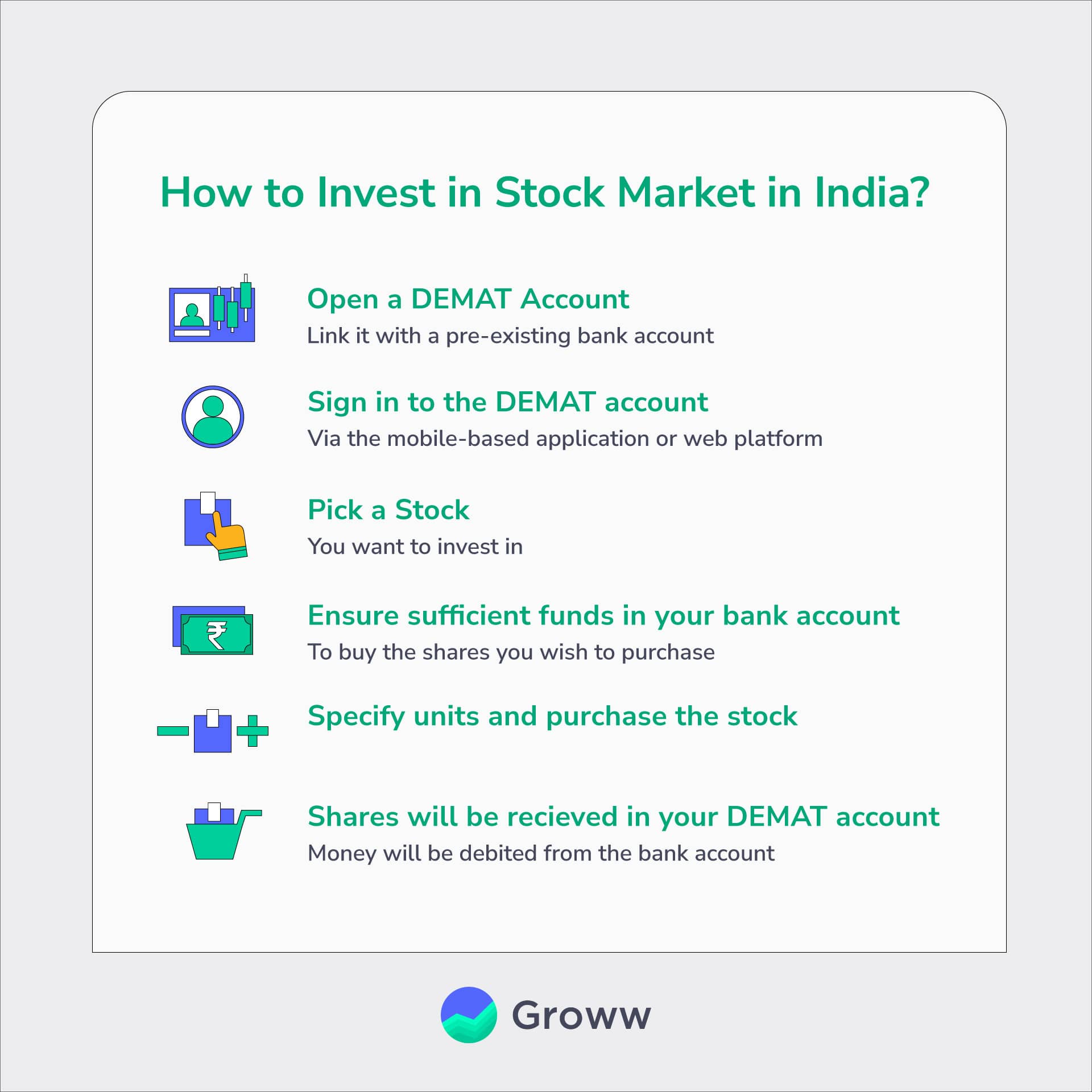
Once you’ve chosen a brokerage, you’ll open an account and link it to your bank account to transfer funds. Once your funds are settled, you’re ready to make your first investment. Start by researching the types of investments discussed in the next section, considering your risk tolerance and goals. Remember to diversify from the outset to spread risk.
What to Invest In: Popular Options for Beginners
The stock market offers a vast array of investment products. For beginners, it’s wise to start with simpler, diversified options before exploring more complex instruments.
Individual Stocks (with Caution)
Buying shares of individual companies can be exciting, but it carries higher risk. If that one company performs poorly, your investment suffers. While potential gains can be higher, so can losses. If you choose to invest in individual stocks, focus on companies you understand, have a strong balance sheet, a competitive advantage, and a clear growth strategy. Even then, individual stocks should only be a small portion of a beginner’s portfolio.
Exchange-Traded Funds (ETFs)
ETFs are funds that hold a basket of assets (stocks, bonds, commodities, etc.) and trade on stock exchanges like individual stocks. They offer instant diversification because you’re investing in many companies simultaneously. For example, an S&P 500 ETF holds shares of the 500 largest U.S. companies.
- Benefits: Diversification, low expense ratios (fees), transparent holdings, and liquidity.
- Ideal for: Beginners looking for broad market exposure and diversification with a single purchase.
Mutual Funds
Mutual funds are professionally managed portfolios of stocks, bonds, or other investments. Investors buy shares in the fund, and the fund manager makes investment decisions.
- Benefits: Professional management, diversification, and convenience.
- Considerations: Can have higher fees (expense ratios, sales loads) compared to ETFs, and some are actively managed, which doesn’t always guarantee outperformance.
Index Funds
Index funds are a type of mutual fund or ETF designed to track the performance of a specific market index, like the S&P 500, Dow Jones Industrial Average, or a total stock market index. They are passively managed, meaning they simply aim to replicate the index rather than trying to beat it.
- Benefits: Broad diversification, very low expense ratios, historically strong long-term performance, and a hands-off approach.
- Ideal for: Most beginners. Legendary investors like Warren Buffett often recommend index funds for the average investor due to their simplicity and effectiveness.
Robo-Advisors
As mentioned earlier, robo-advisors are digital platforms that provide automated, algorithm-driven financial planning services with little human supervision. You answer a few questions about your financial goals and risk tolerance, and the robo-advisor builds and manages a diversified portfolio for you, often using a mix of low-cost ETFs.
- Benefits: Low fees, ease of use, automatic rebalancing, and tax-loss harvesting (in some cases).
- Ideal for: Hands-off investors who want professional portfolio management without the high costs of a traditional financial advisor.
Essential Investment Strategies and Mindset
Beyond picking specific investments, cultivating a disciplined approach and the right mindset is paramount to long-term success in the stock market.
Diversification: Don’t Put All Your Eggs in One Basket
This fundamental principle involves spreading your investments across various asset classes, industries, company sizes, and geographies. If one investment or sector performs poorly, the impact on your overall portfolio is mitigated by the performance of others. For beginners, index funds and ETFs are excellent tools for instant diversification.
Dollar-Cost Averaging (DCA)
Dollar-cost averaging is an investment strategy where you invest a fixed amount of money regularly (e.g., $100 every month) into a particular investment, regardless of its price fluctuations.
- Benefits:
- Reduces Risk from Volatility: You buy more shares when prices are low and fewer shares when prices are high, averaging out your purchase price over time.
- Removes Emotion: It automates your investing and takes the guesswork out of trying to “time the market,” which is notoriously difficult.
- Encourages Consistency: It builds a habit of regular investing.
Long-Term Perspective
The stock market is a marathon, not a sprint. Short-term fluctuations are normal and often unpredictable. Trying to time the market (buying low and selling high perfectly) is a losing game for most investors. Focus on the long-term growth potential. History shows that those who remain invested through market ups and downs tend to be the most rewarded. Embrace the power of compounding over decades.
Rebalancing Your Portfolio
Over time, different investments in your portfolio will grow at varying rates, causing your initial asset allocation (e.g., 80% stocks, 20% bonds) to drift. Rebalancing involves periodically adjusting your portfolio back to your target allocation. For example, if your stocks have significantly outperformed, you might sell some stock funds and buy more bond funds to return to your desired risk level. This helps maintain your risk profile and can force you to “sell high and buy low.”
Avoid Emotional Decisions
Fear and greed are powerful emotions that can lead to poor investment choices. When markets crash, the impulse to sell everything can be strong, but this often locks in losses. Conversely, chasing “hot” stocks during a bull market can lead to buying at inflated prices. Stick to your predefined investment plan, based on your goals and risk tolerance. Remind yourself that market downturns are opportunities to buy more shares at a lower cost, especially when employing dollar-cost averaging.
Conclusion
Investing in the stock market is an accessible and powerful pathway to building wealth and achieving your financial goals. While it requires patience, discipline, and continuous learning, the rewards of participating in economic growth can be substantial.
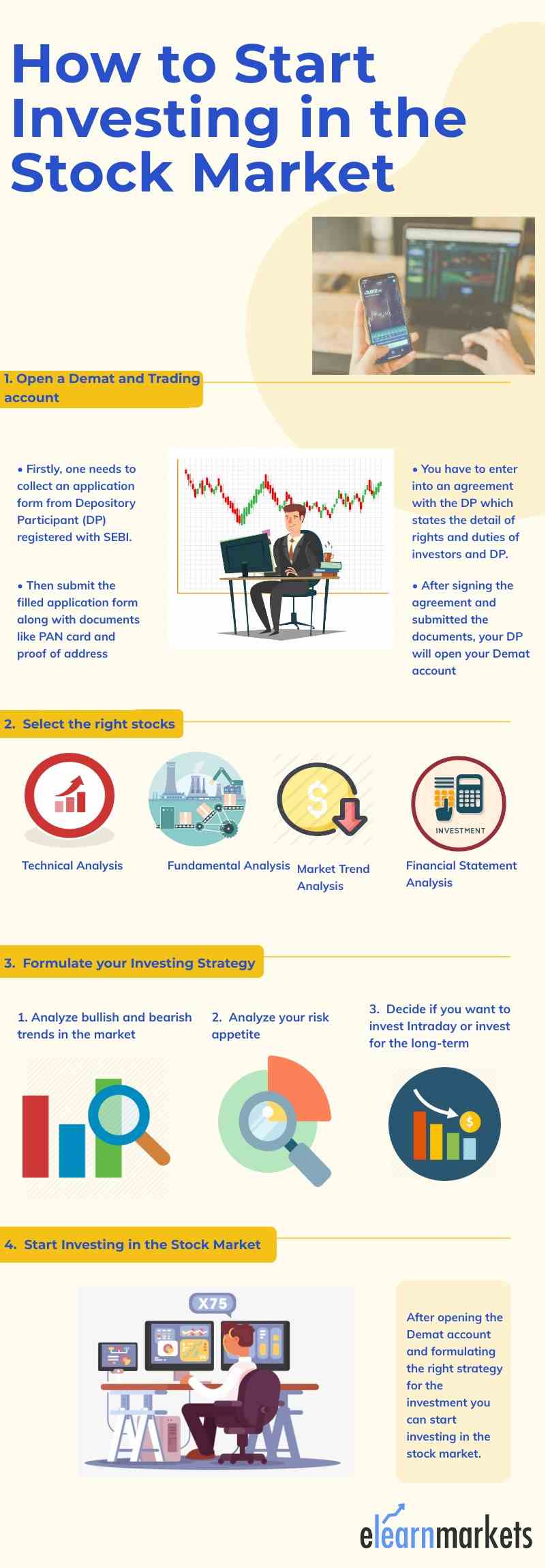
Start by understanding the fundamentals, building a solid financial foundation, and clearly defining your goals and risk tolerance. Choose a reputable brokerage platform, and begin with diversified, low-cost investments like index funds or ETFs. Embrace strategies such as dollar-cost averaging and a long-term perspective, and always strive to make rational, rather than emotional, decisions.
The journey of a thousand miles begins with a single step. Take that first step today, even if it’s a small one, and unlock the potential of the stock market for your financial future.
aViewFromTheCave is a participant in the Amazon Services LLC Associates Program, an affiliate advertising program designed to provide a means for sites to earn advertising fees by advertising and linking to Amazon.com. Amazon, the Amazon logo, AmazonSupply, and the AmazonSupply logo are trademarks of Amazon.com, Inc. or its affiliates. As an Amazon Associate we earn affiliate commissions from qualifying purchases.