
Securing funding is often one of the most significant hurdles for small businesses. While loans and equity investments are common avenues, grants offer a unique advantage: they don’t require repayment and don’t dilute ownership. For many entrepreneurs, understanding how to navigate the complex world of grants can be the difference between stagnating and thriving. Grants can provide crucial capital for research and development, expansion, equipment purchases, community initiatives, or even operational costs, directly impacting a business’s financial stability and growth trajectory. This guide will walk you through the essential steps and strategies to increase your chances of securing a grant for your small business, focusing purely on the financial and strategic aspects of this invaluable funding source.
Understanding Small Business Grants
Before diving into the application process, it’s vital to have a clear understanding of what small business grants entail and how they differ from other forms of financing. This foundational knowledge will help you identify the right opportunities and tailor your approach effectively.
What is a Small Business Grant?
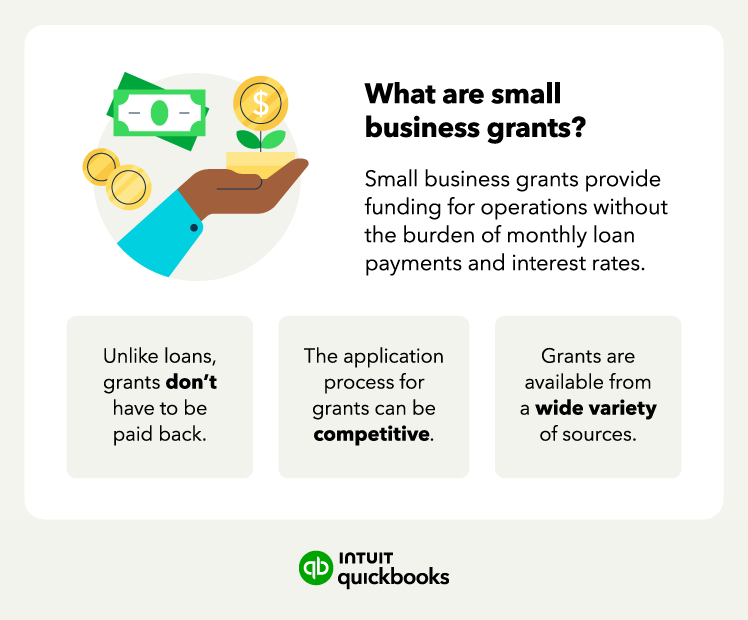
A small business grant is a sum of money awarded to a business by a government agency, foundation, corporation, or non-profit organization, typically to achieve a specific objective or serve a particular public interest. Unlike loans, grants do not need to be repaid. They are often given to businesses that align with the grantor’s mission, demonstrate innovation, create jobs, contribute to local communities, or operate in underserved sectors. The funds are usually earmarked for specific purposes outlined in the grant proposal, and recipients are often required to report on how the money was used and the impact achieved. From a financial perspective, grants are pure capital injections, improving cash flow and reducing the need for debt.
Grants vs. Loans: Key Differences
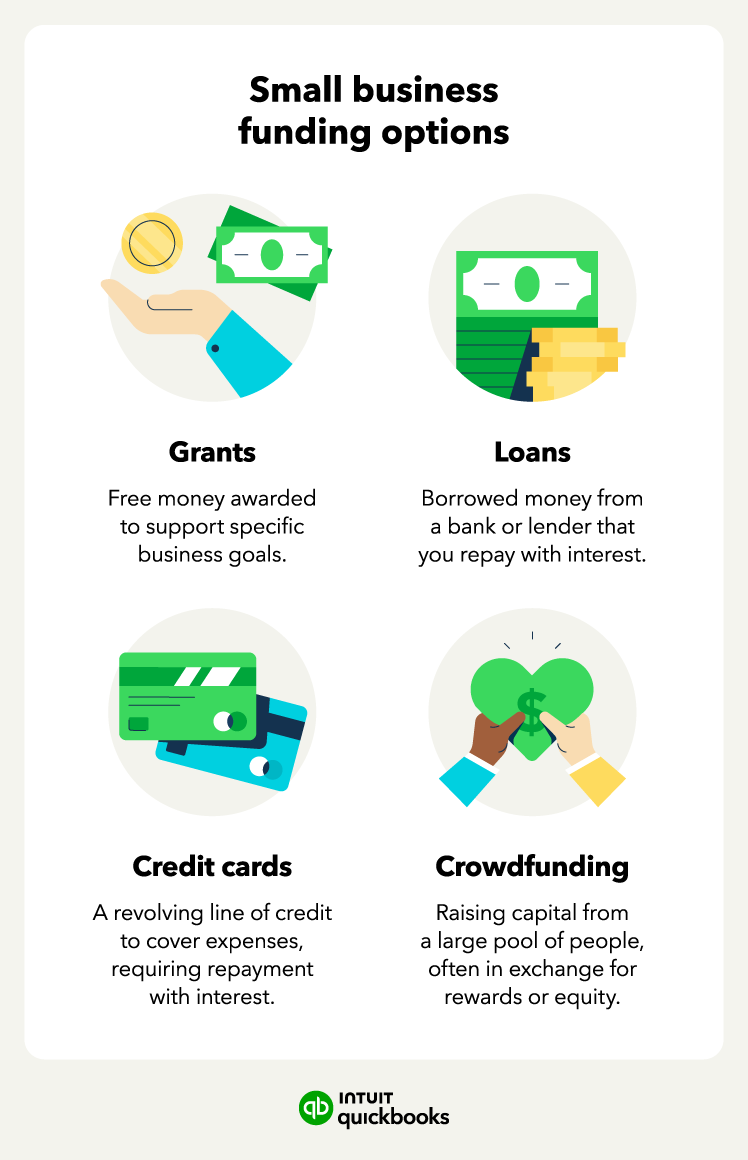
The distinction between grants and loans is fundamental. Loans, a common form of business finance, involve borrowing money that must be repaid with interest over a set period. They require credit checks, collateral, and can add significant financial burden and risk to a small business. Grants, conversely, are non-repayable funds. This means they do not impact your business’s debt-to-equity ratio, do not accrue interest, and do not necessitate giving up a portion of your company’s equity. While grants are highly competitive and often come with strict eligibility criteria and reporting requirements, their non-repayable nature makes them an incredibly attractive and financially healthy funding option. Understanding this difference is crucial for strategic financial planning, as grants can significantly de-risk business development and expansion.
Who is Eligible for Grants?
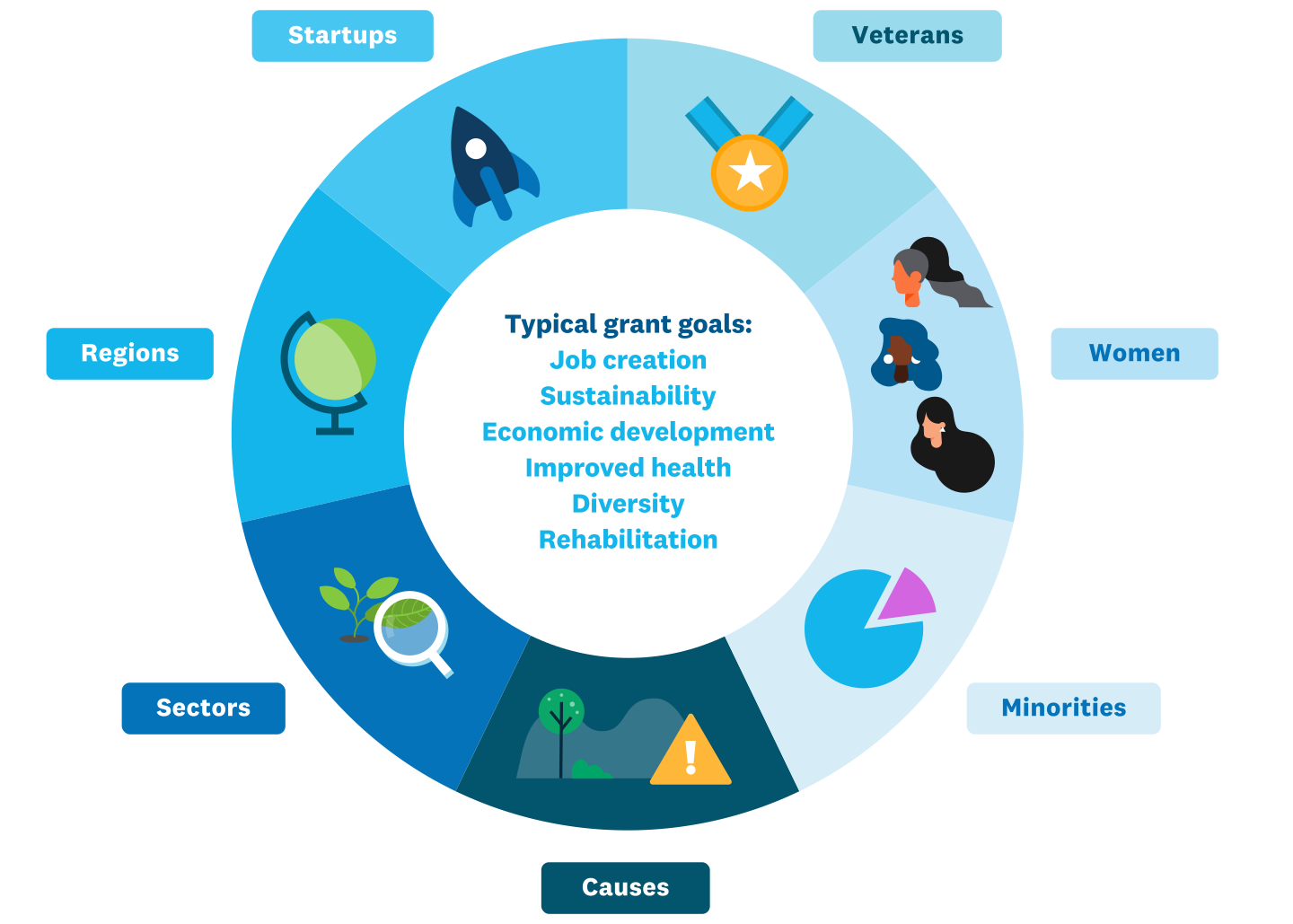
Eligibility for grants varies wildly depending on the grantor and the specific program. Most grants target businesses with specific characteristics, such as:
- Industry: Grants for tech startups, agricultural businesses, healthcare innovations, or environmentally friendly ventures.
- Demographics: Grants for women-owned businesses, minority-owned businesses, veteran-owned businesses, or businesses located in specific disadvantaged areas.
- Size: Often specifically for “small businesses” as defined by revenue or employee count.
- Purpose: Grants for research and development, job creation, community development, or specific project milestones.
- Location: Federal, state, county, or city-specific grants.
It’s imperative to thoroughly read the eligibility requirements for each grant opportunity. Applying for a grant for which you are ineligible is a waste of valuable time and resources. Matching your business profile and project goals with the grantor’s mission is the first step towards financial success in the grant application process.
Navigating the Grant Landscape: Where to Look
The sheer volume of potential grant opportunities can be overwhelming. Knowing where to search and how to filter through the options is critical for any small business seeking this non-dilutive funding. Effective search strategies are a financial efficiency, ensuring time is spent on viable prospects.
Government Grants (Federal, State, Local)
Government entities are a significant source of grant funding, often aimed at stimulating economic growth, fostering innovation, or addressing specific societal needs.
- Federal Grants: In the U.S., the primary portal is Grants.gov, listing thousands of opportunities from various agencies like the Small Business Administration (SBA), National Institutes of Health (NIH), Department of Energy (DOE), and National Science Foundation (NSF). These are often large grants, highly competitive, and may require extensive reporting.
- State Grants: Each state typically has its own economic development agencies and programs. These grants might target specific industries, encourage job creation within the state, or support local infrastructure improvements. State-specific programs can be found on state government websites or through local SBA district offices.
- Local Grants: City or county governments, economic development corporations, and chambers of commerce often offer smaller grants, sometimes linked to community improvement, revitalizing business districts, or supporting very small businesses. These can be less competitive than federal grants and easier to access for local businesses.
Corporate and Foundation Grants
Beyond government sources, many private corporations and philanthropic foundations offer grants as part of their corporate social responsibility initiatives or charitable giving programs.
- Corporate Grants: Large companies often have foundations or programs that award grants to small businesses or non-profits that align with their brand values, market interests, or community outreach goals. Examples include FedEx Small Business Grant Contest, Visa Everywhere Initiative, and various tech company grants.
- Foundation Grants: Private foundations (e.g., Bill & Melinda Gates Foundation, Kauffman Foundation) typically have specific missions and focus areas, such as education, environmental sustainability, healthcare, or economic empowerment. Researching foundations whose philanthropic goals directly align with your business’s mission or project can uncover significant financial opportunities.
Industry-Specific and Niche Grants
Many grant programs are highly specialized, targeting businesses within specific industries or those addressing unique challenges.
- Industry Associations: Trade associations often compile lists of grants relevant to their sector or even offer their own grant programs.
- Demographic-Specific Grants: As mentioned, grants specifically for women, minorities, veterans, or disabled entrepreneurs are abundant. Organizations like the Amber Grant for Women or minority business development agencies are excellent resources.
- Innovation & Technology Grants: Businesses involved in cutting-edge research, technology development, or sustainable practices may find grants from agencies like the NSF or private tech funds.
Online Grant Databases and Resources
Several online platforms aggregate grant opportunities, making the search process more efficient. While some require subscriptions, many offer free resources:
- Grants.gov: The official U.S. government grants website.
- Foundation Directory Online (FDO): A comprehensive database of foundations (subscription-based).
- GrantWatch.com: Lists grants for businesses and nonprofits (some features require subscription).
- Small Business Development Centers (SBDCs): Often provide local grant information and application assistance.
- Local Chambers of Commerce: Can offer insights into local and regional funding opportunities.
Crafting a Winning Grant Application
Once you’ve identified promising grant opportunities, the true work begins: crafting an application that stands out. Grant applications are essentially business proposals with a strong financial justification, requiring meticulous planning and persuasive writing.
Researching the Grantor and Their Priorities
Every grantor has specific goals, values, and criteria for awarding funds. Before writing a single word, immerse yourself in understanding the grantor’s mission, previous recipients, and the specific objectives of the grant program. A common financial mistake is to apply broadly without tailoring. Your application must clearly demonstrate how your business and project align perfectly with their priorities and how their investment will yield the impact they seek. This research allows you to speak directly to their financial and strategic interests.
Developing a Compelling Business Plan
A robust and well-articulated business plan is often the backbone of any successful grant application. It doesn’t just describe your business; it showcases its viability, market potential, management team, and, critically, its financial health and projections. For grant purposes, your business plan should specifically highlight:
- Problem/Solution: Clearly define the problem your business addresses and how your product or service provides an innovative solution.
- Market Analysis: Demonstrate a clear understanding of your target market, competitive landscape, and growth potential.
- Operational Plan: Detail how your business operates, including production, delivery, and customer service.
- Management Team: Introduce your team, highlighting their relevant experience and expertise.
- Financial Projections: Present realistic financial forecasts (income statements, cash flow projections, balance sheets) that show the business’s long-term sustainability and how the grant funds will impact these financials positively.
Articulating Your Need and Impact Clearly
Grantors want to know why you need the money and what difference it will make. Clearly articulate the problem your business or project will solve, the specific objectives you aim to achieve with the grant funds, and the measurable outcomes and impact. This could be job creation, community development, technological innovation, economic impact, or environmental benefits. Quantify your impact whenever possible (e.g., “create 10 new jobs,” “reduce energy consumption by 20%,” “serve 500 new customers”). The financial return on their investment, even if not monetary, should be evident.
Budgeting and Financial Projections
This is a critical section for any grant application and directly addresses the “Money” aspect. You must provide a detailed, itemized budget that clearly explains how every dollar of the grant funds will be spent. This budget should directly correlate with the project activities and objectives outlined in your proposal.
- Itemized Costs: Break down expenses for personnel, equipment, materials, marketing, travel, etc.
- Justification: Explain why each expense is necessary for achieving the project goals.
- Sustainability: Show how your business will sustain itself financially after the grant funds are utilized, demonstrating long-term viability and sound financial management.
- Matching Funds (if applicable): Some grants require “matching funds,” where you contribute a certain percentage of the project cost yourself. Be sure to highlight any such contributions from your business or other sources.
Gathering Supporting Documentation
Grant applications almost always require a wealth of supporting documents. Prepare these in advance to avoid last-minute stress:
- Legal Documents: Business registration, licenses, permits.
- Financial Statements: Historical financial data (income statements, balance sheets, cash flow statements), tax returns.
- Resumes: For key personnel.
- Letters of Support: From community leaders, partners, or customers.
- Market Research: Studies, reports, or testimonials.
- Photos/Videos: Relevant to your business or project.
Ensure all documents are current, accurate, and professionally presented. Discrepancies or omissions in financial documents can quickly lead to disqualification.
The Application Process and Beyond
Submitting your grant application is not the end of the journey; it’s a phase that requires strategic follow-up and learning, regardless of the outcome.
Tips for Submission and Follow-Up
- Review Thoroughly: Before submitting, meticulously review every section for clarity, grammar, spelling, and adherence to all guidelines. A common pitfall is overlooking minor details.
- Meet Deadlines: Adhere strictly to submission deadlines. Late applications are almost universally rejected.
- Confirmation: If possible, confirm receipt of your application.
- Follow-Up (Judiciously): Unless specified, avoid excessive follow-up. If the grantor indicates a timeline for decisions, you may send a polite inquiry if that period passes without communication.
What to Do if You’re Approved
Congratulations! Receiving a grant is a significant financial boost.
- Understand Terms: Carefully read and understand all terms and conditions of the grant agreement. This includes reporting requirements, allowable expenditures, and timelines.
- Financial Management: Set up separate accounting for grant funds to ensure compliance and easy reporting. Track all expenses meticulously.
- Execution: Implement your project as outlined in your proposal.
- Reporting: Submit all required progress and financial reports accurately and on time. This is crucial for maintaining a good relationship with the grantor and potentially securing future funding.
Learning from Rejection
Rejection is a common part of the grant application process; it’s rare to win every grant you apply for.
- Seek Feedback: If possible, request feedback from the grantor on why your application was not selected. This is invaluable for improving future proposals.
- Analyze and Revise: Use the feedback to identify weaknesses in your proposal, business plan, or even your overall strategy. Revise and refine your materials.
- Persevere: Don’t be discouraged. Grants are highly competitive. Learn from each experience and keep applying. Persistence and a commitment to refining your financial narrative are key.
Maximizing Your Chances: Best Practices
Success in securing grants often comes down to a combination of proactive planning, strategic execution, and continuous improvement.
Starting Early and Being Organized
Grant writing is a time-consuming process. Begin your search and application process well in advance of deadlines. Create a master spreadsheet to track potential grants, eligibility criteria, deadlines, required documents, and submission status. Maintain a well-organized folder (digital and/or physical) for all business and financial documents frequently requested in applications. This organizational rigor ensures you present a financially coherent and timely application.
Seeking Professional Assistance
While you can manage the grant process yourself, for significant grants or if you lack experience, consider seeking professional help.
- Grant Writers: Experienced grant writers can craft compelling proposals, ensuring all requirements are met and the narrative is persuasive. This is an investment that can yield substantial financial returns.
- SBDCs & Mentors: Small Business Development Centers (SBDCs) offer free or low-cost counseling and resources. Mentors with experience in securing grants can provide invaluable guidance.
- Accountants/Financial Advisors: Can help ensure your financial projections and statements are accurate and professionally presented, a critical component of most applications.
Building Relationships and Networking
Sometimes, securing a grant isn’t just about the written proposal.
- Attend Workshops: Participate in grant writing workshops or webinars offered by grantors or related organizations.
- Network: Connect with other small business owners who have successfully secured grants. Learn from their experiences.
- Engage with Grantors (where appropriate): If a grantor encourages contact, use it as an opportunity to ask clarifying questions and better understand their priorities. This can offer subtle financial insights into what they value.
Securing a grant for your small business is a marathon, not a sprint. It requires patience, meticulous attention to detail, a strong financial narrative, and a clear understanding of your business’s value proposition. By strategically identifying opportunities, crafting compelling proposals, and managing the process effectively, you can unlock a powerful source of non-dilutive funding that can profoundly impact your financial future and propel your small business to new heights.
aViewFromTheCave is a participant in the Amazon Services LLC Associates Program, an affiliate advertising program designed to provide a means for sites to earn advertising fees by advertising and linking to Amazon.com. Amazon, the Amazon logo, AmazonSupply, and the AmazonSupply logo are trademarks of Amazon.com, Inc. or its affiliates. As an Amazon Associate we earn affiliate commissions from qualifying purchases.