
The allure of online entrepreneurship is powerful, promising unparalleled flexibility, global reach, and the potential for significant financial independence. Millions are drawn to the idea of transforming a passion into a profitable venture, escaping the traditional 9-to-5, or simply diversifying their income streams. However, while the digital landscape lowers many barriers to entry, it simultaneously amplifies the need for rigorous financial planning and disciplined management. Starting an online business isn’t merely about launching a website or offering a service; it’s about building a sustainable economic engine.
This article will guide aspiring online entrepreneurs through the critical financial considerations that underpin every successful digital enterprise. We will delve into establishing a robust financial groundwork, exploring diverse monetization strategies, implementing sound financial management practices, and navigating the complexities of online business taxation. By prioritizing financial prudence from day one, you can lay a resilient foundation for long-term growth, profitability, and true financial freedom.
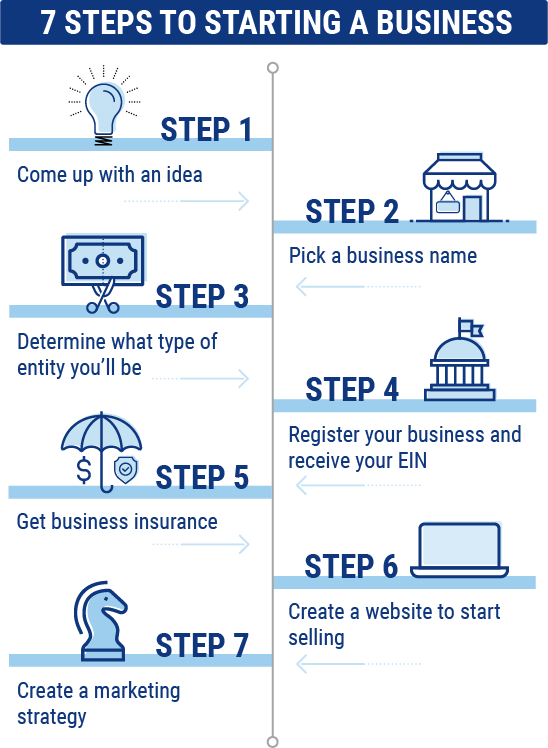
Establishing a Solid Financial Groundwork
Every successful online business is built on a clear understanding of its financial architecture. Before a single product is sold or a service is rendered, entrepreneurs must meticulously plan their financial needs and structure their venture to optimize for stability and future growth. This foundational stage is not just about securing funds; it’s about projecting viability and setting the stage for financial discipline.
Deconstructing Startup Costs and Funding Pathways
Even seemingly “free” online businesses incur costs. Understanding these initial expenditures is paramount for accurate budgeting and securing appropriate funding. Common online startup costs typically include domain registration and web hosting, platform subscriptions (e.g., e-commerce platforms, email marketing tools), initial inventory or product development, professional services (legal, accounting), and preliminary marketing expenses. For instance, while a social media presence might be free, targeted advertising campaigns to gain initial traction will require investment.
Once costs are estimated, the next step is to explore funding pathways. Bootstrapping, or self-funding the business, is a popular route for online entrepreneurs due to lower initial capital requirements. This approach offers maximum control and avoids debt but can limit the pace of growth. Alternatively, small business loans (from banks, credit unions, or government-backed programs like the SBA in the US) can provide significant capital, often with favorable terms, but typically require a solid business plan and collateral. For high-growth, scalable online ventures, venture capital or angel investors might be an option, albeit with equity dilution and increased scrutiny. Crowdfunding platforms, both reward-based (e.g., Kickstarter) and equity-based, can also be viable for validating an idea and raising capital from a broader audience. Finally, leveraging personal savings or seeking small investments from friends and family often serves as the initial fuel for many online businesses. The key is to be realistic about costs and match the funding source to the business’s scale and growth potential.
Crafting a Prudent Financial Plan and Projections
A comprehensive financial plan is the blueprint for your online business’s economic future. It transforms aspirations into actionable numbers and serves as a vital tool for decision-making and attracting potential investors. At its core, the financial plan includes detailed budgeting, outlining all anticipated operational costs, marketing spend, potential salaries (even if just your own), and a contingency fund for unexpected expenses. This budget should be broken down monthly for at least the first year, then quarterly for the next few years.
Crucially, the plan must incorporate robust revenue projections. These forecasts should be grounded in market research, competitive analysis, and a realistic assessment of your sales potential. It’s often prudent to create conservative, realistic, and optimistic scenarios to understand the range of possible outcomes. From these projections, you can develop a Profit & Loss (P&L) statement projection, which reveals your anticipated profitability over time by comparing revenues against expenses.
Perhaps the most critical component is the cash flow projection. Unlike profit, which can be theoretical, cash flow is the actual money moving in and out of your business. A profitable business can still fail if it runs out of cash. Your cash flow projection will track anticipated inflows (sales, investments) and outflows (expenses, debt payments), helping you identify potential shortfalls before they occur. Finally, performing a break-even analysis will reveal the point at which your total revenue equals your total costs, signifying when your business will begin to generate profit. This meticulous planning is not a one-time exercise but an ongoing process of review and adjustment.
Selecting the Optimal Legal and Financial Structure
The legal structure you choose for your online business has significant financial and tax implications. This decision affects your personal liability, the complexity of your tax filings, and your ability to raise capital.
- A Sole Proprietorship is the simplest to establish, with minimal paperwork and pass-through taxation (business income and expenses are reported on your personal tax return). However, it offers no personal liability protection, meaning your personal assets could be at risk if the business incurs debt or faces legal action.
- A Limited Liability Company (LLC) offers the best of both worlds for many online entrepreneurs: personal liability protection (separating personal and business assets) while retaining the flexibility of pass-through taxation. Setting up an LLC is more complex than a sole proprietorship, involving state filings and ongoing compliance, but the financial protection it provides often outweighs the administrative burden.
- For more established businesses, especially those aiming to raise significant capital, S-Corporations or C-Corporations might be considered. While more complex to set up and manage, they offer distinct tax advantages at higher income levels and greater appeal to investors.
- A Partnership is similar to a sole proprietorship but involves two or more owners, sharing profits, losses, and liabilities.
Consulting with a legal and financial professional is highly recommended to choose the structure that best aligns with your business goals, risk tolerance, and projected financial scale. This early decision significantly impacts your tax burden and asset protection.
Developing Profitable Online Monetization Strategies
Once the financial foundation is laid, the next crucial step is to define how your online business will actually generate revenue. The digital realm offers a plethora of monetization models, and a strategic approach to selecting and optimizing these streams is essential for long-term profitability and resilience.
Diversifying Your Revenue Streams for Stability
Relying on a single source of income can leave an online business vulnerable to market shifts or platform changes. Diversifying revenue streams builds financial stability and resilience.
- E-commerce involves selling physical products (e.g., dropshipping, artisan goods) or digital products (e.g., software, templates, stock photos) directly to consumers.
- Service-based models encompass a wide range, from consulting and coaching to freelancing (writing, design, web development) and virtual assistance. These often require less initial capital but exchange time for money.
- Subscription models are powerful for recurring revenue, applicable to Software as a Service (SaaS), exclusive content (e.g., membership sites), or curated product boxes.
- Advertising and affiliate marketing generate income through display ads on a website or by earning commissions for promoting other companies’ products or services.
- Digital products like e-books, online courses, and workshops are highly scalable and can offer excellent profit margins once created.
- For content creators, ongoing donations or platforms like Patreon can provide consistent support from a dedicated audience.
The key is to identify revenue streams that naturally complement your core offering and audience, mitigating risk by not putting all your financial eggs in one basket.
Strategic Pricing for Maximum Profitability
Pricing your products or services is a delicate art and science that directly impacts your profitability. Underpricing leaves money on the table, while overpricing can deter customers.
- Cost-plus pricing involves calculating all costs associated with your product/service and adding a desired profit margin. This ensures you cover your expenses but may not reflect market value.
- Value-based pricing sets prices based on the perceived value your offering provides to the customer, often allowing for higher margins if your solution solves a significant problem or provides substantial benefits.
- Competitor-based pricing benchmarks your prices against those of your rivals. While useful for market positioning, it shouldn’t be the sole determinant, as your value proposition might differ.
- Psychological pricing (e.g., pricing at $9.99 instead of $10.00) can subtly influence purchasing decisions.
- Tiered pricing allows you to offer different packages (basic, standard, premium) to cater to various customer segments and budget levels.
Ultimately, understanding your target market, your unique value proposition, and your direct and indirect costs will enable you to set prices that are both competitive and profitable. Never be afraid to test different pricing models and adjust as you gather data.

Maximizing Customer Lifetime Value (CLV)
Customer Lifetime Value (CLV) is a crucial metric representing the total revenue a business can expect to generate from a single customer throughout their relationship. Focusing on CLV is often more cost-effective than constantly acquiring new customers, as it leverages existing relationships.
Strategies to maximize CLV include:
- Upselling and cross-selling: Offering premium versions of a product or complementary items after an initial purchase.
- Building loyalty programs: Rewarding repeat customers with discounts, exclusive access, or special perks.
- Delivering exceptional customer service: A positive experience encourages repeat business and referrals.
- Nurturing customer relationships: Through personalized communication, valuable content, and community building.
The financial impact of a high CLV is profound; it reduces customer acquisition costs, increases revenue predictability, and fosters a more sustainable business model. By investing in customer retention and satisfaction, you’re investing directly in your financial future.
Implementing Robust Financial Management Practices
Launching an online business is just the beginning; sustaining its growth and ensuring its longevity requires diligent financial management. This involves employing the right tools, continuously monitoring key metrics, and mastering the art of cash flow management.
Essential Financial Tools and Software for Online Businesses
Effective financial management in the digital age relies heavily on specialized tools and software designed to streamline processes and provide actionable insights.
- Accounting software like QuickBooks Online, Xero, or FreshBooks is indispensable. These platforms automate invoicing, expense tracking, bank reconciliations, and generate vital financial reports (P&L, balance sheet). They are crucial for maintaining accurate records and simplifying tax preparation.
- Payment processors such as Stripe, PayPal, or Square are essential for accepting online payments. When choosing, consider transaction fees, ease of integration, and global reach.
- While accounting software often includes budgeting features, dedicated budgeting tools or even simple, well-maintained spreadsheets can help track against your financial plan.
- For businesses with complex inventory, inventory management software integrates with e-commerce platforms to track stock levels, sales, and order fulfillment.
Critically, always maintain separate business bank accounts and credit cards from personal ones. This separation simplifies accounting, provides a clear financial audit trail, and is crucial for legal and tax compliance.
Monitoring Key Financial Performance Indicators (KPIs)
Financial KPIs are the pulse of your online business, providing measurable insights into its health and performance. Regular monitoring allows for data-driven decision-making and proactive adjustments.
- Revenue growth rate indicates how quickly your sales are increasing.
- Net profit margin (net income as a percentage of revenue) reveals the efficiency of your operations in converting sales into profit.
- Gross profit margin (revenue minus cost of goods sold, as a percentage of revenue) indicates the profitability of your core products/services before operating expenses.
- Customer Acquisition Cost (CAC) measures how much it costs to acquire a new customer.
- Customer Lifetime Value (CLV), as discussed, provides insight into the long-term value of your customer base.
- Conversion rates (e.g., website visitors to customers) and average order value (AOV) are critical for e-commerce and digital product businesses.
By consistently tracking these and other relevant KPIs, online entrepreneurs can identify trends, pinpoint areas for improvement, and gauge the effectiveness of their strategies, ensuring the business stays on a profitable trajectory.
Mastering Cash Flow Management and Profit Reinvestment
Cash flow is the lifeblood of any business. Even a highly profitable online business can face liquidity issues if it mismanages its cash. Cash flow management involves carefully monitoring the inflows and outflows of money to ensure there’s always enough cash on hand to meet obligations. Strategies include sending invoices promptly, optimizing payment terms with suppliers, managing inventory efficiently (to avoid tying up capital), and establishing a business emergency fund.
Equally important is the strategic reinvestment of profits. While it might be tempting to draw out all profits, reinvesting a portion back into the business is crucial for sustainable growth. This could mean scaling operations, investing in more effective marketing campaigns, developing new products or features, upgrading technology, or hiring additional talent. Balancing immediate gratification with long-term growth by intelligently reinvesting profits is a hallmark of financially savvy entrepreneurs. It creates a virtuous cycle where growth fuels more profit, which in turn fuels further growth.
Navigating the Complexities of Online Business Taxation
Taxation is an often-overlooked but absolutely critical financial aspect of running an online business. Ignorance is not bliss when it comes to taxes; it can lead to hefty penalties and legal issues. Understanding and proactively managing your tax obligations is essential for financial compliance and stability.
Understanding Your Online Business Tax Obligations
The tax landscape for online businesses can be complex due to varying federal, state, and local regulations.
- Income Tax: Your business’s profits are subject to federal and, in most cases, state and local income taxes. The specific rates and filing requirements depend heavily on your chosen legal structure (sole proprietorship, LLC, corporation).
- Self-Employment Tax: If you operate as a sole proprietor or an LLC member, you’ll be responsible for paying self-employment taxes (Social Security and Medicare contributions) in addition to income tax.
- Sales Tax: This is particularly tricky for online businesses. You typically need to collect and remit sales tax in states where you have “nexus”—a significant enough presence. This traditionally meant a physical location, but many states now have “economic nexus” laws, meaning a certain threshold of sales or transactions within a state triggers a sales tax obligation, even if you have no physical presence there. This applies to both physical goods and, increasingly, digital products and services.
- VAT/GST: If you sell products or services internationally, especially to customers in the European Union, you may need to register for and remit Value Added Tax (VAT) or Goods and Services Tax (GST).
- Estimated Taxes: Since online businesses don’t have taxes withheld from regular paychecks, you’re generally required to pay estimated taxes quarterly to cover your income and self-employment tax liabilities. Failing to do so can result in penalties.
Maximizing Deductions and Write-offs for Online Entrepreneurs
One of the significant financial advantages of running your own business is the ability to deduct legitimate business expenses, which reduces your taxable income.
- Home office deduction: If you exclusively and regularly use a portion of your home for business, you can deduct a percentage of your housing costs (rent, mortgage interest, utilities).
- Business expenses: This category is broad, encompassing costs like website hosting fees, software subscriptions, advertising and marketing expenses, professional development courses, legal and accounting fees, and business-related travel.
- Self-employment health insurance premiums: You may be able to deduct these if you’re not eligible for an employer-sponsored health plan.
- Retirement contributions: Setting up a SEP IRA or Solo 401(k) allows you to contribute a significant portion of your self-employment income, reducing your taxable income while building your retirement nest egg.
- Mileage: If you use your personal vehicle for business travel, you can deduct mileage or actual expenses.
The key to maximizing deductions is to keep meticulous records of all business-related income and expenses throughout the year.
Implementing Robust Record-Keeping Best Practices
Excellent record-keeping is the bedrock of sound financial management and indispensable for tax compliance and audit readiness.
- Separate business and personal finances: As mentioned, this is non-negotiable for clarity and accuracy.
- Digital vs. physical records: While physical receipts can be kept, scanning and digitizing everything is highly recommended for easy storage, retrieval, and backup. Cloud-based storage ensures accessibility and protection against loss.
- Organize systematically: Categorize your expenses as they occur (e.g., marketing, software, supplies). Your accounting software can automate much of this.
- Maintain documentation: Keep copies of all invoices, receipts, bank statements, credit card statements, and payment processor reports.
- Review regularly: Periodically review your financial records to catch errors or missing information before they become larger problems.
Adhering to these record-keeping best practices simplifies tax preparation, helps you accurately assess your business’s financial health, and can save you significant headaches (and money) in the event of an audit.

Conclusion
Starting an online business is an exhilarating journey, replete with opportunities for innovation and personal growth. However, beneath the veneer of digital convenience lies a profound need for financial acumen. Success in the online realm isn’t just about a brilliant idea or a captivating website; it’s about establishing a robust financial framework, meticulously planning for every expenditure, strategically pricing for profitability, diligently managing cash flow, and conscientiously fulfilling all tax obligations.
By committing to a disciplined approach to financial planning, understanding diverse monetization avenues, implementing sound financial management tools and practices, and proactively navigating the tax landscape, aspiring online entrepreneurs can transform their digital dreams into sustainable, wealth-generating realities. Prioritizing financial prudence from the very outset doesn’t just prevent failure; it builds a resilient foundation for enduring success, paving the way for true financial independence and lasting impact.
aViewFromTheCave is a participant in the Amazon Services LLC Associates Program, an affiliate advertising program designed to provide a means for sites to earn advertising fees by advertising and linking to Amazon.com. Amazon, the Amazon logo, AmazonSupply, and the AmazonSupply logo are trademarks of Amazon.com, Inc. or its affiliates. As an Amazon Associate we earn affiliate commissions from qualifying purchases.