
Securing a business loan can be a pivotal moment for any enterprise, whether you’re a startup seeking initial capital, an established company planning expansion, or a growing business needing working capital to manage cash flow. While the prospect of applying for a loan might seem daunting, understanding the process, preparing diligently, and approaching lenders strategically can significantly increase your chances of success. This comprehensive guide will walk you through the essential steps, considerations, and best practices for navigating the business loan application landscape.
Understanding Business Loan Fundamentals
Before diving into the application itself, it’s crucial to grasp the foundational elements of business lending. Knowing why you need a loan, what type of loan best fits your needs, and what lenders look for will set a strong foundation for your application.
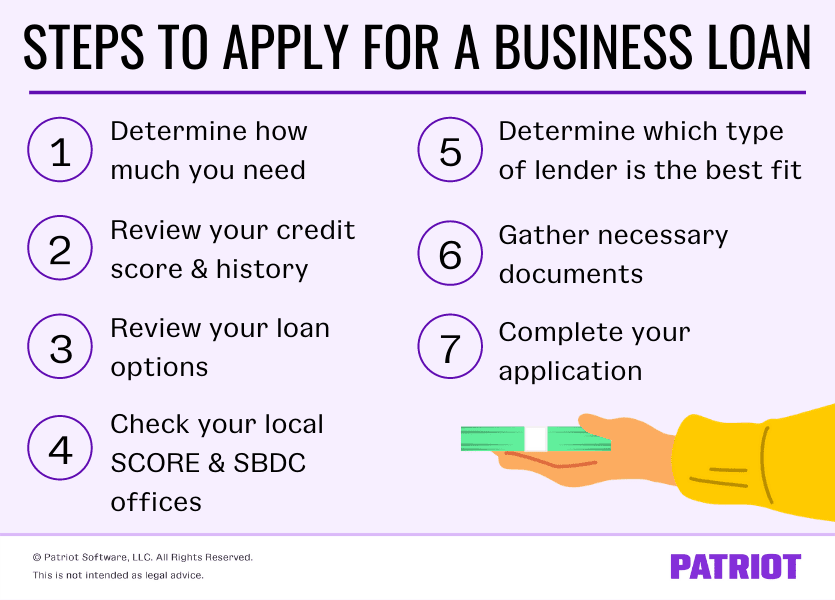
Why Seek a Business Loan?
Businesses seek financing for a multitude of reasons, each dictating a different loan structure and amount. Common reasons include:
- Startup Costs: Covering initial expenses like legal fees, permits, equipment, and inventory for new ventures.
- Working Capital: Bridging gaps in cash flow, covering operational expenses, or purchasing inventory in anticipation of sales.
- Equipment Financing: Purchasing new machinery, vehicles, or technology essential for operations or growth.
- Expansion: Funding new locations, increasing production capacity, or entering new markets.
- Debt Refinancing: Consolidating existing high-interest debts into a single, more manageable loan.
- Marketing and Advertising: Investing in campaigns to reach a broader customer base and drive sales growth.
Clearly defining your purpose will help you determine the appropriate loan type and amount, which in turn informs your business plan and financial projections.
Types of Business Loans
The business lending landscape offers a diverse array of options, each tailored to different needs and risk profiles. Understanding these types is critical for choosing the right fit:
- Term Loans: The most traditional loan, providing a lump sum of money that is repaid with interest over a fixed period, typically 1 to 10 years. They can be secured (with collateral) or unsecured (higher interest rates).
- Lines of Credit: Similar to a credit card, a line of credit offers flexible access to funds up to a certain limit. You only pay interest on the amount you draw, making it ideal for managing short-term cash flow fluctuations.
- SBA Loans: Backed by the U.S. Small Business Administration, these loans are partially guaranteed by the government, making them less risky for lenders. This often results in more favorable terms, lower down payments, and longer repayment periods. Popular programs include the 7(a) loan and CDC/504 loan.
- Equipment Financing: Specifically designed to purchase new or used equipment, these loans use the equipment itself as collateral, often allowing for lower interest rates and a simpler application process.
- Invoice Factoring/Financing: This involves selling your outstanding invoices to a third party (a “factor”) at a discount in exchange for immediate cash. It’s a useful solution for businesses with long payment cycles from customers.
- Merchant Cash Advances (MCAs): A lump sum payment given in exchange for a percentage of future credit card sales. While fast and accessible, MCAs typically come with very high costs and are generally considered a last resort.
- Commercial Real Estate Loans: Used to purchase, refinance, or renovate owner-occupied commercial properties.
- Peer-to-Peer (P2P) Lending: Businesses borrow directly from individual investors through online platforms.
Key Factors Lenders Consider: The 5 C’s of Credit
Lenders assess numerous factors when evaluating a loan application, often summarized as the “5 C’s of Credit”:
- Character: Your credit history (personal and business), track record, and reputation. Lenders want to see responsible financial behavior.
- Capacity: Your business’s ability to repay the loan, primarily judged by its cash flow and debt-to-income ratio.
- Capital: The amount of money you’ve personally invested in the business. This demonstrates your commitment and reduces the lender’s risk.
- Collateral: Assets you pledge to secure the loan, such as real estate, equipment, or accounts receivable. Collateral mitigates risk for the lender in case of default.
- Conditions: The economic climate, industry trends, and the specific purpose of the loan. Lenders assess how external factors might impact your business’s ability to succeed and repay.
Understanding these criteria allows you to proactively strengthen your application and address potential weaknesses.
Preparing Your Business for Loan Application
A well-prepared application is a strong application. This stage involves meticulous documentation and a clear understanding of your business’s financial health.
Developing a Robust Business Plan
Your business plan is more than just a document; it’s a narrative of your company’s past, present, and future. For lenders, it demonstrates your vision, strategy, and viability. A compelling business plan should include:
- Executive Summary: A concise overview of your business, its mission, and the loan request.
- Company Description: Legal structure, history, and current status.
- Market Analysis: Industry overview, target market, competition, and your competitive advantage.
- Organization and Management: Ownership structure, management team bios, and organizational chart.
- Service or Product Line: Detailed description of what you offer.
- Marketing and Sales Strategy: How you plan to reach customers and generate revenue.
- Financial Projections: Historical financial statements (if applicable), and detailed projections (income statements, balance sheets, cash flow statements) for at least 3-5 years, demonstrating repayment capacity.
- Loan Request: Specifics of the loan needed (amount, purpose, desired terms) and how it will contribute to growth.
Gathering Essential Financial Documents
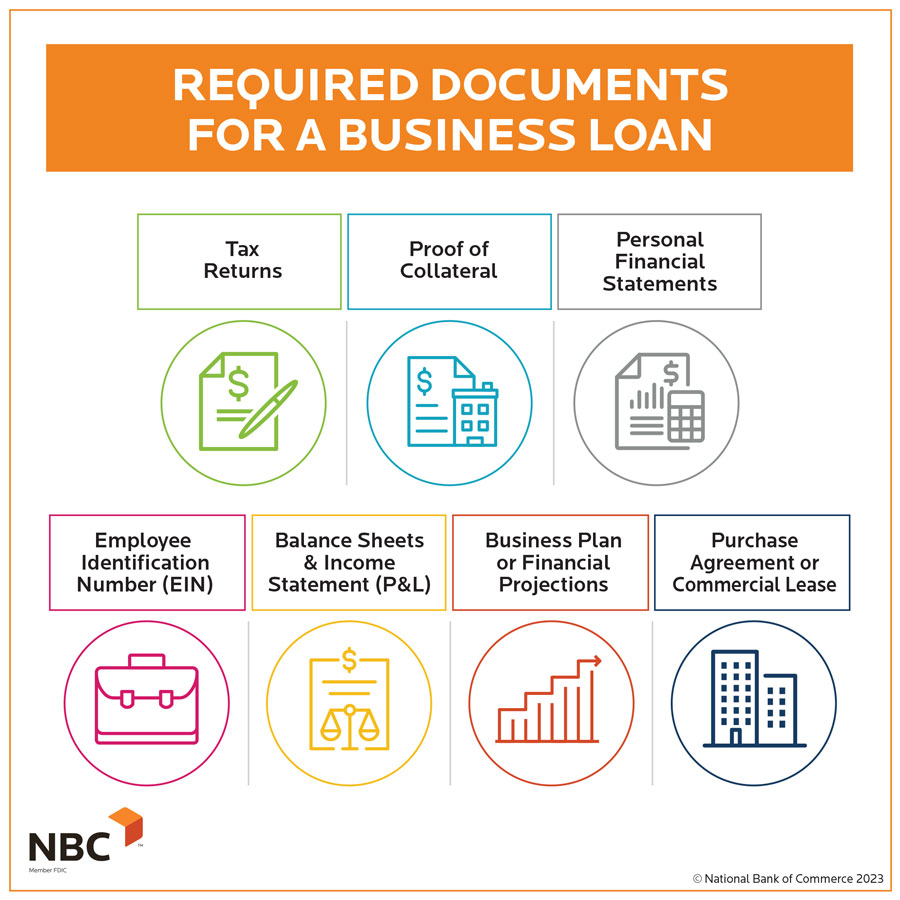
Accuracy and completeness of your financial documents are paramount. Prepare a comprehensive package that typically includes:
- Business Bank Statements: 6-12 months of statements to show cash flow and transactional history.
- Business Tax Returns: 2-3 years of federal tax returns.
- Personal Tax Returns: For owners with significant stake, 2-3 years of personal tax returns.
- Financial Statements: Up-to-date income statements (P&L), balance sheets, and cash flow statements. If you’re a startup, detailed financial projections are essential.
- Accounts Receivable and Payable Aging Reports: To show how quickly you collect from customers and pay suppliers.
- Legal Documents: Business licenses, registrations, articles of incorporation, partnership agreements, and any existing loan agreements.
- Personal Financial Statement: For owners, detailing assets, liabilities, and net worth.
Understanding Your Creditworthiness
Lenders will scrutinize both your personal and business credit scores.
- Personal Credit Score: Your FICO score reflects your personal financial responsibility. A higher score (generally 680+ for small business loans) indicates lower risk. Ensure your personal credit is in good standing before applying.
- Business Credit Score: Reported by agencies like Dun & Bradstreet (Paydex score), Experian, and Equifax Business. This score reflects your business’s payment history with vendors and other creditors. Building strong business credit is a long-term strategy, but essential.
Check both scores well in advance to identify and rectify any errors or areas for improvement.
Assessing Your Collateral and Guarantees
Many business loans, especially traditional bank loans, require collateral or a personal guarantee.
- Collateral: Tangible assets like real estate, equipment, inventory, or accounts receivable that the lender can seize if you default. Be prepared to provide an appraisal or valuation of these assets.
- Personal Guarantee: A promise from the business owner to personally repay the loan if the business cannot. This puts your personal assets at risk but can make a loan more accessible. Understand the implications of both unlimited and limited personal guarantees.
Navigating the Application Process
With your preparations complete, the next phase involves selecting a lender and meticulously completing the application.
Researching and Choosing the Right Lender
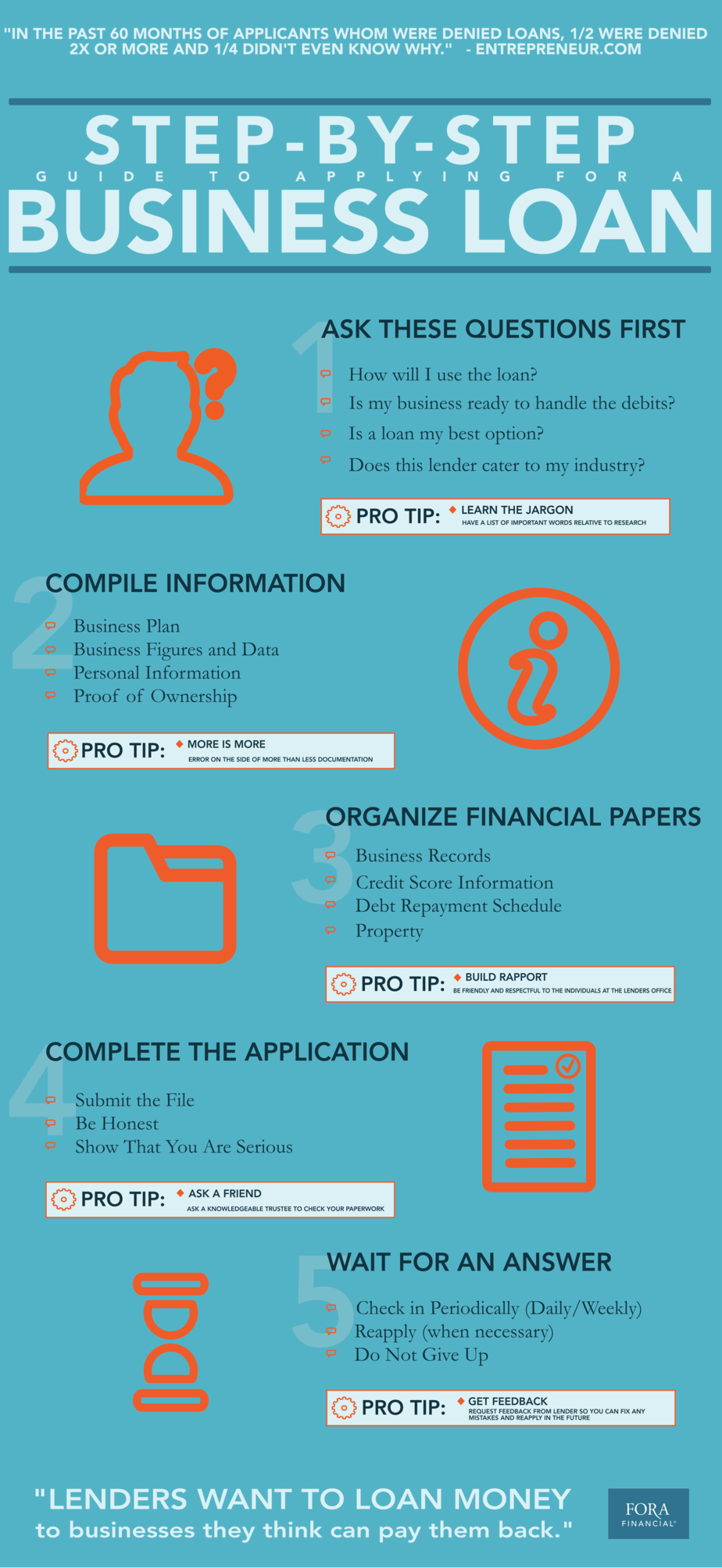
Not all lenders are created equal, and different types cater to different business profiles and needs.
- Traditional Banks: Often offer the lowest interest rates and most favorable terms for established businesses with strong credit and collateral. However, they can have lengthy application processes and strict requirements.
- Credit Unions: Similar to banks but may offer more personalized service and slightly more flexible terms for members.
- Online Lenders: Known for speed and convenience, often with less stringent requirements than traditional banks. They can be a good option for businesses needing quick access to funds, though interest rates may be higher.
- SBA-Approved Lenders: Banks, credit unions, and non-profit organizations that participate in SBA loan programs. These are excellent for businesses that meet SBA criteria, offering beneficial terms.
- Community Development Financial Institutions (CDFIs): Non-profit lenders focused on serving economically distressed communities and underserved markets. They may offer more flexible loans to businesses that struggle to get financing elsewhere.
Compare interest rates, fees (origination, closing, prepayment penalties), repayment terms, collateral requirements, and the lender’s reputation and customer service.
Completing the Application Form Accurately
Take your time filling out the application. Any inconsistencies or missing information can cause delays or outright rejection.
- Read Instructions Carefully: Understand exactly what information is required for each section.
- Be Truthful and Accurate: Provide honest and verifiable information. Misrepresenting facts can have severe consequences.
- Double-Check All Entries: Ensure names, addresses, financial figures, and dates are correct.
- Provide Context (Where Necessary): If there are any unusual items in your financial history (e.g., a dip in profits due to a one-time event), be prepared to explain them concisely.
Crafting a Compelling Loan Proposal
While your business plan lays out the general strategy, a loan proposal specifically highlights why you are a good borrower and how the loan will be used effectively. Summarize:
- Your Business: Briefly describe its operations and market position.
- The Loan Request: Exact amount, purpose, and how it aligns with your growth strategy.
- Repayment Strategy: How your business’s cash flow will comfortably cover the loan payments.
- Key Strengths: Highlight strong financial performance, experienced management, robust market demand, or solid collateral.
The Due Diligence Phase
Once you submit your application, the lender will conduct its own due diligence. This may involve:
- Credit Checks: Pulling personal and business credit reports.
- Financial Verification: Confirming the accuracy of your financial statements and tax returns.
- Site Visits/Interviews: For larger loans, the lender might want to visit your business location or conduct interviews with you and your management team.
- Appraisals: For collateral-backed loans, appraisals of real estate or equipment will be ordered.
Be responsive to all requests for additional information and maintain open communication with the lender.
Common Pitfalls and Best Practices
Avoiding common mistakes and adopting strategic best practices can significantly improve your loan application’s success rate.
Avoiding Common Application Mistakes
- Incomplete or Inaccurate Documentation: The leading cause of delays and rejections.
- Lack of a Clear Business Plan: Failing to articulate your vision, strategy, and how the loan fits in.
- Poor Credit History: Both personal and business credit matter.
- Unrealistic Financial Projections: Overly optimistic forecasts that lack supporting evidence.
- Insufficient Collateral or Capital: Not having enough personal investment or assets to secure the loan.
- Applying to the Wrong Lender: Not matching your business needs and profile to the lender’s criteria.
Strategies for a Stronger Application
- Maintain Excellent Records: Consistent and accurate bookkeeping is invaluable.
- Build Strong Credit: Proactively work on improving both personal and business credit scores.
- Show Strong Cash Flow: Lenders prioritize businesses with consistent and sufficient cash flow to cover debt obligations.
- Have a Clear Use of Funds: Be specific about how the loan will be utilized to generate revenue or improve efficiency.
- Demonstrate Industry Knowledge: Show that you understand your market, competition, and growth opportunities.
- Seek Professional Advice: Consider consulting with an accountant, financial advisor, or business mentor to refine your business plan and financial projections.
What to Do If Your Loan is Denied
A loan denial isn’t the end of the road.
- Ask for Feedback: Understand the specific reasons for the denial. This feedback is invaluable for improving future applications.
- Address Deficiencies: Work on improving the areas identified by the lender (e.g., boost cash flow, improve credit, refine business plan).
- Re-evaluate Your Needs: Is a loan truly the best option? Explore alternatives like equity financing, crowdfunding, or grants.
- Explore Alternative Lenders: Some lenders specialize in higher-risk borrowers or specific industries.
Post-Approval: Managing Your Business Loan
Congratulations, your loan is approved! The process doesn’t end here; responsible management of your new financing is crucial for your business’s long-term financial health.
Understanding Loan Terms and Conditions
Before signing, meticulously review every detail of the loan agreement. Pay close attention to:
- Interest Rate: Fixed or variable.
- Repayment Schedule: Monthly payments, grace periods, and total term.
- Fees: Origination fees, closing costs, prepayment penalties.
- Covenants: Conditions or restrictions imposed by the lender (e.g., maintaining certain financial ratios, restrictions on additional debt).
- Default Terms: What constitutes a default and the consequences.
If anything is unclear, ask for clarification.
Prudent Use of Funds
Stick to the purpose outlined in your loan application. Using funds for unapproved purposes can violate loan covenants and damage your relationship with the lender. Track how the loan money is being spent and its impact on your business’s performance.
Maintaining Good Financial Standing
Consistent, on-time payments are essential for maintaining a good relationship with your lender and strengthening your business credit. Continue to manage your finances diligently, monitor cash flow, and regularly review your financial performance to ensure your business remains on a healthy trajectory.
Applying for a business loan is a comprehensive process that demands thorough preparation, transparency, and strategic decision-making. By understanding the fundamentals, preparing your business meticulously, choosing the right lender, and navigating the application with care, you can secure the financing needed to fuel your business’s growth and achieve its full potential.
aViewFromTheCave is a participant in the Amazon Services LLC Associates Program, an affiliate advertising program designed to provide a means for sites to earn advertising fees by advertising and linking to Amazon.com. Amazon, the Amazon logo, AmazonSupply, and the AmazonSupply logo are trademarks of Amazon.com, Inc. or its affiliates. As an Amazon Associate we earn affiliate commissions from qualifying purchases.