
In the ever-evolving landscape of global finance and technology, a handful of companies emerge that not only disrupt traditional models but redefine entire industries. Stripe is undoubtedly one of them. As a payments processing behemoth, it powers millions of businesses worldwide, from nascent startups to established enterprises, facilitating seamless online transactions. Its impact is undeniable, its valuation has soared into the tens of billions, and yet, for many, the intricate question of “who owns Stripe?” remains a point of fascination and strategic inquiry.
This isn’t merely a trivial curiosity; understanding the ownership structure of a company like Stripe offers profound insights into its governance, strategic direction, future potential, and the immense wealth creation it has facilitated. Given Stripe’s private status, its ownership is not as straightforward as a publicly traded company where shares are openly bought and sold on stock exchanges. Instead, its ownership is a mosaic of visionary founders, shrewd venture capitalists, strategic institutional investors, and a dedicated employee base. This article delves deep into the financial architecture behind one of the most impactful fintech companies of our time, placing it firmly within the “Money” category as we explore the intersection of business finance, investing, and wealth generation.

The Founders and Early Investors: Genesis of a Multi-Billion-Dollar Company
Every monumental company begins with an idea, and behind every idea, there are often individuals with the foresight and tenacity to bring it to life. For Stripe, this genesis story is rooted in the ambition of two Irish brothers.
The Visionary Minds: Patrick and John Collison
At the core of Stripe’s ownership are its co-founders, Patrick and John Collison. Hailing from Limerick, Ireland, these brothers embarked on their entrepreneurial journey early, eventually conceiving Stripe in 2009 and officially launching it in 2010. Their initial premise was deceptively simple yet revolutionary: make it easier for developers to accept payments online. They recognized the immense friction and complexity inherent in traditional payment gateways, and their solution—a few lines of code—democratized online commerce.
As founders, Patrick and John Collison naturally hold significant ownership stakes in Stripe. While the exact percentages are not publicly disclosed due to the company’s private nature, it is widely understood that they collectively retain substantial control, ensuring their vision continues to guide the company’s strategic trajectory. Their continued leadership as CEO (Patrick) and President (John) further cements their influence, blending significant equity with executive decision-making power. Their story is a classic example of how founder-led companies, backed by robust financial structures, can achieve unprecedented scale and impact.
Early Backers and Seed Funding: Fueling the Initial Fire
No startup, regardless of its brilliance, can reach the stratospheric heights of Stripe without early believers and critical financial injections. In its nascent stages, Stripe attracted a remarkable roster of early investors who saw the immense potential in the Collison brothers’ vision.
Among the most famous early backers were tech luminaries like Peter Thiel and Elon Musk, who contributed to Stripe’s seed funding round. These individuals, renowned for their ability to spot disruptive technologies and future market leaders, provided not just capital but also invaluable mentorship and credibility. Following closely were prominent venture capital (VC) firms such as Sequoia Capital and Andreessen Horowitz (a16z). These firms specialize in providing growth equity to high-potential startups in exchange for significant ownership stakes. Their early investments were crucial for Stripe to develop its platform, scale its operations, and begin its rapid global expansion. These initial funding rounds established a foundational ownership structure where a consortium of founders and strategic early-stage investors collectively owned the nascent company, poised for future growth. Their willingness to take risks on an unproven concept ultimately yielded some of the highest returns in the history of venture capital.
Decoding Stripe’s Capital Structure: A Private Company’s Journey
As Stripe matured beyond its startup phase, its capital requirements grew exponentially, necessitating multiple rounds of funding that gradually diversified its ownership structure. Understanding this journey is key to grasping “who owns Stripe” today.
The Role of Venture Capital Funds in Growth Stages
The majority of Stripe’s ownership, beyond the founders, lies in the hands of a diverse array of venture capital funds and other institutional investors. As Stripe executed its growth strategy and expanded into new markets and product offerings, it conducted numerous funding rounds – Series A, B, C, and so on. Each successive round brought in new investors or allowed existing ones to increase their stake, typically at significantly higher valuations.
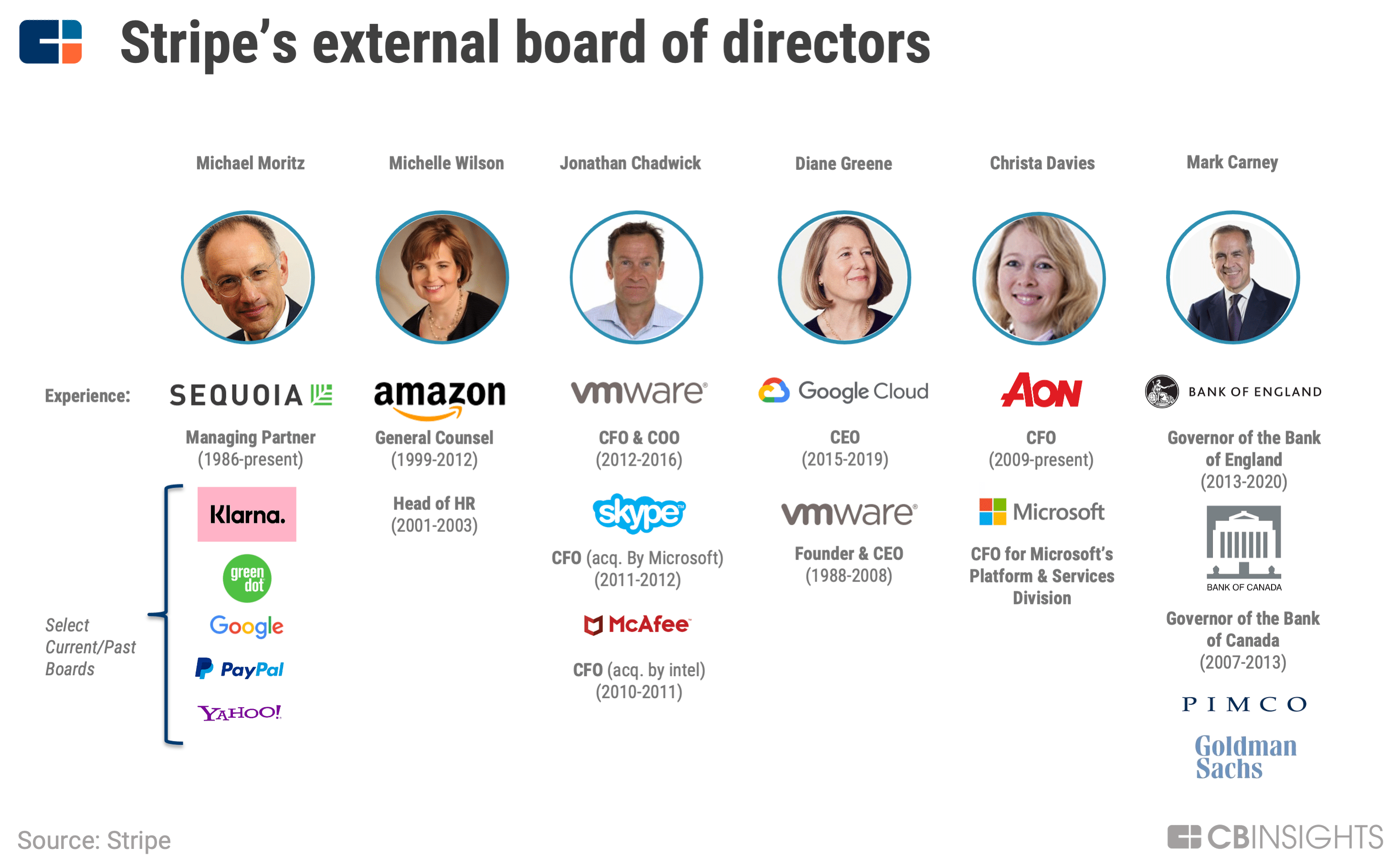
Prominent VC firms like Kleiner Perkins, General Catalyst, Fidelity, and Tiger Global have all made substantial investments in Stripe over the years. These firms raise capital from limited partners (such as pension funds, university endowments, and high-net-worth individuals) and strategically deploy it into promising private companies. Their investments in Stripe are not merely passive; they often come with board seats or advisory roles, allowing them to influence the company’s strategic direction and financial management. This layered investment strategy allowed Stripe to remain private for over a decade, giving it the flexibility to focus on long-term growth rather than short-term public market pressures. The sheer volume of capital raised — well over $2.2 billion according to public reports, with some estimates much higher — underscores the extensive involvement of these financial institutions in Stripe’s ownership.
Employee Stock Options and Equity: Broadening the Ownership Base
While founders and VCs hold the largest pieces of the pie, a significant and often underestimated portion of a successful private company’s ownership belongs to its employees. Stripe is no exception. To attract and retain top talent in a highly competitive tech market, companies like Stripe offer stock options or restricted stock units (RSUs) as part of their compensation packages.
These equity incentives grant employees the right to purchase company shares at a pre-determined price or receive shares outright, typically after a vesting period. As Stripe’s valuation has soared, these employee stock options have become incredibly valuable, turning many long-serving employees into millionaires on paper. This broadens the ownership base beyond a select few, aligning employee incentives with the company’s overall success. Employees, therefore, have a vested interest in Stripe’s growth and profitability, contributing to a more engaged and productive workforce. Should Stripe eventually go public, these options would typically convert into tradable shares, offering a significant liquidity event for thousands of individuals.
Strategic Investors and Corporate Partnerships

Beyond traditional venture capital, Stripe has also attracted investments from other types of strategic investors, including large institutional funds and occasionally corporate entities seeking to benefit from or align with Stripe’s technology. While less common than pure VC firms, these investors provide not just capital but often strategic partnerships that can open new markets or provide access to specific expertise. These investments can further diversify Stripe’s ownership and create deeper alliances within the broader financial and technology ecosystems. Details of such investors are often more opaque in private companies, but their participation indicates a comprehensive financial strategy designed to maximize growth and market penetration.
Valuation and the Path Forward: Implications for Ownership
Stripe’s ownership structure is intrinsically linked to its extraordinary valuation journey and its anticipated future milestones, particularly the perennial question of a public offering.
The Trajectory of Stripe’s Valuation
Stripe’s journey has been marked by a staggering increase in valuation, reflecting its rapid growth, market dominance, and future potential. From its initial seed rounds, which valued it in the millions, Stripe has seen its valuation climb steadily into the billions. At its peak, driven by the e-commerce boom during the pandemic, Stripe achieved a valuation of $95 billion in 2021, making it one of the most valuable private companies globally. While its valuation has seen some adjustments in subsequent private funding rounds amidst a broader tech downturn, it remains firmly in the elite tier of “decacorns” (companies valued at over $10 billion).
This trajectory has profound implications for its owners. For the Collison brothers, their equity stake has translated into immense personal wealth. For early investors like Sequoia and Andreessen Horowitz, their initial investments have multiplied many times over, validating their investment theses. The valuation growth also provides a clear metric for employees to understand the increasing value of their stock options, serving as a powerful motivator. A higher valuation implies a larger collective pie for all owners, but also dictates the price new investors must pay to acquire a stake.
Potential Public Offering (IPO) and Future Ownership Shifts
The question of when—not if—Stripe will go public has been a recurring theme in financial circles for years. An Initial Public Offering (IPO) represents a pivotal moment for any private company, fundamentally altering its ownership structure. When a company goes public, it lists its shares on a stock exchange, making them available for purchase by the general public, including individual retail investors and large institutional funds.
An IPO would allow early investors and employees to “cash out” some of their shares, providing liquidity for their long-held investments. It would also democratize ownership, allowing anyone to buy a piece of Stripe. While the Collison brothers and major VCs would likely retain significant stakes, their overall percentage of ownership would dilute as new shares are issued to the public. The prospect of an IPO also brings increased regulatory scrutiny, public reporting requirements, and a shift in focus towards quarterly earnings and shareholder value. Speculation around Stripe’s IPO cooled somewhat in the uncertain economic climate following its peak valuation, but it remains a highly anticipated event that will usher in a new era of public ownership and greater transparency regarding “who owns Stripe.”
Secondary Markets and Liquidity for Private Shares
While awaiting an IPO, some liquidity for private shares does exist through secondary markets. These markets allow existing shareholders (often early employees or even smaller VC firms) to sell their shares to other private investors before the company goes public. Platforms like Forge or SharesPost facilitate these transactions, providing an avenue for some owners to realize returns on their investment without a full IPO. This mechanism can slightly broaden the ownership base to a new set of private investors and offer some flexibility to those looking for earlier liquidity. However, such transactions are typically less transparent and accessible than public markets, remaining largely within a network of accredited investors.
Why “Who Owns Stripe?” Matters: Financial and Strategic Perspectives
Beyond mere curiosity, understanding Stripe’s ownership structure provides crucial insights into its operational dynamics and broader market influence.
Governance and Strategic Direction
The current ownership structure directly impacts Stripe’s governance and strategic direction. With the Collison brothers retaining significant control and major venture capital firms holding substantial stakes, the company’s long-term vision and key decisions are shaped by a relatively concentrated group of sophisticated financial players. This private structure has allowed Stripe to pursue ambitious, long-term projects without the immediate pressure of public market scrutiny and short-term earnings targets. It allows for strategic agility and bold investments in R&D or new market expansion that might be harder to justify in a quarterly reporting cycle. For investors, understanding this concentration of power is vital for assessing leadership stability and strategic consistency.
Investment Opportunities and Market Impact
For potential investors, the private ownership of Stripe means direct investment is currently limited to accredited investors participating in later funding rounds or secondary markets. However, the eventual IPO will unlock a significant investment opportunity for the broader public. Stripe’s robust financials and dominant market position make it a highly attractive prospect, especially for those seeking exposure to the booming fintech sector. Its impact extends beyond its direct services; Stripe has become a foundational piece of internet infrastructure, meaning its financial performance and strategic moves ripple across the entire digital economy, influencing everything from small business growth to large enterprise payment strategies.
Wealth Creation and Economic Impact
Finally, the story of “who owns Stripe” is one of monumental wealth creation. The founders have become billionaires, early employees have seen their equity transform into substantial assets, and venture capital firms and their limited partners have generated immense returns. This wealth creation is not confined to individual stakeholders; it fuels further innovation by providing capital to new startups, contributes to economic growth through investment and spending, and showcases the immense power of financial backing in transforming an idea into a global phenomenon. Stripe’s success story serves as a powerful testament to the potential returns in strategic business finance and investing in disruptive technologies.
In conclusion, “who owns Stripe” is a dynamic and evolving narrative. At its heart are the visionary Collison brothers, whose substantial ownership is complemented by a powerful syndicate of venture capital funds and a dedicated employee base holding valuable equity. As a private company, its ownership has been concentrated among sophisticated financial entities, allowing for focused, long-term growth. However, the potential for a future IPO hints at a dramatic shift towards broader public ownership, promising new opportunities for investors and further solidifying Stripe’s legacy as a true giant of the financial world.
aViewFromTheCave is a participant in the Amazon Services LLC Associates Program, an affiliate advertising program designed to provide a means for sites to earn advertising fees by advertising and linking to Amazon.com. Amazon, the Amazon logo, AmazonSupply, and the AmazonSupply logo are trademarks of Amazon.com, Inc. or its affiliates. As an Amazon Associate we earn affiliate commissions from qualifying purchases.