
Saving money from your salary is not merely an act of frugality; it’s a foundational pillar of financial independence, security, and future prosperity. In an economic landscape often characterized by fluctuating costs of living and unexpected expenses, developing a robust savings habit is more crucial than ever. For many, the idea of consistently setting aside a portion of their hard-earned income can seem daunting, especially after covering essential bills and everyday expenses. However, with the right strategies, discipline, and a clear understanding of personal finance principles, anyone can master the art of effective salary saving. This comprehensive guide will dissect the process into actionable steps, transforming the daunting task into an achievable and rewarding journey.

Understanding Your Financial Landscape
Before you can effectively save, you must first understand the terrain of your current financial situation. This initial assessment acts as your compass, guiding all subsequent decisions and strategies. Without a clear picture of your income, expenditures, and financial obligations, any saving efforts might be misdirected or unsustainable.
The Importance of a Budget
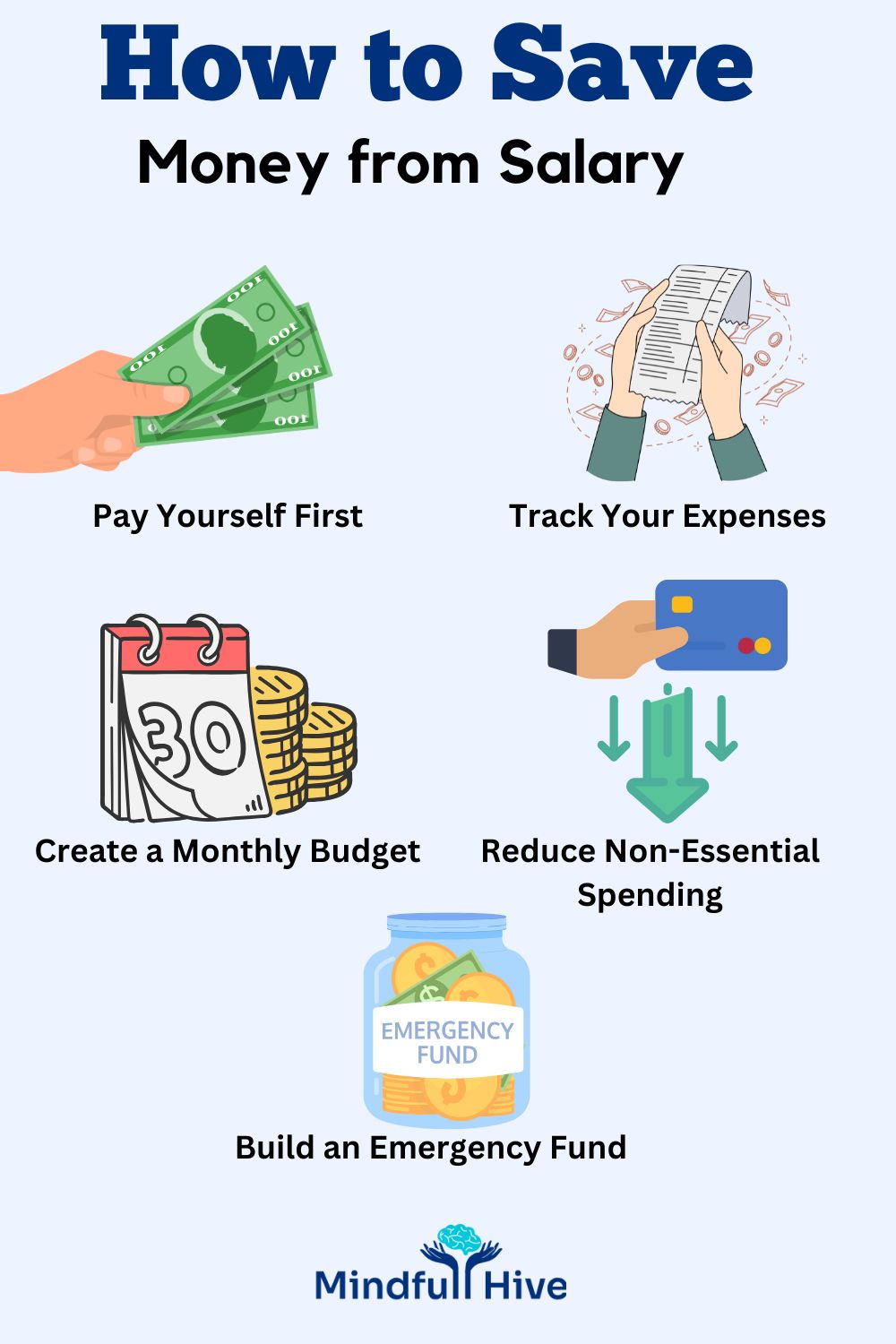
A budget is the bedrock of all personal finance. It’s not a restrictive tool designed to prevent you from enjoying life, but rather an empowering plan that allocates your financial resources purposefully. A well-constructed budget helps you visualize where every dollar comes from and where it goes, bringing clarity to your financial habits. It allows you to make conscious choices about your spending, aligning it with your financial goals rather than letting money slip away unnoticed. Start by categorizing your expenses into fixed costs (rent, loan payments, subscriptions) and variable costs (groceries, entertainment, dining out).
Tracking Your Income and Expenses
Knowing where your money goes is arguably the most critical step in initiating a savings plan. Many individuals are surprised to discover the cumulative impact of small, seemingly insignificant expenditures. Manual tracking via a spreadsheet, using dedicated budgeting apps, or simply reviewing bank statements regularly can reveal patterns and areas where spending might be excessive. This diligent tracking period, typically spanning a month or two, uncovers financial leaks and highlights opportunities for reallocation. It allows you to distinguish between necessary spending and discretionary spending, paving the way for informed decisions.
Differentiating Needs vs. Wants
A fundamental principle of effective budgeting and saving is the ability to discern between needs and wants. Needs are essential for survival and basic functioning – housing, food, utilities, transportation to work. Wants, on the other hand, are desirable but not strictly necessary – dining out, premium streaming services, expensive gadgets, designer clothing. While there’s nothing wrong with enjoying wants, recognizing them as such allows you to prioritize your spending. When budgeting, needs should always be addressed first, followed by savings, and then, if funds permit, wants. This distinction is vital for making conscious choices that support your savings goals.
Assessing Your Financial Goals
Saving without a purpose can feel directionless. What are you saving for? Is it an emergency fund to cover 3-6 months of living expenses? A down payment for a house? A child’s education? Retirement? A dream vacation? Clearly defined financial goals provide motivation and a target. Goals should be SMART: Specific, Measurable, Achievable, Relevant, and Time-bound. For instance, “Save $10,000 for a house down payment in 2 years” is a SMART goal that offers clarity and a timeline, making it easier to break down into monthly saving targets.
Developing a Robust Savings Strategy
Once you have a clear understanding of your financial situation and your goals, the next step is to implement concrete strategies that embed saving into your routine. These strategies transform intention into consistent action, making saving an integral part of your financial life.
The ‘Pay Yourself First’ Principle
This is perhaps the most powerful savings strategy. Instead of saving what’s left after all expenses, you allocate a portion of your salary to savings before paying any bills or discretionary spending. Treat your savings contribution as a non-negotiable expense, just like rent or mortgage payments. The most effective way to implement this is through automated transfers. Set up an automatic transfer from your checking account to a dedicated savings account (or investment account) for the day after your salary hits your account. This removes the temptation to spend the money and builds consistency.
Setting Realistic and Measurable Goals (SMART Goals)
As touched upon earlier, specific, measurable, achievable, relevant, and time-bound goals are critical for success. Break down large goals into smaller, manageable chunks. If your goal is to save $12,000 in a year, that translates to $1,000 per month. This smaller figure feels less daunting and provides a clear monthly target. Regularly reviewing your progress against these measurable goals keeps you motivated and allows for timely adjustments if you fall behind or exceed your targets.
The 50/30/20 Rule
A popular and highly effective budgeting framework is the 50/30/20 rule. It suggests allocating your after-tax income as follows:
- 50% to Needs: Essential expenses like housing, utilities, groceries, transportation, and minimum loan payments.
- 30% to Wants: Discretionary spending such as dining out, entertainment, hobbies, and shopping.
- 20% to Savings & Debt Repayment: This portion goes towards your emergency fund, retirement contributions, investments, and any debt payments beyond the minimum (like credit card debt).
This rule provides a balanced approach, ensuring you cover essentials, enjoy life, and still prioritize your financial future. It’s a flexible guideline that can be adjusted based on individual circumstances but offers an excellent starting point for those unsure how to allocate their income.
Building an Emergency Fund
An emergency fund is your financial safety net, designed to cover unexpected expenses like job loss, medical emergencies, or car repairs without resorting to high-interest debt. It should typically hold 3 to 6 months’ worth of essential living expenses. This fund should be kept in a separate, easily accessible, high-yield savings account, distinct from your regular checking account, to prevent accidental spending. Prioritizing the establishment and replenishment of your emergency fund provides immense peace of mind and is a non-negotiable step toward financial security.
Optimizing Your Spending Habits
Saving money isn’t just about earning more; it’s profoundly about spending smarter. Optimizing your spending habits involves a conscious effort to reduce unnecessary outlays and maximize the value of every dollar spent. This requires vigilance and a willingness to challenge established routines.

Cutting Unnecessary Expenses
After tracking your expenses, you’ll likely identify several areas where money is being spent without significant returns or enjoyment. Common culprits include unused subscriptions (gym memberships, streaming services), daily coffee purchases, frequent dining out, and impulse buys. Make a list of these discretionary expenses and critically assess their value. Can you cancel some subscriptions? Make coffee at home? Pack your lunch? Postpone non-essential purchases? Even small cuts, when consistent, can free up substantial funds for savings. Review these items periodically, perhaps quarterly, to ensure you’re not accumulating new “money leaks.”
Smart Shopping Strategies
Becoming a savvy shopper can significantly impact your monthly budget. This includes planning meals in advance to reduce food waste and impulsive grocery purchases, utilizing loyalty programs and coupons, buying in bulk for non-perishable items, and comparing prices across different retailers. For larger purchases, always research and wait for sales or discounts. Consider second-hand options for items like furniture, clothing, or even cars, which can offer significant savings without compromising quality. The goal is to get the most value for your money, not necessarily to deprive yourself.
Reducing Fixed Costs
While fixed costs like rent, mortgage payments, or car loans might seem immutable, there are often opportunities for reduction. This could involve refinancing loans at lower interest rates, negotiating insurance premiums, or reviewing utility providers for better deals. If you live in a high-cost area, evaluating whether a more affordable living situation is feasible (e.g., downsizing, moving to a cheaper neighborhood, or getting a roommate) can lead to substantial long-term savings. Even small reductions in fixed costs translate to consistent savings every single month.
Avoiding Debt and High-Interest Payments
High-interest debt, particularly credit card debt, is a severe impediment to saving. The interest accrues rapidly, making it difficult to pay off the principal and effectively consuming funds that could otherwise be saved. Prioritize paying off high-interest debt aggressively. If possible, consolidate debts into a lower-interest loan. Once debt-free, make a conscious effort to avoid accumulating new high-interest debt. Use credit cards responsibly, paying the full balance every month to avoid interest charges and leveraging rewards programs if applicable.
Leveraging Financial Tools and Automation
In the digital age, a myriad of tools and technological solutions exist to simplify and enhance your saving efforts. Leveraging these can automate consistency, provide insightful data, and even help your money grow more efficiently.
Utilizing Budgeting Apps and Software
Gone are the days when budgeting solely meant manual spreadsheets. Today, numerous budgeting apps (e.g., Mint, YNAB, Personal Capital, PocketGuard) can link directly to your bank accounts and credit cards, automatically categorizing transactions and providing real-time insights into your spending. These tools often feature customizable budgets, goal tracking, and visual reports that make understanding your financial health intuitive and engaging. They act as a powerful accountability partner, helping you stay on track with your saving goals.
Automating Transfers to Savings Accounts
As highlighted with the ‘Pay Yourself First’ principle, automation is key to consistent saving. Set up recurring transfers from your checking account to your dedicated savings or investment accounts to occur automatically on payday. This removes the need for manual action and the temptation to spend the money. Even small, regular transfers add up significantly over time thanks to consistency and compound interest. Many employers also offer direct deposit options where a portion of your salary can be automatically routed to a different account, making this process even smoother.
Exploring High-Yield Savings Accounts
Don’t let your emergency fund or short-term savings sit idly in a low-interest checking account. High-yield savings accounts (HYSAs), often offered by online banks, provide significantly better interest rates than traditional brick-and-mortar banks. While the returns might not be as high as investments, they offer a secure way for your savings to grow modestly without risk, helping to combat inflation and allowing your money to work harder for you. Ensure these accounts are FDIC-insured for protection.
Investment Platforms for Long-Term Growth
Once you’ve built a solid emergency fund and cleared high-interest debt, consider transitioning some of your regular savings into investment platforms for long-term growth. This could include retirement accounts like a 401(k) or IRA, which offer tax advantages, or taxable brokerage accounts for other long-term goals. Robo-advisors (e.g., Betterment, Wealthfront) provide automated investment management at lower fees, making investing accessible even for beginners. The goal here is to put your money to work, leveraging the power of compound interest for substantial wealth accumulation over decades.
Sustaining and Growing Your Savings
Saving money is not a one-time event; it’s an ongoing journey that requires continuous effort, adaptation, and an eye towards the future. Sustaining your saving habits and strategically growing your wealth ensures long-term financial security and freedom.
Regular Financial Reviews and Adjustments
Life is dynamic, and so should be your financial plan. Conduct regular financial reviews – monthly, quarterly, or annually – to assess your progress, adjust your budget, and refine your goals. Major life changes such as a new job, marriage, birth of a child, or significant expense will necessitate a reevaluation of your budget and savings targets. These reviews allow you to celebrate successes, identify areas for improvement, and ensure your financial plan remains aligned with your evolving circumstances and aspirations.
Increasing Income Streams
While optimizing spending is crucial, actively seeking to increase your income can dramatically accelerate your savings goals. This could involve negotiating a raise at your current job, pursuing promotions, acquiring new skills that command higher pay, or starting a side hustle. Explore opportunities to monetize hobbies, freelance in your area of expertise, or engage in the gig economy. Any additional income, even if small, can be directly channeled into savings or debt repayment, boosting your financial progress significantly.
The Power of Compound Interest
Understanding and leveraging compound interest is fundamental to long-term wealth building. Compound interest means earning interest not only on your initial principal but also on the accumulated interest from previous periods. Over time, this snowball effect can be incredibly powerful. The sooner you start saving and investing, the more time compound interest has to work its magic. Even modest regular contributions, when compounded over decades, can grow into substantial sums, making time your most valuable asset in the savings journey.
Staying Disciplined and Patient
Saving money is a marathon, not a sprint. There will be times when you feel discouraged, encounter unexpected setbacks, or are tempted to stray from your plan. The key is to stay disciplined and patient. Celebrate small victories, learn from setbacks without dwelling on them, and remind yourself of your long-term financial goals. Financial freedom is a journey built on consistent, disciplined action over time. It requires resilience and a commitment to your future self.
In conclusion, saving money from your salary is an attainable goal for everyone, regardless of their current income level. It begins with understanding your financial landscape, developing a robust strategy, optimizing your spending, leveraging modern tools, and committing to long-term discipline. By integrating these principles into your financial life, you not only build a safety net but also pave the way for true financial independence, allowing you to achieve your most ambitious life goals. The journey may require effort, but the rewards of security, freedom, and peace of mind are immeasurable.
aViewFromTheCave is a participant in the Amazon Services LLC Associates Program, an affiliate advertising program designed to provide a means for sites to earn advertising fees by advertising and linking to Amazon.com. Amazon, the Amazon logo, AmazonSupply, and the AmazonSupply logo are trademarks of Amazon.com, Inc. or its affiliates. As an Amazon Associate we earn affiliate commissions from qualifying purchases.