
The question “how should I invest my money?” is one of the most fundamental and empowering inquiries an individual can make about their financial future. It signals a readiness to move beyond mere saving and actively participate in wealth creation. In an economic landscape characterized by constant change, understanding the principles and practicalities of investing is no longer a luxury but a necessity for achieving long-term financial security and independence.
Investing, at its core, is the act of allocating capital with the expectation of generating a return. It’s about putting your money to work for you, allowing it to grow over time, often outpacing inflation and significantly contributing to your financial goals. However, the vast array of options, coupled with market complexities, can make the initial steps daunting. This guide aims to demystify the investment process, providing a structured approach to building a robust and personalized investment strategy.
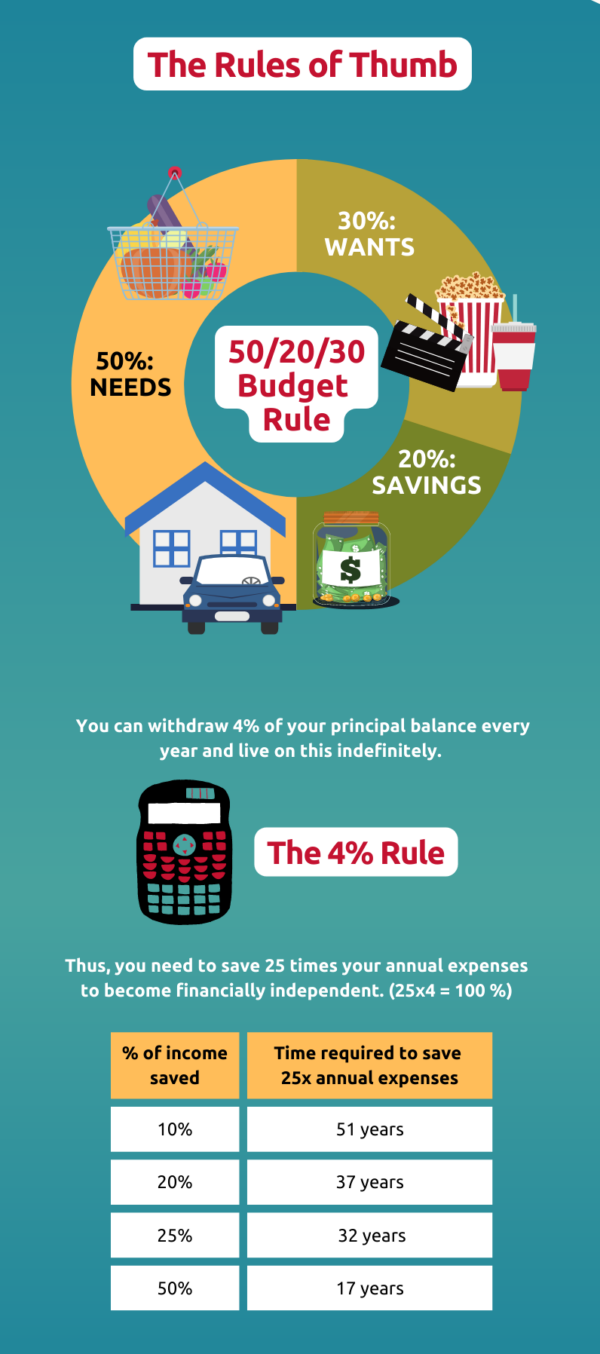
Understanding Your Investment Foundation
Before you even consider specific investment vehicles, it’s crucial to lay a solid foundation. This involves a clear-eyed assessment of your personal financial situation, goals, and psychological comfort with risk. Skipping this foundational step is akin to building a house without a blueprint – it might stand for a while, but it’s prone to instability.
Assessing Your Financial Goals and Timeline
What exactly are you investing for? The answer to this question profoundly influences your investment strategy. Are you saving for a down payment on a house in five years? Funding a child’s college education in fifteen years? Or perhaps building a retirement nest egg that you won’t touch for several decades?
- Short-term goals (under 5 years): For goals with a short timeline, capital preservation and liquidity are paramount. You might opt for less volatile investments like high-yield savings accounts, money market accounts, or short-term certificates of deposit (CDs). The risk of market downturns impacting your ability to reach these goals is too high for aggressive investing.
- Medium-term goals (5-15 years): Here, you can afford to take on a moderate amount of risk. A balanced portfolio with a mix of stocks and bonds could be appropriate, aiming for growth while still providing some stability.
- Long-term goals (15+ years): This is where the power of compounding truly shines. With a long horizon, you can typically withstand greater market fluctuations and should consider a more growth-oriented portfolio, often heavier in equities, as market downturns have ample time to recover.
Clearly defining your goals and their respective timelines provides the necessary framework for selecting appropriate investment strategies and assets.
Determining Your Risk Tolerance
Risk tolerance is your psychological comfort level with potential losses in exchange for potential gains. It’s a deeply personal metric, influenced by your personality, financial stability, and past experiences. Understanding it is critical because investing outside your comfort zone can lead to panic selling during market downturns, locking in losses and derailing your long-term plans.
- Conservative Investor: Prioritizes capital preservation, accepting lower returns for greater stability. Prefers investments like bonds, CDs, and cash equivalents.
- Moderate Investor: Seeks a balance between growth and stability. Comfortable with some market fluctuations, often holding a diversified portfolio of stocks and bonds.
- Aggressive Investor: Willing to take on significant risk for potentially higher returns. Comfortable with substantial market volatility and often invests heavily in stocks, emerging markets, or specialized funds.
Be honest with yourself. While an aggressive approach might promise higher returns, if you can’t sleep at night during a market dip, it’s not the right strategy for you. Your true risk tolerance is often revealed during downturns, not bull markets.
Building an Emergency Fund First
Before deploying significant capital into investments, ensure you have a robust emergency fund. This is a crucial safety net, typically 3-6 months’ worth of essential living expenses, held in an easily accessible, liquid account like a high-yield savings account.
An emergency fund prevents you from having to sell investments at an inopportune time (e.g., during a market downturn) to cover unexpected expenses like job loss, medical emergencies, or car repairs. It acts as a financial buffer, insulating your long-term investment strategy from short-term financial shocks. Investing without an emergency fund is like driving without a spare tire – you might be fine for a while, but a flat could leave you stranded.
Exploring Common Investment Vehicles
Once your financial foundation is solid, you can start to explore the various avenues available for investing your money. Each vehicle comes with its own risk-return profile, liquidity, and tax implications. A well-diversified portfolio typically incorporates several of these.
Stocks and Exchange-Traded Funds (ETFs): Growth Potential
- Stocks: Represent ownership shares in a company. When you buy a stock, you become a part-owner, and your investment’s value fluctuates with the company’s performance, industry trends, and overall market sentiment. Stocks offer the highest potential for long-term growth but also come with the highest volatility.
- ETFs: Are funds that hold a collection of assets (like stocks, bonds, or commodities) and trade on stock exchanges like individual stocks. They offer instant diversification, often at a low cost, allowing investors to gain exposure to broad market indices (like the S&P 500) or specific sectors with a single investment. ETFs are a popular choice for their flexibility, transparency, and tax efficiency.
Bonds: Stability and Income
Bonds are essentially loans made to governments or corporations. When you buy a bond, you are lending money to the issuer, who promises to pay you back the principal amount (face value) on a specific maturity date, along with regular interest payments (coupons) along the way.
Bonds are generally considered less volatile than stocks and often provide a steady stream of income. They play a crucial role in a diversified portfolio by providing stability, especially during periods of stock market downturns, and can act as a counterbalance to higher-risk assets. However, their returns are typically lower than stocks, and they carry interest rate risk (their value can fall if interest rates rise) and credit risk (the issuer might default).
Mutual Funds: Diversification Made Easy
Mutual funds are professionally managed investment funds that pool money from many investors to purchase a diversified portfolio of securities (stocks, bonds, money market instruments, etc.). When you invest in a mutual fund, you buy shares of the fund, which represents your proportionate ownership of the fund’s underlying assets.
Mutual funds offer several advantages: professional management, instant diversification across numerous holdings, and convenience. They come in various forms (equity funds, bond funds, balanced funds, index funds) to suit different investment objectives. However, they typically charge management fees (expense ratios), and some have sales charges (loads). Index funds, a type of mutual fund or ETF, are particularly popular for their low fees and passive approach, aiming to simply track a specific market index.
Real Estate: Tangible Assets
Investing in real estate can take several forms, from directly owning rental properties or commercial buildings to investing in Real Estate Investment Trusts (REITs).
- Direct Ownership: Offers potential for rental income, property value appreciation, and tax benefits, but requires significant capital, management effort, and can be illiquid.
- REITs: Are companies that own, operate, or finance income-producing real estate. They allow investors to invest in large-scale portfolios of real estate in the same way they invest in other industries – through the purchase of shares. REITs offer diversification, liquidity (as they trade on exchanges), and often high dividend yields, without the headaches of direct property management.
Retirement Accounts: Tax-Advantaged Growth
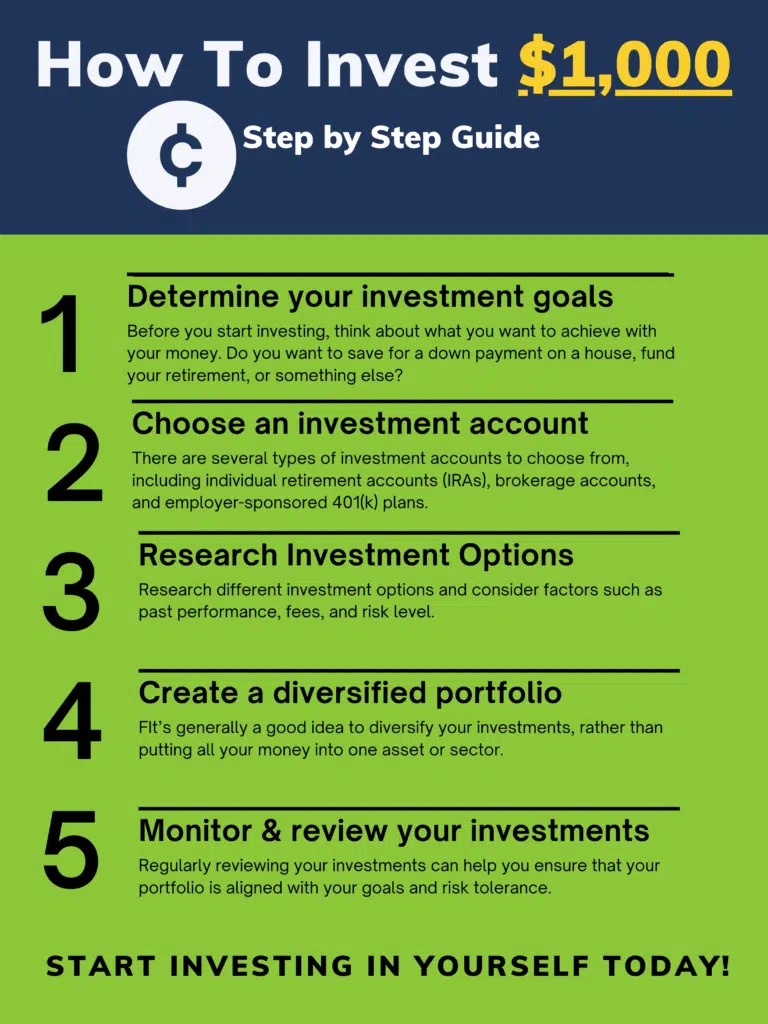
One of the smartest ways to invest your money is through tax-advantaged retirement accounts. These accounts offer significant tax benefits that can accelerate your wealth accumulation.
- 401(k) / 403(b): Employer-sponsored plans where contributions are often pre-tax, reducing your current taxable income. Earnings grow tax-deferred until retirement, and many employers offer matching contributions, which is essentially “free money.”
- Traditional IRA: Contributions may be tax-deductible, and earnings grow tax-deferred. Withdrawals in retirement are taxed as ordinary income.
- Roth IRA: Contributions are made with after-tax money, meaning they are not tax-deductible. However, qualified withdrawals in retirement are completely tax-free, including all earnings. This is particularly attractive for those who expect to be in a higher tax bracket in retirement.
- SEP IRA / Solo 401(k): Designed for self-employed individuals and small business owners, offering higher contribution limits than traditional IRAs.
Maximizing contributions to these accounts, especially to receive employer matches, should be a cornerstone of any long-term investment strategy.
Crafting Your Personalized Investment Strategy
With a strong foundation and an understanding of the available vehicles, the next step is to synthesize this knowledge into a cohesive investment strategy tailored to your needs. This isn’t a one-time decision but an ongoing process of monitoring and adjustment.
Asset Allocation: The Diversification Imperative
Asset allocation is the process of dividing your investment portfolio among different asset categories, such as stocks, bonds, and cash equivalents. It is widely considered the most important determinant of long-term investment returns and risk. The goal is to create a diversified portfolio that minimizes risk while maximizing returns for your given risk tolerance and time horizon.
- Strategic Asset Allocation: Involves setting target percentages for various asset classes and then periodically rebalancing the portfolio to maintain those percentages. For example, a young investor might opt for an 80% stock / 20% bond allocation, while someone nearing retirement might choose 40% stock / 60% bond.
- Diversification across asset classes, geographies, and sectors: Don’t put all your eggs in one basket. Diversifying across different types of investments, industries, company sizes, and even countries helps to mitigate specific risks. If one sector performs poorly, others might perform well, cushioning the overall impact on your portfolio.
Dollar-Cost Averaging: Smoothing Out Volatility
Dollar-cost averaging (DCA) is an investment strategy where you invest a fixed amount of money at regular intervals (e.g., monthly or bi-weekly), regardless of the asset’s price.
The beauty of DCA is that it removes the emotional element of trying to “time the market.” When prices are high, your fixed investment buys fewer shares; when prices are low, it buys more shares. Over time, this strategy helps to average out your purchase price, potentially reducing the overall risk of investing a large sum at a market peak and often leading to better long-term returns than trying to guess market movements. It’s particularly effective for long-term investors contributing regularly to retirement accounts or mutual funds.
Rebalancing Your Portfolio
Over time, your initial asset allocation will drift as different investments perform unevenly. Rebalancing is the process of adjusting your portfolio back to your target asset allocation. This typically involves selling some of the assets that have grown to exceed their target percentage and using that money to buy assets that have fallen below their target.
Rebalancing serves a critical purpose: it forces you to sell high and buy low, and it ensures your portfolio’s risk level remains consistent with your risk tolerance. Most investors rebalance annually or semi-annually, or when an asset class deviates significantly (e.g., by 5-10%) from its target weight.
Robo-Advisors vs. Human Financial Planners
Depending on your needs and budget, you have options for professional guidance:
- Robo-Advisors: These are digital platforms that use algorithms to provide automated, low-cost investment management. You typically answer a questionnaire about your goals and risk tolerance, and the robo-advisor constructs and manages a diversified portfolio for you, often employing ETFs and rebalancing automatically. They are excellent for new investors, those with smaller portfolios, or individuals seeking a hands-off, cost-effective solution.
- Human Financial Planners: A traditional financial advisor offers personalized advice, comprehensive financial planning (including budgeting, tax planning, estate planning, and insurance), and a human touch. They are often better suited for individuals with complex financial situations, large portfolios, or those who prefer in-depth, one-on-one guidance. However, their fees are generally higher, either as a percentage of assets under management (AUM) or on an hourly/retainer basis.
The choice depends on your personal preferences, the complexity of your financial situation, and how much hands-on involvement you desire.
Essential Principles for Long-Term Investing Success
While strategies and vehicles are important, adhering to a few timeless principles will largely determine your success as an investor. These are the bedrock upon which lasting wealth is built.
Start Early and Be Consistent
The single most powerful factor in long-term investing is time, thanks to the magic of compounding. Compounding is the process where your investment returns generate their own returns, creating an exponential growth effect. The earlier you start, the more time your money has to compound, and even small, consistent contributions can grow into substantial sums over decades.
Embrace Diversification
As mentioned earlier, diversification is non-negotiable. It’s not about finding the “best” single investment, but about owning a variety of assets that behave differently under various market conditions. True diversification extends beyond just different stocks and bonds to include various industries, market capitalizations (large-cap, mid-cap, small-cap), geographies, and even asset classes like real estate or commodities (if appropriate).
Minimize Fees
Fees, even seemingly small ones, can significantly erode your returns over time. High expense ratios on mutual funds, excessive trading commissions, or hefty advisory fees can eat into your profits, especially when compounded over decades. Opt for low-cost index funds, ETFs, and look for advisors with transparent and reasonable fee structures. Every percentage point saved in fees is a percentage point more in your pocket.
Stay Informed, But Avoid Overreacting
It’s wise to stay generally informed about economic news and market trends, but resist the urge to constantly tinker with your portfolio based on daily headlines or emotional reactions. The market is inherently volatile, and short-term fluctuations are normal. Panicking and selling during a downturn, or chasing hot stocks during a bull run, are common mistakes that often lead to underperformance. Focus on your long-term plan.

The Power of Compounding
Reiterating this crucial concept: compounding is your greatest ally. Einstein reputedly called it the eighth wonder of the world. It means that your earnings from investments are reinvested and start earning money themselves. Over extended periods, even modest returns on your initial capital, combined with consistent contributions, can snowball into significant wealth. This emphasizes the importance of consistent investing and a long-term perspective, allowing time for your money to truly multiply.
Investing your money effectively is a journey, not a destination. It requires diligence, patience, and a willingness to learn. By understanding your goals, managing your risk, diversifying intelligently, and adhering to sound principles, you can confidently navigate the investment landscape and build a financial future that aligns with your aspirations. Remember, the best time to start investing was yesterday; the second-best time is today.
aViewFromTheCave is a participant in the Amazon Services LLC Associates Program, an affiliate advertising program designed to provide a means for sites to earn advertising fees by advertising and linking to Amazon.com. Amazon, the Amazon logo, AmazonSupply, and the AmazonSupply logo are trademarks of Amazon.com, Inc. or its affiliates. As an Amazon Associate we earn affiliate commissions from qualifying purchases.