
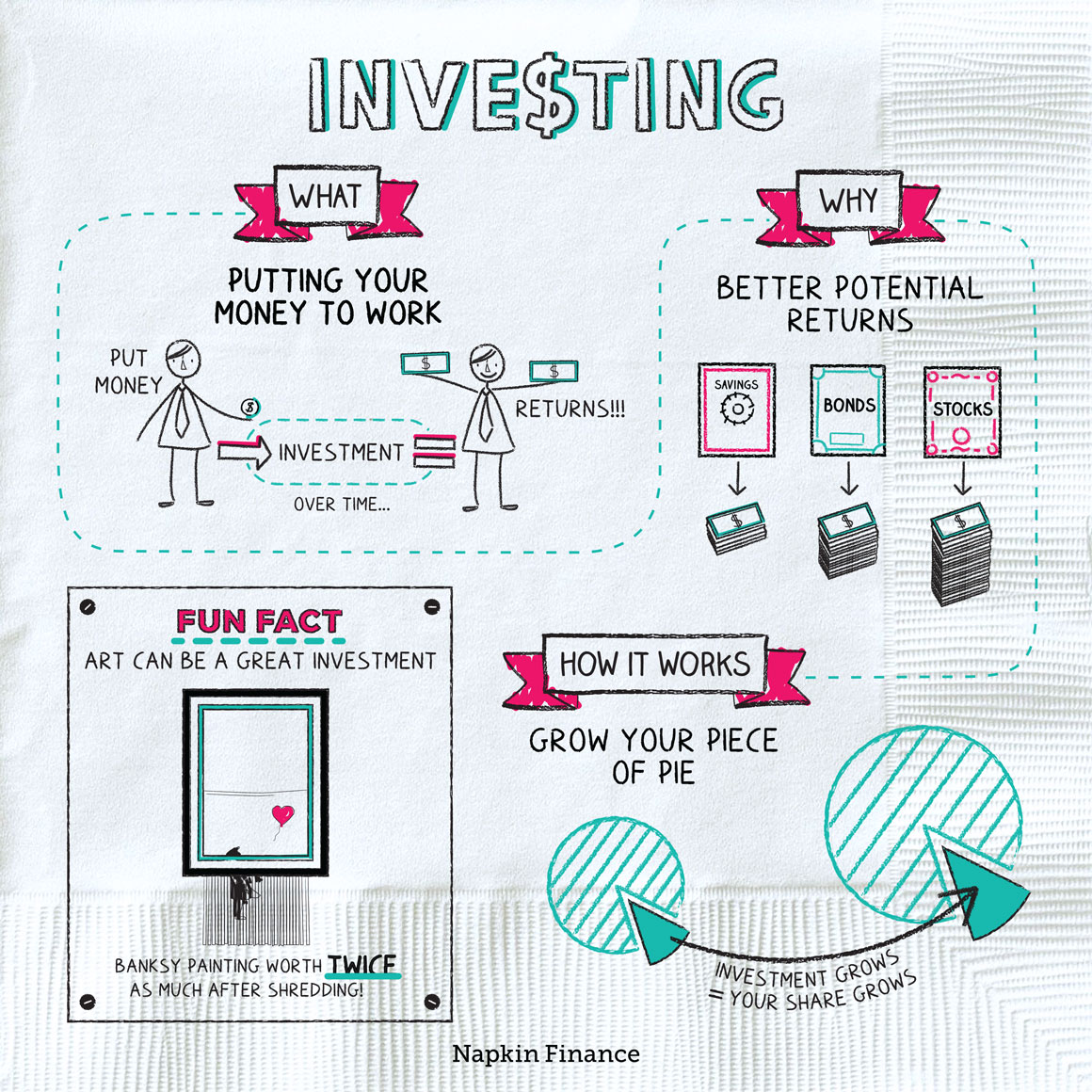
Embarking on the journey of investing can seem daunting, a complex labyrinth of jargon, endless options, and conflicting advice. Yet, in an era where the cost of living consistently outpaces static income, understanding how to make your money work for you is no longer a luxury but a fundamental necessity for financial security and wealth accumulation. Investing isn’t just for the wealthy or finance professionals; it’s a powerful tool available to everyone, regardless of their starting capital, provided they approach it with knowledge, discipline, and a clear strategy.
This guide aims to demystify the investment process, offering a clear roadmap for anyone asking, “How do I invest money?” We’ll explore the foundational steps, various investment vehicles, strategies to build a robust portfolio, and essential principles to navigate the market with confidence. The goal is not just to tell you what to do, but to empower you with the understanding of why certain approaches are effective, fostering a long-term mindset that paves the way for financial independence.
Laying the Foundation: Before You Invest
Before you even think about buying your first stock or fund, it’s crucial to establish a solid financial bedrock. Rushing into investments without this foundation can lead to unnecessary risk and undermine your long-term financial health. Think of it as preparing the soil before planting seeds; the healthier the soil, the better the harvest.
Define Your Financial Goals
Investing without a clear purpose is like sailing without a destination. What are you saving and investing for? Your goals will dictate your investment horizon, risk tolerance, and asset allocation.
- Short-term goals (under 5 years): A down payment on a house, a new car, a significant vacation. For these, liquidity and capital preservation are key, suggesting lower-risk investments.
- Medium-term goals (5-10 years): Funding a child’s education, a significant home renovation, early retirement planning. A balanced approach with moderate risk might be suitable.
- Long-term goals (10+ years): Retirement, significant wealth building. Here, you can generally afford to take on more risk for potentially higher returns, leveraging the power of compounding over time.
Clearly defining these goals, assigning specific amounts, and setting timelines provides the motivation and framework for your investment decisions.
Assess Your Risk Tolerance
Risk tolerance is your psychological comfort level with the potential for your investments to lose value. It’s not about how much money you can afford to lose, but how much fluctuation you can mentally and emotionally handle. Are you comfortable with significant market swings for the potential of higher returns, or do you prefer a smoother, albeit potentially slower, growth trajectory?
Factors influencing risk tolerance include:
- Time horizon: Longer horizons generally allow for higher risk as there’s more time to recover from downturns.
- Income stability: A stable job provides more comfort in weathering market volatility.
- Personality: Some people are naturally more risk-averse than others.
Understanding your risk tolerance is paramount. An investment strategy that is misaligned with your comfort level will lead to anxiety, rash decisions during market downturns, and ultimately, poor returns. Many online questionnaires can help you gauge this, but ultimately, it’s a self-assessment that requires honesty.
Build an Emergency Fund
This is perhaps the most critical step before investing. An emergency fund is a readily accessible pool of money, typically held in a high-yield savings account, sufficient to cover 3 to 6 months (or even 12 months for greater security) of essential living expenses. Its purpose is to act as a financial safety net for unexpected events like job loss, medical emergencies, or significant home repairs. Without an emergency fund, you might be forced to liquidate your investments prematurely during a market downturn, locking in losses, or incur high-interest debt, undoing your financial progress. Think of it as your personal financial airbag.
Pay Down High-Interest Debt
Debt, especially high-interest consumer debt like credit card balances or personal loans, can act as a significant drag on your financial progress. The interest rates on such debts often far exceed any reasonable returns you might expect from even the best investments. Paying off a credit card balance with a 20% annual interest rate is, in essence, a guaranteed 20% return on your money – a return you won’t find reliably in the investment world. Prioritize paying down these “bad” debts before funneling significant amounts into investments. Student loans and mortgages, which often carry lower interest rates and can offer tax benefits, may be managed differently.
Understanding Investment Avenues
Once your financial foundation is solid, you can explore the various vehicles available to grow your wealth. The investment world offers a spectrum of options, each with its own risk-reward profile and characteristics. A diversified portfolio will often include a mix of these.
Stocks: Ownership in Companies
When you buy a stock, you’re purchasing a small ownership share in a company.
- Individual Stocks: Investing in individual company stocks offers the potential for significant gains if the company performs well, but also carries substantial risk. A single company’s fortunes can turn quickly due to competitive pressures, regulatory changes, or management missteps. This approach requires considerable research and monitoring.
- Index Funds and ETFs (Exchange Traded Funds): For most individual investors, diversified options like index funds or ETFs are often a superior choice.
- Index Funds: These are mutual funds or ETFs designed to track a specific market index, such as the S&P 500 (representing 500 of the largest U.S. companies) or a total stock market index. By investing in an index fund, you gain exposure to hundreds or thousands of companies, instantly diversifying your holdings. This “buy the market” approach is passive, low-cost, and historically has delivered strong returns over the long term.
- ETFs: Similar to index funds, ETFs are collections of stocks, bonds, or other assets that trade on exchanges like individual stocks. They offer diversification, often lower expense ratios than traditional mutual funds, and flexibility as they can be bought and sold throughout the trading day. They are often structured to track an index, a specific sector, or a commodity.
Bonds: Lending to Governments and Corporations
Bonds represent a loan you make to a government or a corporation. In return for your loan, the issuer promises to pay you regular interest payments over a set period and return your principal at maturity.
- Government Bonds (Treasuries): Issued by national governments (like U.S. Treasury bonds), these are generally considered among the safest investments, especially in the home currency, because they are backed by the “full faith and credit” of the government. They offer lower returns but provide stability and capital preservation.
- Corporate Bonds: Issued by companies, these typically offer higher interest rates than government bonds to compensate investors for the increased risk of default. The creditworthiness of the issuing company determines the risk level.
Bonds play a crucial role in a diversified portfolio by providing stability, generating income, and often acting as a hedge against stock market volatility.
Mutual Funds: Professionally Managed Portfolios
A mutual fund is a professionally managed investment fund that pools money from many investors to purchase securities like stocks, bonds, and other assets.
- Actively Managed Funds: These funds have a fund manager who actively buys and sells securities with the goal of outperforming a specific market index. While some may succeed for a time, consistent outperformance is rare, and they typically come with higher fees.
- Passively Managed Funds (Index Funds): As mentioned, these funds aim to replicate the performance of a market index and usually have lower fees due to minimal active management.
Mutual funds offer diversification and professional management, making them a popular choice for many investors, particularly those just starting.
Real Estate: Tangible Assets
Investing in real estate can involve direct ownership of properties (residential, commercial) or indirect investment through financial instruments.
- Direct Ownership: Buying a rental property can generate income and appreciate in value, but it requires significant capital, active management (landlord duties), and carries risks like vacancies and maintenance costs.
- REITs (Real Estate Investment Trusts): For a more liquid and diversified approach to real estate, REITs are companies that own, operate, or finance income-generating real estate. They trade on stock exchanges like stocks, allowing investors to gain exposure to real estate without direct property ownership.
Other Assets
While the above constitute the core of most investment portfolios, other assets exist:
- Commodities: Raw materials like gold, oil, or agricultural products. These can be volatile and are often used as inflation hedges or for diversification.
- Cryptocurrencies: Digital assets like Bitcoin and Ethereum. These are highly speculative, extremely volatile, and carry significant risk. While they’ve seen explosive growth, they are not suitable for most investors’ core portfolios and should only be considered with money you can afford to lose entirely.
Crafting Your Investment Strategy
Having understood the available investment avenues, the next step is to combine them into a coherent strategy that aligns with your goals and risk tolerance. This isn’t a one-time decision but an ongoing process of construction and refinement.

Diversification: Don’t Put All Your Eggs in One Basket
This age-old adage is the cornerstone of intelligent investing. Diversification means spreading your investments across various asset classes (stocks, bonds, real estate), industries, geographies, and even investment styles. The goal is to reduce overall portfolio risk because it’s unlikely that all assets will perform poorly simultaneously. When one sector or asset class is down, another might be up, smoothing out returns and protecting your capital. A well-diversified portfolio is robust enough to weather market storms without being overly reliant on any single component.
Dollar-Cost Averaging: Investing Regularly
Dollar-cost averaging is a strategy where you invest a fixed amount of money at regular intervals (e.g., $100 every month), regardless of the asset’s price. This approach offers several benefits:
- Mitigates Market Timing Risk: Instead of trying to guess the market’s highs and lows (a notoriously difficult task), you simply commit to a schedule.
- Buys More When Prices Are Low: When prices are down, your fixed investment buys more shares; when prices are high, it buys fewer. Over time, this averages out your purchase price.
- Promotes Discipline: It instills a consistent savings and investment habit, which is crucial for long-term wealth building. This strategy is particularly effective for long-term investors contributing to retirement accounts or other ongoing savings plans.
Long-Term Horizon: Patience is Key
The most powerful force in investing is compound interest, where your earnings begin to earn their own earnings. This exponential growth truly blossoms over long periods. Short-term market fluctuations are often noise; significant wealth is built by staying invested for decades, allowing your capital to compound. Trying to time the market by frequently buying and selling based on short-term news often leads to underperformance due to transaction costs and missing out on the market’s best days. Embrace patience, focus on the long game, and let compounding do its magic.
Rebalancing Your Portfolio
Over time, different assets in your portfolio will grow at varying rates, causing your initial asset allocation to drift. For example, if stocks have a strong bull run, they might end up representing a larger percentage of your portfolio than you originally intended. Rebalancing involves periodically adjusting your portfolio back to your target asset allocation. This typically means selling some of the assets that have performed well (and are now overweight) and buying more of the assets that have underperformed (and are now underweight).
Rebalancing is a disciplined way to:
- Control Risk: It ensures your risk exposure remains aligned with your tolerance.
- “Buy Low, Sell High”: In essence, you are systematically taking profits from winners and investing in assets that are relatively cheaper.
Most investors rebalance annually or semi-annually, or when a specific asset class deviates by a certain percentage from its target.
Choosing the Right Investment Platforms and Accounts
Once you know what to invest in and how, you need to decide where to invest. The choice of investment accounts and platforms is critical, impacting convenience, costs, and especially tax efficiency.
Brokerage Accounts
These are accounts opened with financial institutions that allow you to buy and sell various investment products.
- Traditional Brokerages: Companies like Fidelity, Charles Schwab, and Vanguard offer a wide range of investment options, research tools, and often educational resources. They can be full-service (with human advisors) or discount (DIY investing).
- Robo-Advisors: Platforms like Betterment and Wealthfront use algorithms to automatically manage your investments based on your goals and risk tolerance. They are typically low-cost, easy to set up, and ideal for hands-off investors or those just starting. They often provide automated rebalancing and tax-loss harvesting.
Retirement Accounts
These are specifically designed to help you save for retirement, offering significant tax advantages.
- 401(k) / 403(b): Employer-sponsored plans where you contribute a portion of your pre-tax salary. Contributions and earnings grow tax-deferred until retirement. Many employers offer a matching contribution, which is essentially free money and should always be taken advantage of.
- IRA (Individual Retirement Account):
- Traditional IRA: Contributions may be tax-deductible, and earnings grow tax-deferred. You pay taxes upon withdrawal in retirement.
- Roth IRA: Contributions are made with after-tax money, meaning they are not tax-deductible. However, qualified withdrawals in retirement are entirely tax-free. This is often preferred if you expect to be in a higher tax bracket in retirement.
- SEP IRA / Solo 401(k): Designed for self-employed individuals and small business owners, these accounts allow for much higher contribution limits than traditional IRAs.
Taxable vs. Tax-Advantaged Accounts
Understanding the difference is key to optimizing your returns.
- Tax-Advantaged Accounts (e.g., 401(k), IRA): These accounts offer tax breaks (either on contributions or withdrawals, or both) but come with restrictions, such as limits on contributions and penalties for early withdrawals. They are typically your first priority for long-term investing.
- Taxable Accounts (e.g., standard brokerage accounts): These offer no special tax benefits, and you’ll pay taxes on capital gains and dividends annually or when you sell investments. They offer maximum flexibility as there are no withdrawal restrictions, making them suitable for non-retirement goals or for investing beyond retirement account limits.
Essential Investment Principles and Common Pitfalls
Investing is as much about psychology and discipline as it is about strategy. Adhering to fundamental principles and avoiding common errors will significantly improve your chances of long-term success.
The Power of Compounding
Often referred to as the “eighth wonder of the world,” compounding is the process by which the returns on your investments generate their own returns. The earlier you start investing, the more time compounding has to work its magic. Even small, consistent contributions made early in life can grow into substantial sums over decades, thanks to this exponential growth. This principle underscores the importance of starting to invest as soon as possible.
Stay Informed, Not Obsessed
It’s crucial to understand the basics of the financial markets and your investments. However, constantly checking market fluctuations or reacting to every news headline can lead to emotional decisions. The market is inherently volatile in the short term, and over-monitoring can induce anxiety. Focus on the long-term fundamentals of your investments and your overall financial plan, rather than getting caught up in daily noise.
Beware of Get-Rich-Quick Schemes
If an investment promises unusually high returns with little to no risk, it’s almost certainly a scam or an extremely high-risk venture. Sustainable wealth building takes time, patience, and realistic expectations. Avoid “hot tips” or investments that sound too good to be true; they almost always are. Stick to established investment principles and reputable institutions.
Regular Review and Adjustment
Your financial life is dynamic. Life events like marriage, children, career changes, or significant purchases will necessitate revisiting and potentially adjusting your investment strategy. Periodically (e.g., annually) review your financial goals, risk tolerance, portfolio performance, and asset allocation. Ensure your investments remain aligned with your evolving circumstances. This doesn’t mean constant tinkering, but rather a periodic, thoughtful assessment.
Seek Professional Advice When Needed
While this guide provides a solid starting point, there may come a time when your financial situation becomes complex, or you simply prefer professional guidance. A qualified financial advisor can help you develop a personalized investment plan, navigate complex tax situations, or provide emotional support during market downturns. Look for fiduciaries, advisors legally bound to act in your best interest.

Conclusion
The question “How do I invest money?” opens the door to a journey of financial empowerment and long-term security. While it may seem intricate at first, breaking it down into manageable steps reveals a clear path forward. Start by building a strong financial foundation with an emergency fund and by tackling high-interest debt. Then, define your goals, understand your risk tolerance, and choose investment vehicles that align with your objectives. Embrace diversification, dollar-cost averaging, and a long-term perspective to build a resilient portfolio.
Remember, investing is a marathon, not a sprint. It requires discipline, patience, and a commitment to continuous learning. Start small, stay consistent, and allow the power of compounding to work its magic over time. The greatest investment you can make is in your own financial education, empowering you to take control of your future and achieve the financial independence you aspire to. The best time to start investing was yesterday; the second best time is today.
aViewFromTheCave is a participant in the Amazon Services LLC Associates Program, an affiliate advertising program designed to provide a means for sites to earn advertising fees by advertising and linking to Amazon.com. Amazon, the Amazon logo, AmazonSupply, and the AmazonSupply logo are trademarks of Amazon.com, Inc. or its affiliates. As an Amazon Associate we earn affiliate commissions from qualifying purchases.