
In an increasingly unpredictable world, the act of saving money transcends mere financial prudence; it is a cornerstone of personal security, a catalyst for achieving aspirations, and a fundamental driver of overall well-being. For many, the concept of saving might seem daunting, an arduous task reserved for the financially savvy or the exceptionally disciplined. However, understanding the profound and multifaceted importance of saving money reveals it to be an accessible, empowering practice that can fundamentally transform one’s life. It’s not just about accumulating wealth; it’s about building resilience, creating opportunities, and cultivating a future free from the constraints of financial stress. This article delves into the critical reasons why saving money should be a priority for everyone, exploring its role in securing today and enabling tomorrow.
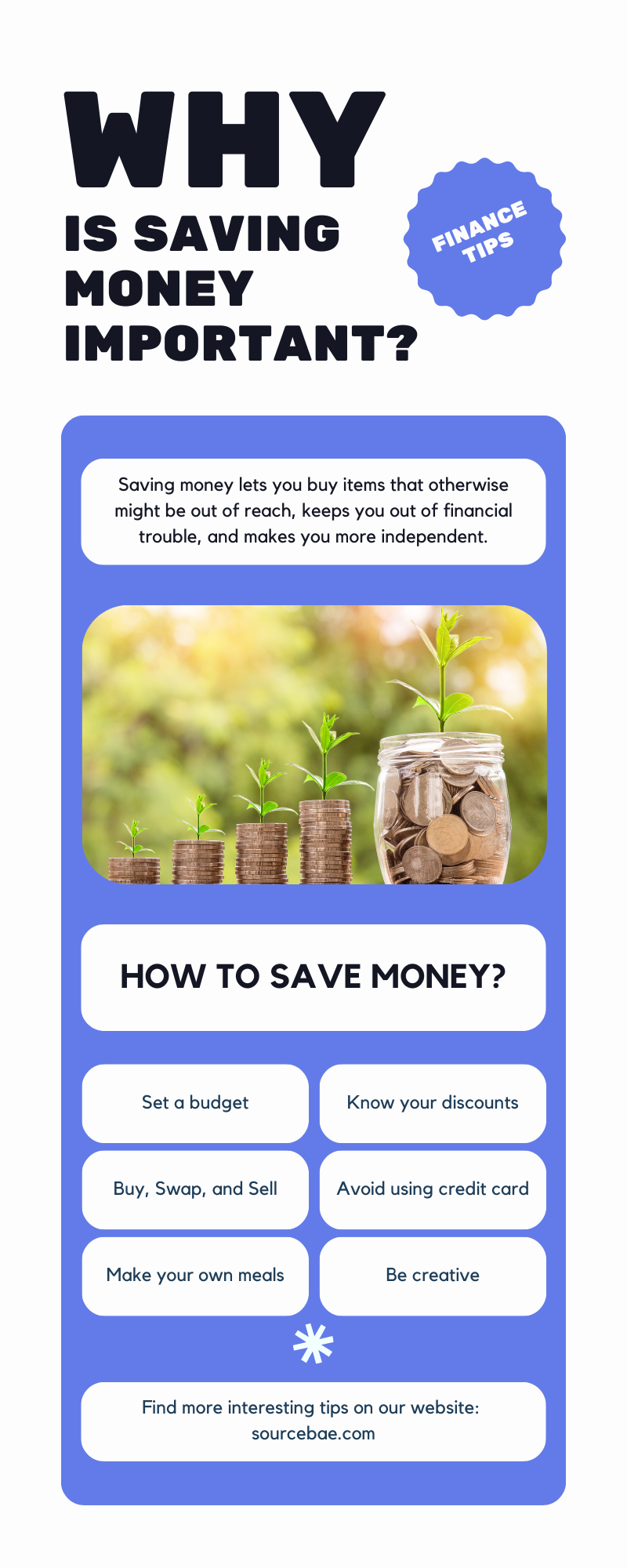
Building a Foundation for Financial Security
The primary and most immediate benefit of saving money is the establishment of a robust financial safety net. Life is replete with uncertainties, and without a financial cushion, unexpected events can quickly spiral into overwhelming crises.
Emergency Fund: Your Financial Safety Net
One of the cardinal rules of personal finance is to build an emergency fund. This dedicated pool of savings is explicitly for unforeseen expenses such as medical emergencies, sudden job loss, urgent home repairs, or unexpected car troubles. Without an emergency fund, individuals are often forced to resort to high-interest credit cards or loans, trapping them in a cycle of debt. A well-funded emergency account, typically recommended to cover three to six months of living expenses, provides a critical buffer, offering peace of mind and the ability to navigate difficult periods without derailing your entire financial plan. It acts as a shield, protecting your assets and your mental health from the immediate shock of life’s curveballs.
Debt Reduction and Avoidance
Saving money plays a crucial role in managing and avoiding debt. By having funds available, you can prevent situations where you might otherwise need to borrow. For instance, instead of taking out a personal loan for a necessary purchase, you can use your savings. Furthermore, for those already carrying debt, especially high-interest consumer debt like credit card balances, directed savings can be utilized to pay it down more rapidly. The power of compounding works against you with debt; interest accrues on interest. Conversely, by reducing debt, you free up income that was previously allocated to interest payments, which can then be redirected towards savings or investments, effectively turning the compounding effect in your favor. Strategic saving enables a proactive approach to debt, fostering financial independence rather than entanglement.
Achieving Major Life Goals
Beyond managing emergencies and debt, saving is the indispensable pathway to achieving significant life aspirations. Whether it’s a down payment on a house, funding higher education for yourself or your children, starting a business, or planning a dream vacation, these goals almost invariably require substantial capital. Consistent saving, even in small amounts, accumulates over time, making these once-distant dreams tangible realities. It transforms vague aspirations into concrete plans, providing a clear trajectory and motivation to stay disciplined. Each dollar saved brings you closer to these milestones, injecting purpose into your financial journey and illustrating the direct correlation between discipline and attainment.
Empowering Your Future Through Strategic Savings
Saving money is not merely about defensive financial measures; it is an offensive strategy to empower your future, create wealth, and open doors to new possibilities.
Investing for Growth and Wealth Accumulation
While an emergency fund keeps your money liquid and safe, long-term savings are often best put to work through investments. Investing allows your money to grow over time, benefiting from the power of compound interest, where your earnings generate further earnings. Whether through stocks, bonds, mutual funds, real estate, or retirement accounts like 401(k)s and IRAs, investing transforms your static savings into dynamic wealth-building assets. It’s a proactive approach to ensure that your financial resources keep pace with, or even outpace, inflation, safeguarding your future purchasing power. Strategic investing, built upon a foundation of consistent savings, is the most effective path to substantial long-term wealth accumulation and financial independence.
Funding Education and Skill Development
In today’s rapidly evolving world, continuous learning and skill development are paramount for career advancement and personal growth. Saving money provides the means to invest in yourself—be it through higher education, professional certifications, workshops, or online courses. These investments in human capital often yield significant returns in terms of increased earning potential, job satisfaction, and expanded career opportunities. Furthermore, for parents, saving for a child’s education is a profound act of foresight, mitigating the burden of student loans and providing their children with a strong start in life. Educational savings plans (e.g., 529 plans) are specifically designed to facilitate this crucial investment, underscoring the importance of early and consistent contributions.
Entrepreneurship and Business Ventures
For many, the dream of starting their own business remains just that—a dream—due to a lack of initial capital. Saving money can turn entrepreneurial visions into reality by providing the necessary seed funding. Whether it’s for market research, product development, initial inventory, or operating expenses, personal savings can serve as the foundational investment, reducing reliance on external loans or investors in the early stages. This financial independence not only gives entrepreneurs more control but also demonstrates their commitment and belief in their venture, which can be attractive to future investors if needed. Savings empower individuals to take calculated risks, pursue innovative ideas, and create their own economic opportunities.
Enhancing Quality of Life and Peace of Mind

The benefits of saving money extend far beyond the purely financial, profoundly impacting one’s mental, emotional, and overall quality of life.
Reducing Financial Stress and Anxiety
One of the most immediate and tangible psychological benefits of having savings is a significant reduction in financial stress and anxiety. Knowing that you have a financial safety net and are progressing towards your goals alleviates much of the worry associated with unexpected expenses or economic downturns. Financial stability provides a sense of control and security, allowing individuals to focus on other aspects of their lives—relationships, health, hobbies—rather than being consumed by monetary concerns. This peace of mind is invaluable, contributing to better mental health, improved sleep, and a greater overall sense of well-being. It transforms anxiety into confidence.
Gaining Financial Freedom and Flexibility
Financial freedom is often defined as having enough passive income to cover one’s living expenses, but it also encompasses the ability to make choices without being dictated by financial constraints. Saving money is the critical step towards this freedom. It grants you the flexibility to pursue new career paths, take a sabbatical, retire early, or even relocate, without the immediate pressure of needing a steady paycheck. It means having options and the power to align your life with your values, rather than being beholden to a job or circumstances you no longer enjoy. This flexibility allows for a richer, more intentional life, where decisions are driven by desire and opportunity rather than necessity.
Cultivating Good Financial Habits
The act of saving is not merely about the destination; it’s about the journey of cultivating discipline and developing sound financial habits. Regularly setting aside money instills a sense of responsibility, fosters delayed gratification, and sharpens budgeting skills. These habits, once ingrained, extend beyond saving and positively influence all aspects of financial management, from spending wisely to investing strategically. It teaches the value of money, the importance of planning, and the power of consistent effort over time. Developing a savings habit is akin to exercising a financial muscle; the more you do it, the stronger and more capable you become.
Practical Strategies for Effective Saving
Understanding why saving is important is the first step; the next is implementing how to save effectively. Practical strategies are essential for turning intent into consistent action.
Setting Clear Financial Goals
Effective saving begins with clear, well-defined financial goals. Instead of a vague notion of “saving more,” specify what you are saving for (e.g., a down payment on a house, a retirement nest egg, a new car) and when you aim to achieve it. Utilize the SMART goal framework: Specific, Measurable, Achievable, Relevant, and Time-bound. Breaking down large goals into smaller, manageable milestones can make the saving process less daunting and more motivating. Knowing precisely what you’re working towards provides the direction and motivation needed to stay on track, making saving a purposeful activity rather than a burdensome chore.
Creating and Sticking to a Budget
A budget is your financial roadmap, a detailed plan that outlines how you will spend and save your money over a specific period. By tracking your income and expenses, you gain a clear understanding of where your money is going, enabling you to identify areas where you can cut back and redirect funds towards savings. Many budgeting methods exist, such as the 50/30/20 rule (50% for needs, 30% for wants, 20% for savings and debt repayment), or zero-based budgeting. The key is to find a system that works for you and, crucially, to stick to it. A budget transforms saving from an afterthought into a deliberate and prioritized allocation of your financial resources.
Automating Your Savings
One of the most powerful strategies for consistent saving is automation. Set up automatic transfers from your checking account to your savings or investment accounts immediately after your paycheck arrives. This “pay yourself first” approach ensures that saving is prioritized and removes the temptation to spend the money before you’ve saved it. Even small, regular automated transfers add up significantly over time, thanks to the magic of compound interest. Automation eliminates the need for willpower on a daily or weekly basis, making saving an effortless and consistent habit that builds your financial security on autopilot.
Reviewing and Adjusting Your Savings Plan
Life is dynamic, and your financial plan should be too. Regularly review your savings goals and progress, ideally once a quarter or at least annually. Assess whether your current savings rate is sufficient to meet your goals, and if your financial circumstances have changed (e.g., salary increase, new expenses, life events). Adjust your budget and savings contributions accordingly. This ongoing evaluation ensures that your financial plan remains relevant, effective, and aligned with your evolving life priorities. Flexibility and adaptation are key to maintaining a successful long-term savings strategy.
Conclusion
The importance of saving money cannot be overstated. It is the bedrock upon which financial security is built, the fuel that powers future aspirations, and the balm that soothes financial anxieties. From building an emergency fund and reducing debt to investing for wealth, funding education, and pursuing entrepreneurial dreams, savings open up a world of possibilities and provide a profound sense of control over one’s life. Beyond the tangible benefits, the discipline of saving cultivates invaluable financial habits that empower individuals to navigate economic landscapes with confidence and foresight. Starting today, by setting clear goals, budgeting wisely, and automating your contributions, you can embark on a transformative journey towards a more secure, flexible, and fulfilling financial future. Saving money isn’t just a financial strategy; it’s an investment in your well-being and a testament to your power to shape your own destiny.
aViewFromTheCave is a participant in the Amazon Services LLC Associates Program, an affiliate advertising program designed to provide a means for sites to earn advertising fees by advertising and linking to Amazon.com. Amazon, the Amazon logo, AmazonSupply, and the AmazonSupply logo are trademarks of Amazon.com, Inc. or its affiliates. As an Amazon Associate we earn affiliate commissions from qualifying purchases.