
The vibrant, often frenetic, world of stock markets might seem like a perpetually open arena, constantly buzzing with trades, news, and price fluctuations. However, for a significant portion of each year, these powerful engines of global finance pause. Whether it’s a calm weekend, a national holiday, or an unforeseen event, understanding why the stock markets close is crucial for investors, financial professionals, and anyone keen on the rhythms of the global economy. These closures are not arbitrary; they are deeply ingrained in the operational, historical, and regulatory frameworks designed to ensure stability, fairness, and human well-being within the complex financial ecosystem. When you find the market ticker silent, it’s not a sign of stagnation, but often a planned recalibration or a necessary pause.
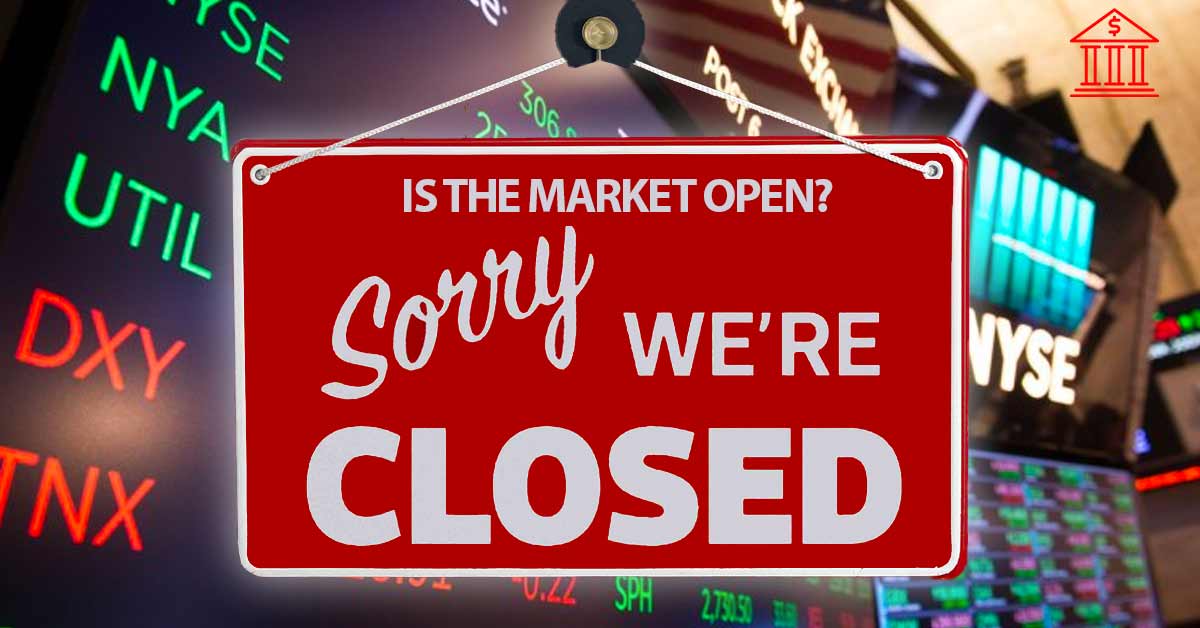
Understanding Market Closures: More Than Just Weekends
The most common and predictable reasons for stock market closures revolve around scheduled breaks. These aren’t just arbitrary pauses; they serve vital functions, from allowing for operational processing to preventing investor burnout.
The Rationale Behind Scheduled Breaks
Stock markets, at their core, are complex systems that facilitate the buying and selling of securities. This involves intricate back-end processes, including order matching, trade confirmation, clearing, and settlement. While much of this is automated, there’s still a significant amount of human oversight and system maintenance required. Scheduled breaks, such as weekends and public holidays, provide essential windows for these operations to occur without disrupting live trading.
These breaks also serve a psychological purpose. The relentless pace of market activity can be taxing for participants, from individual investors to institutional traders. Regular pauses offer a chance to step back, re-evaluate strategies, and mitigate the risk of impulsive decisions driven by constant exposure to market volatility. The concept of “market fatigue” is real, and planned closures act as a necessary circuit breaker for human decision-making.
Official Public Holidays: A Global Perspective
A primary reason for market closures on weekdays is the observance of official public holidays. The specific holidays vary significantly from country to country, reflecting national traditions, historical events, and religious observances.
In the United States, for example, the New York Stock Exchange (NYSE) and NASDAQ observe several federal holidays, including New Year’s Day, Martin Luther Luther King, Jr. Day, Presidents’ Day, Good Friday, Memorial Day, Juneteenth National Independence Day, Independence Day, Labor Day, Thanksgiving Day, and Christmas Day. On some occasions, markets may also close early the day before a major holiday, such as Christmas Eve or the day after Thanksgiving.
Across the Atlantic, the London Stock Exchange (LSE) observes its own set of public holidays, often referred to as Bank Holidays, which include New Year’s Day, Good Friday, Easter Monday, Early May Bank Holiday, Spring Bank Holiday, Summer Bank Holiday, and Christmas Day/Boxing Day. Similarly, stock exchanges in Asia, such as the Tokyo Stock Exchange (TSE) and the Shanghai Stock Exchange (SSE), have their unique holiday calendars reflecting their respective national and cultural observances.
These holiday closures are generally announced well in advance, allowing investors and financial institutions to plan accordingly. They are critical for ensuring that trading staff can observe national holidays and that the infrastructure supporting the markets can undergo necessary maintenance and updates without impacting live trading.
Weekend Shutters: A Standard Practice
Perhaps the most universally understood reason for market closure is the weekend. Virtually all major stock exchanges globally operate on a five-day work week, closing down for Saturday and Sunday. This practice has historical roots, aligning with the traditional work week and allowing for a natural rhythm of activity and rest.
From an operational standpoint, weekend closures provide an extended period for clearing and settlement of trades from the preceding week. While technology has drastically sped up these processes, the sheer volume of transactions still benefits from a dedicated non-trading period. Furthermore, it allows for system upgrades, security checks, and disaster recovery drills to be performed with minimal impact on market participants. The weekend provides a crucial buffer, ensuring that the market is refreshed and ready for another week of trading.
Unscheduled Closures: When The Unexpected Happens
While scheduled closures are predictable, sometimes stock markets close due to unforeseen circumstances. These unscheduled pauses are rare but highlight the fragility and interconnectedness of modern financial systems.
Extreme Weather Events
Nature can occasionally force the closure of financial markets. Major natural disasters, such as severe blizzards, hurricanes, or floods, can render it physically impossible for staff to reach trading floors or data centers, or cause widespread power outages and infrastructure damage.
A notable example occurred in October 2012 when Hurricane Sandy forced the closure of the NYSE and NASDAQ for two consecutive days. This was the first time the NYSE had closed for weather-related reasons since 1985 and the first multi-day weather closure in over a century. Such closures are made to ensure the safety of market participants and staff, as well as to protect critical infrastructure from damage that could compromise market integrity. The decision is often made in coordination with local authorities and is based on the severity of the threat and its potential impact on operational capacity.
Technical Glitches and System Failures
In an increasingly digital world, stock markets are heavily reliant on robust technology infrastructure. Despite constant vigilance and investment in cybersecurity, technical glitches, software bugs, or even malicious cyberattacks can occur. When these issues threaten the integrity of trading or the ability of participants to connect, exchanges may implement a trading halt or, in severe cases, a full-day closure.
These closures are critical for diagnosing and rectifying the problem without risking erroneous trades, market manipulation, or a loss of investor confidence. While temporary trading halts are more common (e.g., due to individual stock volatility), a full market closure due to a technical issue is a serious event, underscoring the vital importance of technology in modern finance. For instance, in 2015, the NYSE experienced a three-and-a-half-hour trading halt due to a technical issue, though it ultimately reopened the same day. These events highlight the “single point of failure” risk in highly automated systems.

Major National or Global Crises
In times of profound national or global crisis, governments and regulatory bodies may deem it necessary to close stock markets to prevent panic selling, stabilize the economy, or ensure public safety.
The most poignant example in recent history is the four-day closure of U.S. markets following the September 11, 2001, terrorist attacks. This unprecedented closure allowed authorities to secure the financial district, assess the damage, and address the profound psychological and logistical impact of the tragedy before reopening markets in a measured way. Similarly, during severe economic crises or periods of extreme geopolitical instability, a temporary closure might be considered to prevent a complete collapse of investor confidence or to allow for coordinated policy responses.
While not a full closure, the implementation of “circuit breakers” is related. These automatic mechanisms temporarily halt trading across an entire exchange when market indexes fall by a predetermined percentage (e.g., 7%, 13%, 20% drops for S&P 500). While designed to prevent freefalls and allow investors to reassess, they are a temporary pause rather than a full closure for the day. However, they demonstrate the principle of intervention to maintain order in extreme conditions.
Impact of Market Closures on Investors and the Economy
Market closures, whether planned or unexpected, have tangible impacts on individual investors, financial institutions, and the broader economy.
The Pause in Price Discovery
One of the most immediate effects of a market closure is the halt in price discovery. When markets are closed, news continues to break – economic data is released, corporate earnings are announced, geopolitical events unfold. However, without an open market, these developments cannot be immediately reflected in asset prices. This can lead to significant “gaps” when the market reopens, meaning prices can jump or fall sharply from their last closing price, as all the accumulated news is digested simultaneously.
For investors, this means that their portfolios are effectively frozen in value during the closure, and they cannot react to new information. Upon reopening, there can be increased volatility as pent-up demand and supply are released.
Liquidity and Trading Restrictions
During market closures, investors lose access to liquidity. They cannot buy or sell securities, meaning they cannot raise cash from their investments, hedge against new risks, or capitalize on immediate opportunities. This can be particularly problematic for traders or funds that rely on active management and constant adjustment to market conditions. While some over-the-counter (OTC) or foreign exchange markets might remain open, regulated stock trading comes to a complete standstill.
Opportunities for Reflection and Strategy Adjustment
Despite the immediate restrictions, market closures can offer a valuable opportunity for investors. Stepping away from the daily noise and price fluctuations allows for a more considered approach to portfolio management. Investors can use this time to research, review their long-term goals, reassess their risk tolerance, and refine their investment strategies without the pressure of live market movements. For many, it’s a chance to avoid emotional trading and focus on fundamental analysis or broader economic trends.
Economic Stability vs. Investor Access
The decision to close markets, especially unscheduled ones, often involves a delicate balancing act between ensuring economic stability and providing continuous investor access. While immediate access to markets is desirable for investors, regulators prioritize the integrity and stability of the entire financial system. A temporary closure can prevent systemic collapse during a crisis, allowing authorities time to implement policy measures or restore confidence. The short-term inconvenience to investors is weighed against the potential for long-term damage to the economy that an unchecked market freefall might cause.
Staying Informed: Navigating Market Schedules
For any investor, being aware of market schedules is a fundamental part of responsible financial management.
Official Exchange Calendars
The most reliable source for market closure information is the official website of the relevant stock exchange. The New York Stock Exchange (NYSE), NASDAQ, London Stock Exchange (LSE), Euronext, Tokyo Stock Exchange (TSE), and others all publish detailed calendars of their trading hours and holiday closures well in advance, often for a year or more. Checking these calendars regularly, especially at the start of a new year, can help investors plan their trading activities and avoid surprises.
Financial News Outlets and Brokerage Platforms
Reputable financial news outlets (e.g., Bloomberg, Wall Street Journal, Reuters, Financial Times) are excellent sources for real-time updates on market status, including any unexpected closures or changes to trading hours. Most online brokerage platforms also provide prominent notifications to their clients about upcoming holidays or any unscheduled market interruptions, often through banners on their websites or direct email communications.
Global Market Synchronicity and Disparity
It’s important to remember that stock markets operate independently across different time zones and national calendars. While New Year’s Day is a widely observed closure, many other holidays are unique to specific countries. An investor with a globally diversified portfolio needs to be aware that while the U.S. market might be closed for Thanksgiving, European or Asian markets could be fully operational. This disparity means that global news can still impact the value of international holdings even if your domestic market is closed. Understanding this global rhythm is key for international investors.
In conclusion, stock market closures are an integral, though sometimes overlooked, aspect of the global financial landscape. Whether planned for holidays and weekends to allow for operational efficiency and human rest, or necessitated by unforeseen crises like extreme weather or technical failures, these pauses serve critical functions. They underpin market integrity, support regulatory oversight, and ultimately contribute to the long-term stability of the financial system. For investors, understanding these rhythms and knowing how to stay informed is not just practical; it’s essential for navigating the complex currents of investment wisely and effectively. The silence of the market is rarely an emptiness, but often a necessary breath.
aViewFromTheCave is a participant in the Amazon Services LLC Associates Program, an affiliate advertising program designed to provide a means for sites to earn advertising fees by advertising and linking to Amazon.com. Amazon, the Amazon logo, AmazonSupply, and the AmazonSupply logo are trademarks of Amazon.com, Inc. or its affiliates. As an Amazon Associate we earn affiliate commissions from qualifying purchases.