
The rhythmic pulse of global financial markets dictates the pace for countless investors, businesses, and economies worldwide. From the iconic opening bell to the final closing gong, these exchanges facilitate the monumental task of price discovery, capital allocation, and wealth creation. So, when the usual hum of trading activity falls silent, and the markets display “closed” notifications, it often prompts a moment of contemplation, if not mild confusion, for those accustomed to their continuous operation. Understanding the reasons behind these closures, whether scheduled or sudden, is fundamental for anyone involved in finance, offering insights into market structure, risk management, and the very fabric of our financial ecosystem.
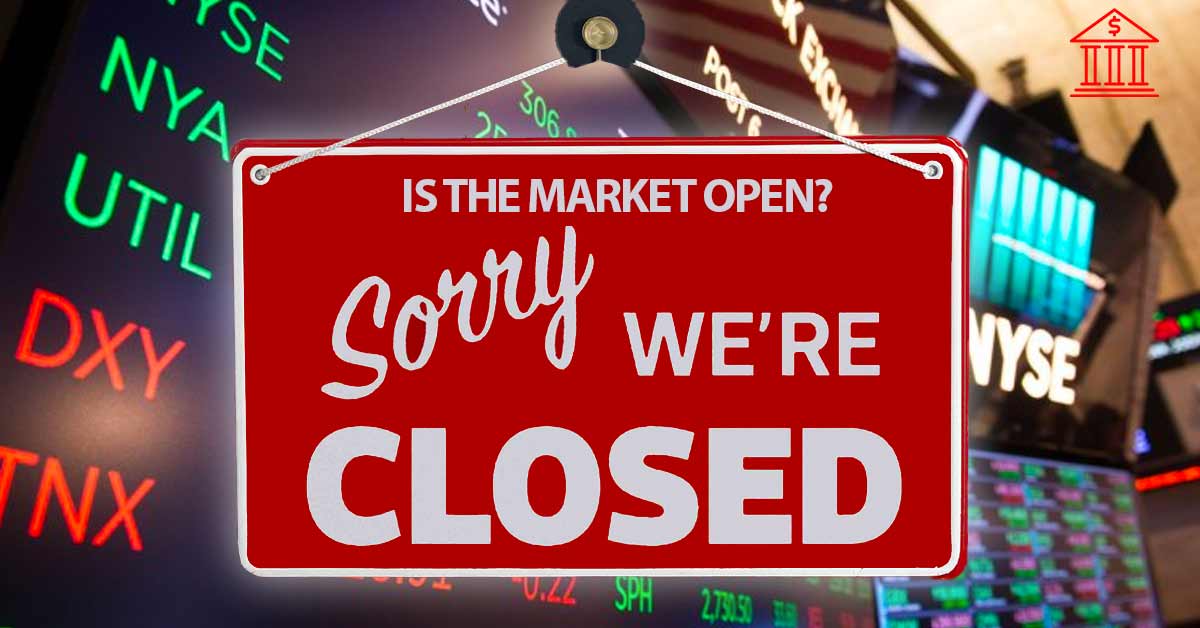
Market closures are not merely arbitrary interruptions; they are built into the system for a variety of critical reasons, ranging from practical considerations and historical observances to safeguarding market integrity during times of extreme stress. For the informed investor, knowing why markets might be inaccessible today—or any given day—is a crucial piece of the financial puzzle, enabling better planning, risk assessment, and maintaining a clear perspective amidst the ebb and flow of capital.
Understanding the Rationale Behind Market Closures
The cessation of trading activity, whether for a few hours or several days, serves multiple purposes. It provides a necessary pause for administrative functions, reflects cultural traditions, and acts as a circuit breaker during extraordinary events. These rationales are deeply embedded in the design and operation of modern financial exchanges.
Public Holidays and Observances
The most common and predictable reason for market closures today, or on many other specific days throughout the year, is the observance of public holidays. These holidays vary by country and region, reflecting national customs, religious traditions, and historical events. For instance, in the United States, major stock exchanges like the New York Stock Exchange (NYSE) and Nasdaq typically close for a set list of federal holidays, including:
- New Year’s Day: Welcoming the new calendar year.
- Martin Luther King, Jr. Day: Honoring civil rights leader Dr. Martin Luther King, Jr.
- Presidents’ Day (Washington’s Birthday): Celebrating U.S. presidents.
- Good Friday: A major Christian observance.
- Memorial Day: Commemorating fallen military personnel.
- Juneteenth National Independence Day: Celebrating the emancipation of enslaved people.
- Independence Day (July 4th): Marking the signing of the Declaration of Independence.
- Labor Day: Honoring the American labor movement.
- Thanksgiving Day: A national day of giving thanks.
- Christmas Day: A major Christian holiday.
It’s important to note that while these are common federal holidays, market closures are specifically determined by the exchanges themselves, sometimes differing slightly from the full federal holiday schedule (e.g., Veterans Day is a federal holiday but markets typically remain open). Furthermore, bond markets often operate on a slightly different holiday schedule, sometimes closing or closing early on days when equity markets are fully open. This divergence necessitates checking specific market calendars. Internationally, each country’s exchanges will follow their own national and regional holiday schedules, which is a critical consideration for investors with global portfolios. These scheduled breaks allow for back-office processing, settlement of trades, and, perhaps most importantly, a collective pause for market participants.
Weekends: The Standard Break
Beyond public holidays, the most fundamental reason markets are closed is the weekend. Financial exchanges worldwide typically operate on a five-day week, from Monday to Friday, with Saturday and Sunday designated as non-trading days. This standard break serves several vital functions:
- Operational Reset: Weekends provide a crucial window for clearinghouses and settlement systems to reconcile trades, process transactions, and ensure all accounts are balanced before the next trading week begins. This back-end work is complex and requires significant computational power and time.
- Reduced Market Noise: It allows investors, analysts, and market professionals a period to step back from the daily fluctuations, digest economic news, analyze company reports, and formulate strategies without the pressure of live trading.
- Work-Life Balance: Even in an increasingly automated world, human intervention and oversight remain critical. Weekends offer a necessary respite for the vast workforce that supports the financial markets, from brokers and traders to regulators and IT professionals.
While electronic trading systems can technically operate 24/7, the weekend closure remains a deeply entrenched tradition and a practical necessity for the orderly functioning and health of the financial ecosystem.
Extraordinary Circumstances Leading to Unscheduled Closures
While scheduled holidays and weekends account for the vast majority of market closures, there are instances where exchanges shut down unexpectedly. These unscheduled closures are typically triggered by unforeseen events that threaten market integrity, participant safety, or the broader financial system.
Severe Weather Events
Natural disasters pose significant threats to physical infrastructure and human safety, often necessitating market closures. Events such as hurricanes, blizzards, floods, or earthquakes can disrupt power, transportation, and communication systems, making it impossible for market participants to operate effectively or safely. For example, Hurricane Sandy in 2012 caused the NYSE and Nasdaq to close for two consecutive days, marking the first weather-related multi-day closure in decades. Such closures prioritize the safety of personnel and prevent potential chaos and unfair trading conditions that might arise from widespread operational disruptions.
Technical Glitches and Operational Failures
In an era dominated by electronic trading, markets rely heavily on sophisticated technology. Consequently, technical malfunctions can lead to temporary halts or even full-day closures. Issues could include:
- Software Bugs: Errors in trading algorithms or platform software.
- Hardware Failures: Server crashes, network outages, or power failures affecting data centers.
- Cyberattacks: Malicious attempts to disrupt trading systems or compromise data security.
Such failures can compromise the fairness, transparency, and efficiency of trading. When a significant technical issue arises that prevents equitable access or accurate price discovery, exchanges may halt trading to investigate and rectify the problem, ensuring that all participants operate on a level playing field. The integrity of the market depends on reliable technology, and any threat to that reliability can warrant a closure.
National Emergencies and Security Concerns
In times of national crisis or severe security threats, markets may be closed to prevent panic selling, maintain order, or simply because societal functions are too disrupted to allow for normal operations. The most prominent example in recent history is the multi-day closure of U.S. financial markets following the September 11, 2001, terrorist attacks. This closure allowed authorities to assess the situation, secure critical infrastructure, and for market participants to mourn and recover. Other extreme events, such as widespread civil unrest, health pandemics that severely restrict movement, or acts of war, could also trigger emergency closures to protect the financial system from instability or to ensure public safety.
Extreme Market Volatility (Circuit Breakers vs. Full Closure)
While less common for full-day closures, extreme market volatility can lead to temporary trading halts through mechanisms known as “circuit breakers.” These are pre-set thresholds that, if crossed (e.g., a rapid and significant percentage drop in a major index), trigger an automatic pause in trading. The purpose of circuit breakers is to:
- Cool Down Panic: Provide a brief period for investors to absorb information and prevent emotional, domino-effect selling.
- Restore Order: Allow exchanges to assess the situation and ensure systems are functioning correctly under stress.
While circuit breakers are designed to prevent the need for a full closure by managing volatility, in truly unprecedented scenarios of systemic risk or complete market dysfunction, a full closure might be considered by regulators. This is an extremely rare and last-resort measure, indicative of a severe crisis threatening the entire financial system.
The Impact of Market Closures on Investors and the Economy

When markets close, the immediate and ripple effects extend far beyond the mere cessation of trading. For individual investors, institutional players, and the broader economy, closures introduce a unique set of challenges and considerations.
Liquidity and Access to Capital
The most direct impact of a market closure is the immediate loss of liquidity. Investors cannot buy or sell securities, meaning they cannot convert assets into cash or vice versa. This can be problematic for individuals who might need urgent access to their funds or for institutions managing cash flows, margin calls, or hedging strategies. The inability to trade also means that capital cannot be efficiently allocated to new opportunities or withdrawn from risky positions, creating a freeze in financial mobility.
Information Lag and Price Discovery
During a closure, new information continues to emerge – economic data, corporate announcements, geopolitical developments. However, without active trading, these events cannot be immediately priced into securities. When markets eventually reopen, this pent-up information can lead to significant price gaps, often resulting in sudden, dramatic movements. For instance, if a company announces groundbreaking news over a long holiday weekend, its stock might open significantly higher or lower than its last closing price, surprising investors who were unable to react in real-time. This “information lag” can create both opportunities and risks, heightening volatility upon reopening.
Emotional and Psychological Effects
Market closures, especially unscheduled ones, can amplify investor anxiety and uncertainty. The inability to act on new information or perceived threats can lead to feelings of helplessness. Speculation can run rampant, fueling rumors and increasing emotional responses. For institutional investors, the closure period is often spent re-evaluating strategies and preparing for the potential volatility of the reopening. For individual investors, it underscores the importance of a well-thought-out investment plan that isn’t solely reactive to daily market movements.
Operational Planning for Institutions
Financial institutions, including banks, hedge funds, and brokerage firms, must adapt their operational planning around market closures. Settlements, which typically occur a few days after a trade, are impacted, requiring adjustments to cash management and risk exposure. For firms involved in international markets, managing different holiday schedules and ensuring compliance across various jurisdictions adds layers of complexity. Risk management teams work overtime during closures to model potential scenarios and prepare for significant price movements upon reopening, particularly after unscheduled shutdowns.
Navigating Market Closures: Strategies for Informed Investors
For astute investors, market closures are not just periods of inactivity but opportunities for reflection and strategic planning. Understanding how to navigate these periods is key to maintaining a resilient portfolio and a steady investment approach.
Stay Informed and Plan Ahead
The most effective strategy is proactive awareness. Investors should regularly consult market calendars to be aware of upcoming holiday closures. Subscribing to financial news alerts and official exchange announcements helps in tracking potential unscheduled closures due to severe weather or technical issues. Planning ahead means anticipating periods of illiquidity and adjusting financial obligations or investment plans accordingly. For instance, if you anticipate needing funds around a major holiday, ensure your liquid assets are accessible well in advance.
Diversification and Risk Management
A well-diversified portfolio is your best defense against the uncertainties introduced by market closures. By spreading investments across different asset classes (stocks, bonds, real estate, commodities), geographies, and industries, you reduce your reliance on any single market. If one market is closed or experiences extreme volatility upon reopening, other parts of your portfolio may remain stable or even perform well. This approach minimizes the impact of any single event or closure, reinforcing the principle that a long-term, diversified strategy generally outperforms short-term, reactive trading.
Utilizing After-Hours and Pre-Market Trading (with caveats)
While primary exchanges are closed, some brokerage platforms offer after-hours and pre-market trading. These sessions allow limited trading activity outside regular market hours. However, it’s crucial to understand the significant caveats:
- Limited Liquidity: Far fewer participants trade during these sessions, leading to wider bid-ask spreads and potentially less favorable execution prices.
- Higher Volatility: Lower liquidity can exacerbate price swings based on relatively small trading volumes.
- Order Types: Not all order types are available, and certain order types (like market orders) can be riskier due to volatility and wider spreads.
These options are generally recommended for experienced traders who understand the inherent risks, rather than for casual investors looking to bypass market closures for routine transactions.
Long-Term Perspective
Perhaps the most crucial strategy for navigating market closures is maintaining a long-term investment perspective. Short-term closures, whether planned or unexpected, rarely derail long-term financial goals for well-diversified portfolios. Focusing on the broader economic landscape, company fundamentals, and your personal financial objectives helps to filter out the noise and transient impacts of market shutdowns. A robust investment thesis built on patience and a long-term horizon can weather many such interruptions without requiring frantic, reactive decisions.
The Future of Market Operating Hours and Digital Trading
The traditional five-day, fixed-hour market structure is increasingly being debated in light of technological advancements and the rise of global, interconnected economies. The question of whether markets will eventually move towards a 24/7 operating model is a persistent topic of discussion.
24/7 Trading: A Persistent Debate
Advocates for continuous, 24/7 trading argue that it would:
- Improve Liquidity: By allowing constant access, liquidity could be enhanced, reducing price gaps upon reopening.
- Increase Efficiency: Real-time reaction to global news and events, leading to more efficient price discovery.
- Harmonize Global Markets: Allow seamless transitions across different time zones, reducing the need for distinct market openings and closings.
However, opponents raise valid concerns:
- Operational Strain: The immense logistical and human resources required to support continuous operation, including IT support, regulatory oversight, and back-office functions.
- Investor Fatigue: The potential for burnout among traders and analysts, and the psychological toll of constant monitoring.
- Regulatory Challenges: The complexity of enforcing regulations and preventing manipulation across 24/7 global exchanges.
- Systemic Risk: Increased exposure to technical glitches or cyberattacks with no designated downtime for maintenance.
While cryptocurrency markets operate 24/7, traditional equity and bond markets have yet to adopt such a model, weighing the benefits against significant operational and human costs.
Automation and Resilience
Modern markets are highly automated, with algorithmic trading accounting for a substantial portion of activity. This automation, coupled with robust cybersecurity measures and geographically dispersed data centers, makes markets more resilient to physical disruptions. Exchanges are continuously investing in technology to minimize downtime from technical glitches and to enhance their capacity to withstand extreme events, whether natural or man-made. This technological backbone is key to ensuring that when markets do operate, they do so with maximum reliability and integrity.

Global Interconnectedness
The increasing interconnectedness of global financial markets means that events in one region can quickly impact others. While individual markets maintain their separate operating hours, the continuous flow of information and the interconnectedness of various financial instruments (like futures, options, and currency markets, many of which trade nearly 24/5) mean that markets are never truly “off.” The challenge for regulators and exchanges is to balance local traditions and operational necessities with the demands of a globalized financial landscape, potentially leading to further harmonization of trading practices and risk management strategies across borders.
In conclusion, understanding “why markets are closed today” is more than just knowing a date on the calendar. It’s about appreciating the intricate balance between operational necessity, historical tradition, human capacity, and systemic risk management that underpins the global financial system. For investors, these closures are integral to the market’s rhythm, offering both predictable pauses and occasional disruptions. By staying informed, embracing diversification, and maintaining a long-term perspective, investors can navigate these periods effectively, ensuring their financial journey remains steady, regardless of whether the trading floor is bustling or temporarily silent.
aViewFromTheCave is a participant in the Amazon Services LLC Associates Program, an affiliate advertising program designed to provide a means for sites to earn advertising fees by advertising and linking to Amazon.com. Amazon, the Amazon logo, AmazonSupply, and the AmazonSupply logo are trademarks of Amazon.com, Inc. or its affiliates. As an Amazon Associate we earn affiliate commissions from qualifying purchases.