
In the landscape of personal finance, few names carry as much weight, prestige, and historical significance as American Express. Often referred to simply as “Amex,” this financial powerhouse has evolved from a 19th-century express mail business into a global leader in payment services. For the modern consumer, understanding what an American Express card is—and more importantly, how it functions within a sophisticated financial strategy—is essential for optimizing credit health and lifestyle rewards.
Unlike traditional banking institutions that primarily issue cards via the Visa or Mastercard networks, American Express operates as a “closed-loop” system. This means they are both the card issuer and the payment processor. This unique position allows them to curate a distinct ecosystem of financial tools, ranging from no-fee cash-back cards to high-end luxury products with significant annual fees.
Understanding the Core: What Sets American Express Apart?
To grasp what an American Express card is, one must first understand the fundamental differences in how these products operate compared to standard bank-issued credit cards.
The Difference Between Credit Cards and Charge Cards
Historically, the hallmark of American Express was the “charge card.” Unlike a standard credit card, which allows you to carry a balance from month to month while paying interest, a charge card traditionally required the cardmember to pay their balance in full every single month. While Amex has introduced “Pay Over Time” features on many of its modern products, the DNA of the charge card remains. This structure encourages disciplined spending and prevents the accumulation of high-interest debt, making it a preferred tool for high-net-worth individuals and corporate entities.
The Closed-Loop Network Explained
Most credit cards involve four parties: the consumer, the merchant, the issuing bank (like Chase or Citi), and the network (Visa or Mastercard). American Express, however, often acts as both the bank and the network. By controlling the entire transaction chain, Amex can offer more robust data tracking for businesses and highly integrated customer service for individuals. This vertical integration is why Amex is often able to provide superior dispute resolution and fraud protection compared to competitors who must coordinate across multiple organizational layers.
Navigating the Tiered Structure of Amex Offerings
American Express does not offer a one-size-fits-all solution. Instead, they have cultivated a tiered system designed to meet consumers at various stages of their financial journey, from students building credit to executive travelers.
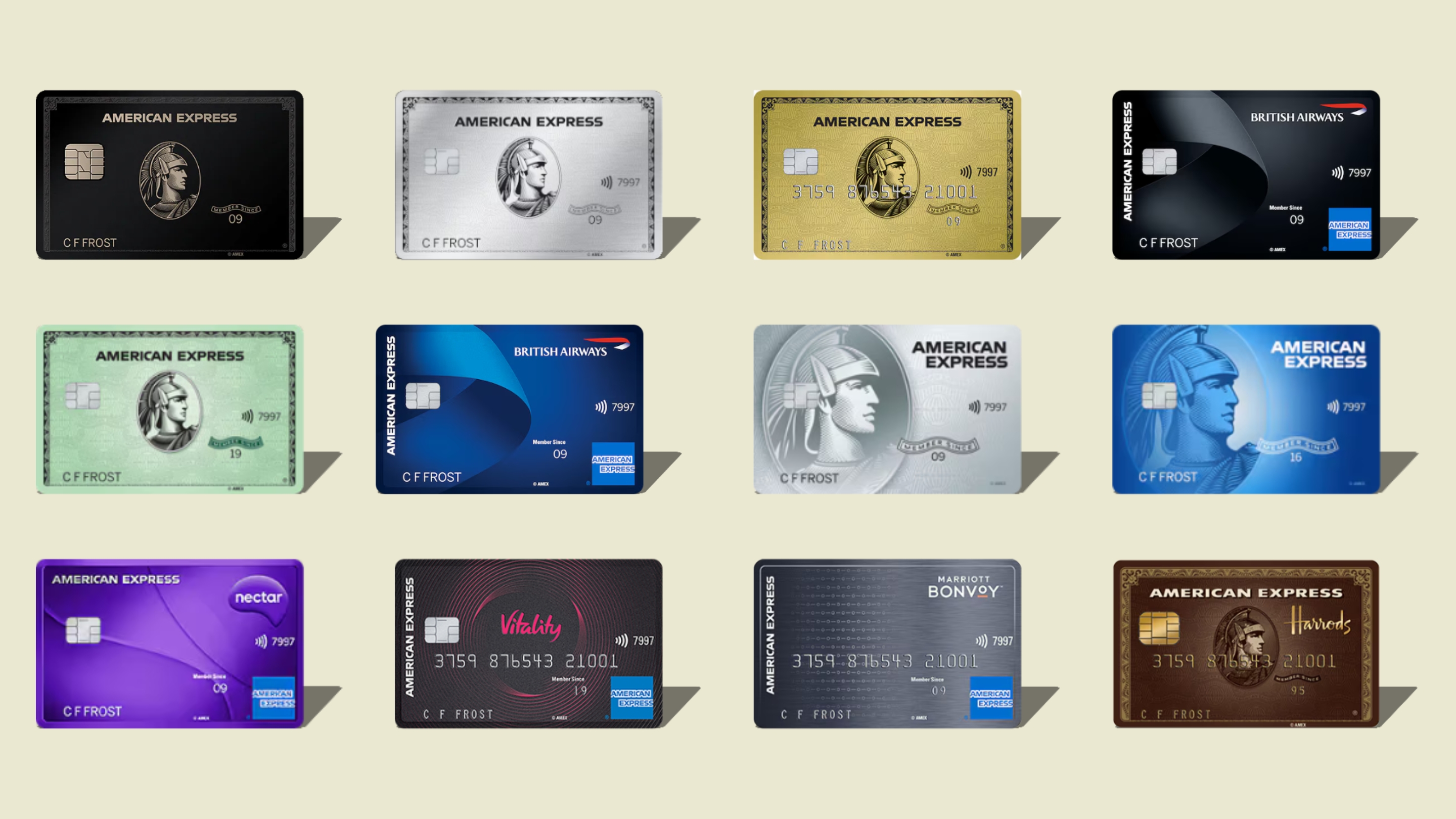
Entry-Level Convenience: The EveryDay and Blue Cash Series
For those focused on straightforward financial management, the Blue Cash and EveryDay series represent the “Money” category at its most practical. The Blue Cash Everyday® Card, for instance, offers cash back on essential categories like groceries, online retail, and gas stations without an annual fee. These cards are designed for the “revolving” consumer—someone who wants the flexibility of a traditional credit limit and the simplicity of cash-back rewards rather than complex travel points.
The “Big Three”: Green, Gold, and Platinum
The core of the Amex brand resides in its “color” cards.
- The Green Card: Often considered the entry point into the world of travel and transit, it focuses on the modern commuter and eco-conscious traveler.
- The Gold Card: Currently regarded as one of the best “lifestyle” cards on the market, the American Express® Gold Card is a powerhouse for foodies. With high multipliers on dining and US supermarkets, it transforms everyday subsistence spending into significant travel capital.
- The Platinum Card®: This is the flagship luxury product. With a high annual fee, it is less of a payment tool and more of a lifestyle membership. It offers unparalleled lounge access, hotel elite status, and extensive statement credits that can offset the fee for frequent travelers.
Business Solutions: Scaling with Amex
Beyond personal finance, American Express is a titan in business finance. Their suite of business cards—ranging from the Blue Business Plus to the Business Platinum—provides companies with extended payment terms and tools to manage cash flow. The ability to earn “Membership Rewards” on business expenses like digital advertising and shipping allows entrepreneurs to subsidize their personal travel through their business overhead.

The Membership Rewards Ecosystem: More Than Just Points
For many, the primary reason to hold an American Express card is access to the Membership Rewards (MR) program. In the world of personal finance, MR points are often considered the “gold standard” of flexible currency.
Earning Strategies for Maximum Yield
Effective financial management involves “stacking” rewards. Amex users often utilize a “trifecta” strategy—holding three specific cards (such as the Platinum, Gold, and Blue Business Plus) to ensure that every dollar spent earns the maximum possible points. For example, using the Gold card for groceries (4x points) and the Blue Business Plus for miscellaneous expenses (2x points) ensures that the user is never earning just a base 1% return on their capital.
Redemption Paths: Travel, Partners, and Statement Credits
The true value of an American Express card is unlocked at redemption. While points can be used for statement credits or shopping at Amazon, these methods typically offer poor value (often 0.6 to 0.7 cents per point). Financial experts instead focus on “Transfer Partners.” Amex allows users to move points to over 20 airline and hotel loyalty programs, such as Delta SkyMiles, British Airways Executive Club, or Hilton Honors. When used strategically to book international business class flights, the value of a single point can jump from 1 cent to 5 cents or more, representing a massive return on investment for the cardholder’s daily spending.
Exclusive Perks and Lifestyle Benefits
An American Express card is frequently viewed as a “gateway” to a suite of benefits that would otherwise be expensive or difficult to obtain individually.
Premium Travel Access: Lounges and Concierge
For the frequent flyer, an Amex card provides a sanctuary. The Global Lounge Collection, including the proprietary Centurion Lounges, offers travelers food, drinks, and high-speed internet away from the chaos of the terminal. Furthermore, the Amex Concierge service acts as a personal assistant, capable of securing hard-to-get dinner reservations or sourcing gifts, which adds a layer of time-saving value to the card’s financial cost.
Purchase Protections and Insurance Coverage
From a risk management perspective, American Express cards offer some of the best consumer protections in the industry. Many cards include extended warranties, return protection (if a merchant won’t take an item back), and cell phone insurance. For the financially savvy, this serves as a form of “hidden” savings, potentially saving thousands of dollars in the event of theft, damage, or travel interruptions.
Choosing the Right Card for Your Financial Profile
Investing in an American Express card requires a sober analysis of your spending habits and financial goals. Because many of these cards carry annual fees ranging from $95 to $695, they are not “passive” financial tools.
Credit Score Requirements and Approval Odds
Generally, American Express targets consumers with “Good” to “Excellent” credit scores (typically 670 and above). However, they have recently introduced tools like “Apply with Confidence,” which allows applicants to see if they are pre-approved with a soft credit pull before committing to a hard inquiry that might affect their credit score. This transparency is a significant advantage for those carefully managing their credit profile.
Evaluating the Annual Fee vs. Value Proposition
To determine if an Amex card is right for you, you must perform a “Break-Even Analysis.”
- Calculate the “Organic” Value: Total up the statement credits you would use anyway (e.g., Uber, digital subscriptions, airline incidentals).
- Estimate Point Earnings: Look at your annual spending in categories like dining, travel, and groceries.
- Compare to the Fee: If the organic value plus the conservative value of the points exceeds the annual fee, the card is a profitable asset. If not, it is a luxury expense.
In conclusion, an American Express card is much more than a method of payment; it is a sophisticated financial instrument. Whether you are using it to build a cash-back safety net, manage a business’s monthly cash flow, or leverage high-value points for global travel, the Amex ecosystem offers a level of depth and versatility that remains a benchmark in the world of personal and business finance. By matching the right card to your specific spending patterns, you can turn necessary expenses into a structured path toward financial rewards and lifestyle enhancement.
aViewFromTheCave is a participant in the Amazon Services LLC Associates Program, an affiliate advertising program designed to provide a means for sites to earn advertising fees by advertising and linking to Amazon.com. Amazon, the Amazon logo, AmazonSupply, and the AmazonSupply logo are trademarks of Amazon.com, Inc. or its affiliates. As an Amazon Associate we earn affiliate commissions from qualifying purchases.