
The question “how much is the stock market down?” is one that strikes a chord of anxiety and uncertainty for investors worldwide. It’s a query frequently typed into search engines during periods of market turbulence, reflecting a fundamental concern about the health of one’s financial portfolio and the broader economic landscape. While a seemingly simple question, the answer is rarely straightforward and requires a nuanced understanding of market dynamics, economic indicators, and personal financial strategies.
The stock market is a complex ecosystem, constantly reacting to a myriad of forces ranging from geopolitical events and corporate earnings reports to interest rate decisions and shifting consumer sentiment. When the market experiences a downturn, it’s not merely a numerical decrease; it’s a reflection of investor perception, often signaling a collective re-evaluation of asset values and future economic prospects. Understanding the nature, causes, and implications of these downturns is crucial for any investor, equipping them with the knowledge to make informed decisions rather than succumbing to panic. This article aims to demystify market declines, providing a comprehensive guide to understanding what it means when the stock market is down, and how to strategically navigate these challenging periods.
Understanding Stock Market Declines: More Than Just a Number
When we talk about the stock market being “down,” it’s essential to understand the context. A single day’s dip is different from a prolonged slump, and the overall market’s performance might mask individual sector or company strength. The media often sensationalizes daily fluctuations, but a deeper dive reveals distinct categories of market declines, each with its own characteristics and implications.
Differentiating Corrections, Bear Markets, and Crashes
Not all declines are created equal. A market correction is typically defined as a decline of 10% or more from a recent peak, but less than 20%. These are relatively common occurrences, often seen as healthy resets that clear speculative froth and bring valuations back to more sustainable levels. Corrections can be sharp and swift, lasting weeks or a few months, and historically, they have often been followed by recoveries.
A bear market, on the other hand, is a more significant and sustained decline, characterized by a drop of 20% or more from recent highs. Bear markets tend to last longer than corrections, often spanning several months to over a year, and are usually accompanied by widespread pessimism, economic slowdowns, or recessions. They are periods where investor confidence is severely shaken, and the focus shifts from growth to capital preservation.
Finally, a market crash is a sudden, dramatic, and often unexpected collapse in market prices. While a crash can initiate a bear market, its defining feature is the speed and severity of the decline, typically happening over a very short period (days or weeks). Historical examples like Black Monday in 1987 or the early days of the 2008 financial crisis illustrate the shockwaves a crash can send through the financial system and the broader economy.
Key Indices and Their Significance
When people ask “how much is the stock market down?”, they are usually referring to one or more major market indices. The most frequently cited include:
- S&P 500 (Standard & Poor’s 500): Often considered the best gauge of large-cap U.S. equities and a proxy for the overall health of the U.S. stock market.
- Dow Jones Industrial Average (DJIA): A price-weighted index of 30 significant, publicly owned companies traded on the NYSE and NASDAQ. While influential, it’s a narrower measure than the S&P 500.
- Nasdaq Composite: Heavily weighted towards technology and growth stocks, making it a key indicator for the tech sector’s performance.
Each index provides a different lens through which to view market performance. A broad market decline typically sees all these indices moving downward, though the severity might vary based on their sector concentration.
The Psychological Impact of Market Downturns
Beyond the numbers, market downturns exert a significant psychological toll on investors. Fear, panic, and regret can lead to irrational decisions, such as selling off holdings at the bottom of a market cycle, thereby converting paper losses into real ones. Understanding these emotional biases, such as loss aversion and herd mentality, is critical for maintaining discipline and sticking to a long-term investment plan. Behavioral finance highlights how our emotions often impede sound financial judgment, making it crucial to have a clear strategy that can withstand the emotional rollercoaster of market volatility.
What Drives Market Declines? Unpacking the Underlying Causes
Stock market declines are rarely attributable to a single factor. Instead, they are typically the culmination of various economic, geopolitical, and corporate forces that collectively erode investor confidence. Identifying these drivers is key to understanding the potential duration and severity of a downturn.
Economic Indicators and Their Role
Macroeconomic data plays a pivotal role in shaping market sentiment. High inflation, for instance, erodes purchasing power and corporate profits, often prompting central banks to raise interest rates. Rising interest rates increase the cost of borrowing for companies and consumers, potentially slowing economic growth and making future earnings less attractive when discounted back to present value. A significant slowdown in Gross Domestic Product (GDP) growth, or worse, a contraction indicating a recession, almost always leads to market sell-offs as investors anticipate reduced corporate profitability. Employment figures, consumer spending data, and manufacturing indices also provide crucial insights into economic health and can trigger market reactions.
Geopolitical Events and Global Shocks
Beyond economics, the world’s geopolitical landscape can profoundly impact financial markets. Wars, trade disputes, political instability in major economies, or even widespread natural disasters can introduce significant uncertainty, leading investors to seek safer assets or pull back from riskier investments like stocks. The ripple effects of events in one part of the world can quickly spread globally, demonstrating the interconnectedness of modern financial markets. For example, conflicts impacting energy supply chains can lead to higher oil prices, fueling inflation and impacting industries worldwide.
Corporate Earnings and Sector-Specific Headwinds
At the micro-level, the performance of individual companies and sectors is a powerful determinant of market trends. Disappointing corporate earnings reports, reduced future guidance, or challenges specific to a particular industry (e.g., regulatory changes, technological disruption) can drag down stock prices. If enough major companies or a critical sector like technology or finance face headwinds, it can trigger a broader market decline. Investor sentiment often hinges on the expectation of future corporate profitability; when those expectations are dashed, stock prices adjust accordingly.
Investor Sentiment and Market Bubbles
Sometimes, market declines are a correction from irrational exuberance. Periods of speculative frenzy can lead to asset price bubbles, where valuations detach from underlying fundamentals. When this bubble eventually bursts, often triggered by a minor event that acts as a catalyst, the resulting crash can be severe. The dot-com bubble burst of the early 2000s is a prime example, where overvalued tech stocks saw massive corrections when investor sentiment shifted. Investor psychology, collective optimism, and fear can amplify market movements, both upward and downward.
The Impact on Your Personal Finances and Investment Portfolio
Understanding “how much is the stock market down” is not merely an academic exercise; it has tangible implications for your personal wealth and financial goals. The immediate reaction for many is often fear, leading to questions about the safety of their savings and retirement funds.
Assessing Portfolio Performance During Downturns
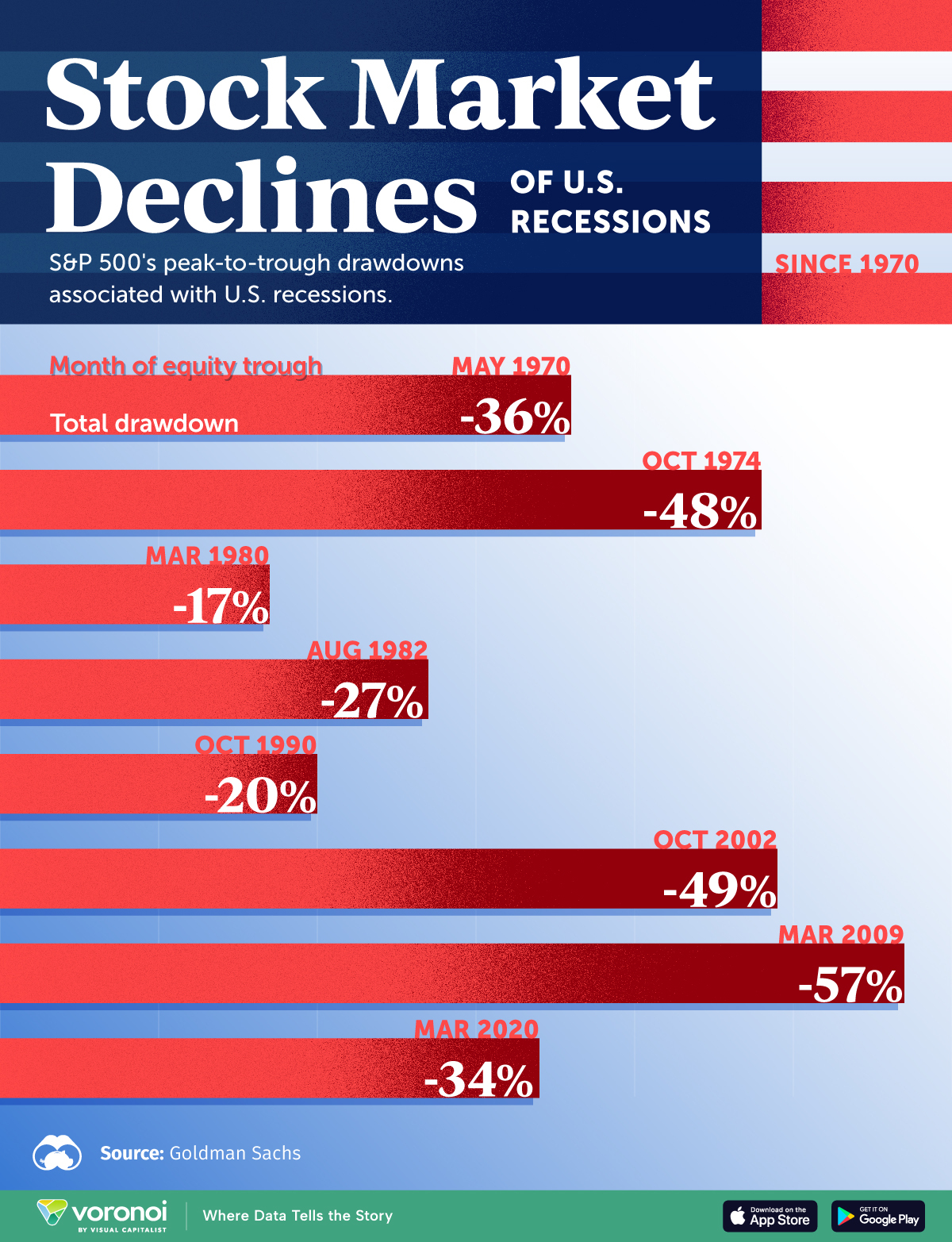
During a market downturn, the value of your investment portfolio will naturally decrease. This is often referred to as a “paper loss,” meaning the loss only becomes real if you sell your investments at the lower price. For long-term investors, simply seeing the numbers drop can be unsettling, but it’s crucial to distinguish between temporary fluctuations and permanent impairment of capital. The extent of the impact depends heavily on your asset allocation: portfolios heavily weighted towards equities will experience greater volatility than those with a higher proportion of bonds or cash.
Implications for Retirement Savings and Long-Term Goals
For those nearing retirement, a significant market downturn can be particularly concerning, as there is less time to recover losses. This underscores the importance of gradually shifting towards a more conservative asset allocation as one approaches retirement. However, for younger investors with a long investment horizon, market downturns can actually present opportunities. Retirement savings vehicles like 401(k)s and IRAs, which often involve regular contributions, benefit from dollar-cost averaging during these periods, allowing you to buy more shares at lower prices.
Opportunities and Risks for Different Investor Profiles
- Long-Term Investors: For those with decades until retirement, market dips are often seen as opportunities to buy quality assets at a discount. The focus remains on compounding returns over the long haul.
- Short-Term Traders: Downturns can be highly risky for traders who rely on market momentum. While some thrive on volatility, the potential for rapid and unpredictable price swings can lead to significant losses.
- Income Investors: Companies that maintain strong balance sheets and continue to pay dividends can offer a degree of stability, though dividend cuts are not uncommon during severe downturns.
Understanding “Paper Loss” vs. Realized Loss
This distinction is fundamental. A “paper loss” is the theoretical reduction in your portfolio’s value; it only exists on paper and reflects the current market price of your holdings. Unless you sell, this loss is not permanent. A “realized loss,” however, occurs when you sell an investment for less than you paid for it, making that loss concrete and often having tax implications. The greatest mistake many investors make during a downturn is panic selling, turning paper losses into permanent ones, thus locking in the damage.
Strategies for Navigating a Down Market: Prudence and Opportunity
While market downturns can be unsettling, they are an inherent part of the investing landscape. A well-thought-out strategy can not only mitigate losses but also position your portfolio for stronger growth when the market eventually recovers.
Rebalancing and Diversification: The Bedrock of Resilience
Diversification across different asset classes (stocks, bonds, real estate, commodities), sectors, geographies, and company sizes is your first line of defense. A diversified portfolio is less susceptible to the poor performance of any single asset or market segment. Rebalancing involves periodically adjusting your portfolio back to your target asset allocation. During a downturn, this might mean selling some assets that have performed well (e.g., bonds if they’ve risen) and buying more of those that have fallen (e.g., stocks), thus selling high and buying low—a strategy many find difficult emotionally but rewarding financially.
Dollar-Cost Averaging: Turning Volatility into an Advantage
For those making regular contributions to their investment accounts (e.g., monthly contributions to a 401(k)), dollar-cost averaging is an automatic benefit during a downturn. By investing a fixed amount of money at regular intervals, you buy more shares when prices are low and fewer shares when prices are high. Over time, this strategy can lead to a lower average cost per share, positioning your portfolio for significant gains when the market recovers.
Reassessing Your Risk Tolerance and Investment Horizon
A market downturn is an opportune time to revisit your risk tolerance and investment horizon. If the downturn has caused you undue stress or sleepless nights, it might be a signal that your current asset allocation is too aggressive for your comfort level. Adjusting your portfolio to better align with your emotional and financial capacity for risk is crucial for long-term adherence to your plan. Similarly, remember your investment horizon: if you’re investing for goals decades away, short-term market fluctuations are less relevant than the long-term growth potential.
Focusing on Quality Assets and Long-Term Fundamentals
During uncertain times, focus on investments with strong underlying fundamentals. Look for companies with solid balance sheets, consistent earnings, manageable debt, competitive advantages, and a history of navigating economic cycles. These “quality” companies are often more resilient during downturns and tend to be among the first to recover. Avoid speculative or highly leveraged investments that might thrive in bull markets but are exposed to significant risk during contractions.
The Role of Cash and Emergency Funds
Maintaining an adequate emergency fund (typically 3-6 months of living expenses in a readily accessible, liquid account) is critical. This fund prevents you from being forced to sell investments at a loss to cover unexpected expenses during a market downturn. Furthermore, having a portion of your portfolio in cash can provide the flexibility to take advantage of buying opportunities when valuations become attractive.
Looking Ahead: The Inevitable Cycle of Recovery
While the focus during a downturn is often on “how much is the stock market down,” it’s equally important to remember that market cycles are just that—cycles. Downturns, while painful, are temporary, and history overwhelmingly shows that markets always recover and eventually reach new highs.
Historical Precedent: Markets Always Recover
Every major market downturn in history has eventually been followed by a recovery and subsequent new peaks. From the Great Depression to the dot-com bust, the 2008 financial crisis, and the brief COVID-19-induced bear market, patient investors who remained invested or continued to invest through the challenging times have ultimately been rewarded. This historical perspective is a powerful antidote to panic and a reminder of the long-term upward bias of equity markets.
Identifying Potential Rebound Triggers
While predicting the exact bottom or turning point is impossible, investors can watch for potential rebound triggers. These often include signs of improving economic data (e.g., declining inflation, stable employment, positive GDP growth), central banks signaling an end to interest rate hikes or even future cuts, resolution of geopolitical tensions, or strong corporate earnings reports. A shift in investor sentiment from extreme pessimism to cautious optimism is also a key indicator.

The Importance of Staying Invested and Avoiding Panic Selling
Perhaps the single most important advice during a market downturn is to resist the urge to panic sell. Selling when the market is down locks in losses and often means missing out on the inevitable rebound, which can be swift and significant. Missing even a few of the market’s best days (which often occur immediately following its worst days) can severely impair long-term returns. Patience, discipline, and a focus on your long-term financial goals are your most valuable assets during these challenging times.
In conclusion, “how much is the stock market down” is a question that requires more than a simple numerical answer. It calls for an understanding of the forces at play, the impact on your personal finances, and the strategies available to navigate volatility. By embracing a professional, insightful, and engaging approach to understanding market cycles, investors can transform periods of decline from sources of fear into opportunities for disciplined growth and long-term wealth creation.
aViewFromTheCave is a participant in the Amazon Services LLC Associates Program, an affiliate advertising program designed to provide a means for sites to earn advertising fees by advertising and linking to Amazon.com. Amazon, the Amazon logo, AmazonSupply, and the AmazonSupply logo are trademarks of Amazon.com, Inc. or its affiliates. As an Amazon Associate we earn affiliate commissions from qualifying purchases.