
Investing can seem like a daunting endeavor, a complex labyrinth of stocks, bonds, and esoteric financial instruments. However, for many, the path to building long-term wealth often begins with a fundamental understanding of market benchmarks. Among these, the S&P 500 stands as a titan – a broad gauge of the U.S. stock market and a proxy for the health of corporate America. For both novice and seasoned investors, gaining exposure to the S&P 500 is a compelling strategy, offering diversification, historical stability, and a share in the growth of the nation’s leading companies. This guide will demystify the S&P 500, exploring its significance and outlining the most accessible and effective methods for integrating it into your investment portfolio.
Understanding the S&P 500: A Foundation for Investors
Before diving into the “how-to,” it’s crucial to grasp what the S&P 500 truly represents and why it holds such a prominent position in the financial world. It’s more than just a number; it’s a reflection of economic power and innovation.
What is the S&P 500?
The S&P 500, or Standard & Poor’s 500, is a stock market index that represents the performance of 500 of the largest publicly traded companies in the United States. Unlike the Dow Jones Industrial Average, which tracks only 30 companies, the S&P 500 is market-capitalization-weighted, meaning companies with larger market values have a greater impact on the index’s performance. This design makes it a much broader and more accurate indicator of the overall health of the U.S. stock market.
The companies included span across diverse sectors—technology, healthcare, financial services, consumer discretionary, industrials, and more—providing inherent diversification within the index itself. Being included in the S&P 500 is a mark of prestige for a company, signifying its size, liquidity, and financial viability. The index is maintained by S&P Dow Jones Indices, which employs a committee to select companies based on criteria such as market cap, liquidity, domicile, and sector representation, among others.
Why Invest in the S&P 500?
Investing in the S&P 500 offers several compelling advantages that make it a cornerstone of many investment strategies:
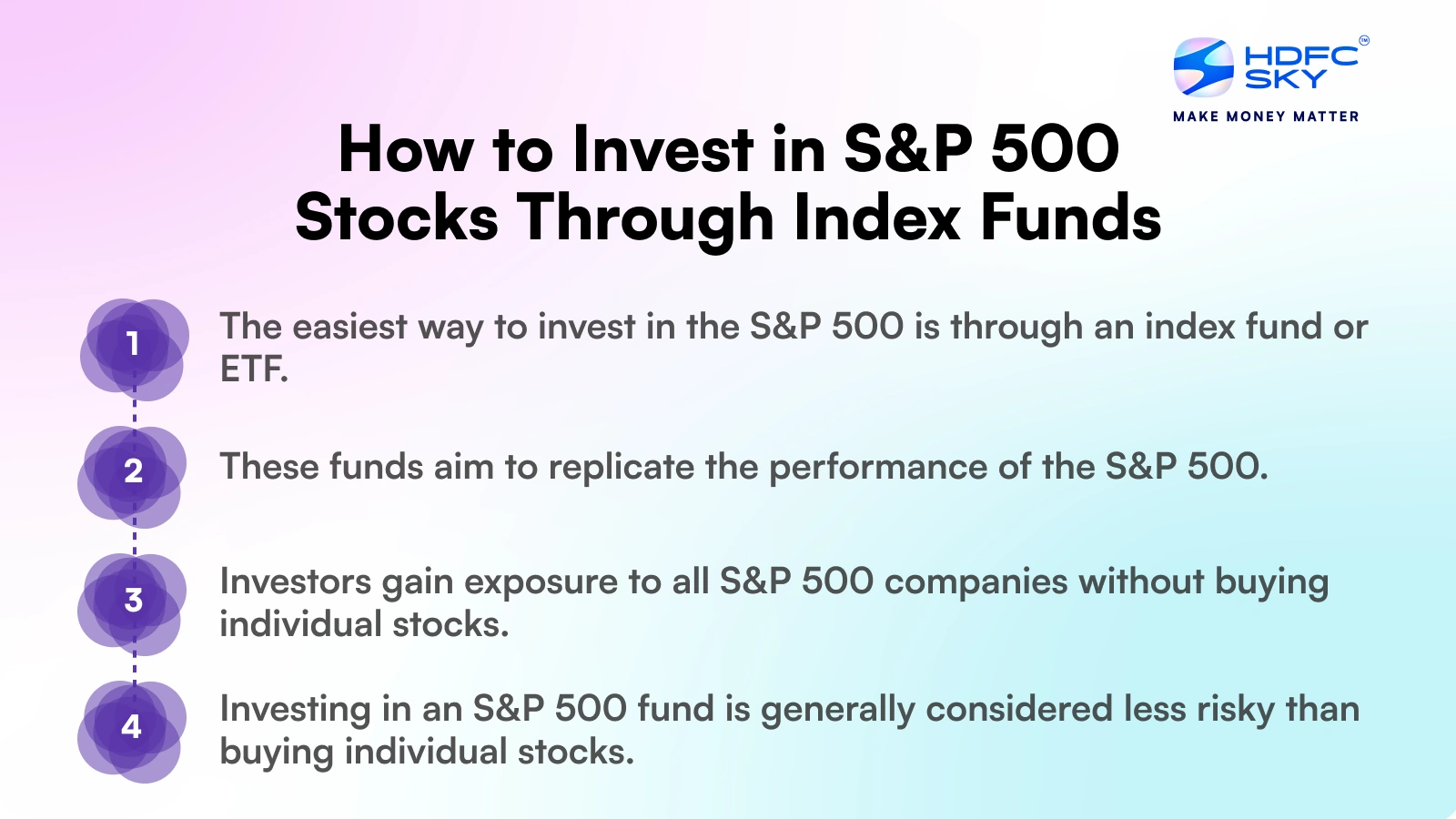
- Broad Market Exposure and Diversification: By investing in the S&P 500, you are essentially investing in a diversified basket of 500 companies. This broad exposure significantly reduces the risk associated with investing in individual stocks. If one company performs poorly, its impact on your overall investment is mitigated by the performance of the other 499 companies.
- Historical Performance: Over the long term, the S&P 500 has demonstrated impressive growth, delivering an average annual return of approximately 10-12% (though past performance is not indicative of future results). While there are periods of volatility and downturns, the index has historically recovered and continued its upward trajectory, making it an attractive option for long-term wealth creation.
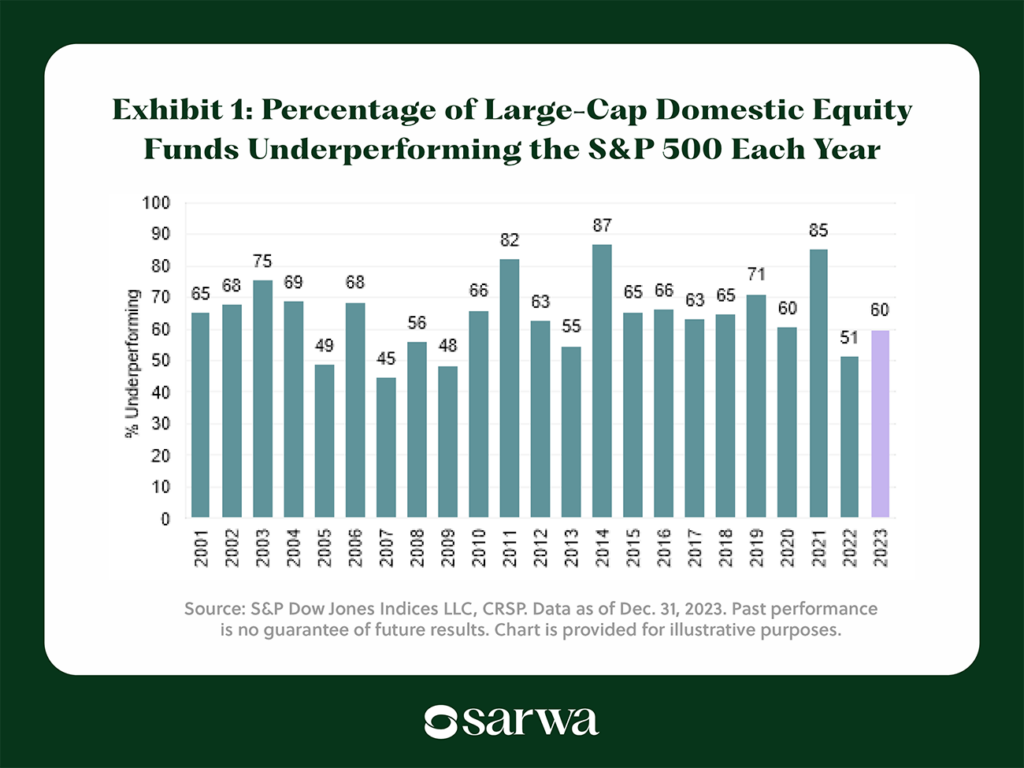
- Simplicity and Low Cost: For individual investors, trying to pick winning stocks can be time-consuming, challenging, and often leads to suboptimal results. Investing in the S&P 500 provides a simple, “set-it-and-forget-it” approach that tracks the overall market, often at a very low cost due to the nature of index funds.
- Liquidity: The underlying components of the S&P 500 are highly liquid, publicly traded companies, making the investment vehicles that track it (ETFs, mutual funds) generally very liquid as well.
- Resilience: The S&P 500 represents the most robust and innovative companies in the U.S. economy. These companies often have strong balance sheets, global operations, and the ability to adapt to changing economic conditions, contributing to the index’s long-term resilience.
Direct and Indirect Pathways to S&P 500 Exposure
While you cannot directly “buy” the S&P 500 index itself, there are highly efficient and accessible financial products designed to mirror its performance. These are the primary vehicles through which individual investors gain exposure.
S&P 500 Exchange-Traded Funds (ETFs)
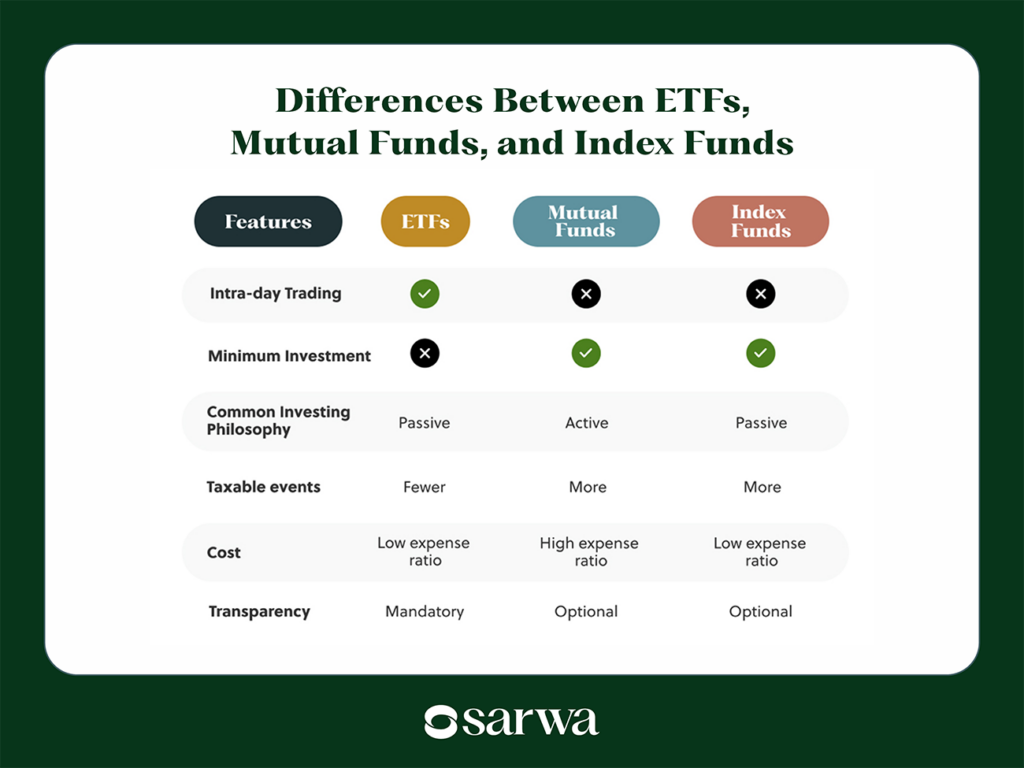
ETFs are arguably the most popular and flexible way for individual investors to gain exposure to the S&P 500. An S&P 500 ETF is a type of investment fund that holds a portfolio of stocks designed to replicate the performance of the S&P 500 index.
- How they work: ETFs trade like individual stocks on major exchanges throughout the trading day. You can buy and sell shares of an S&P 500 ETF at any time the market is open, just like you would with Apple or Microsoft stock. This offers flexibility in pricing and trading strategies.
- Advantages:
- Low Expense Ratios: S&P 500 ETFs are typically passively managed, meaning they simply track the index rather than actively trying to beat it. This results in very low management fees (expense ratios), often below 0.10% annually.
- Liquidity and Flexibility: Real-time trading allows for immediate execution of buy/sell orders.
- Tax Efficiency: ETFs often have a structure that defers capital gains distributions, making them more tax-efficient than many mutual funds.
- Popular Examples: Some of the most well-known S&P 500 ETFs include SPDR S&P 500 ETF Trust (SPY), iShares Core S&P 500 ETF (IVV), and Vanguard S&P 500 ETF (VOO). These funds are managed by reputable financial institutions and are widely available through most brokerage platforms.
S&P 500 Index Mutual Funds
Before ETFs gained widespread popularity, index mutual funds were the go-to option for passive investing. An S&P 500 index mutual fund also aims to track the performance of the S&P 500, holding the same underlying stocks in similar proportions.
- How they work: Unlike ETFs, mutual funds are typically bought and sold once a day, after the market closes, at their Net Asset Value (NAV). You purchase shares directly from the fund company or through a brokerage.
- Advantages:
- Simplicity for Regular Investing: Many investors find mutual funds easier for setting up automated, recurring investments (e.g., contributing a fixed amount every month).
- Professional Management (Passive): Although passively managed, the fund manager ensures the fund accurately tracks the index, handles rebalancing, and other administrative tasks.
- Considerations:
- Expense Ratios: While still low, they might be slightly higher than comparable ETFs.
- Trading Flexibility: Lacks the intraday trading flexibility of ETFs.
- Load Fees: Some mutual funds charge “load” fees (sales commissions) – either upfront (front-end load) or upon redemption (back-end load). Always opt for “no-load” funds to avoid these additional costs.
- Popular Examples: Vanguard 500 Index Fund Admiral Shares (VFIAX) and Fidelity 500 Index Fund (FXAIX) are prominent examples.
Robo-Advisors and Brokerage Platforms
For investors who prefer a hands-off approach or need guidance beyond just an S&P 500 investment, robo-advisors and traditional brokerage platforms offer integrated solutions.
- Robo-Advisors: These digital platforms use algorithms to build and manage diversified portfolios based on your financial goals, risk tolerance, and time horizon. Many robo-advisors automatically include S&P 500 ETFs or similar broad market index funds as core components of their recommended portfolios.
- Advantages: Low fees, automated rebalancing, tax-loss harvesting (in some cases), and personalized recommendations.
- Examples: Betterment, Wealthfront, Schwab Intelligent Portfolios.
- Brokerage Platforms: Opening an investment account with a reputable online brokerage firm (e.g., Fidelity, Charles Schwab, Vanguard, E*TRADE) gives you direct access to buy S&P 500 ETFs or index mutual funds yourself. These platforms offer a range of tools, research, and educational resources to help you manage your investments.
- Advantages: Full control over your investment choices, often commission-free trading for ETFs, and access to a wide array of other investment products.
- Steps: Open an account, link your bank account, transfer funds, then search for and purchase your chosen S&P 500 ETF or mutual fund.
Key Considerations Before Investing
While investing in the S&P 500 is relatively straightforward, a few critical considerations will help optimize your strategy and align it with your overall financial objectives.
Fees and Expense Ratios
The impact of fees on your long-term returns can be substantial. For S&P 500 tracking funds, focus on those with very low expense ratios. An expense ratio of 0.03% means you pay $0.30 per year for every $1,000 invested. While seemingly small, a difference of even 0.20% compounded over decades can amount to thousands of dollars in lost gains. Always compare expense ratios when choosing between similar funds.
Diversification Beyond the S&P 500
While the S&P 500 offers excellent diversification within large-cap U.S. equities, it’s not the only investment you should consider. A truly diversified portfolio often includes:
- International Stocks: Exposure to developed and emerging markets helps capture global growth and further diversify geographical risk.
- Bonds: Government or corporate bonds can provide stability, generate income, and act as a hedge against stock market volatility, especially for those closer to retirement.
- Other Assets: Depending on your risk tolerance and goals, real estate, commodities, or alternative investments might also play a role, albeit usually a smaller one.
The S&P 500 is a fantastic core holding, but it typically shouldn’t be your only holding.
Long-Term vs. Short-Term Strategy
Investing in the S&P 500 is inherently a long-term strategy. The historical returns are based on holding through market cycles, including downturns. Trying to time the market by buying and selling S&P 500 funds based on short-term predictions is often counterproductive and risky. For money you might need in the next 3-5 years, other, less volatile investment vehicles (like high-yield savings accounts or short-term bonds) might be more appropriate.
Tax Implications
Understand the tax implications of your S&P 500 investments:
- Taxable Accounts: In a standard brokerage account, you’ll owe capital gains tax when you sell your S&P 500 fund shares for a profit, and you’ll pay taxes on any dividends received. Long-term capital gains (assets held over a year) are taxed at lower rates than short-term gains.
- Tax-Advantaged Accounts: Investing in an S&P 500 fund within retirement accounts like a 401(k) or IRA (Traditional or Roth) offers significant tax benefits.
- Traditional IRA/401(k): Contributions are often tax-deductible, and your investments grow tax-deferred until retirement when withdrawals are taxed as ordinary income.
- Roth IRA/401(k): Contributions are made with after-tax dollars, but qualified withdrawals in retirement are entirely tax-free.
Utilizing these accounts can significantly boost your net returns over the long run.
Executing Your S&P 500 Investment Strategy
Once you understand the S&P 500 and the investment vehicles, the final step is to put your plan into action.
Choosing a Brokerage Account
Your first practical step is to open an investment account. Consider the following:
- Account Type: Decide whether you need a taxable brokerage account or a tax-advantaged retirement account (IRA, Roth IRA, 401(k) if offered by your employer).
- Brokerage Firm: Choose a reputable online brokerage (e.g., Fidelity, Schwab, Vanguard, E*TRADE, Interactive Brokers) known for low fees, a wide selection of investment products, user-friendly platforms, and good customer service. Compare commission structures, especially for individual stocks if you plan to invest beyond S&P 500 funds.
- Minimums: Check for minimum deposit requirements, although many popular brokers have $0 minimums to open an account.
Dollar-Cost Averaging
Dollar-cost averaging (DCA) is a powerful strategy, especially for long-term S&P 500 investors. It involves investing a fixed amount of money at regular intervals (e.g., $100 every month), regardless of whether the market is up or down.
- Benefits:
- Reduces Risk of Market Timing: You avoid the temptation to try and perfectly time market lows.
- Takes Advantage of Volatility: When prices are high, your fixed amount buys fewer shares; when prices are low, it buys more. Over time, this averages out your purchase price and can lead to better returns than lump-sum investing if market volatility is present.
- Promotes Discipline: Automating your investments ensures consistency and removes emotion from the decision-making process.
Rebalancing Your Portfolio
While S&P 500 investments are relatively hands-off, periodic rebalancing is a good practice, especially if you hold other asset classes like bonds or international stocks. Rebalancing means adjusting your portfolio back to your target asset allocation. For example, if your S&P 500 fund has grown significantly and now represents a larger percentage of your portfolio than you intended, you might sell a portion to buy into underperforming assets or to maintain your desired allocation. This helps manage risk and ensures your portfolio remains aligned with your financial goals.
Conclusion
Investing in the S&P 500 offers a compelling pathway to long-term wealth accumulation, providing broad market exposure, historical growth, and inherent diversification through a single, accessible investment. Whether through low-cost ETFs, index mutual funds, or the automated services of a robo-advisor, gaining exposure to these 500 leading U.S. companies is within reach for virtually every investor.
Remember that successful investing is a marathon, not a sprint. Focus on understanding the fundamentals, choosing appropriate low-cost investment vehicles, embracing a long-term perspective, and consistently contributing to your investments. By doing so, you can harness the power of the S&P 500 to work towards achieving your financial aspirations. As always, consider consulting a qualified financial advisor to tailor these strategies to your unique circumstances and goals.
aViewFromTheCave is a participant in the Amazon Services LLC Associates Program, an affiliate advertising program designed to provide a means for sites to earn advertising fees by advertising and linking to Amazon.com. Amazon, the Amazon logo, AmazonSupply, and the AmazonSupply logo are trademarks of Amazon.com, Inc. or its affiliates. As an Amazon Associate we earn affiliate commissions from qualifying purchases.