
In an era defined by fluctuating economic landscapes and the ever-present need for prudent financial management, the quest for affordable car insurance is a journey many consumers embark on. Car insurance is not merely a legal requirement in most places; it’s a critical financial safeguard against unforeseen accidents, theft, and damage. However, the cost can often feel like a significant burden on personal finances. Understanding how to navigate the complex world of auto insurance to secure the best rates without compromising essential coverage is an invaluable skill. This comprehensive guide will dissect the factors influencing car insurance premiums and equip you with actionable strategies and insights to significantly reduce your annual outlay, transforming a daunting search into a strategic financial endeavor.
Understanding Car Insurance Fundamentals and Cost Drivers
Before diving into strategies for finding cheaper rates, it’s crucial to grasp the foundational elements of car insurance and the myriad factors that contribute to its pricing. A solid understanding empowers you to make informed decisions rather than simply chasing the lowest number.
Key Components of an Auto Insurance Policy
An auto insurance policy is typically a bundle of different coverages, each serving a specific purpose. Recognizing these components helps you understand what you’re paying for and where potential savings might lie.
- Liability Coverage: This is the most fundamental and often legally mandated component. It covers damages and injuries you cause to others in an accident. It’s usually split into Bodily Injury Liability (for medical expenses and lost wages) and Property Damage Liability (for damage to another person’s car or property).
- Collision Coverage: This pays for damages to your vehicle resulting from a collision with another car or object, regardless of who is at fault.
- Comprehensive Coverage: This protects your vehicle from non-collision events, such as theft, vandalism, fire, natural disasters (hail, floods), or hitting an animal.
- Personal Injury Protection (PIP) or Medical Payments (MedPay): These cover medical expenses for you and your passengers after an accident, regardless of fault. PIP can also cover lost wages and other non-medical costs.
- Uninsured/Underinsured Motorist Coverage (UM/UIM): This protects you if you’re hit by a driver who has no insurance or insufficient insurance to cover your damages.
Factors That Influence Your Premiums
Insurance companies assess risk to determine your premiums. The higher the perceived risk, the higher your premium. These factors are not arbitrary; they are statistically driven:
- Driving Record: This is arguably the most significant factor. A history of accidents, traffic violations (speeding tickets, DUIs), or claims will invariably lead to higher rates. A clean record, conversely, is a strong indicator of lower risk.
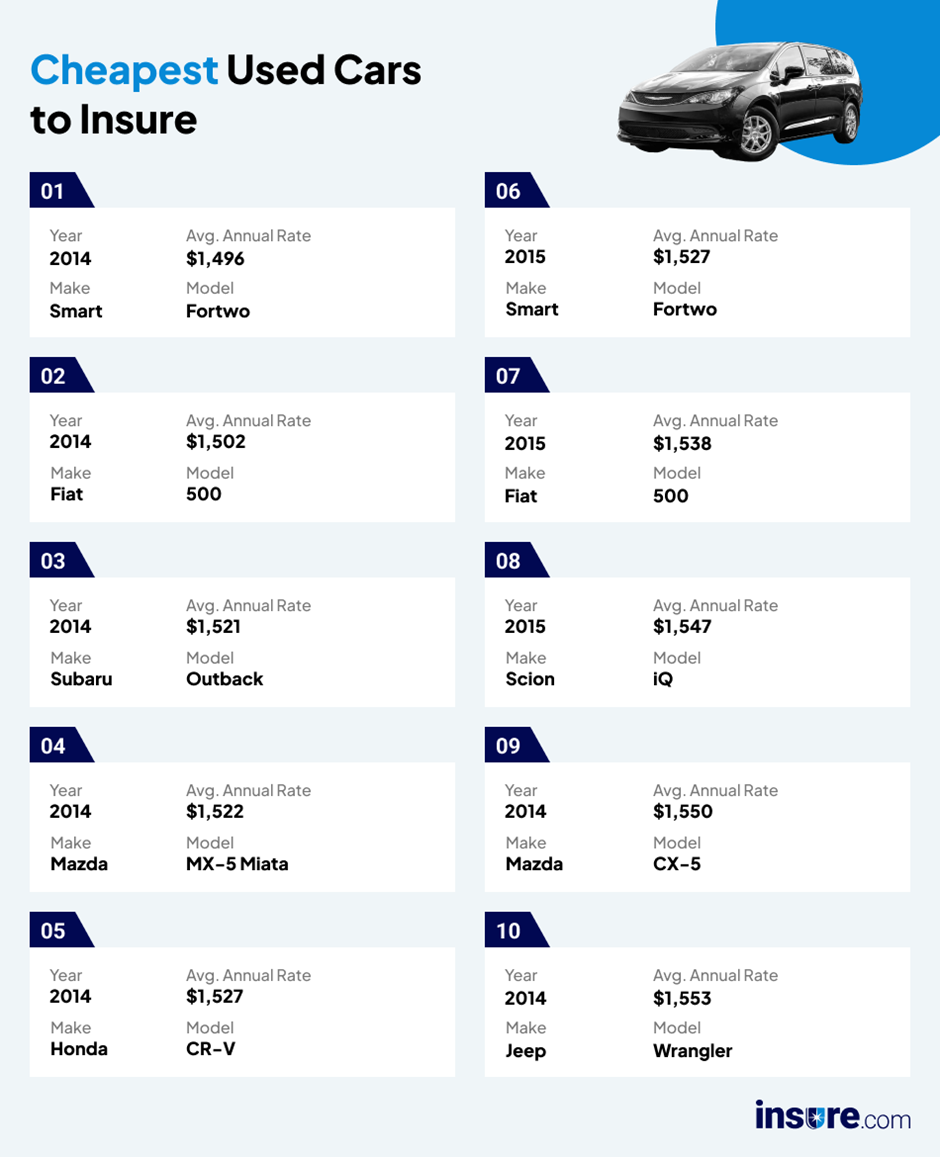
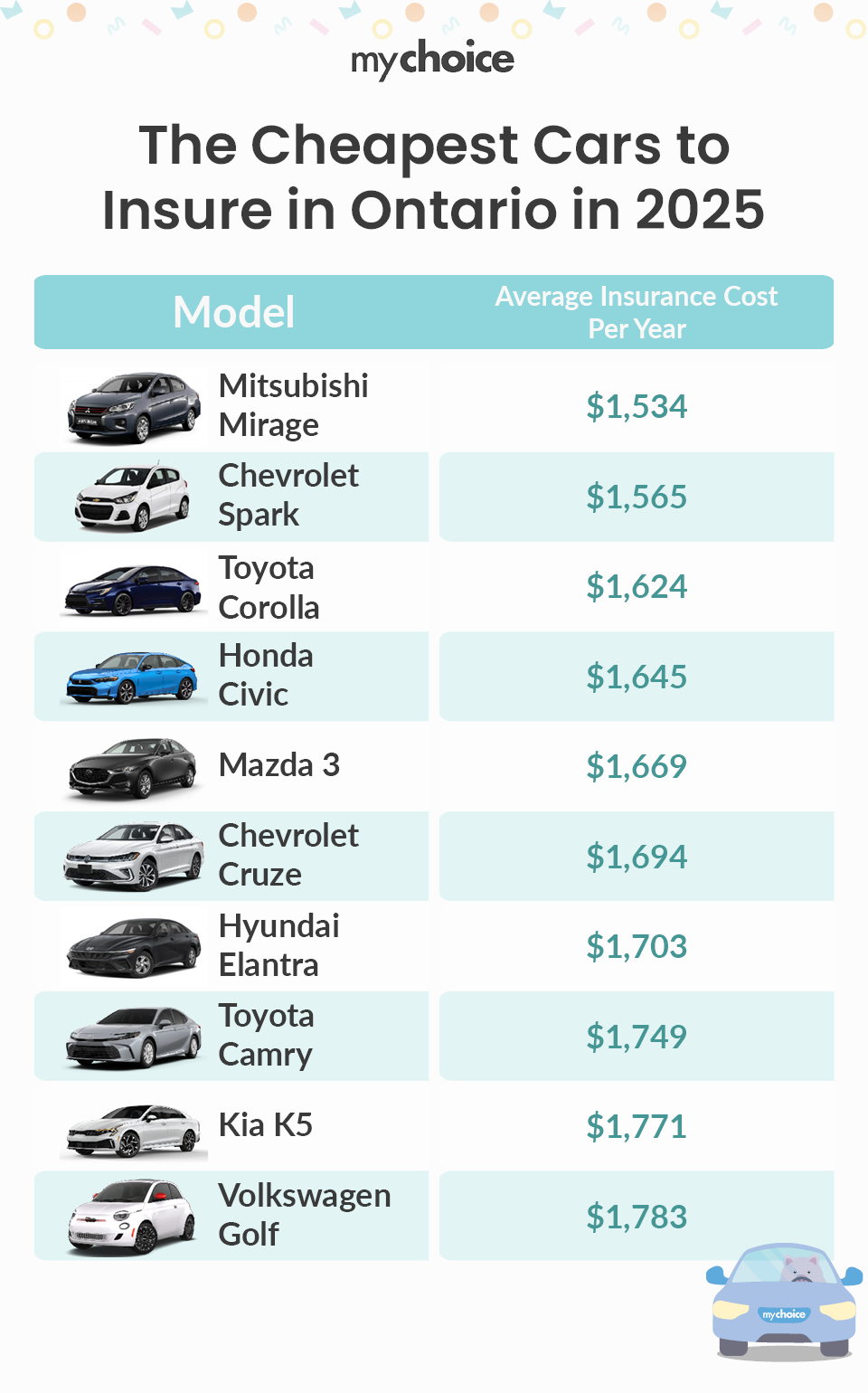
- Vehicle Type: The make, model, year, safety features, and even the color of your car can affect premiums. Expensive cars, sports cars, or vehicles with high theft rates typically cost more to insure. Vehicles with advanced safety features, however, might qualify for discounts.
- Location: Where you live, park your car, and drive primarily impacts your rates. Urban areas with higher traffic density, crime rates, and accident statistics generally have higher premiums than rural areas.
- Age and Gender: Younger, less experienced drivers (especially males under 25) are statistically more prone to accidents, leading to higher rates. Premiums tend to decrease with age and experience, leveling off in middle age before potentially rising slightly in very senior years.
- Credit Score: In many states, insurers use a credit-based insurance score (which differs slightly from a standard credit score) to predict the likelihood of future claims. A higher credit score often correlates with lower premiums, reflecting a greater sense of financial responsibility.
- Annual Mileage: The more you drive, the higher the exposure to risk. Low-mileage drivers might qualify for discounts.
- Marital Status: Married individuals are often seen as more stable and less risky by insurers, leading to slightly lower rates.
The Trade-off Between Coverage and Cost
While the objective is to find “cheap” car insurance, it’s critical to balance cost with adequate coverage. Opting for the absolute minimum legal coverage might save money upfront but could expose you to catastrophic financial losses in the event of a serious accident where you are at fault. For example, if your liability limits are too low and you cause significant damage or injury, you could be personally sued for the difference, jeopardizing your assets. Striking the right balance means understanding your personal financial risk tolerance and ensuring your policy provides sufficient protection without overspending on unnecessary extras.
Strategic Approaches to Reducing Your Premiums
Once you understand the basics, you can employ various strategies to actively reduce your car insurance costs. These methods often require proactive engagement and a willingness to compare and adjust.
Comparing Quotes from Multiple Insurers
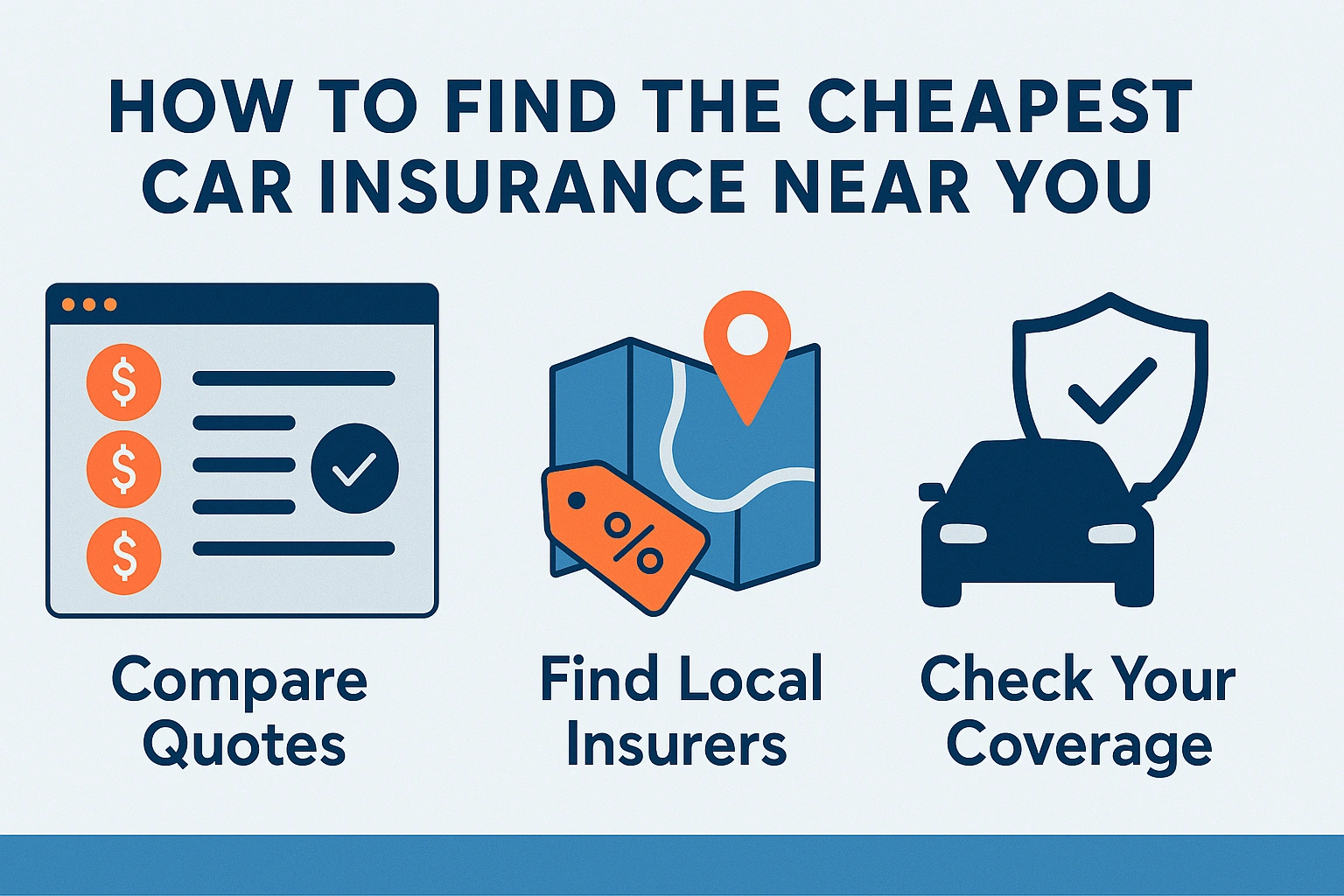
This is arguably the single most effective strategy for finding cheaper car insurance. The auto insurance market is highly competitive, with each company having its own proprietary risk assessment models and pricing structures. What one insurer considers high-risk, another might view as moderate.
- Direct Comparison: Don’t just stick with your current insurer out of loyalty. Obtain quotes from at least three to five different companies, including large national carriers, regional specialists, and online-only providers.
- Annual Review: Your circumstances change, and so do insurance rates. Make it a habit to compare quotes annually, ideally a few weeks before your policy renewal date. This allows you to leverage new discounts or find better rates elsewhere if your current insurer’s prices have increased.
Leveraging Discounts and Bundling Options
Insurance companies offer a wide array of discounts designed to attract and retain customers. Many drivers miss out on significant savings simply by not being aware of or asking for available discounts.
- Bundling Discounts: Many insurers offer substantial discounts (often 5-25%) if you purchase multiple policies from them, such as bundling auto insurance with homeowner’s or renter’s insurance.
- Multi-Car Discounts: If you insure more than one vehicle with the same company, you’ll almost certainly receive a discount.
- Good Driver/Accident-Free Discounts: Reward for maintaining a clean driving record over a certain period (e.g., 3-5 years).
- Good Student Discounts: For young drivers who maintain a specified GPA, acknowledging that responsible students often make responsible drivers.
- Safety Feature Discounts: For cars equipped with anti-lock brakes, airbags, anti-theft devices, daytime running lights, etc.
- Professional/Affiliation Discounts: Some companies offer discounts to members of certain professional organizations, alumni groups, or employers.
- Low Mileage Discounts: If you drive less than a certain number of miles per year, you might qualify for a discount.
- Pay-in-Full/Auto-Pay Discounts: Paying your premium in one lump sum or setting up automatic payments can often net you a small discount.
Always ask your agent or check the insurer’s website for a comprehensive list of available discounts. You might be eligible for more than you think.
Adjusting Your Deductibles and Coverage Levels
This strategy involves a calculated risk assessment and can significantly impact your premiums.
- Raising Your Deductible: Your deductible is the amount you pay out-of-pocket before your insurance coverage kicks in for collision or comprehensive claims. A higher deductible means you take on more initial financial responsibility, which typically results in lower premiums. For example, moving from a $250 deductible to a $500 or $1,000 deductible could save you 10-25% on these portions of your coverage. Ensure you have sufficient emergency savings to cover the higher deductible if an incident occurs.
- Dropping Unnecessary Coverage: For older, low-value vehicles, the cost of collision and comprehensive coverage might outweigh the potential payout. If your car is worth less than a few thousand dollars, and you could afford to replace it outright, dropping these coverages could save you a significant amount. Always calculate the maximum potential payout versus the annual premium cost before making this decision.
- Reviewing Liability Limits: While we emphasized the importance of adequate liability, you should still review your limits regularly. If your financial situation has changed (e.g., less assets to protect), you might adjust your limits, but generally, it’s safer to err on the side of higher liability.
Improving Your Driving Record and Credit Score
These are long-term strategies that require consistent effort but yield substantial benefits.
- Maintain a Clean Driving Record: The simplest way to keep premiums low is to avoid accidents and traffic violations. Defensive driving courses can not only refresh your skills but sometimes also qualify you for discounts.
- Improve Your Credit Score: A better credit score generally translates to lower insurance premiums (in states where it’s permitted). Focus on paying bills on time, reducing debt, and monitoring your credit report for errors.
Utilizing Financial Tools and Resources for Smart Decisions
The digital age has brought forth an array of tools and resources that streamline the process of finding and managing car insurance. Leveraging these can lead to smarter financial decisions.
Online Comparison Websites and Aggregators
These platforms have revolutionized the way consumers shop for insurance. Websites like NerdWallet, The Zebra, or Compare.com allow you to input your information once and receive multiple quotes from various insurers simultaneously.
- Efficiency: Save time by avoiding the need to visit numerous individual insurer websites.
- Transparency: Get a side-by-side comparison of prices and coverage details.
- Market Snapshot: Gain a quick overview of what the market offers, helping you identify the most competitive rates.
While these tools are incredibly useful, always double-check quotes directly with the insurer’s website or an agent, as aggregator sites may not always capture every possible discount or the most up-to-date pricing.
Independent Insurance Agents vs. Direct Insurers
Understanding the distribution channels can also help you find better rates.
- Independent Insurance Agents: These agents work with multiple insurance companies, acting as a broker to find you the best policy and price across different carriers. They can offer personalized advice and often uncover discounts you might miss online. They earn commission from the insurers, so their services are usually free to you.
- Direct Insurers: Companies like GEICO, Progressive, or Esurance sell policies directly to consumers, often through their websites or call centers. This can sometimes result in lower prices because there’s no agent commission involved. However, you’ll need to do more of the comparison shopping yourself.
Consider using both approaches: get quotes from direct insurers online, and then speak with an independent agent to see if they can beat or match those offers with their network of carriers.
Telematics Programs and Usage-Based Insurance
Technological advancements have introduced telematics, where a device or app monitors your driving habits (speeding, hard braking, mileage, time of day driven) and adjusts your premium based on your actual driving behavior.
- Personalized Rates: Potentially significant savings for safe drivers, as your premium is based on your driving, not general statistics.
- Behavioral Improvement: Can encourage safer driving habits, leading to fewer accidents.
- Privacy Concerns: Some drivers are uncomfortable with the idea of their driving being monitored, a valid consideration to weigh against potential savings.
If you are a consistently safe driver, exploring telematics programs from companies like Progressive (Snapshot), Allstate (Drivewise), or State Farm (Drive Safe & Save) could yield substantial discounts.
Understanding Policy Reviews and Renewal Strategies
Your insurance needs and the market are not static. Regular reviews are essential.
- Annual Policy Review: Before your policy renews, review your coverage needs. Have you bought a new car? Moved? Added a new driver? Changed jobs? Your policy should reflect your current situation.
- Shop Around at Renewal: As mentioned, use your renewal notice as a prompt to shop around. Even if you’re happy with your current insurer, comparing quotes can help you negotiate a better rate or confirm you’re still getting a good deal.
- Loyalty vs. Savings: While some insurers offer loyalty discounts, these are often outweighed by the savings available from switching to a new company that offers more competitive initial rates. Don’t let perceived loyalty prevent you from saving money.
Beyond Just “Cheap”: Value and Long-Term Savings
While the immediate goal is to find “cheap” car insurance, a truly savvy financial decision considers the long-term value and reliability of the insurer. The lowest premium isn’t always the best choice if it means sacrificing crucial coverage or reliable service.
Assessing Customer Service and Claims Processing
The true test of an insurance company comes during a claim. A low premium might seem attractive, but if the company’s claims process is arduous, slow, or contentious, the initial savings could feel negligible in the face of stress and financial delay.
- Reputation and Reviews: Check independent ratings from organizations like J.D. Power, A.M. Best, or Consumer Reports for insights into customer satisfaction, financial strength, and claims handling. Online reviews from platforms like Google or Yelp can also offer anecdotal evidence, though always consider the source.
- Accessibility: Is it easy to reach a representative when you need to? Do they offer online tools for managing policies and claims?
The Importance of Adequate Coverage for Financial Security
Underinsuring yourself to save a few dollars can be a false economy. A major accident could leave you facing monumental out-of-pocket expenses, potentially wiping out savings, forcing you into debt, or even leading to bankruptcy.
- Protect Your Assets: Your car insurance should protect your financial health as much as your vehicle. Consider your net worth and how much you stand to lose in a lawsuit if you are at fault for a severe accident.
- Peace of Mind: Adequate coverage provides invaluable peace of mind, knowing that you’re protected against most eventualities on the road.
Regular Policy Reviews to Optimize Savings
Finally, car insurance isn’t a “set it and forget it” financial product. Your needs, your driving habits, and the insurance market are constantly evolving. Make a habit of:
- Annual Policy Health Checks: Review your policy details, assess your driving habits, and compare quotes from competitors every year.
- Life Event Triggers: Re-evaluate your insurance any time there’s a significant life change: getting married, moving, buying a new car, adding a new driver to the household, or changing jobs. These events often open up new discount opportunities or necessitate adjustments to coverage.
By embracing these strategies and maintaining an informed, proactive approach, finding genuinely affordable car insurance shifts from a burdensome chore to an empowering financial practice. It’s about optimizing your personal finance by strategically navigating the market, leveraging available tools, and making choices that provide both cost savings and robust financial protection. The cheapest car insurance isn’t just about the lowest premium; it’s about the best value that aligns with your financial security and peace of mind.
aViewFromTheCave is a participant in the Amazon Services LLC Associates Program, an affiliate advertising program designed to provide a means for sites to earn advertising fees by advertising and linking to Amazon.com. Amazon, the Amazon logo, AmazonSupply, and the AmazonSupply logo are trademarks of Amazon.com, Inc. or its affiliates. As an Amazon Associate we earn affiliate commissions from qualifying purchases.