
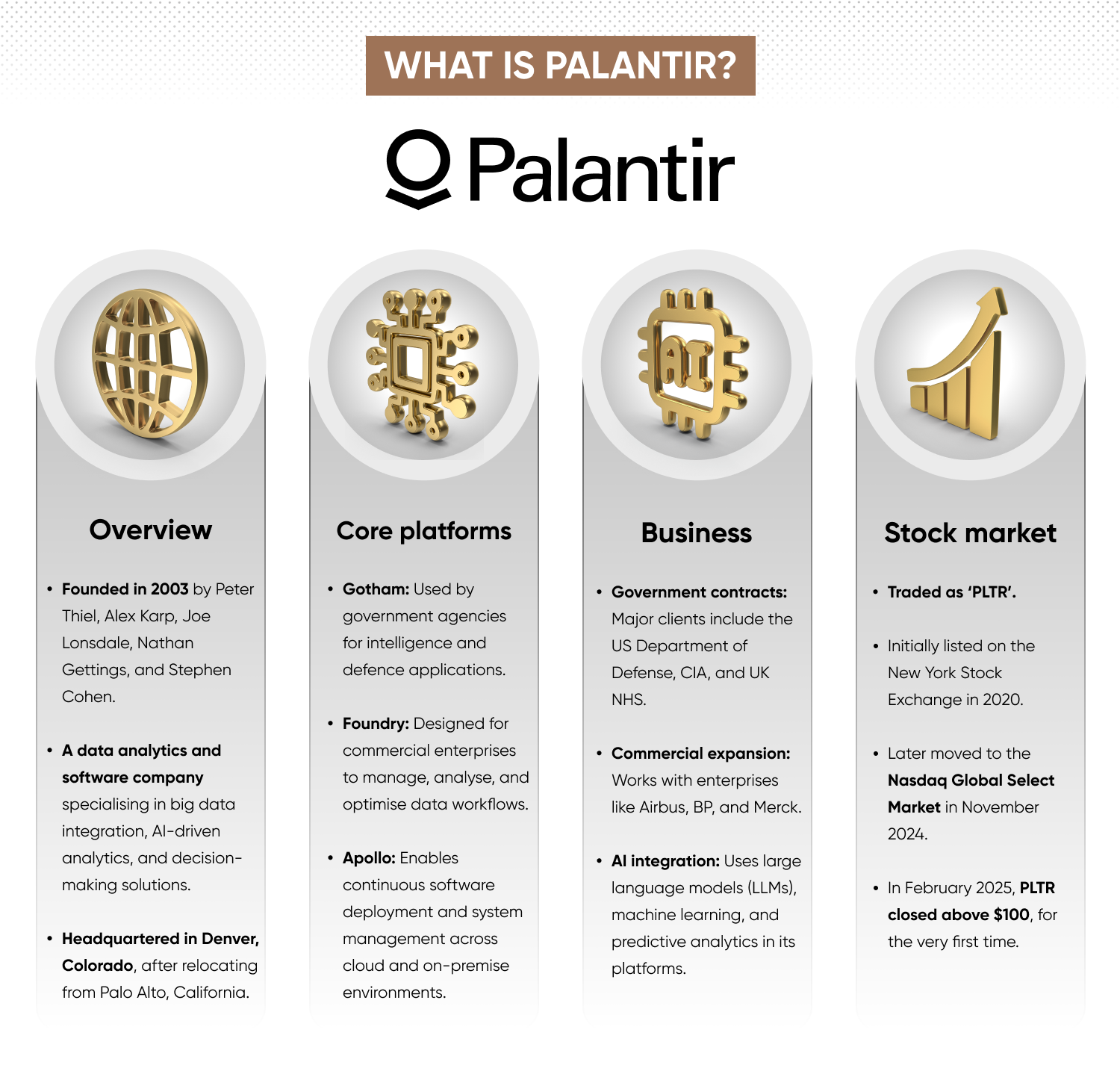
For many investors and market watchers, “PLTR” is more than just a sequence of letters; it’s the stock ticker symbol for Palantir Technologies, a company that has carved out a unique and often controversial niche in the world of big data analytics. Founded in 2003 by Peter Thiel, Alex Karp, Joe Lonsdale, Stephen Cohen, and Nathan Gettings, Palantir’s mission from its inception has been to make the world’s data useful. Initially funded by the CIA’s venture capital arm, In-Q-Tel, Palantir has grown from a shadowy startup primarily serving government intelligence agencies to a publicly traded enterprise attempting to expand its reach into the commercial sector.
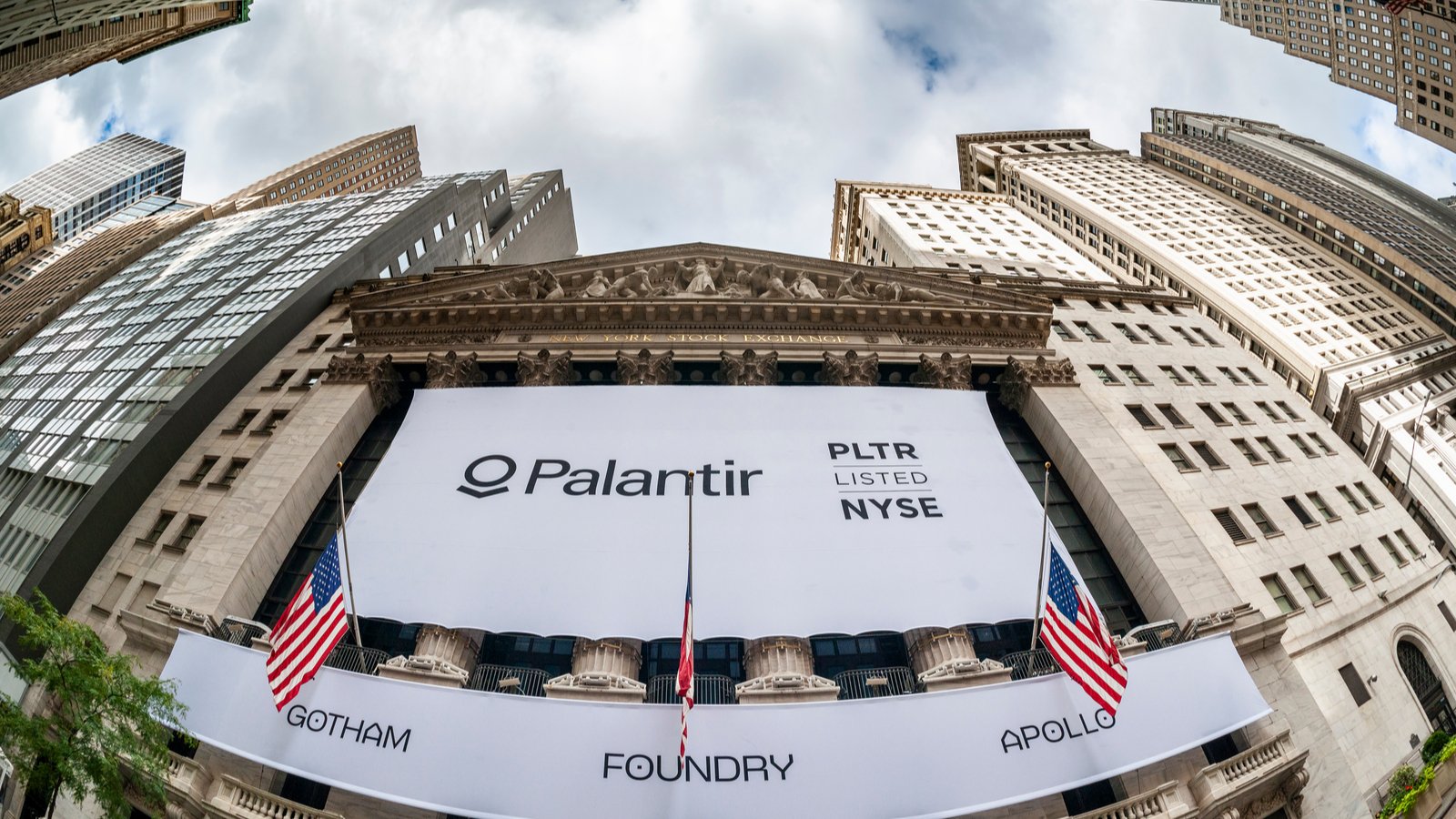
Understanding PLTR from an investment perspective requires a deep dive into its technology, its dual-market strategy, financial performance, and the unique risks and opportunities it presents. This article aims to demystify Palantir, providing a comprehensive overview for those considering an investment or simply seeking to understand its impact on the market and the world.
Palantir Technologies: A Deep Dive for Investors
At its core, Palantir is a software company that specializes in integrating, managing, and securing vast datasets, making them accessible and actionable for complex problem-solving. Its technology is designed to help organizations make sense of disparate information, identify patterns, and support decision-making – a capability critical for both national security and sophisticated business operations.
Origins and Mission: The Genesis of Palantir
Palantir emerged in the post-9/11 era, driven by the belief that software could help intelligence agencies better analyze large volumes of data to detect terrorist plots. This mission laid the groundwork for its foundational software platforms. The company’s name itself is a nod to J.R.R. Tolkien’s “seeing stones,” which allowed users to communicate across vast distances and perceive events in other locations, symbolizing Palantir’s ambition to provide unparalleled insight into complex realities.
The initial backing from the CIA was instrumental in shaping Palantir’s early focus and capabilities, imbuing it with a reputation for cutting-edge, high-stakes data analysis. This heritage continues to influence its brand and technological direction, even as it diversifies its customer base.
Core Business Model: Data Integration and AI
Palantir’s business model revolves around its proprietary software platforms that enable customers to integrate data from various sources – often siloed and incompatible – into a unified analytical environment. Once integrated, the data can be analyzed using advanced algorithms, machine learning, and artificial intelligence to uncover insights that would otherwise be impossible to detect manually. The value proposition is clear: turn raw, chaotic data into strategic intelligence, empowering organizations to make faster, more informed decisions.
The company’s approach is characterized by its hands-on deployment strategy, often embedding its engineers with clients to tailor solutions and ensure successful integration and adoption. While this has been effective in securing high-value contracts and building deep relationships, it has also raised questions about scalability and the cost of customer acquisition compared to more traditional, off-the-shelf software models.
Key Products: Gotham and Foundry
Palantir primarily offers two flagship software platforms, each tailored to specific market segments but built on similar core technological principles:
- Palantir Gotham: This platform is designed for government agencies, intelligence communities, and defense organizations. Gotham helps users identify hidden connections within complex datasets, often related to national security, law enforcement, and counter-terrorism operations. Its capabilities include predictive intelligence, threat assessment, and operational planning. Gotham users might analyze satellite imagery, financial transactions, communications data, and intelligence reports to detect patterns of illicit activity or track adversarial movements.
- Palantir Foundry: Geared towards commercial enterprises and private sector clients, Foundry helps organizations manage, analyze, and leverage their operational data to optimize processes, improve decision-making, and drive efficiency. Industries ranging from manufacturing and healthcare to finance and energy use Foundry for applications such as supply chain optimization, drug discovery, fraud detection, and customer analytics. Foundry aims to create a central operating system for an enterprise’s data, breaking down internal data silos and empowering a wider range of users to work with data effectively.
Both platforms are cloud-agnostic, designed to operate across various cloud environments (AWS, Azure, Google Cloud) and on-premise systems, offering flexibility and robust data governance features crucial for their high-security and high-compliance clientele.
Understanding Palantir’s Market Position and Financials
Palantir’s financial narrative is one of significant growth, albeit with a history of unprofitability as a private company, only recently achieving GAAP profitability as a public entity. Its market position is unique, operating at the intersection of defense contracting, enterprise software, and cutting-edge AI.
Dual Market Focus: Government and Commercial Sectors
Palantir’s strategy involves a deliberate dual-market approach:
- Government Sector (Gotham): This has historically been Palantir’s bread and butter, providing stable, long-term contracts with high switching costs. The company benefits from increasing global geopolitical instability and government reliance on advanced data analytics for defense and intelligence. However, government contracts can be subject to political scrutiny, budget cycles, and lengthy procurement processes.
- Commercial Sector (Foundry): This is Palantir’s key growth vector. The company is aggressively pursuing expansion into the private sector, seeking to replicate its success with governments for businesses grappling with their own data complexities. The commercial market offers greater scalability and potentially higher margins in the long run, but also faces intense competition from established enterprise software providers and rapidly evolving AI startups. Palantir’s challenge here is to adapt its often bespoke, high-touch sales model to a broader commercial audience that may prefer more standardized, self-service solutions.
The balance between these two segments is crucial for Palantir’s future. While government contracts provide a stable base, commercial growth is essential for demonstrating scalability, broader market adoption, and ultimately, sustained profitability.
Revenue Growth and Profitability Path
Palantir has consistently demonstrated strong revenue growth, often in the double digits, driven by new customer acquisitions and expansion of existing contracts within both its government and commercial segments. However, for much of its history, the company prioritized growth and product development over profitability, leading to significant net losses as a private company.
As a publicly traded company, Palantir has faced increased pressure to demonstrate a clear path to sustainable profitability. Recent quarters have shown positive GAAP (Generally Accepted Accounting Principles) net income, a significant milestone. This shift is partly attributable to scaling efficiencies, a more streamlined sales approach in certain commercial segments, and disciplined cost management. Investors closely watch metrics like free cash flow, gross margin expansion, and adjusted operating income (which often excludes stock-based compensation, a notable expense for Palantir) to gauge its financial health and operational efficiency.
Balance Sheet Health and Capital Allocation
Palantir generally maintains a strong balance sheet, often holding substantial cash and equivalents. This financial strength provides flexibility for strategic investments in R&D, potential acquisitions, and returning capital to shareholders. The company’s capital allocation strategy is scrutinized by investors, particularly its significant stock-based compensation programs, which have historically led to shareholder dilution. As the company matures, expectations for share buybacks or even dividends may emerge, reflecting a shift from pure growth-at-all-costs to balancing growth with shareholder returns.
Investment Outlook: Opportunities and Challenges for PLTR Stock
Investing in PLTR is not without its complexities, offering both compelling opportunities and significant risks that require careful consideration.
Growth Drivers: AI, Data Proliferation, and Strategic Partnerships
Palantir is exceptionally well-positioned to capitalize on several macro trends:
- Explosive Growth of AI and Machine Learning: As AI becomes central to business and government operations, the demand for platforms that can prepare, integrate, and analyze data for AI models will surge. Palantir’s existing capabilities in this area give it a significant advantage. Its strategic investments in integrating large language models (LLMs) and generative AI into its platforms, such as its Artificial Intelligence Platform (AIP), further enhance its relevance in the evolving AI landscape.
- Data Proliferation: The sheer volume of data generated daily continues to grow exponentially. Organizations are increasingly overwhelmed, creating a persistent need for sophisticated tools like Palantir’s to extract value from this data deluge.
- Strategic Partnerships: Palantir has demonstrated a capability to forge high-profile partnerships, for example, with major cloud providers or industry leaders, which can accelerate its market penetration and validate its technology. Its role in critical infrastructure and defense also positions it uniquely for government spending trends.
Competitive Landscape and Market Moats
The data analytics and AI market is highly competitive, with established tech giants (e.g., IBM, Microsoft, Amazon), specialized analytics firms (e.g., Databricks, Snowflake), and numerous startups vying for market share. Palantir’s competitive advantages, or “moats,” include:
- Proprietary Technology and IP: Years of intense R&D have resulted in highly sophisticated and robust platforms, particularly in data integration and ontology management.
- Deep Customer Relationships: Especially in the government sector, Palantir’s embedded engineers and tailored solutions create high switching costs and long-term customer loyalty.
- Security and Compliance: Its history with government clients has instilled a deep expertise in handling highly sensitive data with stringent security and compliance requirements, which is attractive to many enterprise clients.
- First-Mover Advantage in Niche Areas: Palantir had an early lead in certain complex data intelligence applications, especially within the defense and intelligence communities.
Key Risks: Valuation, Customer Concentration, and Geopolitical Factors
Despite its strengths, PLTR faces significant risks for investors:
- Valuation: Palantir’s stock has historically traded at a high valuation multiple relative to its earnings and revenue, reflecting market optimism about its growth potential. If growth slows or profitability doesn’t meet expectations, the stock could experience significant downward pressure.
- Customer Concentration: While diversifying, a substantial portion of Palantir’s revenue historically came from a relatively small number of large government and commercial clients. Loss of a major contract or budget cuts could significantly impact financial performance.
- Sales Cycle and Scalability: The complex, hands-on nature of Palantir’s deployments can lead to long sales cycles and potentially limit its ability to scale rapidly in the commercial market without increasing operational expenses.
- Geopolitical and Ethical Concerns: Given its work with intelligence agencies and defense contractors, Palantir often finds itself embroiled in ethical debates surrounding data privacy, surveillance, and the use of AI in warfare. These controversies, while not directly financial, can impact public perception, employee recruitment, and potential customer relationships, especially in regions sensitive to such issues.
- Insider Selling and Stock-Based Compensation: Historically, substantial stock-based compensation and insider selling activities have been a concern for some investors, leading to dilution and questions about management’s long-term alignment with public shareholders.
The Future Trajectory of PLTR
Palantir’s future as an investment hinges on its ability to execute its commercial expansion strategy, innovate in the rapidly evolving AI landscape, and achieve consistent, profitable growth.
Expanding Commercial Footprint
The success of Foundry in the commercial sector is paramount. Palantir needs to demonstrate that its platforms can scale beyond bespoke solutions for large enterprises to serve a broader range of businesses, potentially through more standardized offerings and a more efficient sales model. Initiatives like Palantir’s “Apollo” for cloud-native deployment and its modular, application-focused approach within Foundry are aimed at making its technology more accessible and consumable for commercial clients. Expanding into new industries and geographies within the commercial realm will be a key indicator of its long-term potential.
AI Innovation and Product Development
Continued leadership in AI and machine learning integration is crucial. Palantir’s investments in its Artificial Intelligence Platform (AIP) and its integration with large language models signify its commitment to remaining at the forefront of data intelligence. The ability to seamlessly incorporate the latest AI advancements into its platforms will ensure its solutions remain relevant and powerful for clients facing increasingly complex data challenges. Proving that these AI capabilities translate into tangible customer value and expanded use cases will be vital.
Long-Term Shareholder Value Proposition
Ultimately, the long-term value for PLTR shareholders will depend on Palantir’s ability to transition from a high-growth, often unprofitable, tech company to a consistently profitable and cash-generative enterprise. This involves balancing aggressive expansion with disciplined financial management, improving operational efficiency, and demonstrating clear returns on its significant R&D investments. As Palantir matures, investors will increasingly look for evidence of sustainable free cash flow generation and the efficient allocation of capital to drive both innovation and shareholder returns. The company’s journey from a secretive government contractor to a public commercial enterprise is ongoing, with its future valuation inextricably linked to its success in navigating these complex dynamics.
aViewFromTheCave is a participant in the Amazon Services LLC Associates Program, an affiliate advertising program designed to provide a means for sites to earn advertising fees by advertising and linking to Amazon.com. Amazon, the Amazon logo, AmazonSupply, and the AmazonSupply logo are trademarks of Amazon.com, Inc. or its affiliates. As an Amazon Associate we earn affiliate commissions from qualifying purchases.