
In the current economic landscape, the concept of a “single source of income” is rapidly becoming an outdated relic of the 20th century. With fluctuating market conditions, rising inflation, and the evolving nature of work, diversifying one’s income streams has shifted from being a luxury to a financial necessity. Making extra money on the side is no longer just about “getting by”; it is about building financial resilience, accelerating debt repayment, and creating a capital cushion for long-term investments.
The modern “side hustle” economy offers a plethora of opportunities that range from high-intensity manual labor to passive, automated digital systems. However, the key to success lies not in simply working more hours, but in strategically aligning your side ventures with your existing skills, available time, and long-term financial goals. This guide explores the most effective frameworks for generating additional income, focusing on the mechanics of the gig economy, the power of passive investment, and the professionalization of personal expertise.

1. Leveraging Digital Marketplaces and the Gig Economy
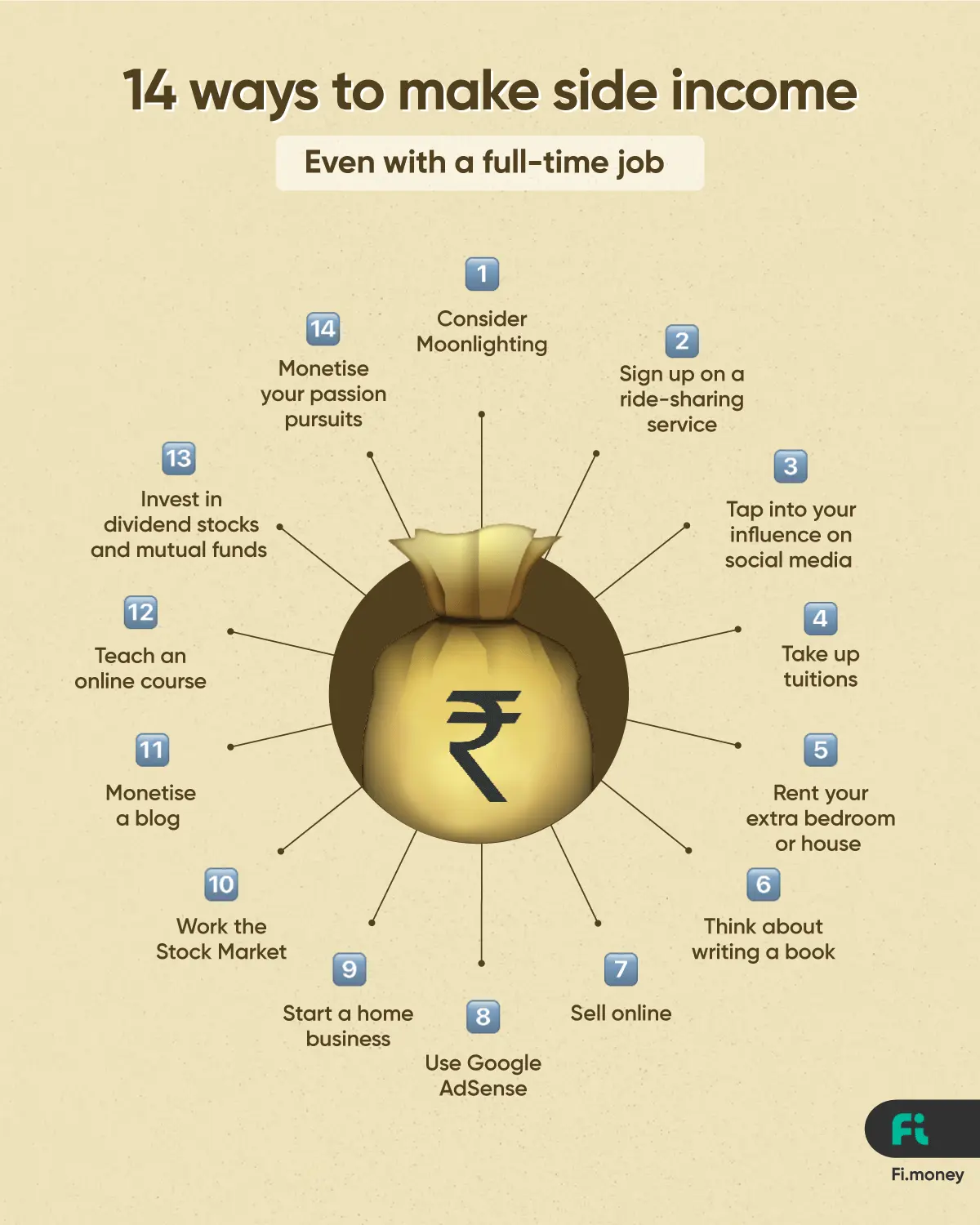
The most immediate way to generate extra income is by tapping into existing digital infrastructures that connect service providers with consumers. The gig economy has democratized access to work, allowing individuals to monetize their time and assets with minimal overhead costs.
The Rise of High-Skill Freelancing
While many associate the gig economy with ride-sharing or food delivery, the most lucrative opportunities lie in high-skill freelancing. Platforms like Upwork, Toptal, and Fiverr Pro allow professionals in fields such as copywriting, graphic design, software development, and financial consulting to command premium rates. To succeed here, one must transition from a “generalist” mindset to a “specialist” one. By carving out a niche—such as “Legal Copywriting for Fintech” or “User Experience Design for E-commerce”—you can reduce competition and increase your hourly billing rate.
Monetizing Underutilized Assets
Beyond selling your time, you can generate significant side income by monetizing assets you already own. This is often referred to as “asset-based income.” Platforms like Airbnb allow for the short-term rental of spare rooms or vacation properties, while Turo provides a marketplace for renting out your vehicle. For those with specialized equipment—such as high-end cameras, power tools, or musical instruments—platforms like Fat Llama allow you to rent these items to others. This method is particularly effective because it leverages “sunk costs,” turning stagnant assets into cash-flow-producing engines.
On-Demand Service Labor
For those who prefer physical or local tasks, on-demand labor platforms like TaskRabbit or Handy provide a steady stream of opportunities. Whether it is furniture assembly, home repairs, or professional organization, these platforms handle the marketing and payment processing, allowing you to focus entirely on the service. The strategy for maximizing income in this sector involves “geographic optimization”—focusing your efforts in high-demand, affluent urban centers where clients are willing to pay a premium for convenience and reliability.
2. Building Passive Income Through Strategic Investing
While active side hustles require a direct exchange of time for money, the ultimate goal of financial diversification is to create passive income streams. Passive income allows your capital to work for you, providing a financial safety net that grows even when you are not actively working.
Dividend Growth Investing and ETFs
One of the most tried-and-true methods of making extra money is through the stock market, specifically via dividend-paying stocks and Exchange-Traded Funds (ETFs). By investing in “Dividend Aristocrats”—companies that have consistently increased their dividend payouts for 25 years or more—you create a predictable quarterly or monthly income stream. For a more diversified approach, Dividend ETFs allow you to spread your risk across hundreds of companies. While this requires initial capital, the compounding effect over time can turn a modest side contribution into a substantial secondary salary.
Real Estate Crowdfunding and REITs
Physical real estate has traditionally been a primary source of side income, but the barrier to entry (down payments, property management) is often too high for many. Real Estate Investment Trusts (REITs) and crowdfunding platforms like Fundrise or RealtyMogul allow individuals to invest in commercial or residential real estate with as little as $500. These platforms pool capital from multiple investors to purchase large-scale properties, distributing a share of the rental income and capital appreciation to the participants. This provides the benefits of real estate ownership without the headaches of being a landlord.
High-Yield Cash Management
In a high-interest-rate environment, even your “emergency fund” or liquid savings can act as a side hustle. Moving stagnant cash from a traditional big-bank savings account (which often pays near 0% interest) to a High-Yield Savings Account (HYSA) or a Certificate of Deposit (CD) ladder can generate hundreds, if not thousands, of dollars in annual interest. While this is the most “passive” form of income, it requires constant monitoring of interest rate trends to ensure your capital is parked in the most competitive vehicles.
3. Monetizing Specialized Knowledge and Content
In the “Information Age,” knowledge is a highly tradable commodity. If you possess a specific skill set or deep expertise in a particular subject, you can package that information into digital products that can be sold repeatedly with near-zero marginal costs.
Digital Products and Online Education
The global e-learning market is projected to reach hundreds of billions of dollars in the coming years. Creating an online course on platforms like Teachable, Udemy, or Coursera allows you to teach a skill once and profit from it indefinitely. Whether it’s “Advanced Excel for Accountants” or “Boutique Gardening Techniques,” there is a market for specialized knowledge. Similarly, selling digital products like e-books, templates, or specialized software plug-ins on marketplaces like Etsy or Gumroad can provide a steady stream of “sleep income.”
Content Monetization and Affiliate Marketing
If you have a knack for communication, building an audience through a blog, YouTube channel, or newsletter (such as Substack) can lead to significant side revenue. Once you have established a loyal following, you can monetize through affiliate marketing—earning a commission for recommending products you trust. The key to successful affiliate marketing is authenticity; recommending high-quality financial tools, books, or software that genuinely helps your audience builds trust, which in turn leads to higher conversion rates and sustainable long-term income.
Consulting and Coaching
For those who prefer a high-touch approach, one-on-one coaching or small-group consulting remains one of the fastest ways to generate extra cash. Unlike broad courses, consulting provides tailored solutions to specific problems. Professionals often find success by offering “fractional” services—working as a part-time CFO, marketing director, or project manager for startups that cannot yet afford a full-time executive. This allows you to leverage your primary career skills in a side capacity for a significantly higher hourly rate than traditional freelance work.
4. Operationalizing and Scaling the Side Income
Generating extra money is the first step; managing it effectively is what leads to true wealth. To ensure your side hustle remains a benefit rather than a burden, you must treat it with the same professional rigor as a primary business.
Financial Tracking and Tax Optimization
The most common mistake people make with side income is failing to account for taxes. Side hustle income is typically “untaxed” at the source, meaning you are responsible for self-employment taxes. Setting up a separate business bank account and using accounting software like QuickBooks or FreshBooks is essential. This not only simplifies tax filing but also allows you to identify deductible business expenses—such as home office equipment, internet costs, and travel—thereby reducing your overall tax liability.
Time Management and Burnout Prevention
A side hustle should improve your life, not consume it. “Time-blocking” is a critical skill for anyone working extra hours. By dedicating specific windows of time to your side venture, you prevent it from bleeding into your primary job or personal life. Furthermore, it is important to periodically audit your side income sources. If a particular hustle is generating low returns relative to the time invested, it may be time to “pivot” or “sunset” that project in favor of a more scalable or higher-paying opportunity.

Reinvestment for Exponential Growth
The fastest way to grow side income is to resist the urge to spend the profits on lifestyle inflation. Instead, adopt a “reinvestment” strategy. Use the extra money to upgrade your tools, pay for targeted advertising, or invest back into the market-based vehicles mentioned earlier. By treating your side income as a “capital engine” rather than a “spending fund,” you create a feedback loop where your extra money begins to generate its own extra money, eventually leading to a point where your side income may rival or exceed your primary salary.
In conclusion, making extra money on the side is a multi-faceted endeavor that requires a blend of active effort, strategic investing, and disciplined financial management. Whether you are navigating the gig economy, building a portfolio of dividend stocks, or selling your expertise to a global audience, the objective remains the same: to create a diversified financial base that provides security, freedom, and the ability to pursue your long-term ambitions with confidence.
aViewFromTheCave is a participant in the Amazon Services LLC Associates Program, an affiliate advertising program designed to provide a means for sites to earn advertising fees by advertising and linking to Amazon.com. Amazon, the Amazon logo, AmazonSupply, and the AmazonSupply logo are trademarks of Amazon.com, Inc. or its affiliates. As an Amazon Associate we earn affiliate commissions from qualifying purchases.