
Elon Musk, a name synonymous with innovation, disruption, and an ambitious vision for humanity’s future, is perhaps best known for spearheading companies like Tesla, SpaceX, and Neuralink. Given his profound influence on the automotive industry, particularly in electric vehicles (EVs) and autonomous driving, the question of what vehicle he personally chooses to drive is not merely a matter of curiosity but a keen insight into the bleeding edge of automotive technology. For a tech visionary, a car isn’t just transportation; it’s often a statement, a testbed, and a reflection of the technological frontier he himself is pushing. While specific details of his current daily driver can fluctuate, his choices consistently align with advanced technology, sustainable innovation, and often, the very products of his own pioneering ventures.
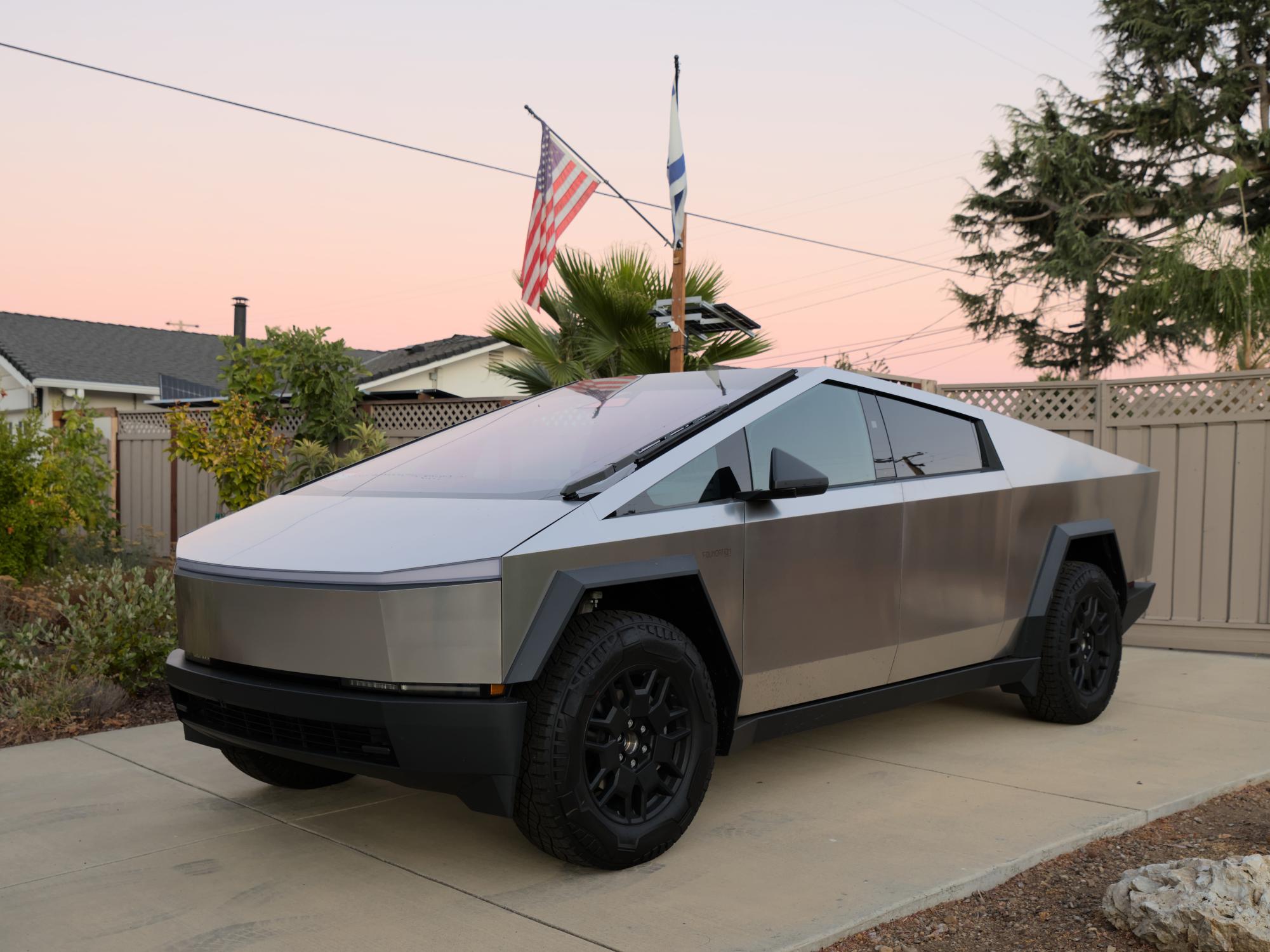
Elon Musk’s Garage: A Showcase of Automotive Innovation
Unsurprisingly, Elon Musk primarily drives vehicles produced by his own company, Tesla, leveraging them not just for personal mobility but as living laboratories and powerful demonstrations of the technology he champions. His choices underscore a commitment to electric propulsion, sophisticated software, and groundbreaking design.
The Tesla Flagships: Model S and X Prowess
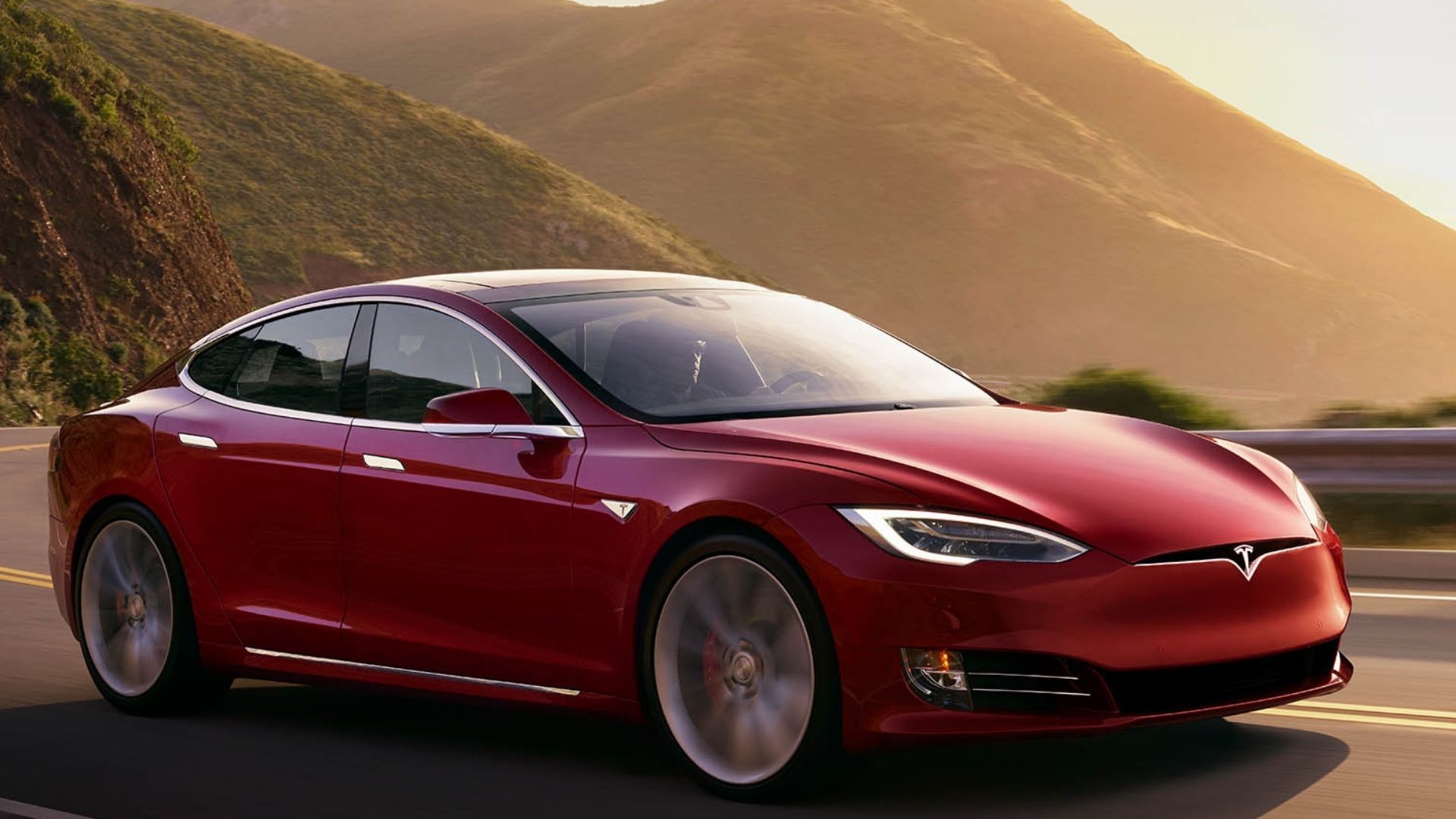
For many years, Musk has been associated with Tesla’s flagship models, the Model S and Model X. The Model S, especially in its performance variants like the Plaid, represents the pinnacle of electric sedan engineering. It’s lauded for its blistering acceleration, long-range capabilities, and a technology-rich interior dominated by a large central touchscreen that controls most vehicle functions. From a tech perspective, the Model S showcases advanced battery management systems, a highly efficient electric powertrain, and sophisticated software that constantly evolves through over-the-air (OTA) updates.
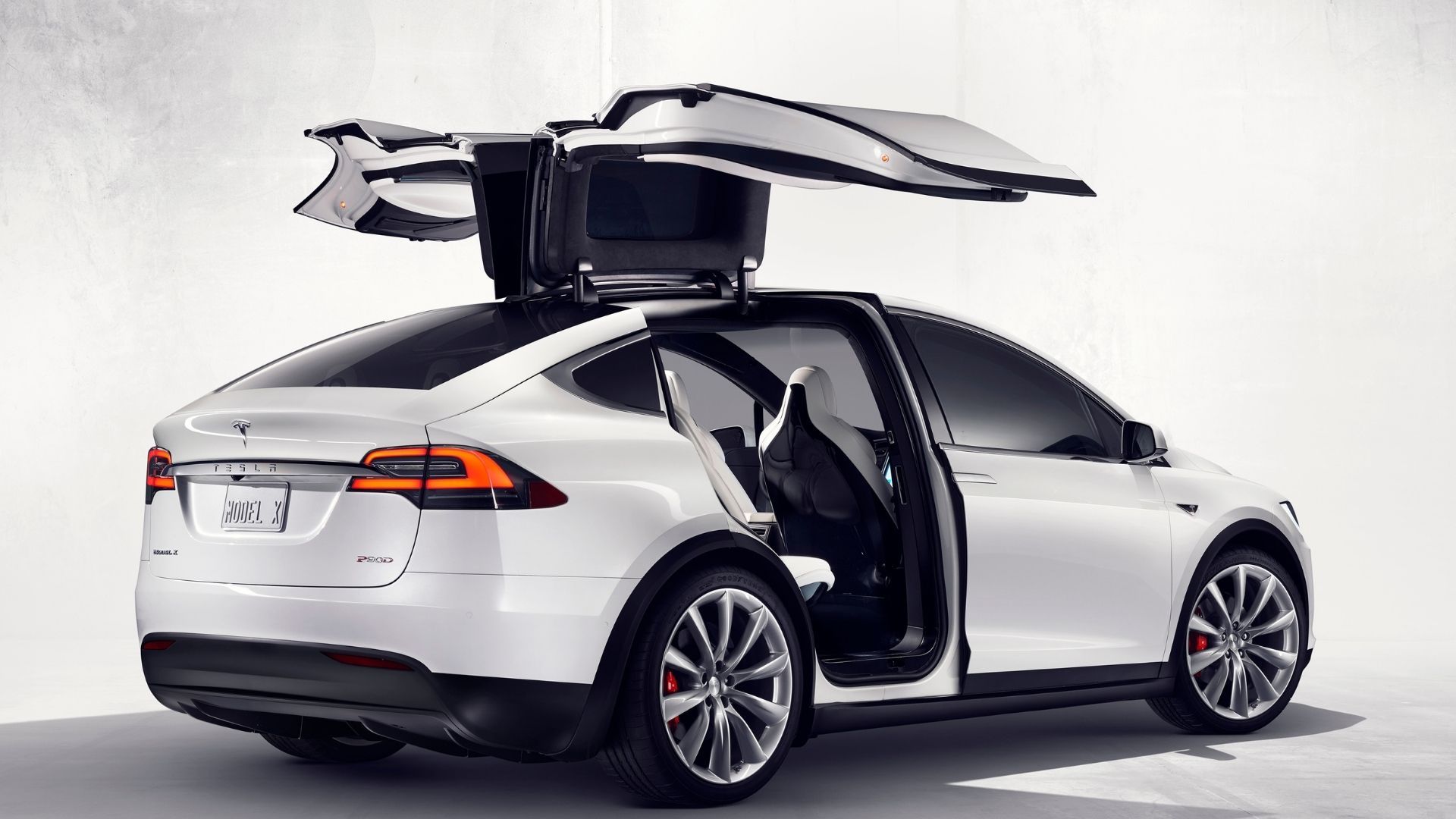
The Model X, an all-electric SUV, offers similar technological sophistication with the added utility of falcon-wing doors – a controversial but technologically complex design choice aimed at enhancing passenger access and standing out from traditional SUVs. Both models are equipped with Tesla’s advanced sensor suite for Autopilot and Full Self-Driving (FSD) capabilities, making them rolling demonstrations of AI in action on public roads. Musk’s preference for these models highlights their role not just as luxury vehicles, but as symbols of technological progress and a sustainable future.
Cybertruck: Redefining Utility and Materials Science
Perhaps the most audacious and technologically radical vehicle to emerge from Tesla under Musk’s tenure is the Cybertruck. While its production and delivery timeline has been extended, Musk has frequently been seen driving prototypes of the Cybertruck, using it as a personal vehicle long before its official release to the public. The Cybertruck is a masterclass in materials science and unconventional design, built with an “exoskeleton” of ultra-hard 30X cold-rolled stainless steel, intended to withstand significant impacts and corrosion.
Its design challenges traditional manufacturing processes, requiring new stamping techniques and a rethinking of automotive body construction. Beyond its rugged exterior, the Cybertruck promises extreme performance, including rapid acceleration for a truck of its size, substantial towing capacity, and impressive off-road capabilities, all powered by an advanced electric drivetrain. Its utility features, such as an integrated air compressor and a robust vault-like bed, push the boundaries of what a pickup truck can be, blending brutalist aesthetics with cutting-edge engineering.
Roadster 2.0: Pushing the Boundaries of Electric Performance
Though not yet in full production, the second-generation Tesla Roadster is a car Musk has heavily promoted and is expected to drive upon its release. Positioned as the ultimate electric hypercar, the Roadster 2.0 aims to shatter performance records, boasting acceleration from 0-60 mph in under 2 seconds and a projected top speed exceeding 250 mph. Its technological ambition extends to an estimated range of 620 miles on a single charge, a feat that would revolutionize perceptions of EV practicality and battery density. The Roadster 2.0 represents Tesla’s commitment to proving that electric propulsion can not only match but significantly surpass the performance of internal combustion engine (ICE) vehicles, challenging the very notion of what a supercar can achieve through advanced powertrain and aerodynamic design.
Beyond Personal Use: Driving Tesla’s Technological Narrative
Musk’s interaction with Tesla vehicles goes far beyond simple ownership; it’s an intrinsic part of his role as CEO and chief evangelist. He effectively uses his personal experience with the vehicles to drive Tesla’s technological narrative forward, often acting as a beta tester and a real-world demonstrator of their core innovations.
Autopilot and FSD: The AI Core of Musk’s Vision
Central to Tesla’s technological offering, and a feature Musk frequently uses and discusses, is Autopilot and the more advanced Full Self-Driving (FSD) beta software. These systems are powered by a combination of neural networks, advanced sensor arrays (cameras, ultrasonic sensors, radar), and custom-designed AI hardware (the Tesla FSD chip). When Musk drives a Tesla, he is effectively operating one of the most sophisticated consumer-level AI systems in the world, actively contributing to the feedback loop that refines FSD’s capabilities. This showcases the incredible potential of artificial intelligence in real-world applications, constantly learning and improving through millions of miles of data collected from the Tesla fleet. The debate around FSD’s capabilities and safety is a constant presence in tech discourse, and Musk’s personal use offers direct, if sometimes controversial, insight into its development.
Battery Technology: The Powerhouse of EV Revolution
The performance, range, and longevity of any EV hinge on its battery technology, an area where Tesla, under Musk’s leadership, has made tremendous strides. Whether it’s the 18650 cells, the larger 2170 cells, or the future 4680 structural battery pack, Musk’s vehicles are powered by some of the most advanced battery chemistries and management systems available. These technologies are not just about raw energy storage but also thermal management, charging speeds, and overall efficiency. His daily driving exposes these battery systems to real-world conditions, providing invaluable data for further innovation and demonstrating the viability of electric propulsion for mass adoption.
Over-the-Air Updates: Software-Defined Vehicles
A defining characteristic of Tesla vehicles, and something Musk frequently emphasizes, is their capability for extensive over-the-air (OTA) software updates. Unlike traditional cars, Teslas are “software-defined vehicles,” meaning their functionality, performance, and even safety features can be significantly enhanced or altered remotely. Musk’s own vehicles receive these updates, demonstrating how software can unlock new features, improve existing ones, and even increase range or acceleration post-purchase. This paradigm shift from hardware-centric to software-centric vehicle development is a cornerstone of Tesla’s strategy and a clear indicator of Musk’s tech-first approach to automotive engineering.
Historical Perspective: Influences on a Tech Visionary
While Tesla vehicles form the core of his personal fleet today, Musk’s automotive interests and inspirations predate his ventures into electric cars. These earlier fascinations often hint at the technological ideals he would later embed in Tesla.
The McLaren F1: A Benchmark of Engineering Excellence
Before founding Tesla, Elon Musk owned a McLaren F1, a legendary supercar renowned for its groundbreaking engineering, performance, and exclusivity. The McLaren F1 was a technological marvel of its time, featuring a carbon-fiber monocoque chassis, a gold-lined engine bay for heat dissipation, and a central driving position. Musk famously drove this car as his daily driver in Silicon Valley, even crashing it at one point. His ownership of such a high-performance, meticulously engineered vehicle speaks to an early appreciation for extreme technological innovation and engineering prowess, values he would later imbue into Tesla’s design and performance philosophy. The F1’s pursuit of ultimate performance and lightweight construction likely served as a benchmark for his own automotive ambitions.
Lotus Esprit Submarine Car: The Inspiration for Amphibious Dreams
A more whimsical, yet equally tech-driven, acquisition was the Lotus Esprit “Wet Nellie” submarine car used in the James Bond film The Spy Who Loved Me. Musk purchased the prop at auction in 2013 with the stated intention of making it a functional road car that could transform into a submarine, expressing his disappointment that it didn’t already work. This purchase highlights his fascination with advanced, even fantastical, technological solutions and his drive to turn science fiction into reality. It’s a clear link to the ambitious and often unconventional engineering challenges Tesla tackles, such as the Cybertruck’s robust exterior or the potential future innovations of the Roadster.
Musk’s Daily Commute: A Living Lab for Future Tech
Elon Musk’s personal use of Tesla vehicles isn’t just about driving; it’s about experiencing and stress-testing the future of mobility in real-time. His daily commute effectively turns into a continuous evaluation and demonstration of advanced automotive technology.
Infotainment Systems: User Experience at the Forefront
The user interface and infotainment systems in Tesla vehicles are characterized by their minimalist design and heavy reliance on a large central touchscreen, a paradigm shift from button-laden dashboards. Musk’s experience with these systems directly influences their evolution. From navigation to media consumption, and even gaming, the infotainment system is a crucial component of the Tesla user experience. It reflects a software-first approach where intuitive design and seamless integration with digital services are paramount, mimicking the rapid evolution seen in smartphones and tablets rather than traditional automotive electronics.
Vehicle-to-Grid (V2G) and Sustainable Energy Integration
While not a direct feature of his daily driving, Musk’s advocacy for Tesla vehicles integrates seamlessly with his broader vision for sustainable energy. The cars themselves are massive battery packs on wheels, capable of storing significant amounts of energy. The potential for Vehicle-to-Grid (V2G) technology, where EVs can feed electricity back into the grid during peak demand or power a home during outages (as explored with the Powerwall and Powerwall+), represents a critical convergence of automotive and energy technology. Musk’s cars, therefore, are not just about individual transportation but are part of a larger ecosystem designed to decentralize and decarbonize energy consumption, a pivotal tech trend.
The Implications for Automotive Technology Trends
Elon Musk’s personal vehicle choices and his leadership at Tesla have profound implications for global automotive technology trends, pushing the entire industry towards radical innovation.
The Shift to Electric: Performance, Range, and Charging
Musk’s relentless pursuit of better battery technology, more efficient powertrains, and a ubiquitous charging infrastructure (Superchargers) through Tesla has catalyzed the global shift towards electric vehicles. His cars demonstrate that EVs are not merely eco-friendly alternatives but can outperform their ICE counterparts in acceleration and often offer comparable or superior range. His driving habits and public statements frequently highlight the technological advancements that make long-distance EV travel practical and exciting, forcing legacy automakers to accelerate their own electrification plans.
Autonomous Driving: Safety, Ethics, and the AI Frontier
Tesla’s focus on Autopilot and FSD has made autonomous driving one of the most hotly debated and rapidly developing areas in automotive tech. Musk’s personal use of these features, alongside public rollouts, pushes the boundaries of what is possible with AI in dynamic, real-world environments. This effort not only advances the technology but also brings critical questions of safety, liability, and ethical decision-making in AI to the forefront of public and regulatory discussions, shaping the future legal and operational frameworks for self-driving cars.
In conclusion, Elon Musk drives Teslas, predominantly Model S, X, and Cybertruck prototypes, not just because he owns the company, but because these vehicles embody the cutting-edge technology and ambitious future he is striving to build. His choices are a testament to the power of electric propulsion, sophisticated AI, advanced materials science, and a software-defined approach to automotive engineering, all of which continue to reshape the global technology landscape. His cars are more than personal transportation; they are moving manifestos of a technologically advanced, sustainable future.
aViewFromTheCave is a participant in the Amazon Services LLC Associates Program, an affiliate advertising program designed to provide a means for sites to earn advertising fees by advertising and linking to Amazon.com. Amazon, the Amazon logo, AmazonSupply, and the AmazonSupply logo are trademarks of Amazon.com, Inc. or its affiliates. As an Amazon Associate we earn affiliate commissions from qualifying purchases.