
Tesla, a company synonymous with innovation and often characterized by its mercurial stock performance, frequently captures headlines with significant price movements. For investors, analysts, and even casual observers, a sudden drop in its stock price inevitably sparks curiosity and often, a flurry of speculative theories. While a definitive, single reason for a daily stock fluctuation is rarely clear-cut until after the fact, a confluence of factors, ranging from broad market sentiment to company-specific news, typically underlies such shifts. Understanding these potential drivers is crucial for any investor looking beyond the immediate noise to grasp the underlying dynamics of this prominent electric vehicle (and energy) giant.
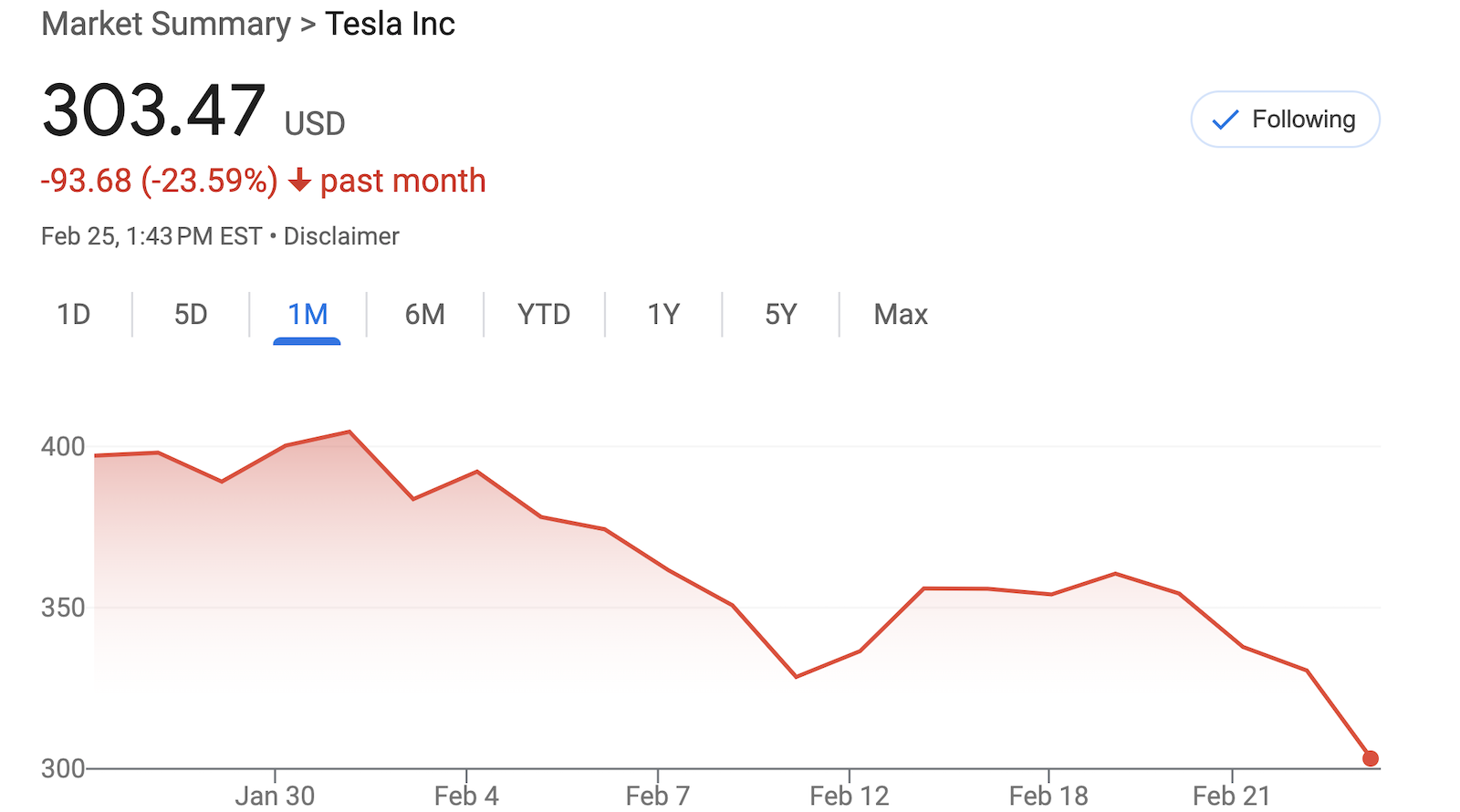
Tesla’s stock (TSLA) is known for its high volatility, influenced by everything from macroeconomic data to Elon Musk’s latest tweet. A drop on any given day can be the result of a single significant event or, more commonly, a complex interplay of several less dramatic forces. This article delves into the various financial and market-related explanations that could contribute to Tesla’s stock experiencing a downturn on any particular day, providing an insightful, professional, and exclusively money-focused analysis.
Macroeconomic Headwinds and Broader Market Sentiment
One of the most pervasive influences on any individual stock, particularly a high-growth, high-valuation one like Tesla, is the prevailing macroeconomic environment and overall market sentiment. A “red” day for Tesla often coincides with a broader market sell-off, driven by concerns that transcend any single company.
Broader Market Corrections
When major indices like the S&P 500 or Nasdaq Composite experience a significant downturn, even fundamentally strong companies often get pulled along. This phenomenon, known as market correction or risk-off sentiment, can be triggered by a variety of factors, including fears of an impending recession, geopolitical instability, or a sudden shift in investor confidence. Tesla, being a major component of several growth-focused ETFs and indices, is particularly susceptible to these broader market movements. A significant outflow from technology or growth funds can disproportionately impact TSLA.
Interest Rate Hikes and Inflation Concerns
Central bank policies, particularly interest rate adjustments, play a critical role in how investors value future earnings. Higher interest rates typically make borrowing more expensive for companies and consumers, potentially slowing economic growth. More importantly for growth stocks, higher rates increase the “discount rate” used in valuation models, making future profits less valuable in present terms. This can lead to a re-evaluation of high-growth, high-valuation stocks like Tesla, whose significant earnings are often projected far into the future. Persistent inflation also erodes purchasing power, potentially dampening consumer demand for big-ticket items like new cars, even EVs.
Geopolitical Tensions
Uncertainty on the global stage, such as major conflicts, trade disputes, or shifts in international relations, can send ripples through financial markets. Geopolitical instability can disrupt supply chains, increase commodity prices (like lithium or nickel, critical for EV batteries), or create general economic jitters that prompt investors to seek safer, less volatile assets, moving away from perceived riskier growth stocks. Given Tesla’s global manufacturing footprint and sales presence, it is inherently exposed to such international dynamics.
Company-Specific News and Analyst Actions
Beyond the broader market, specific developments directly related to Tesla, its operations, or the perceptions of financial experts often serve as immediate catalysts for stock movements.
Production and Delivery Updates
Tesla’s valuation is heavily tied to its growth trajectory, particularly its ability to scale production and deliver vehicles. Any news suggesting a miss on production targets, a slowdown in delivery rates, or revised outlooks that fall short of analyst expectations can trigger a sharp sell-off. Investors scrutinize quarterly reports and factory updates for any signs of struggle or deceleration in its growth narrative, as even minor deviations can be interpreted as a failure to meet aggressive forecasts. Conversely, stronger than expected numbers often lead to rallies.
Pricing Strategy Adjustments
Tesla’s dynamic pricing strategy, involving frequent adjustments to vehicle costs, can be a double-edged sword for its stock. Price cuts, while potentially boosting demand and market share, can also signal waning demand or intensifying competition, leading to concerns about shrinking profit margins. Investors pay close attention to average selling prices (ASPs) as an indicator of profitability, and any significant downward trend can spook the market, especially if accompanied by increased capital expenditure for production expansion.
Executive Actions and Controversies
Elon Musk, Tesla’s CEO, is a highly influential and often controversial figure. His public statements, social media activity, and actions related to his other ventures (e.g., SpaceX, X/Twitter) can have a direct and immediate impact on TSLA stock. Investor sentiment can be swayed by concerns over his focus, potential stock sales to fund other projects, or any perceived negative publicity stemming from his personal or business conduct. Litigation, regulatory scrutiny, or major executive departures can also weigh heavily on the stock.
Analyst Downgrades and Price Target Revisions
Financial analysts at major investment banks constantly evaluate companies and issue reports with ratings (buy, hold, sell) and price targets. A downgrade from a prominent analyst or a significant reduction in a price target can trigger a wave of selling, particularly if institutional investors follow these recommendations. These downgrades often reflect a revised outlook on Tesla’s future earnings, competitive position, or valuation multiples.
Competitive Landscape and Industry Dynamics
While Tesla has been a pioneer, the automotive industry, particularly the EV segment, is becoming increasingly crowded and competitive. Developments in this landscape can significantly influence investor perception of Tesla’s long-term dominance and profitability.

Intensifying EV Competition
Almost every major traditional automaker has now committed billions to developing their own electric vehicle lineups, often with compelling features and competitive pricing. New EV startups are also emerging. As more viable alternatives enter the market, Tesla’s market share and pricing power could face erosion. News of successful launches from competitors, impressive sales figures from rivals, or breakthrough battery technologies from other players can dampen enthusiasm for Tesla stock by signaling a more challenging competitive environment.
Supply Chain Disruptions
The automotive industry is highly dependent on complex global supply chains. Shortages of critical components (like semiconductors), raw materials (lithium, cobalt), or logistics bottlenecks can hinder production, delay deliveries, and increase manufacturing costs. Tesla, despite its vertical integration efforts, is not immune to these issues. News of factory shutdowns, production line slowdowns due to parts shortages, or increased material costs can directly impact profitability and investor confidence.
Regulatory Changes and EV Subsidies
Government policies and regulations play a significant role in the EV market. Changes in vehicle emission standards, consumer subsidies (tax credits for EV purchases), or infrastructure development initiatives can either boost or hinder EV sales. Uncertainty or negative news regarding these policies in key markets (e.g., US, Europe, China) can affect Tesla’s sales outlook and, consequently, its stock performance. For instance, the phasing out of certain tax credits can reduce the attractiveness of Tesla vehicles to some consumers.
Technical Trading Factors and Investor Behavior
Beyond fundamental analysis and news, the sheer mechanics of stock trading and the psychological aspects of investor behavior also contribute to daily price movements.
Profit-Taking and Volatility
Tesla’s stock has a history of dramatic gains, making it a prime candidate for profit-taking after significant upward moves. Investors who have seen substantial returns may choose to sell shares to lock in profits, especially if they perceive the stock to be overvalued or anticipate a correction. Given Tesla’s high beta (a measure of volatility relative to the market), it tends to amplify both market ups and downs. High volatility itself can deter some risk-aaverse investors or trigger stop-loss orders.
Algorithmic Trading and Short Selling
A significant portion of daily trading volume is executed by algorithmic trading programs that react to market signals, news headlines, and technical indicators at lightning speed. These algorithms can amplify price movements, both up and down, as they automatically execute buy or sell orders based on pre-programmed rules. Furthermore, Tesla is one of the most heavily shorted stocks, meaning a large number of investors bet against its share price. A rise in short interest or a “short squeeze” (where shorts are forced to buy back shares, driving prices up) can occur, but increased short selling pressure can also contribute to declines.
Retail Investor Sentiment and Speculation
Tesla has a highly engaged and often passionate retail investor base. Social media sentiment, online forums, and speculative trading by individual investors can collectively influence daily price action, sometimes disconnected from traditional financial metrics. A shift in this sentiment, perhaps triggered by anecdotal evidence or viral discussions, can contribute to sudden drops or rallies. The fear of missing out (FOMO) and fear, uncertainty, and doubt (FUD) are powerful psychological drivers in such a dynamic stock.
The Long-Term Perspective: Beyond Daily Swings
While daily fluctuations are a natural part of the stock market, successful investing, particularly in a company like Tesla, often requires a focus on the long-term fundamentals rather than short-term noise.
Fundamental Strengths and Growth Trajectory
Despite daily drops, Tesla’s underlying strengths often remain intact: its brand recognition, technological leadership in EVs and battery technology, software capabilities, expansive charging network, and ambitious plans for AI, robotics, and energy storage. Investors with a long-term horizon typically assess these fundamental strengths and the company’s potential to continue disrupting multiple industries, rather than reacting to transient market movements.
Innovation and Future Potential
Tesla consistently invests heavily in research and development, aiming to stay ahead of the curve. Its ventures into autonomous driving, AI, humanoid robots (Optimus), and large-scale energy storage solutions represent significant future growth avenues that may not be fully reflected in its current stock price. Long-term investors often hold the stock based on this innovation pipeline and the potential for new revenue streams.
Risk Management for Investors
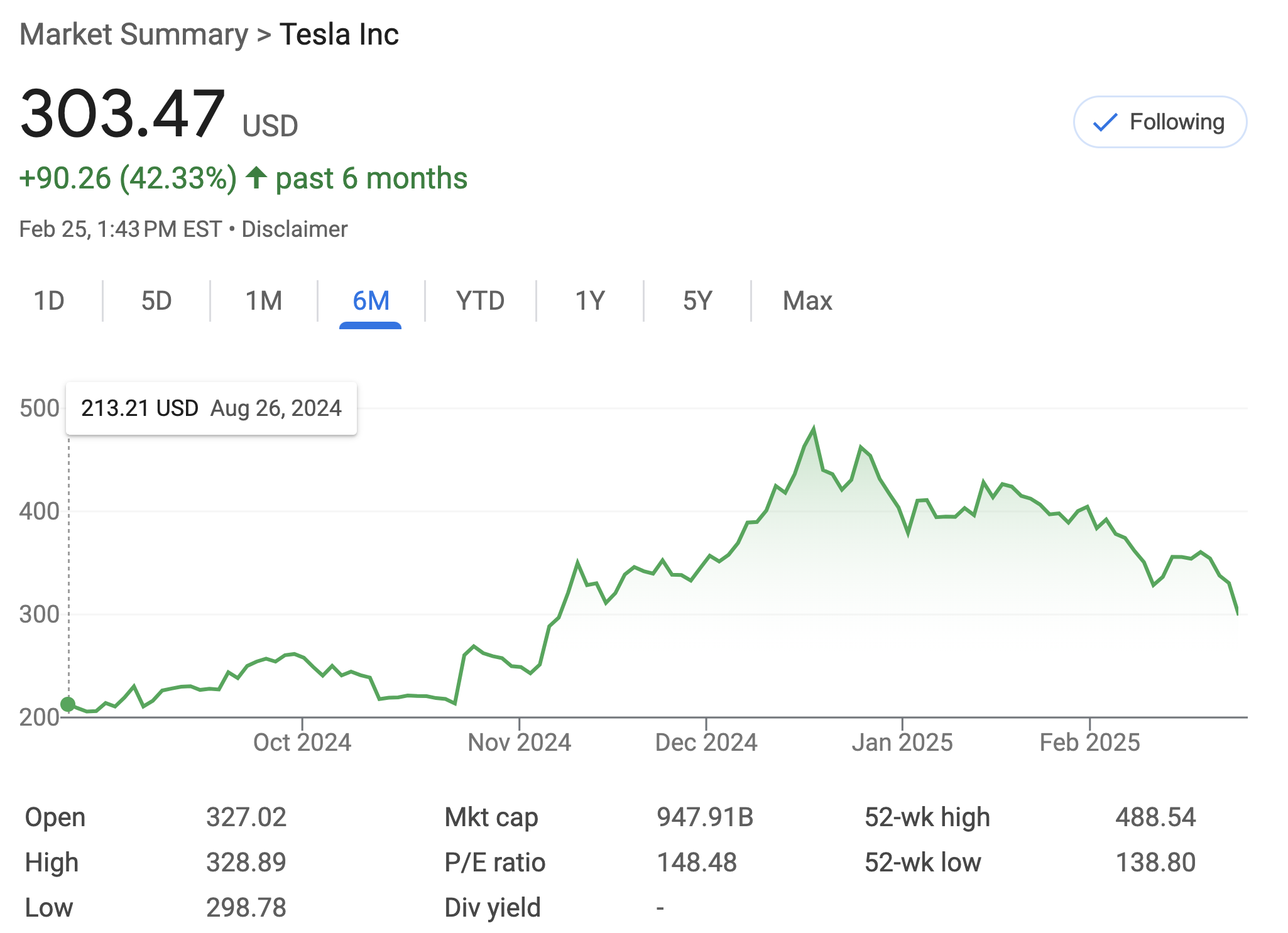
For those invested in or considering Tesla, understanding its volatility and the myriad factors influencing its price is key to effective risk management. This involves diversifying portfolios, setting appropriate position sizes, and conducting thorough due diligence that extends beyond immediate news cycles. A drop today, while attention-grabbing, must be contextualized within the company’s broader journey and the investor’s individual financial goals and risk tolerance.
Conclusion
A drop in Tesla’s stock price on any given day is rarely attributable to a single, isolated event. Instead, it typically emerges from a complex interplay of macroeconomic forces, company-specific developments, competitive pressures, and technical trading dynamics. From rising interest rates and broader market corrections to analyst downgrades, production concerns, intensified EV competition, or even the latest executive comments, numerous financial levers can individually or collectively pull TSLA shares lower.
For investors, the crucial takeaway is to look beyond the immediate headlines and consider the full spectrum of influences. While daily movements provide interesting data points, a deeper understanding of fundamental value drivers, long-term growth prospects, and effective risk management strategies remains paramount for navigating the often-turbulent waters of investing in a high-profile, high-growth company like Tesla. Short-term volatility is often a characteristic, not a flaw, of pioneering innovation.
aViewFromTheCave is a participant in the Amazon Services LLC Associates Program, an affiliate advertising program designed to provide a means for sites to earn advertising fees by advertising and linking to Amazon.com. Amazon, the Amazon logo, AmazonSupply, and the AmazonSupply logo are trademarks of Amazon.com, Inc. or its affiliates. As an Amazon Associate we earn affiliate commissions from qualifying purchases.