
The question “how much is Tesla stock worth?” is far more complex than a simple glance at its current market price. For investors, financial analysts, and market watchers alike, determining the true value of Tesla (TSLA) is a perpetual exercise in balancing present realities with future potential, technological disruption, and significant market sentiment. Tesla is not merely an automotive company; it’s a technology innovator, an energy provider, and a brand icon, making its valuation a hotly debated topic in financial circles. Understanding its worth requires delving deep into traditional financial metrics, acknowledging its unique position as a growth stock, and dissecting the myriad internal and external factors that constantly shape its market capitalization.
Understanding Stock Valuation: More Than Just a Price Tag
To truly grasp Tesla’s worth, one must first differentiate between its market price and its intrinsic value. These are not always one and the same, particularly for a company as dynamic and scrutinized as Tesla.
Market Price vs. Intrinsic Value
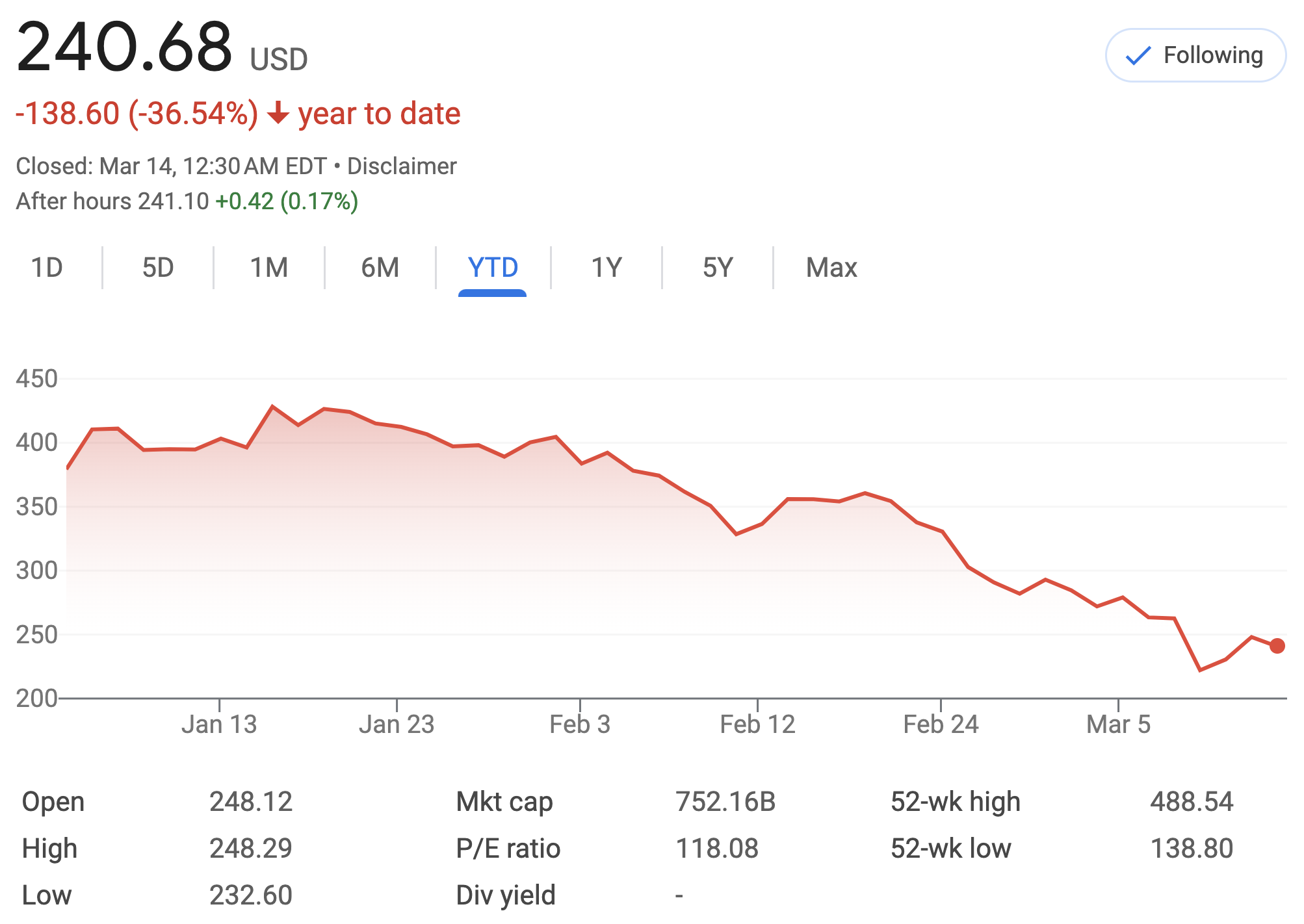
The market price of Tesla stock is simply what a share trades for on the stock exchange at any given moment. This price is determined by the immediate forces of supply and demand, influenced by daily news, investor sentiment, and broader market movements. It reflects what investors are currently willing to pay.
Intrinsic value, on the other hand, is an analyst’s estimate of a company’s true, underlying worth, based on a thorough analysis of its financial health, assets, earnings power, future growth prospects, and competitive advantages. It’s what the company should be worth, irrespective of temporary market fluctuations. For growth companies like Tesla, intrinsic value can be particularly challenging to pinpoint, as a significant portion of their perceived worth lies in future, often speculative, earnings and technological breakthroughs.
Key Valuation Metrics
Investors and analysts use a variety of financial metrics to assess a company’s worth, each offering a different lens through which to view its financial health and potential.
-
Market Capitalization (Market Cap): This is the total value of all of a company’s outstanding shares. It’s calculated by multiplying the current share price by the number of shares outstanding. Market cap provides an immediate snapshot of the company’s size and market perception. For Tesla, its market cap often places it among the largest companies globally, far exceeding traditional automakers, despite producing fewer vehicles. This disparity highlights the premium investors place on its growth potential and technological leadership.
-
Price-to-Earnings (P/E) Ratio: This ratio compares a company’s current share price to its earnings per share (EPS). A high P/E ratio suggests investors are willing to pay more for each dollar of earnings, often indicating expectations of high future growth. Tesla has historically commanded a very high P/E ratio, often significantly higher than its peers in the automotive sector, signaling that investors are valuing its future profits more than its current ones. This can be contentious, with some arguing it’s justified by hyper-growth and others seeing it as a sign of overvaluation.
-
Price-to-Sales (P/S) Ratio: This metric compares a company’s share price to its revenue per share. It’s particularly useful for growth companies that may not yet be consistently profitable but are generating significant revenue. A high P/S ratio indicates strong investor confidence in the company’s ability to turn revenue into future profits. Tesla’s P/S ratio, while also high, provides a different perspective when earnings are volatile or reinvested heavily into growth.
-
EV/EBITDA (Enterprise Value to Earnings Before Interest, Taxes, Depreciation, and Amortization): This metric is often preferred by analysts because it accounts for debt and cash (enterprise value) and strips out non-cash expenses and financing structures (EBITDA), providing a clearer picture of operational profitability. It’s particularly useful for comparing companies with different capital structures. For a capital-intensive company like Tesla, which invests heavily in factories and R&D, EV/EBITDA can offer valuable insights into its underlying operational efficiency.
The Dynamic Factors Influencing Tesla’s Stock Value
Tesla’s stock value is a confluence of numerous factors, ranging from its internal performance to broader economic and geopolitical trends. These elements are constantly in flux, contributing to the stock’s renowned volatility.
Financial Performance and Growth Prospects
At its core, a company’s worth is tied to its ability to generate revenue, profits, and free cash flow. Tesla’s financial performance is closely watched, with quarterly earnings reports often causing significant stock movements.
- Revenue and Profitability: Investors scrutinize vehicle deliveries, average selling prices, and gross margins in the automotive segment, as well as growth in its energy generation and storage business. Sustained profitability, particularly when achieved without heavy reliance on regulatory credits, signals financial strength.
- Cash Flow and Balance Sheet: Strong free cash flow indicates a company’s ability to fund its operations and growth initiatives internally. A healthy balance sheet, with manageable debt and sufficient cash reserves, provides resilience against economic downturns and enables strategic investments.
- Future Growth Catalysts: Tesla’s valuation heavily depends on its projected growth in EV production, expansion into new markets, advancements in autonomous driving (Full Self-Driving), and the scaling of its energy storage solutions. Any news regarding new factories (Gigafactories), product launches (e.g., Cybertruck, Roadster 2), or technological breakthroughs significantly impacts future growth expectations.
Innovation and Technological Leadership
While firmly in the “Money” category, it’s impossible to discuss Tesla’s worth without acknowledging the financial implications of its technological prowess. Tesla’s valuation often incorporates a premium for its perceived lead in electric vehicle technology, battery innovation, software integration, and artificial intelligence.
- Battery Technology: Advancements in battery density, cost reduction, and longevity directly impact vehicle range, performance, and manufacturing costs, enhancing Tesla’s competitive edge and future profitability.
- Software and AI: Tesla’s emphasis on software-defined vehicles, over-the-air updates, and particularly its autonomous driving ambitions are significant drivers of its valuation. The potential for a fully autonomous robotaxi network or the sale of FSD as a recurring revenue service represents a massive potential future income stream that analysts attempt to quantify.
- Manufacturing Innovation: Tesla’s focus on innovative manufacturing processes, such as giga-casting and cell-to-pack battery integration, aims to reduce production costs and increase scalability, directly impacting profit margins and market penetration.
Market Sentiment and Investor Perception
Beyond fundamentals, market psychology plays an outsized role in Tesla’s stock price.
- Elon Musk’s Influence: CEO Elon Musk is a charismatic and often controversial figure. His tweets, public statements, and personal ventures frequently move the stock, reflecting the market’s strong reaction to his leadership and vision. This “Musk premium” or “Musk discount” is a unique aspect of Tesla’s valuation.
- Broader Market Trends: General market conditions, interest rate policies, economic forecasts, and investor appetite for growth stocks all influence Tesla’s performance. During periods of economic uncertainty, investors may rotate out of high-growth, high-valuation stocks.
- Speculative Interest: Tesla has a significant following among retail investors and has often been a favorite target for short-sellers. This high level of speculative interest contributes to its volatility, with price swings amplified by momentum trading and short squeezes.
Competitive Landscape and Regulatory Environment
Tesla operates in an increasingly crowded and regulated industry, which impacts its long-term financial prospects.
- Intensifying Competition: Traditional automakers (Ford, GM, VW, Mercedes-Benz) are rapidly electrifying their fleets, and new EV startups are emerging globally. This competition could erode Tesla’s market share, pressure prices, and impact profit margins.
- Supply Chain Resilience: Global supply chain disruptions, particularly for semiconductors and battery materials, can impact production volumes and profitability. Tesla’s ability to navigate these challenges is crucial for sustained growth.
- Government Policies and Incentives: Regulatory support for EVs (subsidies, tax credits) can boost demand, but changes in these policies can also pose risks. Environmental regulations and trade policies (tariffs) also impact manufacturing costs and market access.
Analyzing Tesla’s Unique Valuation Challenges
Valuing Tesla presents a unique set of challenges that distinguish it from many other publicly traded companies. Its blend of high growth, technological disruption, and visionary leadership makes traditional valuation models difficult to apply straightforwardly.
Growth Stock Premium and Future Expectations
Tesla is undeniably valued as a growth stock, meaning a significant portion of its current market value is based on expectations of substantial future earnings and market dominance, rather than its present-day financial performance.
- Discounted Cash Flow (DCF) Sensitivity: Analysts often use DCF models to project future cash flows and discount them back to a present value. However, the further out these projections extend, the more speculative they become. For Tesla, predicting cash flows 5-10 years from now involves making significant assumptions about market share, profitability of FSD, success of new ventures, and competitive responses, leading to a wide range of DCF valuations.
- “Optionality” Value: Tesla’s stock often includes an “optionality” premium, valuing the potential success of its future endeavors beyond just selling cars – such as robotaxis, energy grids, and even humanoid robots. This makes it difficult to compare with traditional industrial companies, as these “options” represent enormous, but uncertain, future cash flows.
Volatility and Speculative Elements
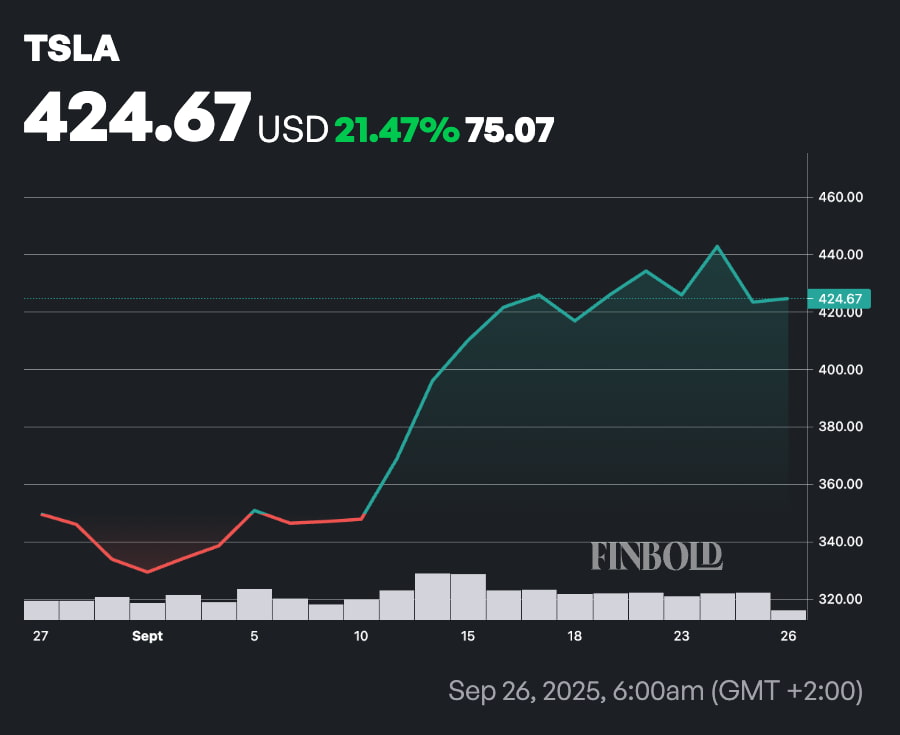
Tesla’s stock is renowned for its volatility, often experiencing dramatic price swings that can be difficult for investors to stomach.
- Earnings Surprises and Deliveries: Any deviation from analyst expectations in quarterly earnings or vehicle delivery numbers can trigger sharp movements. The market’s high expectations mean that even strong results might lead to a sell-off if they don’t meet an aggressive narrative.
- News-Driven Trading: As a highly visible company with a prominent CEO, Tesla is constantly in the news. Announcements related to product development, regulatory approvals, or even CEO social media activity can lead to significant intraday and weekly price fluctuations.
- Short Interest: Tesla has historically been one of the most heavily shorted stocks. This high level of short interest contributes to volatility, as short squeezes can amplify upward movements, while renewed bearish sentiment can accelerate declines.
Diversification Beyond Automotive
Tesla’s long-term vision extends far beyond just selling electric vehicles, introducing additional layers of complexity and potential into its valuation.
- Energy Generation and Storage: The growth of Tesla Energy, particularly its Powerwall and Megapack products, represents a significant adjacent market. Analysts must assess its potential to become a dominant player in grid-scale storage and distributed energy.
- AI and Robotics: The ambitious goals for Full Self-Driving (FSD) and the development of the Optimus humanoid robot suggest a future where Tesla could be a major AI and robotics company. Assigning a present value to these nascent, high-risk, high-reward ventures is incredibly challenging and highly speculative. The market tries to price in the probability and magnitude of success for these ventures.
Approaches to Valuing Tesla: A Look at Analyst Perspectives
Given the complexities, financial analysts employ various methodologies to arrive at their price targets and recommendations for Tesla stock. These approaches often lead to widely divergent conclusions, reflecting different assumptions about Tesla’s future.
Discounted Cash Flow (DCF) Models
As mentioned, DCF models are a cornerstone of intrinsic valuation. Analysts project Tesla’s future revenue, expenses, and capital expenditures for several years (e.g., 5-10 years), then calculate the free cash flow generated during that period. These future cash flows are then discounted back to their present value using a discount rate (Weighted Average Cost of Capital, WACC) that reflects the risk of the investment. A terminal value is added to account for cash flows beyond the explicit forecast period.
- Challenge: The extreme growth and uncertainty surrounding Tesla’s long-term ventures make DCF models highly sensitive to input assumptions (growth rates, profit margins, discount rates, terminal growth rates). Small changes in these assumptions can lead to vastly different intrinsic values.
Relative Valuation (Comparables)
This method involves comparing Tesla’s valuation multiples (like P/E, P/S, EV/EBITDA) to those of similar companies in the market.
- Challenge: Finding true “comparables” for Tesla is incredibly difficult. Is it an automotive company? A technology company? An energy company? A robotics company? Its unique blend of industries means that comparing it solely to traditional automakers will likely result in an undervaluation based on its market price, while comparing it to pure-play tech giants might also be imperfect. Analysts often create custom baskets of comparables or try to value different segments of Tesla’s business separately.
Bear vs. Bull Cases
The significant divergence in analyst opinions on Tesla is best illustrated by the ongoing “bear” and “bull” cases.
- Bear Case: Bearish analysts often argue that Tesla is fundamentally overvalued. They may point to the intense competition in the EV market, the challenges of scaling production profitably, the high capital expenditures required for growth, and the risks associated with Elon Musk’s leadership. They tend to use more conservative growth rates in DCF models and may assign lower multiples based on traditional automotive industry comparisons.
- Bull Case: Bullish analysts believe Tesla’s current valuation is justified or even understated. They emphasize Tesla’s technological lead, brand strength, potential for recurring software revenue, and the massive untapped markets for autonomous vehicles and energy storage. They typically assume aggressive growth rates, high profit margins, and assign a significant premium for the company’s innovation and “optionality” in their valuation models.
Investment Considerations for Tesla Stock
For individuals considering an investment in Tesla stock, understanding its complex valuation is paramount. It’s not a stock for the faint of heart, but its potential rewards have historically been substantial.
Risk vs. Reward
Investing in Tesla stock inherently involves a high level of both risk and reward. The potential for significant returns, driven by continued innovation and market expansion, is coupled with the risk of substantial losses due to market volatility, competitive pressures, or unforeseen technological hurdles. Investors must carefully assess their own risk tolerance before committing capital.
Long-Term vs. Short-Term Outlook
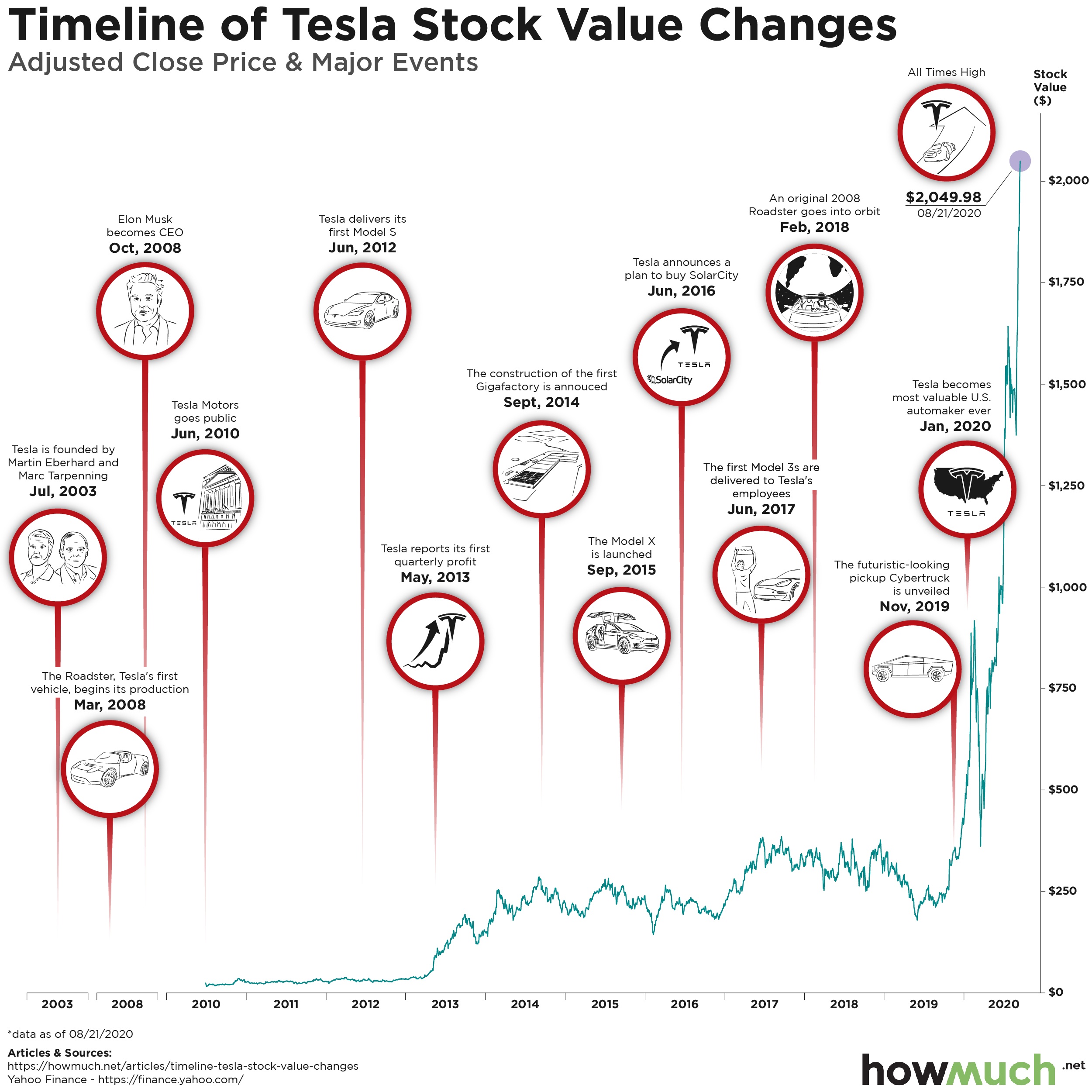
Tesla’s stock is often influenced by short-term news cycles and market sentiment, making it a favorite for day traders. However, long-term investors typically focus on the company’s fundamental growth trajectory, its ability to execute on its ambitious vision, and its potential to disrupt multiple industries over several years. A long-term perspective can help weather the inevitable short-term fluctuations.
Due Diligence and Diversification
Given the complexities and volatility, thorough due diligence is crucial for any potential investor. This includes staying informed about the company’s financial performance, competitive landscape, technological advancements, and regulatory environment. Furthermore, diversification across various asset classes and industries is always recommended to mitigate the risks associated with any single stock, no matter how promising.
In conclusion, the “worth” of Tesla stock is not a fixed figure but a dynamic, ever-evolving assessment influenced by a complex interplay of financial performance, technological innovation, market sentiment, and speculative interest. While its current market price provides a daily answer, understanding its intrinsic value requires a deep dive into sophisticated financial analysis and a clear-eyed view of both its challenges and its transformative potential. For investors, Tesla represents an investment in a future that is still being written, making its valuation a continuous and fascinating financial puzzle.
aViewFromTheCave is a participant in the Amazon Services LLC Associates Program, an affiliate advertising program designed to provide a means for sites to earn advertising fees by advertising and linking to Amazon.com. Amazon, the Amazon logo, AmazonSupply, and the AmazonSupply logo are trademarks of Amazon.com, Inc. or its affiliates. As an Amazon Associate we earn affiliate commissions from qualifying purchases.