
In the contemporary financial landscape, the definition of “liquidity” has evolved. No longer confined to the physical cash in a leather wallet or the ledger of a traditional brick-and-mortar bank, wealth is now distributed across a sophisticated network of digital platforms. Among these, PayPal remains a titan, serving as a primary conduit for personal remittances, e-commerce transactions, and side-hustle earnings. Understanding how to find and interpret your PayPal balance is more than a technical necessity; it is a fundamental pillar of modern personal finance management.
For the disciplined investor or the budget-conscious professional, real-time visibility into digital funds is essential for maintaining a healthy cash flow. This guide provides a comprehensive overview of accessing your PayPal balance across various platforms while exploring the broader financial implications of managing digital currency in an increasingly cashless society.
Navigating the PayPal Ecosystem for Financial Clarity
The first step in financial literacy is knowing exactly where your capital resides. PayPal’s interface is designed for high-frequency use, yet the specific placement of balance information can vary depending on the device or the type of account you hold.
Accessing Your Balance via the Web Portal
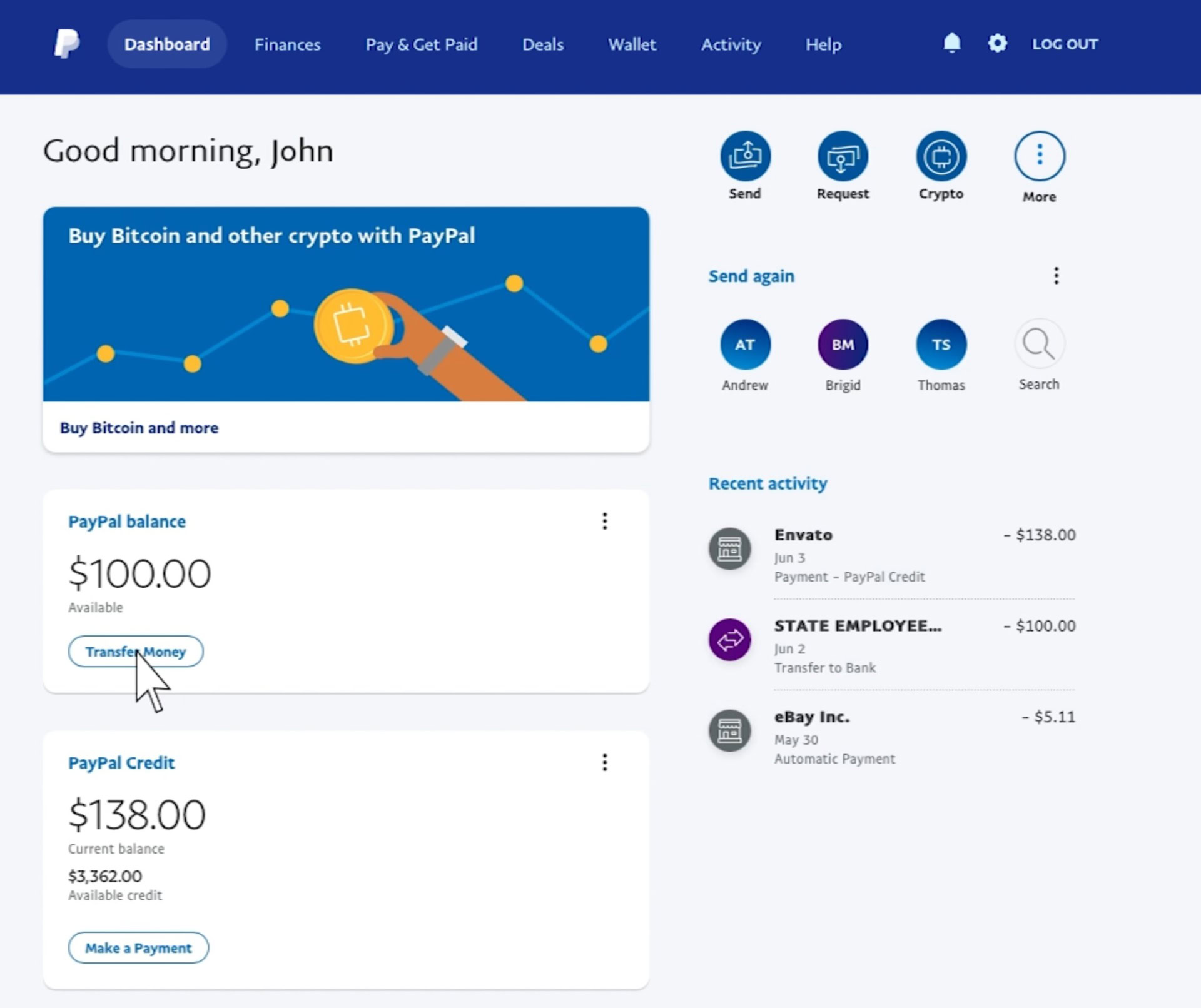
For those performing deep-dive financial reviews or monthly reconciliations, the PayPal web portal offers the most detailed view of your fiscal standing. Upon logging into the official PayPal website, your “PayPal Balance” is typically the centerpiece of the dashboard. This figure represents the total amount of “available” funds—money that can be spent immediately, sent to peers, or transferred to a linked bank account.
To find a more granular breakdown, users should navigate to the “Wallet” tab. Here, you can see not only your primary currency balance but also any secondary currencies you may hold. For international freelancers or global investors, this section is critical for tracking exchange rate fluctuations and understanding the true value of diversified digital holdings.
Monitoring Funds on the Mobile App
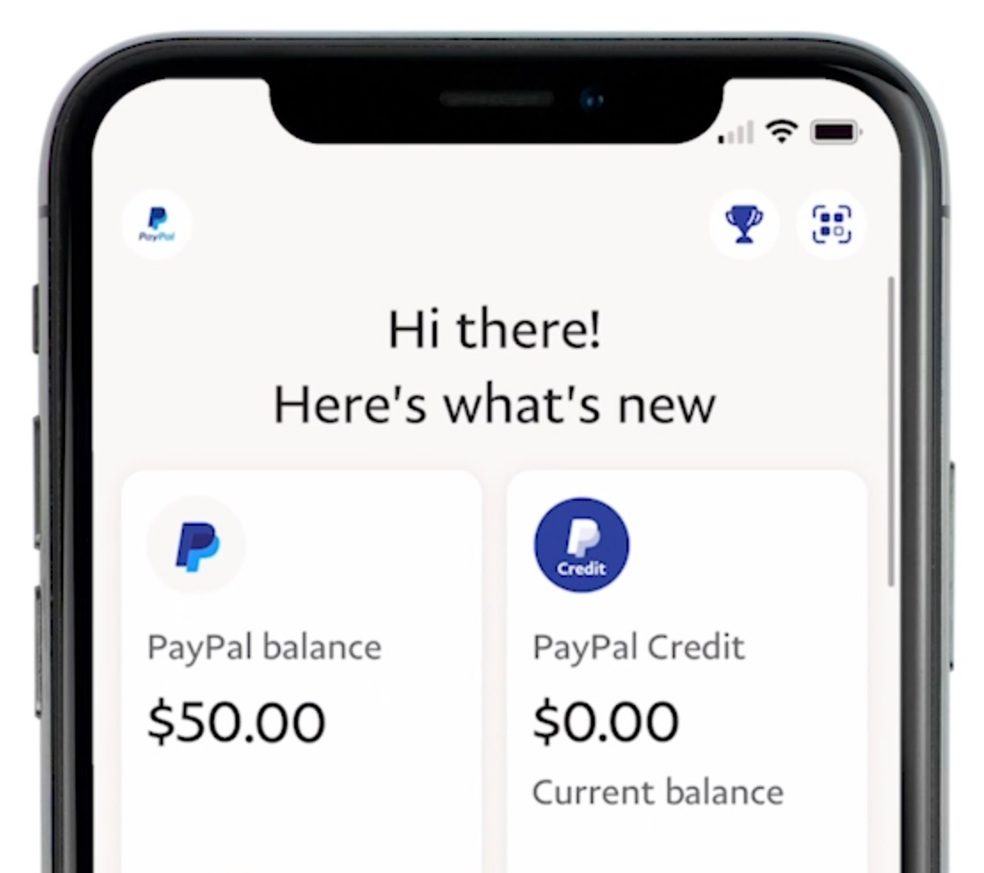
In the era of “on-the-go” finance, the PayPal mobile app is the most frequent touchpoint for balance inquiries. Upon biometric or passcode authentication, the balance is prominently displayed at the top of the home screen. However, the mobile experience is streamlined for speed. To see a detailed ledger of how that balance was reached, tapping on the balance figure will reveal a transaction history.
From a money management perspective, the mobile app serves as a real-time monitor. Checking your balance before a significant purchase ensures that you are utilizing available digital capital rather than inadvertently triggering a backup credit card charge or an overdraft on a linked checking account.
Understanding Available vs. Pending Funds
A common point of confusion in personal finance is the distinction between “Available” and “Pending” balances. When you “find” your balance, you may notice that the total assets don’t always match your expectations.
Pending funds often occur during the sale of goods or services, where PayPal holds the capital in escrow to ensure consumer protection. For a business owner or a side-hustler, distinguishing between these two is vital for calculating “burn rate” and operational liquidity. You cannot count pending funds as part of your immediate working capital, and failing to make this distinction can lead to significant budgeting errors.
Optimizing Your Cash Flow Management Through PayPal
Simply knowing how to find your balance is the baseline. The more advanced financial move is knowing how to manage that balance to serve your long-term wealth goals. PayPal has evolved from a simple payment processor into a robust financial tool that offers features once reserved for traditional banks.
Using Balance Alerts for Better Budgeting
Proactive financial management requires automation. Within the settings of your PayPal account, you can configure notifications that alert you when your balance reaches a certain threshold. For those who use PayPal as a primary spending tool, setting a “low balance” alert acts as a psychological and practical guardrail against overspending. Conversely, an alert for a high balance can serve as a prompt to move excess capital into a high-yield savings account or an investment vehicle, ensuring that your money is never sitting idle.
The Strategic Utility of PayPal Savings
In recent years, PayPal has introduced high-yield savings features (often in partnership with banks like Synchrony). When checking your balance, you should distinguish between your “Spending Account” and your “Savings” goal accounts.
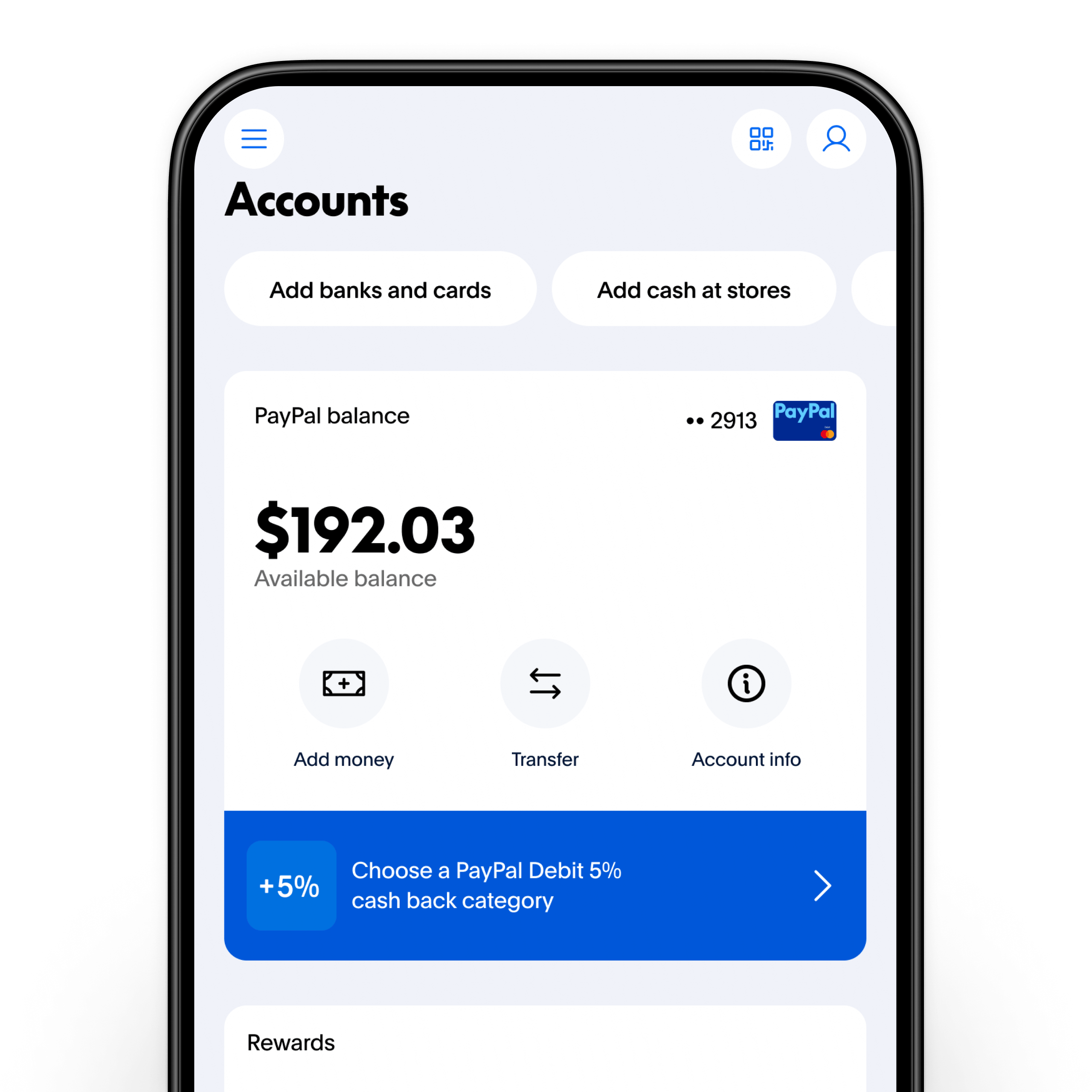
From a personal finance standpoint, keeping a large balance in a standard PayPal account is often suboptimal because that money typically does not earn interest. By shifting “found” balance into the “PayPal Savings” section, users can take advantage of competitive APYs (Annual Percentage Yields), effectively turning a transactional tool into a wealth-building asset.
Automating Transfers to External Bank Accounts
For many, PayPal is a transit point rather than a final destination for capital. If your financial strategy involves centralizing funds in a primary brokerage or a high-yield savings account elsewhere, the “Automatic Transfer” feature is indispensable. By setting your PayPal balance to sweep into your bank account on a nightly or weekly basis, you ensure that your side-hustle income or digital earnings are integrated into your broader financial ecosystem without manual intervention.
Security and Compliance: Protecting Your Digital Wealth
A balance is only as good as the security protecting it. As digital wallets become larger targets for cyber-financial crimes, maintaining the integrity of your PayPal balance is a non-negotiable aspect of financial health.
Two-Factor Authentication and Financial Privacy
When you access your balance, you are interacting with sensitive financial data. Implementing Two-Factor Authentication (2FA) is the single most effective way to ensure that you—and only you—can view and move those funds. From a money-management perspective, security is a form of insurance. A compromised balance is a direct hit to your net worth, and the administrative hurdle of recovering stolen digital funds can be a significant drain on your time and resources.
Identifying and Reporting Unauthorized Transactions
Regularly “finding” and checking your balance serves as a manual audit. If the balance looks lower than your records suggest, the transaction history is your primary forensic tool. PayPal’s dispute resolution center is a powerful ally, but it relies on the user being vigilant. Professional financial management involves a weekly audit of all digital ledgers to catch “ghost” subscriptions or unauthorized micro-transactions that can quietly erode a balance over time.
Tax Implications and Financial Reporting
For users in many jurisdictions, a PayPal balance isn’t just “Internet money”—it’s reportable income. In the United States, for example, the IRS has specific thresholds for reporting third-party network transactions (Form 1099-K).
When you track your PayPal balance, you are also tracking your potential tax liability. Maintaining a clear record of your balance fluctuations, especially if you receive payments for services, is essential for accurate tax filing. Many savvy users set aside a fixed percentage of every incoming PayPal payment into a separate “Tax” goal within the app to avoid a liquidity crisis during tax season.
Integrating PayPal into Your Broader Financial Strategy
To truly master your money, you must see your PayPal balance as one piece of a much larger puzzle. It should not exist in a vacuum but should be synchronized with your overall net worth tracking.
Linking with Personal Finance Management (PFM) Apps
Modern investors often use aggregators like Copilot, Monarch Money, or YNAB (You Need A Budget). Most of these platforms allow for a direct API connection to PayPal. By linking your account, your PayPal balance is automatically factored into your net worth calculations and spending reports. This high-level view allows you to see how your digital spending habits impact your long-term goals, such as retirement savings or a mortgage down payment.
Leveraging PayPal for Business and Side Hustle Income
For entrepreneurs, the PayPal balance often represents the “liquid lifeblood” of a venture. It is the repository for client payments and the source for vendor expenses. In this context, finding your balance is about assessing business health.
Using the “PayPal Business” suite allows for even deeper insights, such as monthly profit and loss summaries and sales trends. Treating your PayPal balance with the same rigor as a corporate treasury—separating personal funds from business revenue—is a hallmark of a successful professional.
Conclusion: The Power of Financial Oversight
Finding your PayPal balance is a simple technical act, but it represents the beginning of a much more important financial habit: the regular oversight of your digital wealth. In a world where money is increasingly invisible, the discipline to monitor, protect, and optimize every dollar in your digital wallet is what separates the financially reactive from the financially proactive.
Whether you are using PayPal to save for a vacation, manage a thriving e-commerce store, or simply send money to family, your balance is a reflection of your financial choices. By utilizing the tools of the platform—from high-yield savings to automated transfers and robust security—you turn a simple payment app into a sophisticated instrument for financial growth. Stay vigilant, stay informed, and always keep a close eye on the digital pulse of your prosperity.
aViewFromTheCave is a participant in the Amazon Services LLC Associates Program, an affiliate advertising program designed to provide a means for sites to earn advertising fees by advertising and linking to Amazon.com. Amazon, the Amazon logo, AmazonSupply, and the AmazonSupply logo are trademarks of Amazon.com, Inc. or its affiliates. As an Amazon Associate we earn affiliate commissions from qualifying purchases.