
For many Americans, the Internal Revenue Service (IRS) is a source of persistent background anxiety. Whether it is the complexity of the tax code or the fear of an accidental oversight, the uncertainty regarding one’s financial standing with the federal government can be a significant burden. Finding out exactly how much you owe is the first and most critical step toward financial wellness and tax compliance.
In the past, determining your tax debt involved long hours on hold or waiting weeks for paper records to arrive by mail. However, the IRS has significantly modernized its systems, providing taxpayers with multiple avenues to access their balance, payment history, and tax records. This guide explores the most efficient ways to determine your tax liability and provides a strategic framework for managing and resolving any outstanding balances.
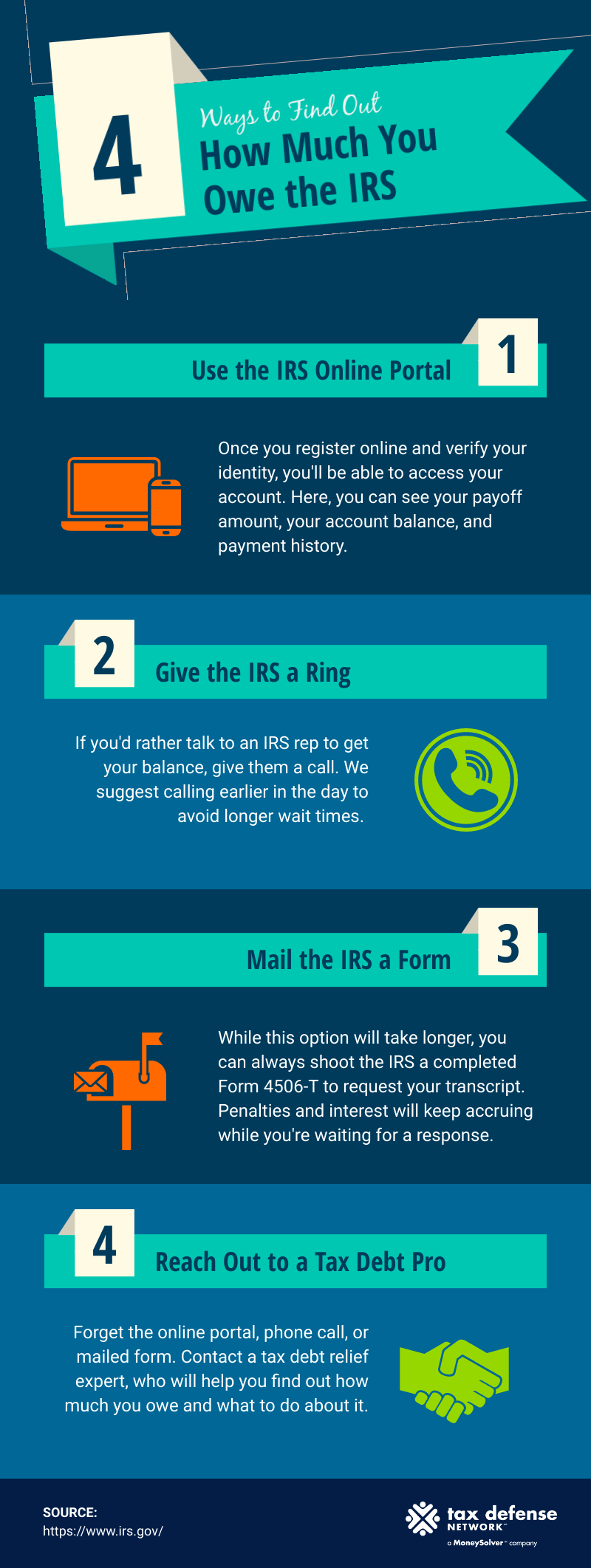
Utilizing Official IRS Digital Tools for Instant Access
The most efficient way to determine your tax liability in the modern era is through the IRS’s suite of digital tools. The agency has invested heavily in its online infrastructure to allow taxpayers to self-serve, reducing the need for direct human intervention and providing real-time data.
Setting Up Your IRS Online Account
The centerpiece of the IRS’s digital strategy is the “Individual Online Account.” This portal provides a secure way to view the total amount you owe, including a breakdown by tax year. To access this information, you must first verify your identity through ID.me, a third-party technology provider that handles high-level security for federal agencies.
Once authenticated, your dashboard will display your balance due, your payment history for the last 24 months, and key information from your most recently filed tax return. This is the most reliable method to get a “snapshot” of your current standing without waiting for a physical notice.
Navigating the IRS Online Account Portal
The portal is designed to be intuitive, but it is important to know where to look. The “Payment Options” section will show you your current balance, including any accrued interest and penalties. It is important to note that the balance shown is current as of the date you log in; it may change if additional interest is calculated or if a recent payment is still processing.
Furthermore, the portal allows you to view “Digital Notices.” Often, the IRS sends paper mail that gets lost or overlooked. By checking the digital notices section, you can see copies of letters sent to you regarding unpaid balances or adjustments made to your returns, ensuring you are never out of the loop.
Understanding the “Balance Due” Breakdown
When you log in, you might see a balance that is higher than you expected. The IRS portal breaks this down by tax year. This is crucial because you might owe a small amount from three years ago that has been compounding with interest, alongside a larger balance from the most recent filing year. By seeing the breakdown, you can prioritize which tax years to address first, especially if you are considering a targeted payment strategy to minimize penalty growth.
Alternative Methods for Verifying Your Tax Debt
While the online portal is the fastest method, it is not the only way to verify your tax debt. Some taxpayers prefer physical documentation for their records, or they may encounter technical difficulties with identity verification. In these cases, traditional methods remain highly effective.
Requesting Tax Transcripts
A tax transcript is an official summary of your tax return or your account status. There are several types of transcripts, but for the purpose of finding out what you owe, the “Account Transcript” is the most useful. This document shows any adjustments made by the IRS after you filed your return, as well as payments, credits, and the remaining balance.
You can request these online for immediate viewing or via mail, which typically takes five to ten business days. Transcripts are often required by mortgage lenders or financial advisors, so having a current copy is a good practice for general financial health beyond just resolving tax debt.
Deciphering IRS Notices and Letters
The IRS is legally required to notify you in writing if you have an outstanding balance. The most common notice is the CP14, which is the initial notice stating that you have unpaid taxes. If this goes unaddressed, you may receive follow-up notices such as the CP501, CP503, or CP504 (Notice of Intent to Levy).
Understanding these codes is vital. Each notice serves as a timestamped record of your debt. If you receive a notice, look at the top right corner for the notice number and the “Amount Due.” This document is the formal legal basis for your debt, and it contains specific instructions on how to appeal the finding if you believe the amount is incorrect.

Phone and Mail Inquiries
For those who prefer a human connection or have complex questions that a dashboard cannot answer, calling the IRS remains an option. The individual taxpayer assistance line (800-829-1040) allows you to speak with a representative who can look up your balance. However, be prepared for significant wait times, especially during the peak of tax season.
Alternatively, you can visit a local Taxpayer Assistance Center (TAC). These offices provide face-to-face help, though many now require an appointment. This is often the best route if you have received a notice that you don’t understand or if you have documentation to prove that the IRS’s calculated balance is incorrect.
Why Your Balance Might Be Higher Than Expected
One of the most common shocks taxpayers experience when checking their balance is seeing a figure significantly higher than the original tax they failed to pay. This is rarely a mistake; rather, it is the result of the IRS’s statutory interest and penalty structure.
Accrued Interest and the Cost of Delay
The IRS is required by law to charge interest on underpayments. The interest rate is determined quarterly and is typically the federal short-term rate plus 3%. Because interest compounds daily, a debt can grow surprisingly fast. Unlike certain penalties, interest is much harder to get abated (removed), making it the most persistent “growth factor” in your tax debt.
Understanding “Failure to File” vs. “Failure to Pay”
It is a common financial misconception that if you cannot afford to pay your taxes, you should not file your return. In reality, the “Failure to File” penalty is much more severe than the “Failure to Pay” penalty.
The penalty for filing late is generally 5% of the unpaid taxes for each month or part of a month that a tax return is late, capping at 25%. In contrast, the failure-to-pay penalty is only 0.5% per month. If you find your balance is astronomical, it is often because of the failure-to-file penalty. Identifying these specific charges on your account transcript can help you understand exactly how your debt reached its current level.
Common Errors and Discrepancies
Sometimes, the amount the IRS says you owe is simply wrong. This often happens due to “mismatched information.” For example, if an employer reported income on a 1099 or W-2 that you didn’t include on your return, the IRS’s automated systems will flag the discrepancy and generate a bill for the difference. By reviewing your records against the IRS’s data, you can identify if the debt is legitimate or if you need to file an amended return (Form 1040-X) to correct the record and reduce the balance.
Proactive Strategies for Managing Your Tax Liability
Once you have identified the exact amount you owe, the focus must shift from discovery to resolution. The IRS is one of the most powerful creditors in the world, but it is also one of the most flexible if you are proactive in communication.
Payment Plans and Installment Agreements
If you cannot pay the full amount immediately, the IRS offers several types of installment agreements. For balances under $50,000, you can usually apply for a “Short-Term Payment Plan” (up to 180 days) or a “Long-Term Installment Agreement” (monthly payments for up to 72 months) directly through the online portal.
Setting up a formal plan is essential because it stops certain collection actions, such as wage garnishments or bank levies. While interest continues to accrue, a formal agreement demonstrates “good faith” and keeps your financial life stable while you work through the debt.
Offer in Compromise (OIC) and “Currently Not Collectible”
In cases of extreme financial hardship, the IRS may agree to an “Offer in Compromise,” which allows you to settle your tax debt for less than the full amount you owe. This is a rigorous process where the IRS evaluates your income, expenses, and asset equity.
Similarly, if paying the debt would prevent you from meeting basic living expenses, you can request “Currently Not Collectible” status. This doesn’t wipe away the debt, but it halts collection efforts temporarily. Both of these options require a deep dive into your personal finances and are best navigated with the help of a tax professional.

Adjusting Withholdings to Prevent Future Debt
The best way to manage tax debt is to ensure it doesn’t happen again. If you found that you owed money because your employer didn’t withhold enough, or because you didn’t pay enough in estimated taxes as a freelancer, you should use the IRS Tax Withholding Estimator. Adjusting your W-4 form or increasing your quarterly estimated payments ensures that you are “paying as you go,” which is the fundamental requirement of the U.S. tax system.
By taking control of the information, utilizing digital tools, and understanding the mechanics of interest and penalties, you can transform a source of stress into a manageable financial plan. Transparency is the antidote to tax anxiety; knowing exactly what you owe is the only way to eventually owe nothing at all.
aViewFromTheCave is a participant in the Amazon Services LLC Associates Program, an affiliate advertising program designed to provide a means for sites to earn advertising fees by advertising and linking to Amazon.com. Amazon, the Amazon logo, AmazonSupply, and the AmazonSupply logo are trademarks of Amazon.com, Inc. or its affiliates. As an Amazon Associate we earn affiliate commissions from qualifying purchases.