
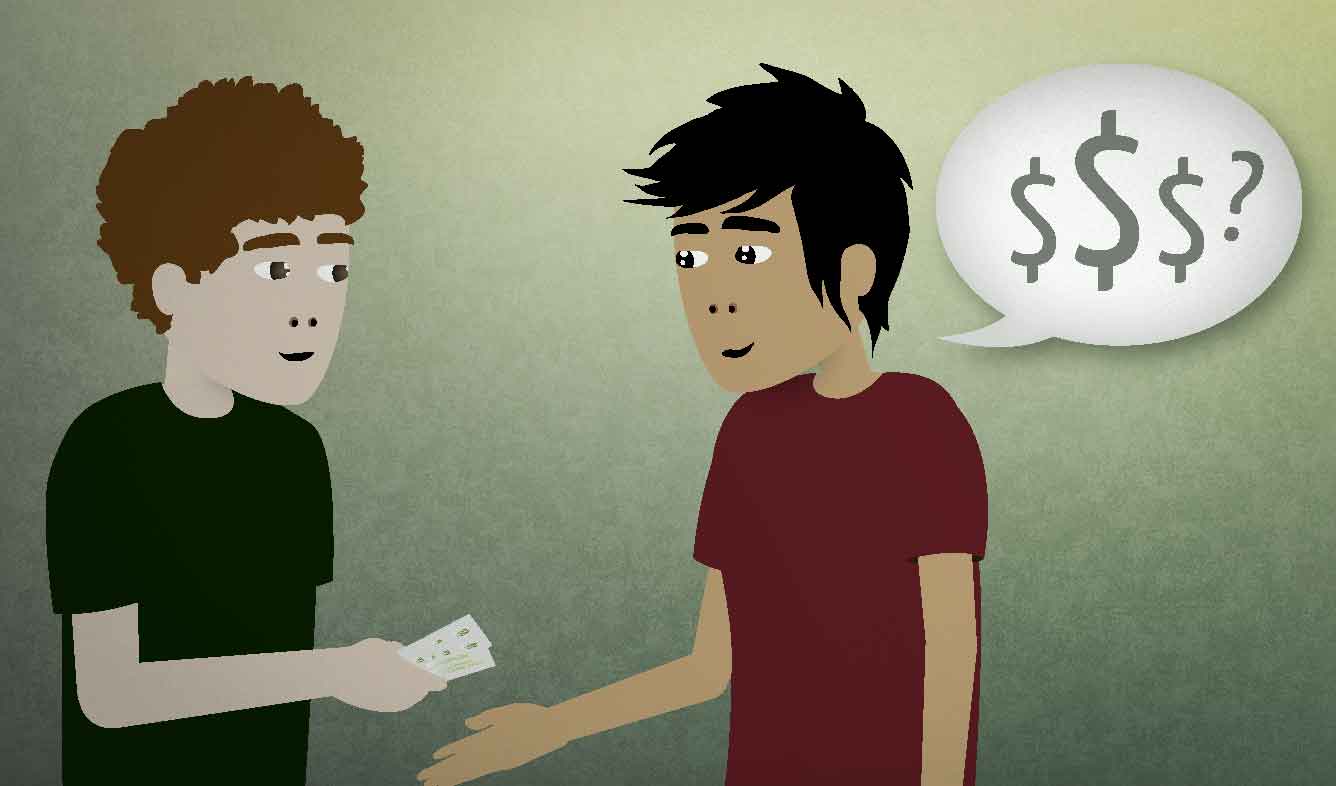
The phrase “how much do i owe you?” is one of the most common yet loaded questions in the world of finance. Whether it is whispered between friends after a shared dinner, calculated by a freelancer sending an invoice to a client, or analyzed by a corporation assessing its leverage, the concept of owing is the bedrock of economic exchange. In a world increasingly driven by digital transactions and “buy now, pay later” schemes, maintaining a precise understanding of your liabilities is not just a matter of manners—it is a cornerstone of financial health.

Understanding the mechanics of debt, both informal and formal, requires a blend of psychological awareness, technological savvy, and disciplined accounting. This article explores the nuances of managing what you owe, ensuring that your financial relationships remain healthy and your personal balance sheet remains in the black.
The Psychology of Debt: Why Tracking What You Owe Matters
Money is more than just a medium of exchange; it is a social contract. When you ask, “how much do i owe you?” you are acknowledging a temporary imbalance in a relationship. In the realm of personal finance, how you handle this imbalance dictates the level of trust you command in your social and professional circles.
Maintaining Relationships Through Financial Transparency
Unresolved debts are one of the leading causes of friction in friendships and family dynamics. The ambiguity of a “we’ll square up later” can lead to resentment if “later” never comes. Financial transparency involves proactive communication. By being the one to initiate the conversation about repayment, you demonstrate reliability and respect for the other person’s capital. In a professional context, this translates to “Accounts Payable” integrity. A business that pays its vendors on time builds a reputation for solvency, which can lead to better credit terms and stronger partnerships in the long run.
The Mental Burden of Unrecorded Debts
There is a cognitive load associated with owing money. Psychologists often refer to the “Zeigarnik Effect,” which suggests that people remember uncompleted or interrupted tasks better than completed ones. An outstanding debt is an “open loop” in your brain. When you don’t have a clear answer to “how much do i owe you,” that uncertainty creates low-level anxiety. Documenting your debts—whether it’s $15 to a friend or $15,000 in student loans—closes that loop and allows you to move from a state of worry to a state of action.
Personal Finance Tools for Tracking Peer-to-Peer Payments
In the past, tracking small debts required a notebook or a very good memory. Today, the “Money” niche has been revolutionized by financial technology (FinTech) designed specifically to answer the question of “who owes what.”
Leveraging Digital Wallets and Split-Payment Apps
The rise of apps like Splitwise, Venmo, and Zelle has fundamentally changed how we handle shared expenses. These tools provide a real-time ledger that eliminates the awkwardness of manual calculations.
- Splitwise: Ideal for long-term roommates or group travel, this tool allows for complex “IOU” tracking, where expenses can be split unequally and settled in a single monthly transaction.
- Venmo/Zelle: These act as the immediate “settlement layer.” The integration of social feeds and instant transfers ensures that the gap between realizing a debt and paying it is as short as possible.
Spreadsheets vs. Dedicated Debt-Trackers
For those managing larger sums or multiple creditors, a simple app might not suffice. This is where personal finance spreadsheets come into play. A dedicated Google Sheet or Excel file allows you to track interest rates, due dates, and the total “cost of carry” for your debts. Unlike simple payment apps, a spreadsheet allows you to see your debt-to-income ratio, providing a macro view of your financial health. If you are serious about answering “how much do i owe you” at a global level, a monthly audit of your liabilities in a structured document is essential.
Navigating Business Debts: Invoicing and Accounts Payable
For freelancers and small business owners, the question “how much do i owe you?” is often the precursor to a transaction. Managing these incoming and outgoing flows is the essence of business finance.
The Importance of Timely Invoicing for Freelancers
As a service provider, you must make it as easy as possible for a client to pay you. If a client has to ask you how much they owe, you have already failed at a key part of your business administration. Professional invoicing software (such as QuickBooks, FreshBooks, or Wave) ensures that your “asks” are clear, documented, and legally compliant. A well-structured invoice should include:
- Itemized Services: Exactly what is being paid for.
- Payment Terms: Net 30, Net 15, or Due on Receipt.
- Late Fees: The cost of not paying on time.
By providing this clarity, you remove the friction from their side of the “how much do I owe” equation.
Strategies for Managing Small Business Liabilities
On the flip side, managing your own business debts—be it to suppliers, for rent, or for software subscriptions—is about cash flow management. High-growth businesses often use debt as a lever, but it must be calculated. The “Debt Service Coverage Ratio” (DSCR) is a vital metric here; it measures your business’s ability to use its operating income to pay off its current debt obligations. Knowing exactly how much you owe your creditors at any given moment prevents the “cash crunch” that kills many promising startups.
Strategies for Repayment: Turning “What I Owe” into “Paid in Full”
Once you have identified exactly what you owe, the focus shifts to the “how” of repayment. Financial freedom is not achieved by accident; it is achieved through the systematic elimination of liabilities.
The Snowball and Avalanche Methods
When dealing with multiple debts (credit cards, car loans, personal loans), two primary strategies dominate the personal finance landscape:
- The Debt Snowball: Popularized by Dave Ramsey, this involves paying off the smallest balances first to build psychological momentum. You answer the “how much do i owe” for the smallest creditor and eliminate them entirely, then move to the next.
- The Debt Avalanche: This method focuses on the numbers. You pay off the debt with the highest interest rate first. While it may take longer to see a balance hit zero, you save the most money over time by reducing the total interest paid.
Negotiating Terms and Setting Boundaries
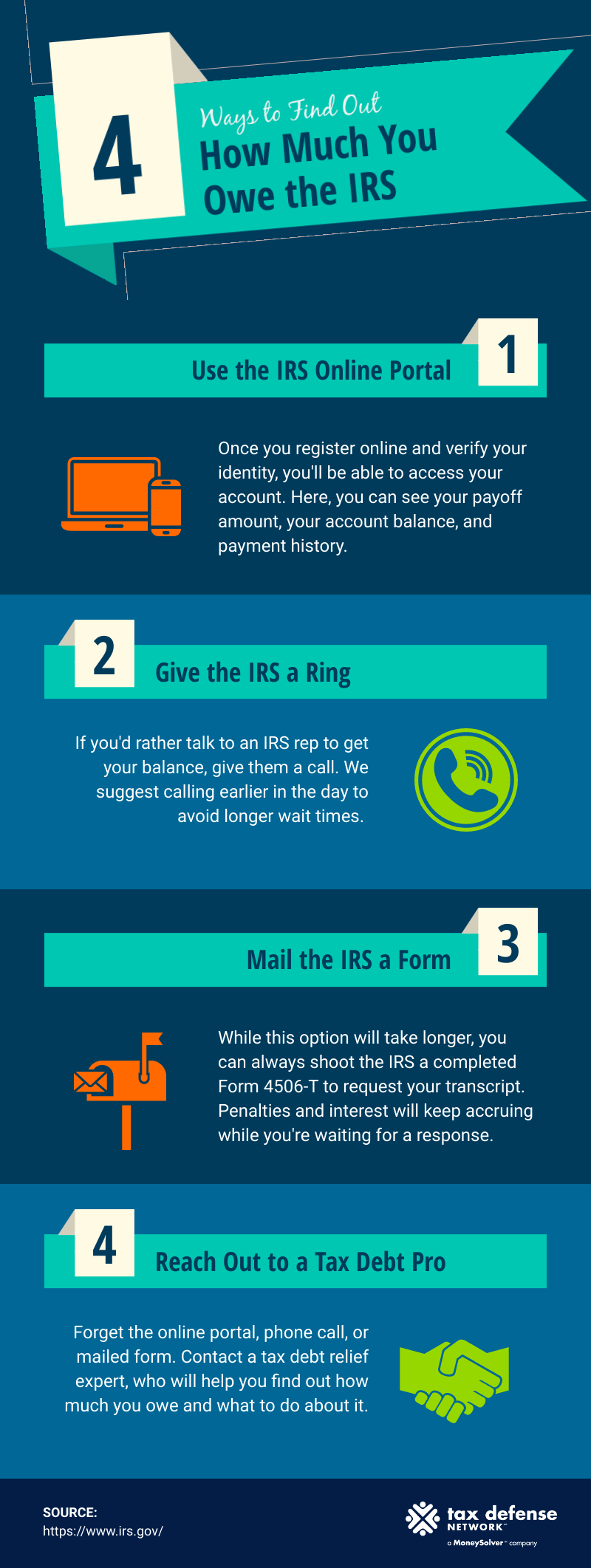
Sometimes, the answer to “how much do i owe you” is a figure that feels insurmountable. In these cases, the “Money” niche offers the path of negotiation. Creditors often prefer receiving a partial payment or a restructured payment plan over a total default.
- Settlement: Offering a lump sum that is less than the total owed but paid immediately.
- Forbearance: Temporarily pausing payments during financial hardship.
- Refinancing: Taking out a new loan with a lower interest rate to pay off older, more expensive debts.
Conclusion: The Power of Financial Integrity
At its core, being able to answer the question “how much do i owe you?” is about integrity. It is an acknowledgment of the value someone else has provided to you, whether it was a bank lending you money for a home or a friend picking up the tab for coffee.
By utilizing modern tools, maintaining rigorous records, and adopting a proactive mindset toward repayment, you transition from being a “debtor” to being a “manager of capital.” Financial clarity allows you to make better decisions, reduce stress, and build stronger relationships. In the world of money, those who know exactly what they owe are the ones best positioned to eventually owe nothing at all.
aViewFromTheCave is a participant in the Amazon Services LLC Associates Program, an affiliate advertising program designed to provide a means for sites to earn advertising fees by advertising and linking to Amazon.com. Amazon, the Amazon logo, AmazonSupply, and the AmazonSupply logo are trademarks of Amazon.com, Inc. or its affiliates. As an Amazon Associate we earn affiliate commissions from qualifying purchases.