
Navigating the complexities of the federal tax system is a fundamental aspect of personal and business finance. For many Americans, the Internal Revenue Service (IRS) is the most significant financial institution they interact with annually. Whether you are tracking a delayed refund, responding to a notice of deficiency, or seeking clarification on new tax laws, knowing how to efficiently contact the IRS is a critical skill in maintaining your financial health.
Effective communication with the IRS ensures that you remain in compliance with federal laws, avoid unnecessary interest and penalties, and secure the credits and deductions to which you are entitled. This guide outlines the most effective channels for reaching the IRS, categorized by the nature of your financial inquiry, and provides strategic insights into managing your interactions with the agency.

1. Direct Communication: Phone Channels for Immediate Assistance
For most individual taxpayers and small business owners, the telephone remains the primary method for resolving urgent financial matters. Because tax issues often involve sensitive personal information and complex calculations, a direct conversation with an IRS representative can provide clarity that automated systems cannot.
Understanding the Specialized Phone Lines
The IRS operates several distinct toll-free lines designed to route inquiries to the appropriate department. Utilizing the correct number is the first step in minimizing wait times and ensuring you speak with a specialist qualified to handle your specific financial situation.
- Individuals: The primary line for individual tax questions is 1-800-829-1040. This line handles questions regarding Form 1040, earned income credits, and general filing status.
- Businesses: Business owners, including those managing corporations, partnerships, or specialty taxes like excise or employment taxes, should call 1-800-829-4933.
- Exempt Organizations and Government Entities: For non-profits or retirement plan administrators, the dedicated line is 1-877-829-5500.
- Estate and Gift Taxes: If you are navigating the financial complexities of an inheritance or large-scale gifting strategy, use 1-866-699-4083.
Strategizing Your Call for Efficiency
From a financial management perspective, time is a resource. IRS wait times fluctuate significantly based on the time of year and day of the week. Historically, the best times to call are early in the morning, specifically Tuesday through Thursday. Mondays tend to have the highest call volume as taxpayers address issues that arose over the weekend.
Before placing the call, ensure you have your “Financial Dossier” ready. This includes your Social Security Number (SSN) or Employer Identification Number (EIN), birth dates for all individuals on the return, your previous year’s tax return, and any specific correspondence or notices you received from the IRS. Being prepared prevents multiple calls and ensures the representative can access your file immediately.
Overcoming Language and Accessibility Barriers
Financial literacy and tax compliance should be accessible to everyone. The IRS provides over-the-phone interpreter services in over 350 languages. If you require assistance in a language other than English, you can request an interpreter immediately upon connection. Furthermore, for taxpayers who are deaf or hard of hearing, the IRS offers TTY/TDD support via 1-800-829-4059.
2. Leveraging Digital Financial Tools: The IRS Online Portal
In the modern financial landscape, digital self-service tools are often more efficient than traditional phone calls. The IRS has significantly expanded its digital footprint, offering robust tools that allow taxpayers to manage their financial obligations with the same ease as online banking.
The IRS Online Account for Individuals
One of the most powerful tools for personal finance management is the “Your Online Account” feature on IRS.gov. By creating a secure account, you can access a comprehensive dashboard of your federal tax status. This includes viewing your total balance due, your payment history, and key information from your most recent tax return.
From a strategic standpoint, the online account is invaluable for verifying that payments have been credited correctly and for downloading “Tax Transcripts.” Transcripts are often required by mortgage lenders and financial institutions when applying for loans, and obtaining them digitally is significantly faster than requesting them by mail.
Managing Payments and Installment Agreements
If you find yourself in a position where you owe taxes but cannot pay in full, the IRS website offers an Online Payment Agreement application. This allows you to set up short-term or long-term payment plans (installment agreements) without needing to speak to a representative. Managing these liabilities digitally allows you to calculate interest and penalties in real-time, helping you make informed decisions about your cash flow and debt management.
The “Where’s My Refund?” and “Where’s My Amended Return?” Tools
For many, the tax refund is a major annual financial windfall. The “Where’s My Refund?” tool provides the most up-to-date status on your tax return processing. It is updated once every 24 hours, usually overnight. Using this tool instead of calling the IRS frees up agency resources and provides you with an expected date for your capital infusion, allowing for better personal budgeting.

3. Written Correspondence: Responding to Notices and Filing Paperwork
There are certain financial scenarios where a phone call is insufficient, and a formal paper trail is required. The IRS issues millions of notices annually, ranging from simple math error corrections to complex audit notifications.
Decoding the IRS Notice
Every piece of mail from the IRS features a notice or letter number, usually located in the top right-hand corner (e.g., CP2000 or Letter 525). When responding, it is vital to use the specific address provided on the notice, as the IRS operates multiple processing centers across the country.
In the context of an audit or an adjustment, written correspondence allows you to provide documented evidence—such as receipts, bank statements, and investment records—to support your financial claims. Always keep copies of everything you send, and use certified mail with a return receipt requested. This provides legal proof that you have met your financial obligations and deadlines.
Local Taxpayer Assistance Centers (TACs)
Sometimes, the complexity of a financial dispute requires an in-person meeting. The IRS maintains Taxpayer Assistance Centers (TACs) nationwide. These offices operate by appointment and are designed for issues that cannot be resolved online or over the phone, such as identity verification or making large cash payments. You can locate your nearest office using the “Contact Your Local Office” tool on the IRS website.
Utilizing the Taxpayer Advocate Service (TAS)
If you are experiencing significant financial hardship or a systemic problem that has not been resolved through normal channels, the Taxpayer Advocate Service is an independent organization within the IRS. The TAS acts as your voice within the agency. They can assist when an IRS problem is causing financial difficulty for you, your family, or your business, or if you feel an IRS system or procedure is not working as it should.
4. Best Practices for Professional Financial Compliance
Contacting the IRS is not merely about asking a question; it is about protecting your financial reputation and assets. Adopting a professional approach to these interactions can lead to faster resolutions and more favorable outcomes.
Documenting Every Interaction
Maintain a dedicated “Tax Log.” Whenever you speak with an IRS representative, record the date, time, the employee’s name, and their unique “ID Badge Number.” Summarize the conversation and any instructions given. In the event of a future dispute, this log serves as a vital piece of evidence regarding your “Good Faith” efforts to comply with tax laws.
Secure Communication and Identity Protection
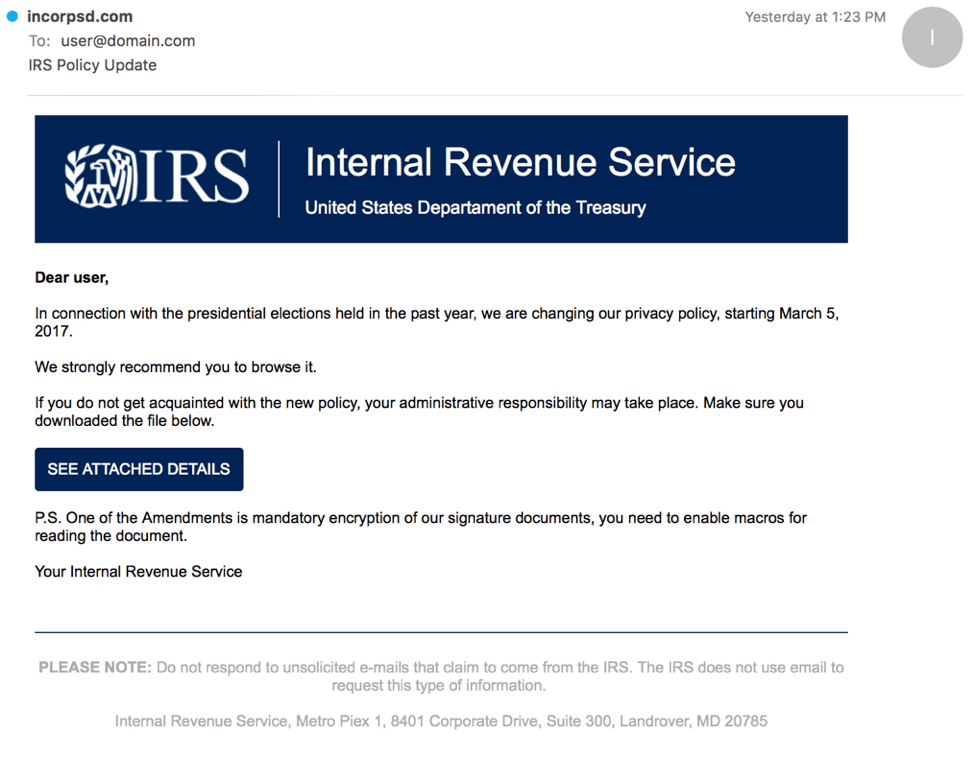
The IRS will never initiate contact with taxpayers via email, text messages, or social media to request personal or financial information. Any such contact should be treated as a fraudulent attempt to compromise your financial security. If you are a victim of identity theft, the IRS has a specialized Identity Protection Specialized Unit (IPSU) reachable at 1-800-908-4490. Protecting your Taxpayer Identification Number is as important as protecting your bank account credentials.
When to Consult a Financial Professional
While most routine inquiries can be handled directly by the taxpayer, certain financial situations warrant professional representation. CPAs, Enrolled Agents, and Tax Attorneys have the authority to represent taxpayers before the IRS. If you are facing a complex audit, a large tax debt, or potential criminal charges, hiring a professional can save you significant money in the long run by ensuring that your rights are protected and that you utilize all available legal avenues for debt reduction.
5. Timing and the Annual Tax Cycle
The timing of your contact with the IRS should align with the broader fiscal calendar. Understanding the lifecycle of the tax year helps you anticipate when the agency will be most responsive and when you should proactively reach out to manage your finances.
The Peak Season Pressure
From January through April, the IRS is under maximum pressure. During this window, focus your contact on essential filing questions. If you have a non-urgent matter—such as correcting a record from three years ago—waiting until the “shoulder season” (May through August) will often result in shorter wait times and more attentive service from agents.
Year-End Planning and Estimated Payments
For self-employed individuals and investors, the “contact” with the IRS often happens through the submission of quarterly estimated tax payments. Using the Electronic Federal Tax Payment System (EFTPS) is the most professional way to handle these business finances. It provides a secure, traceable record of payments, which is essential for year-end accounting and ensuring that you are not hit with underpayment penalties when you file your annual return.
Proactive Management of Tax Liabilities
The most successful financial planners view the IRS as a predictable entity rather than an adversary. By utilizing the contact methods outlined in this guide—from the efficiency of the online portal to the specialized support of the Taxpayer Advocate—you can take control of your tax obligations. Whether you are an individual managing a household budget or a business owner overseeing complex payroll taxes, clear and documented communication with the Internal Revenue Service is the cornerstone of robust financial management.
aViewFromTheCave is a participant in the Amazon Services LLC Associates Program, an affiliate advertising program designed to provide a means for sites to earn advertising fees by advertising and linking to Amazon.com. Amazon, the Amazon logo, AmazonSupply, and the AmazonSupply logo are trademarks of Amazon.com, Inc. or its affiliates. As an Amazon Associate we earn affiliate commissions from qualifying purchases.